It started with a kitchen catastrophe that still haunts my culinary dreams—one night I was chasing a midnight craving for something comforting and decided to throw together a quick Italian chicken. I tossed a handful of chicken breasts into a skillet, sprinkled a handful of Italian seasoning, and hoped for a miracle. Instead, the pan hissed, the garlic burned, and the chicken turned out dry and flavorless. That night, I vowed to find the secret sauce that turns a simple protein into a showstopper. The result? A baked Italian chicken that’s juicy, flavorful, and so effortless that even a novice can master it.
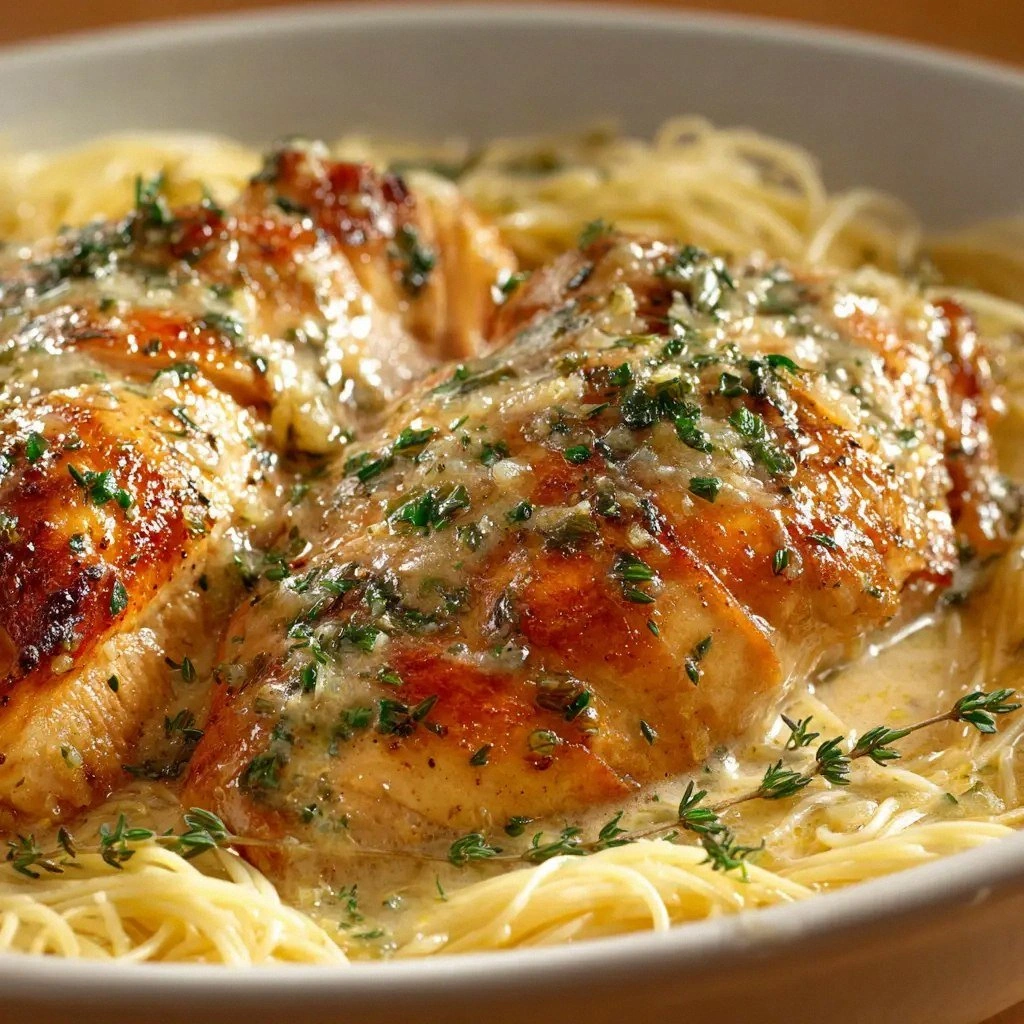
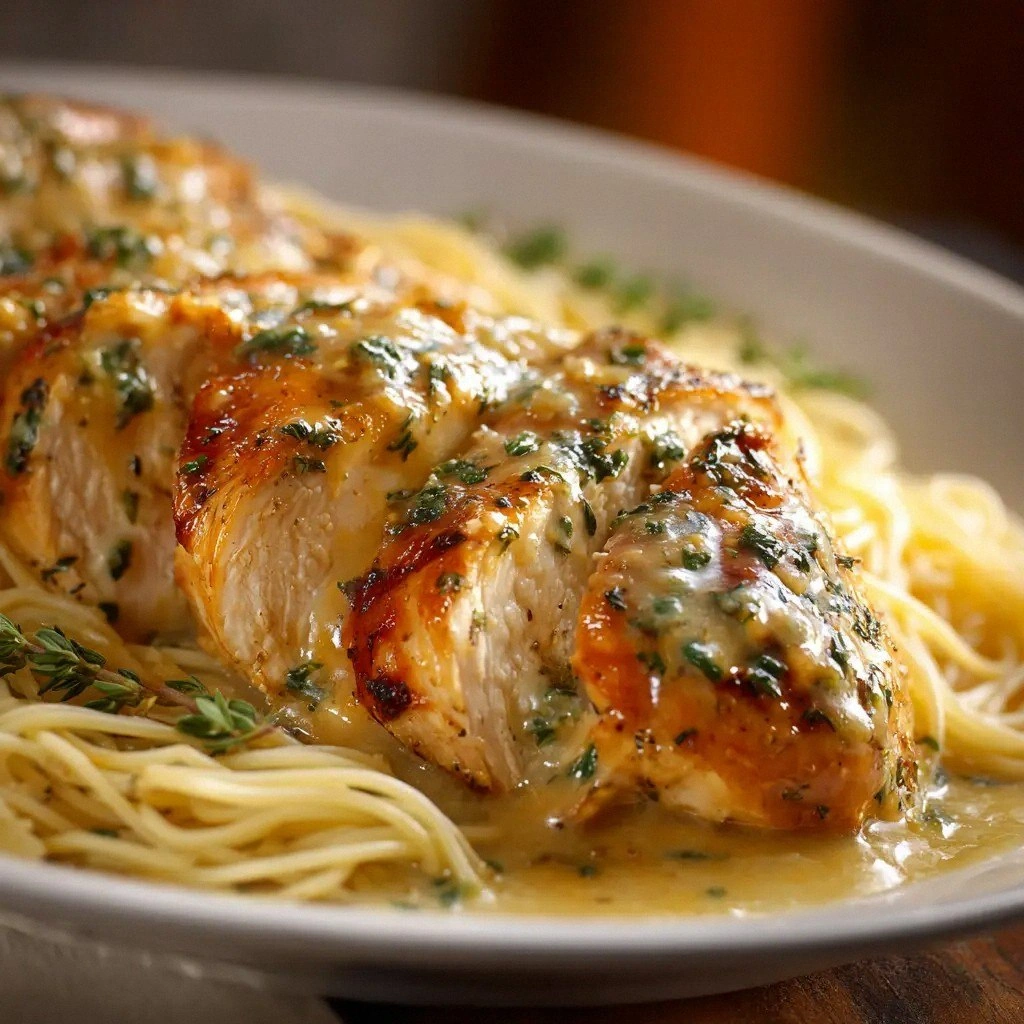
Picture this: a golden, bubbling crust that shatters like thin ice as you cut through, revealing tender meat that practically melts in your mouth. The aroma is a heady blend of tomato, garlic, and herbs that drifts across the kitchen, making even the most stubborn foodie pause in awe. The first bite delivers a savory punch, followed by a creamy mozzarella blanket that whispers comfort, while a hint of Parmesan adds depth and umami. I dare you to taste this and not go back for seconds; the flavors are addictive in the best possible way. This dish is hands down the best version you'll ever make at home, and it’s so simple that you’ll wonder how you ever cooked anything else.
What makes this recipe a game‑changer isn’t just the taste—it’s the way each element is orchestrated to create a symphony of textures and aromas. I’ll walk you through every single step, from the humble prep to the final garnish. By the end, you’ll wonder how you ever made it any other way. This is not just a recipe; it’s a culinary revelation that will become a staple on your dinner table.
Let me walk you through every single step — by the end, you'll wonder how you ever made it any other way. The secret sauce? A simple blend of canned diced tomatoes, garlic, and a dash of Italian seasoning that coats the chicken like velvet. The mozzarella and Parmesan create a gooey, golden crust that’s both crispy and melt‑in‑your‑mouth. The fresh basil adds a pop of color and a burst of brightness that lifts the entire dish. Trust me, this is the kind of recipe that turns a weekday dinner into a celebratory feast.
What Makes This Version Stand Out
- Taste: The tomato base is robust yet balanced, thanks to the combination of sweet diced tomatoes and savory garlic. It provides a depth that traditional marinades can’t match, creating a sauce that clings to every bite.
- Texture: The chicken stays moist inside while the top develops a golden, slightly crisp finish. The cheese layer adds a silky, melty contrast that elevates each mouthful.
- Ease: With a single pan and a simple bake, you can have a restaurant‑quality dish on the table in under an hour. No fancy equipment or complicated steps—just trust the method.
- Ingredient Quality: Fresh basil and a good quality Parmesan make all the difference, turning an ordinary meal into something memorable.
- Versatility: The recipe can be dressed up with extra veggies or served over pasta, rice, or even a crisp salad.
- Crowd‑pleaser: Friends and family will rave about the juicy chicken and the melty cheese. It’s the kind of dish that turns an ordinary dinner into a gathering.
- Make‑ahead Friendly: The assembled dish can be baked ahead and reheated without losing flavor or moisture, making it a perfect option for busy weeknights.
- Budget‑Friendly: All ingredients are pantry staples that won’t break the bank, yet the result feels luxurious.
Alright, let's break down exactly what goes into this masterpiece…
Inside the Ingredient List
The Flavor Base
At the heart of this dish is the tomato sauce, which serves as both a moisture source and a flavor carrier. The 14.5‑ounce can of diced tomatoes provides a sweet and slightly acidic backdrop that balances the richness of the cheese and the savory notes of garlic. If you skip the tomatoes, the chicken will dry out and lack the signature Italian tang. For a fresher twist, you can replace the canned tomatoes with fresh, diced tomatoes simmered with a splash of red wine, but be sure to reduce the liquid to avoid a soggy result.
Fresh basil is the final flourish that lifts the entire dish. Adding it at the end of baking preserves its bright green color and aromatic oils, preventing the basil from wilting into a dull green sludge. If you’re out of basil, a handful of fresh oregano or thyme can offer a comparable herbal punch, though the flavor profile will shift slightly toward a more earthy tone.
The Texture Crew
Olive oil is more than just a cooking medium; it’s a flavor enhancer that helps the seasoning adhere to the chicken and keeps the meat moist. Use a light‑to‑medium olive oil for a subtle fruity note, or switch to avocado oil if you prefer a neutral taste. The mozzarella cheese, with its high moisture content, melts into a silky layer that clings to the chicken. Grated Parmesan adds a nutty, salty crunch that contrasts beautifully with the creamy mozzarella.
Italian seasoning is a pre‑blended mix of dried herbs—oregano, basil, thyme, and rosemary—that gives the dish its unmistakable Italian character. If you can’t find a pre‑made blend, combine equal parts of dried oregano, basil, and thyme for a homemade version. A pinch of black pepper adds a mild heat that balances the sweetness of the tomatoes.
The Unexpected Star
Garlic is the unsung hero that provides depth and a savory punch. Minced or finely chopped, it releases a fragrant aroma that permeates the dish. When garlic is sautéed briefly in olive oil before adding the tomatoes, it develops a caramelized sweetness that enhances the sauce’s complexity. Be careful not to burn it; a quick sizzle is enough to bring out its flavor.
The Final Flourish
Fresh basil, when added at the very end, offers a burst of color and a bright, herbaceous aroma. A handful of chopped basil scattered over the top before serving adds a fresh contrast to the warm, melty cheese. If you’re looking for a bit of crunch, sprinkle toasted pine nuts or chopped walnuts on top. These nuts provide a subtle nutty flavor and a satisfying bite that complements the creamy cheese.
Everything’s prepped? Good. Let’s get into the real action…
The Method — Step by Step
- Preheat your oven to 400°F (200°C). Line a baking sheet with parchment paper or a silicone mat to prevent sticking. This step ensures a consistent bake and makes cleanup a breeze. If you’re short on time, you can skip the parchment and just lightly oil the sheet, but the parchment keeps the chicken from sticking to the pan.
- Pat the chicken breasts dry with paper towels. Moisture on the surface will prevent proper browning. Season both sides generously with Italian seasoning, salt, and black pepper. The salt draws out moisture, while the seasoning adds depth and aroma. I like to sprinkle the seasoning directly onto the chicken, letting it sit for a minute so the flavors can penetrate.
- Heat the olive oil in a large skillet over medium‑high heat until shimmering. Add the seasoned chicken breasts and sear for 3–4 minutes per side until golden brown. The sear locks in juices and creates a flavorful crust. Watch the pan closely; if the oil starts smoking, reduce the heat slightly.
- Remove the chicken from the skillet and set aside. In the same skillet, add the minced garlic and sauté for 30 seconds until fragrant. The garlic should not brown; it needs to release its essential oils without turning bitter. This step adds a fragrant base that the tomatoes will soak up.
- Pour in the diced tomatoes with their juices, stirring to combine with the garlic. Let the mixture simmer for 5 minutes, allowing the flavors to meld. The tomatoes should thicken slightly, forming a sauce that coats the chicken. If you prefer a thicker sauce, let it simmer a bit longer.
- Return the seared chicken breasts to the skillet, nestling them into the tomato sauce. Spoon a little sauce over each piece to ensure even coverage. This step ensures the chicken remains moist and infused with the tomato flavor.
- Sprinkle shredded mozzarella evenly over the top of each chicken breast. The cheese will melt into a golden, bubbly coating. If you’re a fan of extra cheese, feel free to add a few extra spoonfuls. The mozzarella’s high moisture content creates a silky texture that complements the tomato sauce.
- Transfer the skillet to the preheated oven and bake for 15–18 minutes, or until the chicken reaches an internal temperature of 165°F (74°C). The cheese should be melted and slightly browned, and the sauce should bubble around the edges. Keep an eye on the cheese; if it browns too quickly, you can cover the skillet with foil.
- Once baked, remove the skillet from the oven and sprinkle grated Parmesan cheese over the top. The Parmesan will add a nutty, salty crunch that balances the creamy mozzarella. Let the dish rest for 5 minutes; this allows the juices to redistribute, ensuring each bite is juicy.
- Garnish with fresh basil leaves just before serving. The basil adds a fresh, herbal aroma that cuts through the richness of the cheese and sauce. Serve immediately over pasta, rice, or a crisp salad for a complete meal.
That’s it — you did it. But hold on, I’ve got a few more tricks that will take this to another level. These insider tips will help you perfect the dish every time and keep it tasting fresh for weeks.
Insider Tricks for Flawless Results
The Temperature Rule Nobody Follows
Many people bake chicken at a high temperature, which can cause the outside to dry out before the inside is cooked. I swear by baking at 400°F (200°C) for a short burst; it ensures a juicy interior while giving the cheese a beautiful golden finish. If you’re using a convection oven, reduce the temperature by 25°F to avoid over‑browning.
Why Your Nose Knows Best
Before you even flip the chicken, listen for a subtle shift in aroma. The scent of garlic turning golden is a clear sign the base is ready. Trust your nose; it’s the most reliable indicator of readiness, especially when you’re juggling multiple dishes.
The 5‑Minute Rest That Changes Everything
Letting the chicken rest after baking allows the juices to redistribute. This simple step ensures every bite is moist, rather than having a dry center. I always cover the dish loosely with foil to keep it warm while it rests.
Cheese Ratio Magic
Using equal parts mozzarella and Parmesan creates a balance of creaminess and nutty flavor. Too much mozzarella can make the dish greasy; too much Parmesan can overpower the tomato base. Experiment with the ratio to match your taste preference.
Fresh vs. Dried Herbs
Fresh basil offers a bright, herbaceous note that dried basil cannot match. If you’re in a pinch, use dried basil, but reduce the amount by half to avoid bitterness. The fresher the herbs, the more vibrant the finished dish.
Using a Meat Thermometer
Even a cheap instant-read thermometer can save you from overcooking. Insert it into the thickest part of the chicken; it should read 165°F (74°C) for safe consumption. I’ve lost more than one chicken to over‑baking, so this is a game‑changer.
Creative Twists and Variations
This recipe is a playground. Here are some of my favorite ways to switch things up:
Spicy Arrabbiata Kick
Add a teaspoon of red pepper flakes to the tomato sauce for a fiery twist. The heat pairs wonderfully with the creamy cheese and keeps the dish lively. This version is perfect for those who love a little bite.
Vegetable Medley Upgrade
Stir in sliced bell peppers, zucchini, or spinach into the tomato sauce before baking. The veggies soak up the sauce and add a pop of color and nutrition. This makes the dish more filling and veggie‑rich.
Herb‑Infused Creamy Variation
Swap the mozzarella for a blend of ricotta and cream cheese for a richer, lighter sauce. The ricotta’s mild flavor enhances the tomato base, while the cream cheese adds silkiness. Finish with fresh thyme for an aromatic finish.
Parmesan‑Crunch Topping
Top the finished dish with a mixture of grated Parmesan and breadcrumbs, then broil for 2 minutes to create a crunchy, golden crust. The crunch adds texture and a savory finish that complements the melty cheese.
Low‑Calorie Swap
Use low‑fat mozzarella and a splash of low‑fat milk to reduce calories while maintaining flavor. The milk keeps the sauce creamy without the extra fat. This version is great for those watching their intake.
Instant Pot Shortcut
Seared the chicken in the Instant Pot, then pressure‑cook with the tomato sauce for 10 minutes. This method cuts down the bake time and still delivers juicy, flavorful chicken.
Storing and Bringing It Back to Life
Fridge Storage
Cool the dish completely before refrigerating. Store in an airtight container for up to 3 days. The cheese will firm up slightly, but the tomato sauce will stay moist. When ready to eat, reheat in a preheated oven at 350°F (175°C) for 10 minutes.
Freezer Friendly
Wrap the dish tightly in plastic wrap and then place it in a freezer bag. Freeze for up to 2 months. Thaw overnight in the refrigerator before reheating. The texture remains consistent, and the flavors intensify.
Best Reheating Method
Reheat in a skillet over medium heat, adding a splash of water or broth to create steam. This keeps the chicken moist and restores the cheese’s gooeyness. A quick 5‑minute rest after reheating allows the juices to redistribute.