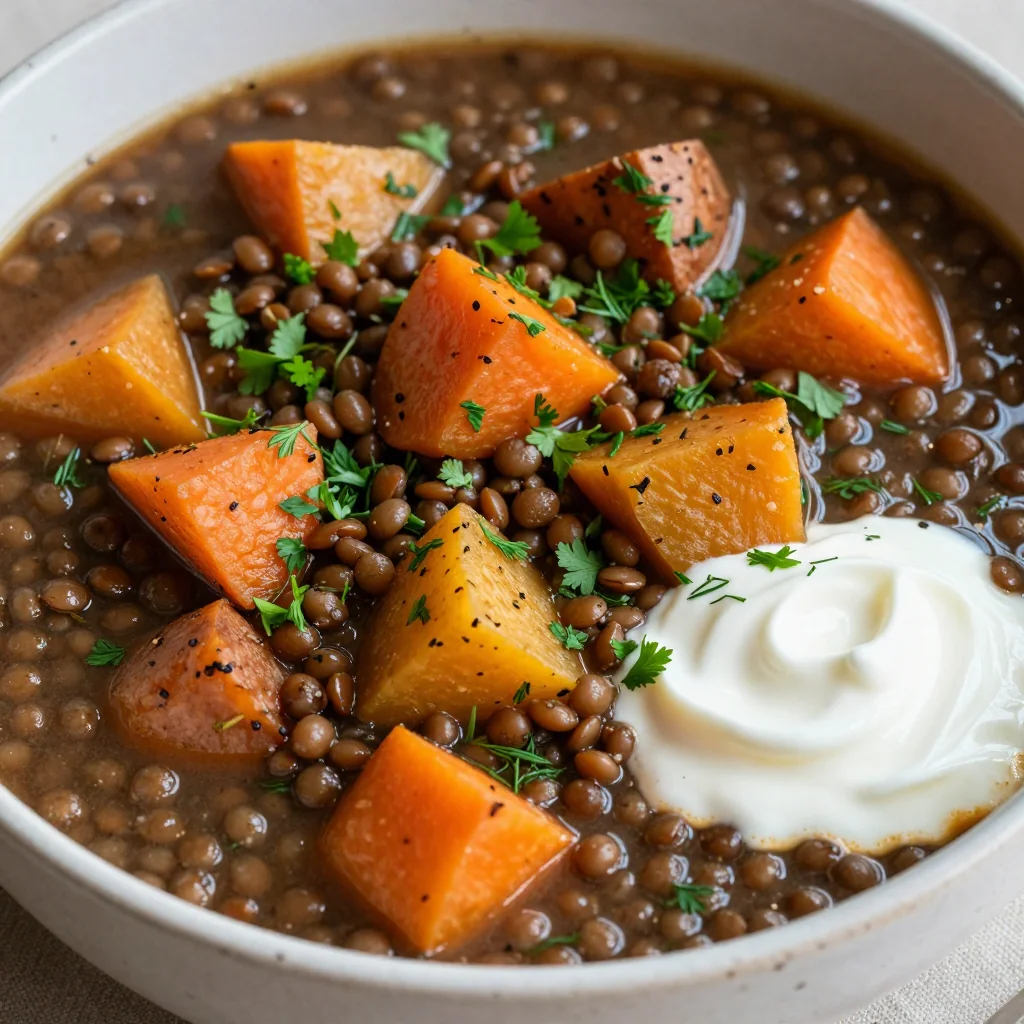
Love this? Pin it for later! 📌
There's something magical about opening the refrigerator on a hectic Wednesday evening and discovering a mason jar of this soul-warming lentil and root vegetable stew waiting patiently for you. The first time I made this recipe, I was knee-deep in what I call "life chaos season"—balancing a demanding consulting job, evening graduate classes, and trying to maintain some semblance of a social life. My grocery budget was tight, my schedule tighter, and my body was begging for something nourishing that didn't require nightly cooking marathons.
That's when this humble stew became my culinary lifeline. I remember chopping the vegetables while listening to a conference call, the earthy scent of fresh thyme and rosemary already beginning to transform my tiny kitchen into what felt like a countryside cottage. By Sunday evening, I had six generously portioned containers that carried me through the week with grace. Each spoonful felt like a small act of self-care—hearty French green lentils providing sustained energy, vibrant root vegetables offering comfort, and a confetti of fresh herbs reminding me that even in the busiest seasons, we can choose nourishment over mere convenience.
What makes this recipe truly special is its remarkable ability to improve with each passing day. The flavors meld and deepen, creating a complexity that belies its simple preparation. Whether you're meal-prepping for a demanding workweek, feeding a family on a budget, or simply seeking a reliable plant-based protein source that feels genuinely satisfying, this stew delivers on every promise. It's become my most-requested recipe among friends, the dish I prepare for new parents, grieving families, and anyone navigating life's transitions who could use a little edible comfort.
Why This Recipe Works
- Batch Cooking Champion: Makes 8 generous portions that freeze beautifully, saving you from cooking fatigue during busy weeks
- Nutritional Powerhouse: Each serving delivers 18g of plant-based protein, 12g of fiber, and a rainbow of vitamins from seven different vegetables
- Budget-Friendly Brilliance: Costs approximately $1.25 per serving using pantry staples and seasonal produce, proving healthy eating doesn't require wealth
- One-Pot Wonder: Minimal cleanup required—everything simmers together in a single Dutch oven, developing rich, layered flavors
- Customizable Canvas: Adaptable to whatever vegetables are languishing in your crisper drawer, reducing food waste while maximizing nutrition
- Time-Release Energy: Complex carbohydrates from lentils and root vegetables provide sustained energy without the crash associated with simple carbs
- Herbal Medicine: Fresh thyme and rosemary offer antimicrobial properties while enhancing cognitive function and reducing inflammation
- Comfort Food Without Compromise: Achieves that soul-satisfying richness typically associated with meat-based stews, entirely plant-based
Ingredients You'll Need
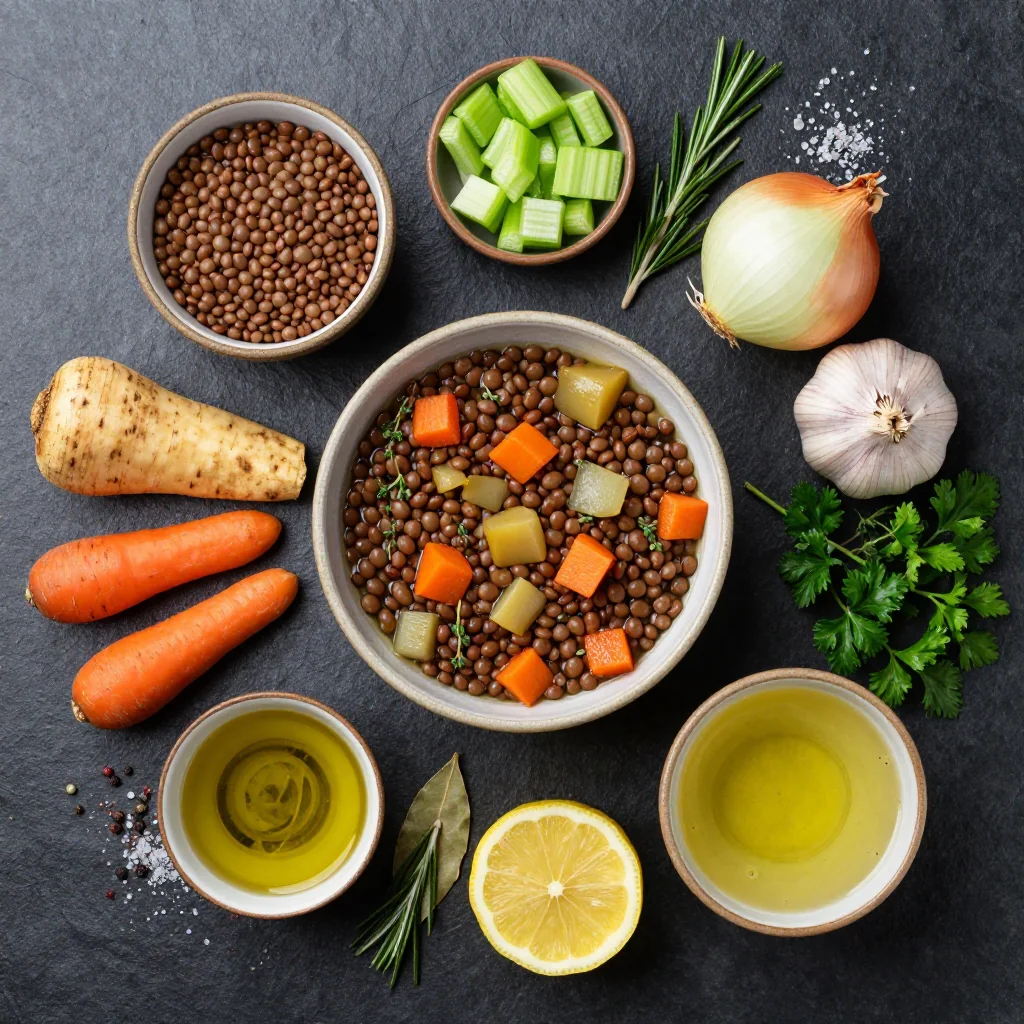
The beauty of this stew lies in its humble ingredients, each chosen for maximum flavor, nutrition, and affordability. I always start with French green lentils (also called Puy lentils) because they hold their shape beautifully during long simmering, unlike red or yellow lentils that dissolve into mush. Their slightly peppery flavor adds depth that brown lentils simply can't match. If you can't find French green lentils, black beluga lentils make an excellent substitute, though they're typically pricier.
For the root vegetables, I encourage you to embrace what's fresh and affordable. Carrots and parsnips create a natural sweetness that balances the earthy lentils, while celeriac (celery root) adds a subtle celery flavor with a creamy texture when cooked. Don't skip the celeriac—it's often overlooked, but its unique flavor profile transforms this from good stew to restaurant-worthy. If unavailable, substitute with an equal amount of celery stalks plus a small potato for creaminess.
The onion, leek, and garlic trinity forms the aromatic foundation. I prefer leeks over onions for their delicate, almost buttery flavor when slow-cooked. When selecting leeks, look for firm, white bases with vibrant green tops—avoid any with yellowing or slimy spots. The tomato paste provides umami depth and helps create that rich, mahogany color we associate with long-simmered stews.
Fresh herbs make this recipe sing. Thyme and rosemary are non-negotiable for me—they're hardy enough to withstand long cooking while releasing essential oils that perfume the entire stew. I grow both in small pots on my kitchen windowsill, making this recipe incredibly affordable year-round. The bay leaves add subtle complexity; always remove them before serving as they can be a choking hazard.
For the liquid, I use a combination of vegetable broth and water to control salt levels. Many store-bought broths are sodium bombs that overwhelm the delicate vegetable flavors. Taste your broth first—if it's particularly strong, dilute with water. The balsamic vinegar added at the end brightens all the flavors and adds a subtle sweetness that makes people ask, "What's your secret ingredient?"
How to Make Batch Cook Lentil and Root Vegetable Stew with Fresh Herbs for Healthy Dinners
Prep Your Mise en Place
Begin by washing all your vegetables thoroughly—root vegetables often harbor hidden soil in crevices. Peel the celeriac using a sharp knife, removing all the knobby brown exterior to reveal the creamy white flesh. Dice it into ½-inch pieces immediately, placing them in a bowl of water with a squeeze of lemon juice to prevent browning. Peel and dice carrots and parsnips into similar-sized pieces for even cooking. For the leeks, slice them lengthwise, fan out the layers under running water to remove grit, then chop into half-moons. Mince the garlic and strip the thyme leaves from their woody stems. Having everything prepped before you start cooking ensures a stress-free process.
Sauté the Aromatics
Heat 3 tablespoons of olive oil in a large Dutch oven over medium heat until shimmering but not smoking. Add the chopped leeks and cook, stirring occasionally, for 5-6 minutes until they begin to soften and turn translucent. Add the minced garlic and cook for another minute until fragrant—be careful not to let it brown as bitter flavors will develop. This gentle sautéing process, called "sweating," releases the vegetables' natural sugars and creates the flavor foundation for your entire stew. The key is patience—don't rush this step by cranking the heat. Low and slow develops the deepest flavors.
Build the Flavor Base
Push the leeks and garlic to the edges of the pot, creating a clear space in the center. Add the tomato paste directly to this hot surface and let it cook, undisturbed, for 2-3 minutes. This technique, called "blooming," caramelizes the tomato paste, transforming its flavor from raw and acidic to rich and complex. You'll know it's ready when the paste darkens to a deep brick red and starts to smell slightly sweet. Stir everything together, coating the aromatics with the caramelized tomato paste. This step is crucial for developing that restaurant-quality depth of flavor.
Add the Vegetables and Lentils
Drain the celeriac and add it to the pot along with the diced carrots, parsnips, and rinsed lentils. Stir everything together for 2 minutes, ensuring each piece is coated with the flavorful oil and tomato paste mixture. This coating helps the vegetables caramelize slightly and prevents the lentils from clumping together. Add the fresh thyme, rosemary, and bay leaves at this stage—the heat will immediately release their essential oils, perfuming your kitchen with the scent of a French countryside.
Deglaze and Add Liquid
Pour in the vegetable broth and water, stirring well to dissolve any caramelized bits stuck to the bottom of the pot—these fond bits are flavor gold. The liquid should cover the vegetables by about 1 inch; add more water if needed. Bring the mixture to a gentle boil, then immediately reduce the heat to low. You want the gentlest simmer possible—just occasional bubbles breaking the surface. This slow cooking allows the flavors to meld while preventing the lentils from breaking apart. Cover the pot, leaving a small gap for steam to escape.
The Long Simmer
Let the stew simmer gently for 45-60 minutes, stirring occasionally to prevent sticking. After 30 minutes, check the lentils for doneness—they should be tender but still hold their shape. The vegetables should be soft enough to pierce easily with a fork but not falling apart. If the stew becomes too thick (which I often prefer), add hot water ½ cup at a time until you reach your desired consistency. Some days I want it soupier, other days I crave that thick, porridge-like texture that sticks to your spoon. Trust your instincts—this recipe is forgiving.
Season and Brighten
Remove the pot from heat and fish out the bay leaves. Add the balsamic vinegar and stir well—it will seem too tangy at first, but this brightness balances the earthy flavors beautifully. Season generously with salt and freshly ground black pepper. Start with 1 teaspoon of salt and work up from there, tasting as you go. The stew should sing with flavor—if it tastes flat, it needs more salt. If it tastes dull, add another splash of vinegar. If it tastes too sharp, a pinch of sugar will round things out.
Rest and Serve
Here's the hardest part—let the stew rest for at least 15 minutes before serving. This cooling period allows the starches to settle and the flavors to meld into something greater than the sum of their parts. During this time, chop your fresh herbs for garnish. Ladle into bowls and shower with chopped parsley or chives. A drizzle of good olive oil and a crack of black pepper transforms humble ingredients into something restaurant-worthy. Serve with crusty bread for sopping up every last drop.
Portion for Batch Cooking
Once cooled completely, divide the stew into portion-sized containers. I prefer glass mason jars for their versatility—they can go from freezer to microwave to table. Fill each container leaving 1 inch of headspace for expansion if freezing. This recipe yields approximately 8 generous 1½-cup servings. Label each container with the date and contents. The stew will keep for 5 days refrigerated or 3 months frozen. Pro tip: freeze some in individual portions for quick lunches and others in family-sized portions for easy weeknight dinners.
Expert Tips
Salt Timing Matters
Wait until the end to add salt. As the stew reduces, flavors concentrate, and early salting can lead to an oversalted final product.
Temperature Control
Keep the simmer gentle. Boiling vigorously will break the lentils apart and create a muddy texture. Think "lazy bubbles."
Make-Ahead Magic
This stew tastes even better the next day as flavors meld. Make it on Sunday for peak flavor by Tuesday or Wednesday.
Texture Tweak
For a creamier texture without dairy, remove 1 cup of cooked stew, blend until smooth, and stir back into the pot.
Freezer Success
Freeze in silicone muffin trays for individual portions. Once solid, transfer to freezer bags—perfect single servings!
Revive Leftovers
When reheating, add a splash of water or broth. The stew thickens considerably as it sits due to the lentils absorbing liquid.
Variations to Try
Mediterranean Sunshine
Add a can of chopped tomatoes, substitute oregano for thyme, and stir in chopped kalamata olives and fresh spinach at the end. Finish with a squeeze of lemon and crumbled feta on top.
- Add: 1 can tomatoes, ½ cup olives, 2 cups spinach
- Remove: Thyme, rosemary
Smoky Spanish Style
Add smoked paprika and diced red bell pepper. Substitute white beans for half the lentils. Garnish with fresh parsley and a drizzle of sherry vinegar.
- Add: 2 tsp smoked paprika, 1 red bell pepper
- Change: Half lentils, half white beans
Autumn Harvest
Substitute half the carrots with diced butternut squash. Add fresh sage and a cinnamon stick. Stir in roasted chestnuts at the end for special occasions.
- Add: 2 cups squash, sage, cinnamon stick
- Remove: Half the carrots
Protein Power-Up
Add a Parmesan rind during simmering for umami depth. Stir in cooked quinoa at the end for extra protein. Top with toasted pumpkin seeds for crunch.
- Add: Parmesan rind, 1 cup quinoa, pumpkin seeds
- Nothing to remove!
Storage Tips
Refrigerator Storage
Store cooled stew in airtight containers for up to 5 days. Glass containers are ideal as they don't absorb odors or stain. The stew will thicken considerably as it cools—this is normal and actually improves the texture. When reheating, add water or broth to achieve desired consistency.
Pro tip: Store portions in individual containers for grab-and-go lunches. The stew reheats beautifully in the microwave—just cover loosely to prevent splattering.
Freezer Instructions
This stew freezes exceptionally well for up to 3 months. Cool completely before freezing to prevent ice crystal formation. For best results, freeze in portion-sized containers or freezer bags laid flat to save space. Always leave 1 inch of headspace in containers as liquids expand when frozen.
Quick Thaw Method
Place frozen container in refrigerator overnight. For same-day use, submerge sealed container in cold water, changing water every 30 minutes.
Emergency Reheat
Microwave from frozen at 50% power for 5-7 minutes, stirring halfway through. Add liquid as needed to achieve desired consistency.
Make-Ahead Strategy
Double the recipe and freeze half for future busy weeks. The stew actually improves after 24-48 hours as flavors meld. Consider freezing some in ice cube trays for quick flavor boosters—add a cube to vegetable soups or sauces for instant depth.
Batch cooking bonus: Save vegetable scraps (onion skins, carrot tops, celery leaves) in a freezer bag. When full, simmer with water for 30 minutes to make homemade broth for your next batch.
Frequently Asked Questions
While French green lentils are ideal for maintaining texture, you can substitute with black beluga lentils for a similar result. Avoid red or yellow lentils—they'll dissolve and create a porridge-like consistency. Brown lentils work but tend to get mushy. If using brown lentils, reduce cooking time by 15 minutes and check frequently.
Under-seasoning is the usual culprit. Add more salt gradually, tasting after each addition. Also ensure you're using fresh herbs—dried won't provide the same brightness. A splash more balsamic vinegar or a squeeze of lemon can also wake up the flavors. Remember, salt enhances existing flavors; it doesn't create them.
Absolutely! Sauté the aromatics and bloom the tomato paste on the stovetop first for best flavor. Transfer everything to your slow cooker and cook on LOW for 6-7 hours or HIGH for 3-4 hours. Add the balsamic vinegar at the end. The texture will be slightly softer than stovetop version but equally delicious.
Besides the 18g from lentils, add a can of white beans or chickpeas during the last 15 minutes of cooking. You can also serve topped with a poached egg or alongside quinoa. For non-vegetarian versions, adding a Parmesan rind during simmering provides both protein and incredible umami depth.
Substitute with an equal amount of celery stalks plus a small potato for creaminess. You can also use fennel bulb for a different but equally delicious flavor profile. In a pinch, add 1 teaspoon of celery seed along with extra carrots, though the texture won't be quite the same.
Yes, this stew is excellent for pressure canning! Process pint jars for 75 minutes or quart jars for 90 minutes at 10 pounds pressure (adjust for altitude). Leave out the balsamic vinegar and add it when serving. The canning process will soften the vegetables more than fresh cooking, but the convenience is worth it.
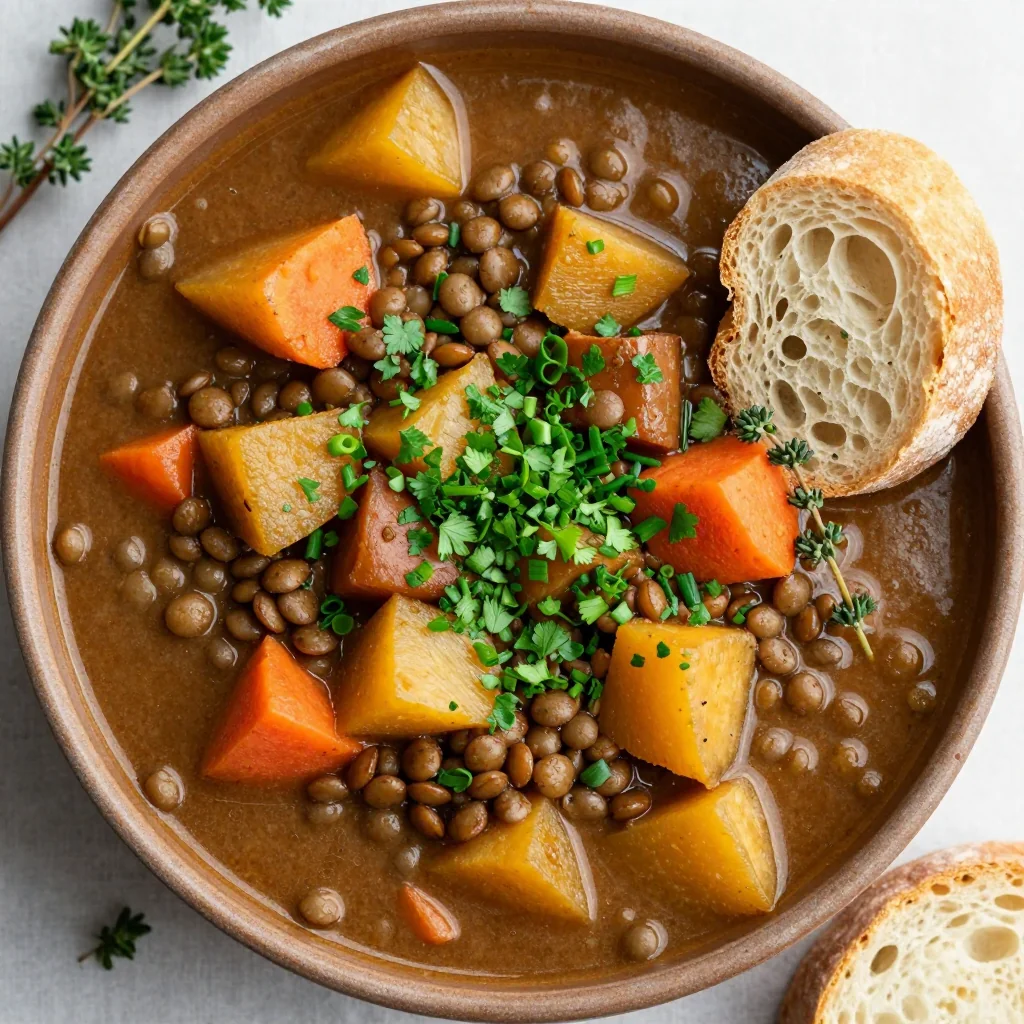
Batch Cook Lentil and Root Vegetable Stew with Fresh Herbs for Healthy Dinners
Ingredients
Instructions
- Prep vegetables: Wash, peel, and dice all vegetables into ½-inch pieces. Place celeriac in water with lemon juice to prevent browning.
- Sauté aromatics: Heat olive oil in Dutch oven over medium heat. Cook leeks 5-6 minutes until softened. Add garlic, cook 1 minute.
- Bloom tomato paste: Push vegetables to edges, add tomato paste to center. Cook 2-3 minutes until darkened, then stir together.
- Add vegetables and lentils: Drain celeriac and add with carrots, parsnips, and lentils. Stir to coat with oil mixture.
- Add liquid and herbs: Pour in broth and water. Add thyme, rosemary, and bay leaves. Bring to gentle boil.
- Simmer: Reduce heat to low, cover partially, simmer 45-60 minutes until lentils are tender but hold shape.
- Finish and season: Remove bay leaves, add balsamic vinegar, salt and pepper to taste. Let rest 15 minutes before serving.
- Portion and store: Cool completely, divide into containers. Refrigerate 5 days or freeze 3 months.
Recipe Notes
The stew thickens considerably as it cools. Add water or broth when reheating to achieve desired consistency. For extra protein, add a can of white beans during the last 15 minutes of cooking.