
Beef And Vegetable Skillet
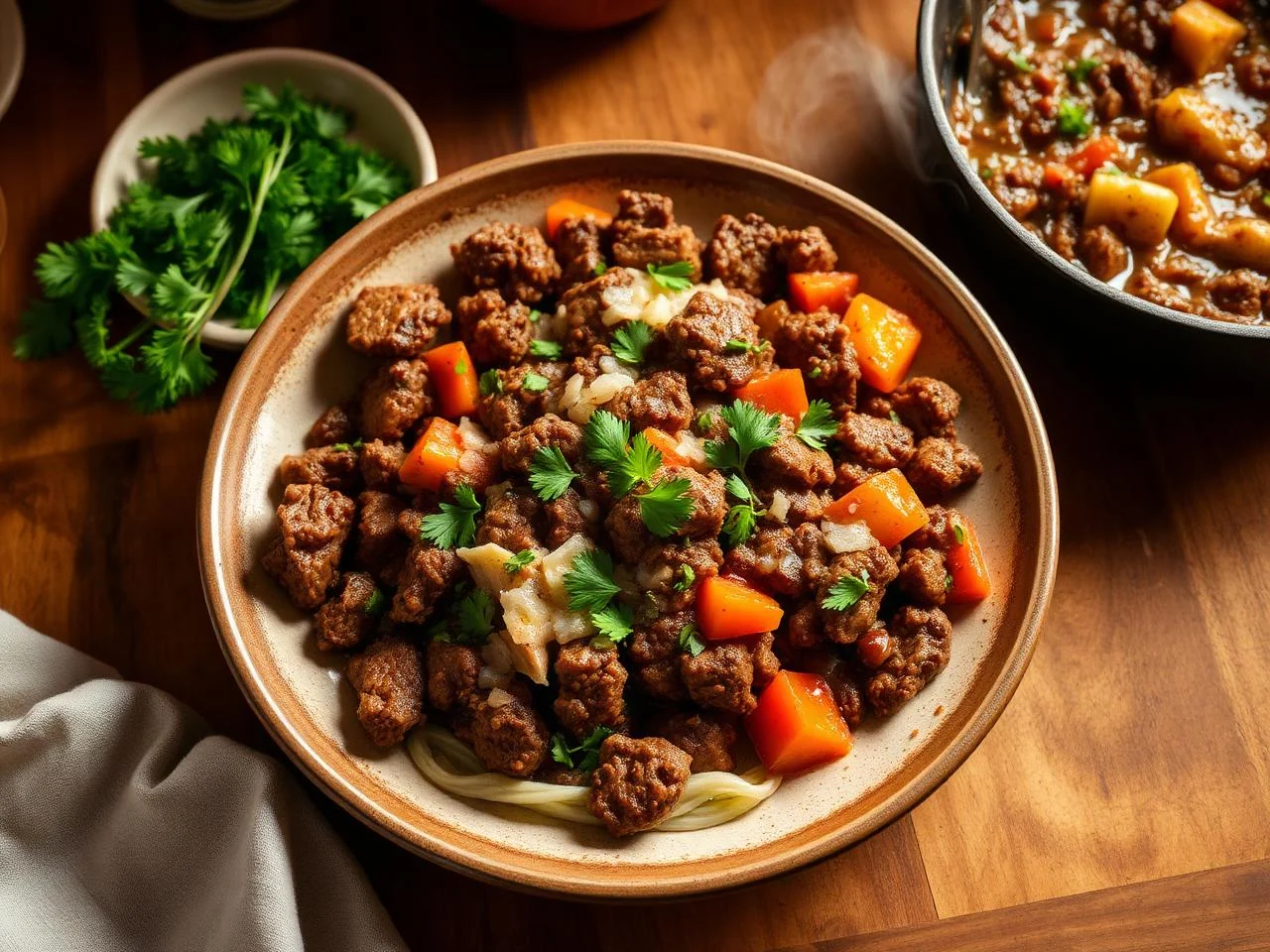
There's something special about a warm, comforting skillet dinner that just feels like home. For me, it's the smell of sizzling ground beef and sautéed vegetables that instantly transports me back to my childhood. Today, I want to share with you one of my favorite recipes for a Beef And Vegetable Skillet that's easy to make, budget-friendly, and perfect for a busy weeknight.
This recipe is all about layers of flavor, from the rich browned beef to the tender, slightly caramelized vegetables, all tied together with a savory tomato-based sauce. It's a dish that's both familiar and exciting, with a depth of flavor that will leave you wanting more.
I love making this skillet dinner because it's incredibly versatile - you can use your favorite vegetables, and it's a great way to use up any leftovers you might have on hand. Plus, it's ready in under an hour, making it the perfect solution for a quick and satisfying meal.
In this recipe, we'll be using ground beef as the main protein, which is not only affordable but also easy to cook with. We'll be browning it to perfection, then adding in a mix of colorful vegetables, including bell peppers, onions, and carrots, along with some canned tomatoes and beef broth to create a rich, velvety sauce.
Whether you're a busy parent looking for a weeknight dinner solution or just a comfort food lover like me, this Beef And Vegetable Skillet is sure to become a new favorite. So let's get started, and I'll walk you through every step of the way!
Why You’ll Love This Recipe
- This recipe is incredibly easy to make and requires minimal preparation time.
- It's a budget-friendly option that's perfect for a weeknight dinner.
- The dish is highly customizable, allowing you to use your favorite vegetables and adjust the seasoning to taste.
- It's a comforting, satisfying meal that's sure to become a family favorite.
- The recipe makes great leftovers and can be easily reheated for a quick lunch or dinner the next day.
Why This Recipe Works
The key to this recipe is in the layering of flavors. By browning the beef first, we create a rich, savory base that sets the tone for the rest of the dish. Then, by sautéing the vegetables in the same pan, we're able to capture all those delicious browned bits and infuse them into the sauce.
Another important aspect is the use of a combination of beef broth and canned tomatoes to create the sauce. This not only adds moisture and flavor but also helps to balance out the acidity from the tomatoes, resulting in a smooth, velvety texture that coats the beef and vegetables perfectly.
Finally, it's all about the resting time. By letting the skillet rest for a few minutes before serving, we allow all the flavors to meld together and the sauce to thicken slightly, which makes all the difference in the world.
Ingredients You’ll Need
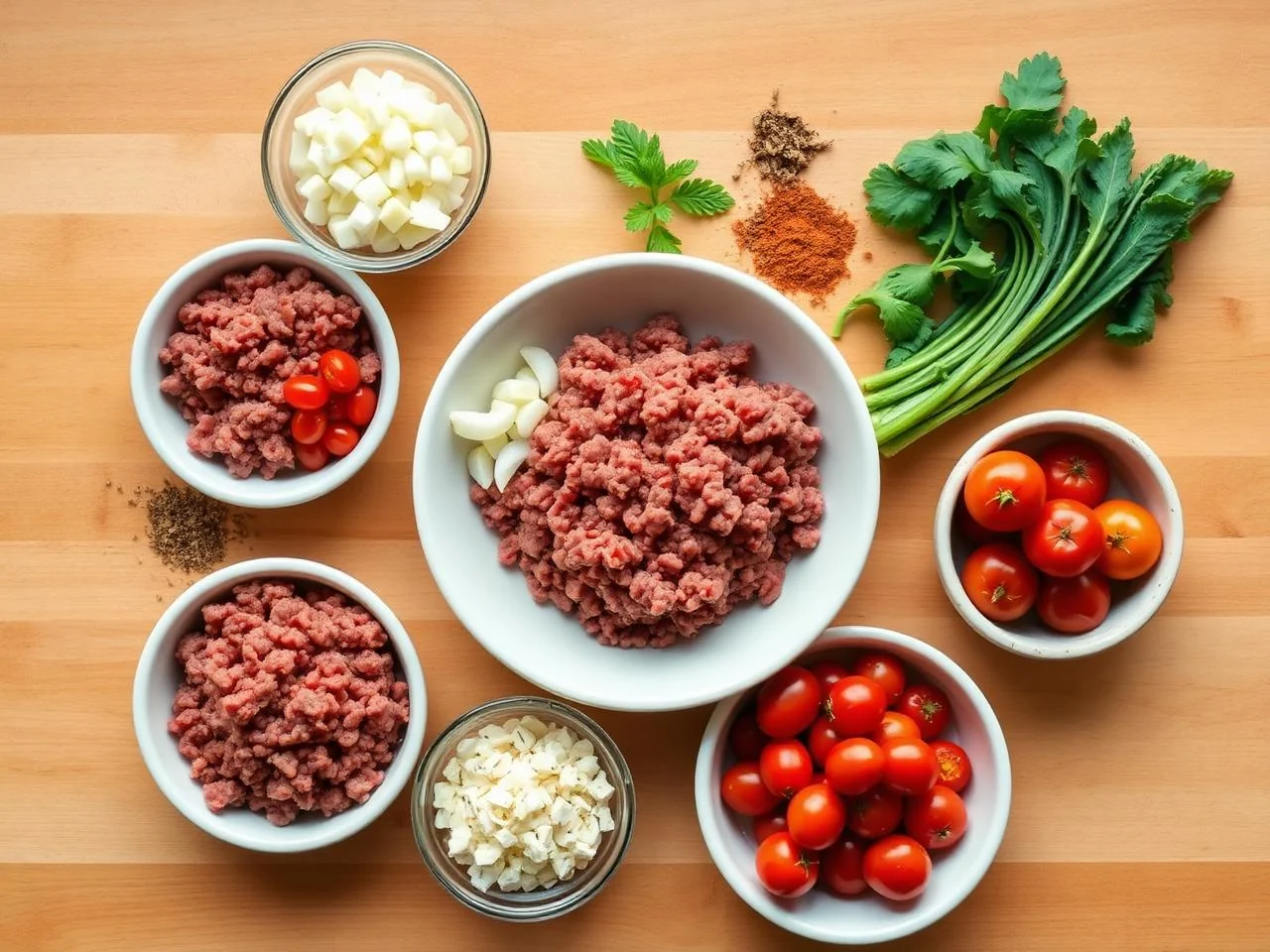
For this recipe, we'll be using a combination of ground beef, vegetables, and canned goods to create a rich, flavorful sauce. When shopping for the ingredients, be sure to choose fresh, high-quality produce, and don't hesitate to substitute your favorite vegetables if you prefer.
One of the best things about this recipe is that it's incredibly versatile, so feel free to get creative and make it your own!
- 1 lb (450g) ground beefChoose a high-quality ground beef with a fat content of around 20% for the best flavor and texture. You can also use leaner ground beef if you prefer, but keep in mind that it may be slightly drier.
- 2 medium onions, dicedOnions add a sweet, caramelized flavor to the dish, so be sure to cook them until they're tender and lightly browned. You can also use shallots or scallions if you prefer a slightly different flavor.
- 3 cloves garlic, mincedGarlic is a fundamental flavor component in this recipe, so don't be shy with the amount. You can also use roasted garlic for a deeper, nuttier flavor if you prefer.
- 2 medium bell peppers, dicedBell peppers add a crunchy texture and a pop of color to the dish. You can use any color bell pepper you like, but red or yellow will add a slightly sweeter flavor.
- 2 medium carrots, peeled and gratedCarrots add a sweet, earthy flavor to the dish and a nice texture contrast. You can also use other root vegetables like parsnips or beets if you prefer.
- 1 can (14.5 oz) diced tomatoesCanned tomatoes are a convenient and flavorful addition to the sauce. Look for a brand that's low in sodium and has no added sugar.
- 1 cup beef brothBeef broth adds moisture and flavor to the sauce, so be sure to use a high-quality broth that's low in sodium. You can also use homemade broth if you have it on hand.
- 1 tsp dried oreganoOregano adds a pungent, earthy flavor to the dish that complements the beef and vegetables perfectly. You can also use fresh oregano if you prefer a slightly different flavor.
- 1 tsp dried basilBasil adds a bright, herbaceous flavor to the dish that balances out the richness of the beef and sauce. You can also use other herbs like thyme or rosemary if you prefer.
- 1/2 tsp saltSalt enhances the flavors of the dish and helps to bring out the natural sweetness of the vegetables. Use a high-quality salt that's low in additives and has a nice texture.
- 1/4 tsp black pepperBlack pepper adds a nice depth and warmth to the dish, so don't be shy with the amount. You can also use other types of pepper like white or green pepper if you prefer a slightly different flavor.
- 2 tbsp olive oilOlive oil is used to cook the beef and vegetables, so choose a high-quality oil that's rich in flavor and has a nice texture. You can also use other oils like avocado or grapeseed if you prefer.
Equipment You’ll Need
How to Make Beef And Vegetable Skillet
- 1Heat 1 tablespoon of olive oil in a large heavy skillet over medium-high heat until it shimmers and slightly smokes, then add the ground beef and cook, breaking it up with a spoon, until it's browned and cooked through, about 5-7 minutes.
- 2Remove the browned beef from the skillet with a slotted spoon and transfer it to a plate, leaving the drippings behind. Reduce the heat to medium and add the remaining 1 tablespoon of olive oil to the skillet.
- 3Add the diced onions to the skillet and cook, stirring occasionally, until they're tender and lightly browned, about 8-10 minutes. Add the minced garlic and cook for an additional 1-2 minutes, stirring constantly to prevent burning.
- 4Add the diced bell peppers and grated carrots to the skillet and cook, stirring occasionally, until they're tender and lightly browned, about 5-7 minutes.
- 5Add the canned diced tomatoes, beef broth, dried oregano, dried basil, salt, and black pepper to the skillet. Stir to combine, then add the browned beef back to the skillet and bring the mixture to a simmer.
- 6Reduce the heat to low and let the skillet simmer, stirring occasionally, until the sauce has thickened and the flavors have melded together, about 10-15 minutes.
- 7Use an instant-read thermometer to check the internal temperature of the beef, which should be at least 160°F for medium doneness.
- 8Remove the skillet from the heat and let it rest for 5-10 minutes before serving, which allows the flavors to meld together and the sauce to thicken slightly.
- 9Serve the beef and vegetable skillet hot, garnished with chopped fresh herbs or a sprinkle of grated cheese if desired.
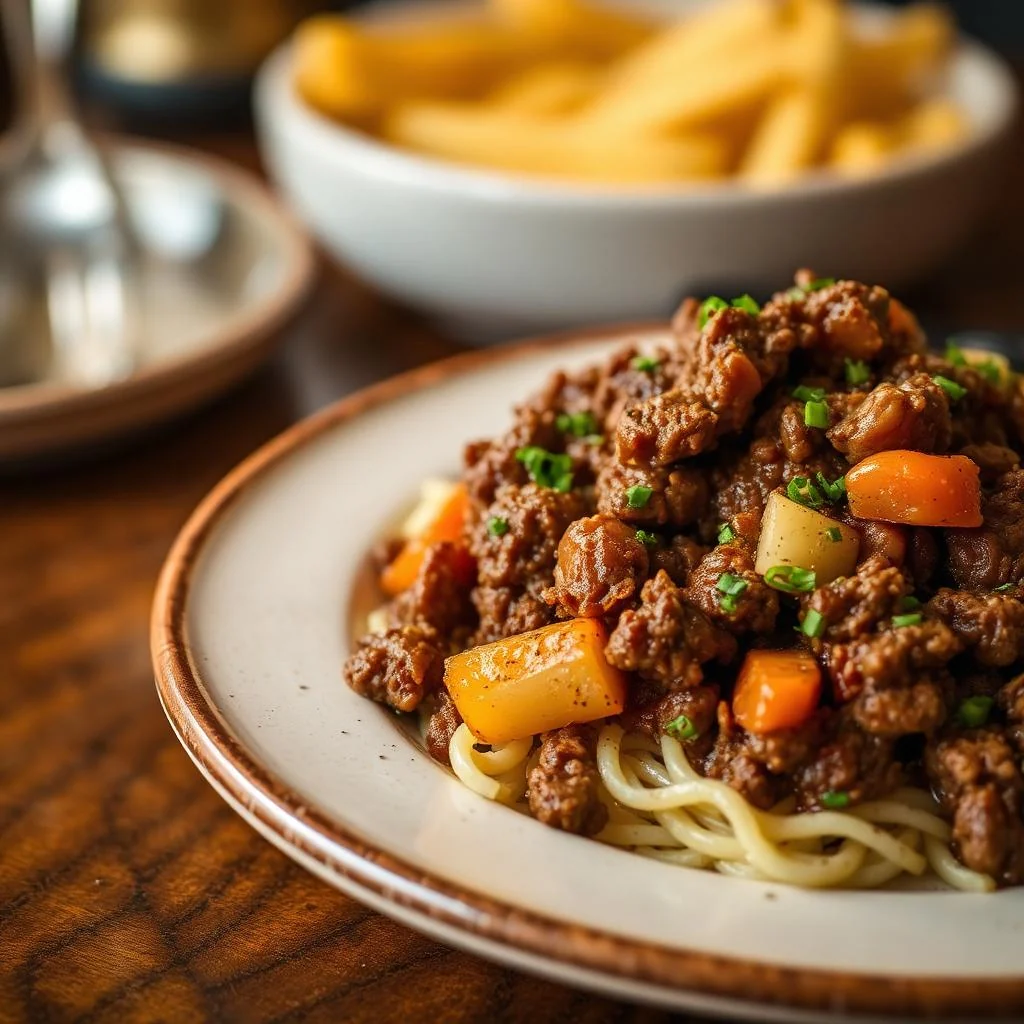
- 10Consider serving the skillet with a side of crusty bread or over mashed potatoes or egg noodles to soak up the rich, flavorful sauce.
- 11Leftovers can be stored in an airtight container in the refrigerator for up to 3 days or frozen for up to 2 months. Reheat the skillet over low heat, stirring occasionally, until the sauce is warmed through and the beef is heated to an internal temperature of at least 160°F.
Expert Tips
- To ensure the beef is browned evenly, break it up into small pieces as it cooks and stir constantly to prevent burning.
- If using lean ground beef, be sure to cook it until it's just done, as overcooking can make it dry and tough.
- To add extra flavor to the dish, use homemade beef broth or stock instead of store-bought.
- Consider adding other vegetables like mushrooms, zucchini, or green beans to the skillet for added flavor and nutrition.
- For a spicy kick, add a diced jalapeño or serrano pepper to the skillet with the onions and garlic.
- To make the dish more substantial, serve it over mashed potatoes, egg noodles, or with a side of crusty bread.
- Experiment with different types of cheese, such as cheddar, Parmesan, or feta, for a unique flavor profile.
- For a vegetarian version, substitute the ground beef with cooked lentils, chickpeas, or roasted vegetables.
Common Mistakes to Avoid
- Not browning the beef properly, which can result in a lack of flavor and texture.
- Overcooking the vegetables, which can make them mushy and unappetizing.
- Not seasoning the dish enough, which can result in a bland, unflavorful sauce.
- Not letting the skillet rest before serving, which can cause the sauce to be too thin and the flavors to be unbalanced.
- Using low-quality ingredients, such as canned goods with added salt and sugar, which can affect the overall flavor and nutrition of the dish.
- Not stirring the skillet occasionally, which can cause the sauce to stick to the bottom and the flavors to become uneven.
Variations and Substitutions
- Add some heat to the dish by incorporating diced jalapeños or serrano peppers.
- Use different types of protein, such as ground turkey, pork, or lamb, for a unique flavor profile.
- Incorporate other vegetables, such as mushrooms, zucchini, or green beans, for added flavor and nutrition.
- Use homemade beef broth or stock instead of store-bought for added depth of flavor.
- Add some cream or half-and-half to the sauce for a rich, creamy texture.
- Experiment with different types of cheese, such as cheddar, Parmesan, or feta, for a unique flavor profile.
- Serve the skillet over mashed potatoes, egg noodles, or with a side of crusty bread for a more substantial meal.
What to Serve With Beef And Vegetable Skillet
This Beef And Vegetable Skillet is a hearty, satisfying meal that's perfect for a weeknight dinner. Consider serving it with a side of crusty bread or over mashed potatoes or egg noodles to soak up the rich, flavorful sauce.
Some other ideas for serving the skillet include:
Make-Ahead, Storage, Freezing and Reheating
This recipe makes great leftovers and can be stored in an airtight container in the refrigerator for up to 3 days or frozen for up to 2 months.
To reheat the skillet, simply place it over low heat, stirring occasionally, until the sauce is warmed through and the beef is heated to an internal temperature of at least 160°F.
Some tips for storing and reheating the skillet include:
Letting it cool completely before refrigerating or freezing to prevent bacterial growth and foodborne illness.
Using airtight containers or freezer-safe bags to prevent moisture and other flavors from affecting the dish.
Labeling and dating the containers or bags so you can easily keep track of how long they've been stored.
Frequently Asked Questions
What type of ground beef is best for this recipe?
A high-quality ground beef with a fat content of around 20% is best for this recipe, as it will provide the best flavor and texture. You can also use leaner ground beef if you prefer, but keep in mind that it may be slightly drier.
Can I use other types of protein in this recipe?
Yes, you can use other types of protein, such as ground turkey, pork, or lamb, for a unique flavor profile. Just be sure to adjust the cooking time and temperature as needed to ensure the protein is cooked through.
How do I prevent the sauce from becoming too thin?
To prevent the sauce from becoming too thin, be sure to simmer it over low heat, stirring occasionally, until it has thickened to your liking. You can also add a little cornstarch or flour to the sauce to help thicken it if needed.
Can I make this recipe ahead of time?
Yes, you can make this recipe ahead of time and store it in the refrigerator or freezer for later use. Simply reheat it over low heat, stirring occasionally, until the sauce is warmed through and the beef is heated to an internal temperature of at least 160°F.
What are some good sides to serve with this recipe?
Some good sides to serve with this recipe include crusty bread, mashed potatoes, egg noodles, or a green salad. You can also experiment with different types of cheese, such as cheddar, Parmesan, or feta, for a unique flavor profile.
Can I add other vegetables to this recipe?
Yes, you can add other vegetables to this recipe, such as mushrooms, zucchini, or green beans, for added flavor and nutrition. Just be sure to adjust the cooking time and temperature as needed to ensure the vegetables are tender and cooked through.
How do I reheat this recipe without drying it out?
To reheat this recipe without drying it out, be sure to place it over low heat, stirring occasionally, until the sauce is warmed through and the beef is heated to an internal temperature of at least 160°F. You can also add a little water or beef broth to the sauce if it becomes too thick during reheating.
Can I freeze this recipe?
Yes, you can freeze this recipe for up to 2 months. Simply place it in an airtight container or freezer-safe bag, label and date it, and store it in the freezer. To reheat, simply thaw it overnight in the refrigerator, then reheat it over low heat, stirring occasionally, until the sauce is warmed through and the beef is heated to an internal temperature of at least 160°F.
Ingredients
- 1 lb (450g) ground beef
- 2 medium onions, diced
- 3 cloves garlic, minced
- 2 medium bell peppers, diced
- 2 medium carrots, peeled and grated
- 1 can (14.5 oz) diced tomatoes
- 1 cup beef broth
- 1 tsp dried oregano
- 1 tsp dried basil
- 1/2 tsp salt
- 1/4 tsp black pepper
- 2 tbsp olive oil
Instructions
- Heat 1 tablespoon of olive oil in a large heavy skillet over medium-high heat until it shimmers and slightly smokes, then add the ground beef and cook, breaking it up with a spoon, until it's browned and cooked through, about 5-7 minutes.
- Remove the browned beef from the skillet with a slotted spoon and transfer it to a plate, leaving the drippings behind. Reduce the heat to medium and add the remaining 1 tablespoon of olive oil to the skillet.
- Add the diced onions to the skillet and cook, stirring occasionally, until they're tender and lightly browned, about 8-10 minutes. Add the minced garlic and cook for an additional 1-2 minutes, stirring constantly to prevent burning.
- Add the diced bell peppers and grated carrots to the skillet and cook, stirring occasionally, until they're tender and lightly browned, about 5-7 minutes.
- Add the canned diced tomatoes, beef broth, dried oregano, dried basil, salt, and black pepper to the skillet. Stir to combine, then add the browned beef back to the skillet and bring the mixture to a simmer.
- Reduce the heat to low and let the skillet simmer, stirring occasionally, until the sauce has thickened and the flavors have melded together, about 10-15 minutes.
- Use an instant-read thermometer to check the internal temperature of the beef, which should be at least 160°F for medium doneness.
- Remove the skillet from the heat and let it rest for 5-10 minutes before serving, which allows the flavors to meld together and the sauce to thicken slightly.
- Serve the beef and vegetable skillet hot, garnished with chopped fresh herbs or a sprinkle of grated cheese if desired.
- Consider serving the skillet with a side of crusty bread or over mashed potatoes or egg noodles to soak up the rich, flavorful sauce.
- Leftovers can be stored in an airtight container in the refrigerator for up to 3 days or frozen for up to 2 months. Reheat the skillet over low heat, stirring occasionally, until the sauce is warmed through and the beef is heated to an internal temperature of at least 160°F.