Okay, picture this: I was halfway through a frantic week of work deadlines, a half‑empty pantry, and a craving for something that could simultaneously make my kitchen smell like a summer garden and give my taste buds a high‑five. I grabbed a lemon, a handful of frozen blackberries, and the nearest box of cake mix, only to realize that my “quick fix” turned into a culinary disaster that left my oven smelling like burnt cardboard. That moment of panic turned into a daring promise to myself – I would create a dessert that could rescue any sad‑afternoon, a cake roll so bright, buttery, and bursting with fruit that even the most skeptical sweet‑tooth would bow down.
Fast forward a few frantic experiments, a couple of kitchen mishaps (yes, the batter once splattered the ceiling), and a lot of taste‑testing with friends who dared each other to finish the whole roll in one sitting. The result? A blackberry‑lemon cake roll that is hands down the best version you'll ever make at home. The lemon zest cuts through the sweetness like a cool breeze on a hot day, while the blackberries melt into a jammy center that clings to the sponge with the tenacity of a good secret. I dare you to taste this and not go back for seconds – the combination is that addictive.
Most recipes get this completely wrong. They either drown the cake in too much fruit, making the roll soggy, or they forget the citrus entirely, leaving you with a bland, overly sweet pastry. Here’s what actually works: a light, airy sponge that rolls without cracking, a lemon‑infused buttercream that stays glossy, and a blackberry compote that’s sweet, tart, and just the right amount of runny to coat but not soak. The secret? A tiny dash of baking powder in the dry mix that gives the cake a lift without the need for a fancy mixer, and a quick chill before rolling that makes the sponge pliable like fresh pasta.
But wait, there’s a twist you won’t see coming – a whisper of vanilla bean paste that adds depth to the lemon, and a pinch of sea salt that amplifies every flavor like a maestro conducting an orchestra. I’ll be honest — I ate half the batch before anyone else got to try it, and that was the best decision ever because it let me fine‑tune the balance before the final roll. Picture yourself pulling this out of the oven, the whole kitchen smelling incredible, the glossy lemon buttercream glistening under the light, and the blackberries peeking through like little jewels. Let me walk you through every single step — by the end, you'll wonder how you ever made it any other way.
What Makes This Version Stand Out
- Flavor Explosion: The bright citrus from fresh lemon zest pairs with the deep, slightly earthy sweetness of blackberries, creating a taste that dances on the palate like a summer waltz.
- Texture Harmony: A feather‑light sponge that rolls without cracking, a silky buttercream that stays creamy, and a jammy fruit center that provides just enough bite.
- Simplicity at Its Core: You only need a handful of pantry staples, no fancy equipment, and the steps are broken down so even a rookie can nail the roll on the first try.
- Unique Ingredient Pairing: The dash of vanilla bean paste is a secret weapon that elevates the lemon without overwhelming it, giving the dessert a sophisticated edge.
- Crowd‑Pleaser Factor: Guests rave, “Is this from a bakery?” and the roll disappears faster than you can say “second serving.”
- Ingredient Quality Matters: Using fresh, plump blackberries and organic lemons makes a measurable difference – the fruit’s natural oils shine through.
- Cooking Method Magic: A low‑heat bake and a quick chill before rolling keep the sponge supple, preventing the dreaded cracks that ruin most rolls.
- Make‑Ahead Potential: You can assemble the roll a day ahead, wrap it tightly, and it will taste even better as the flavors meld overnight.
Inside the Ingredient List
The Flavor Base
Lemon zest is the hero of this roll. Its aromatic oils infuse the buttercream, giving it a sunshine‑bright punch that cuts through the sweetness of the blackberries. If you skip the zest, you’ll end up with a bland, one‑dimensional flavor that feels like a plain sponge cake. For a twist, try using Meyer lemon zest for a sweeter, less acidic profile that still retains that citrus spark.
The Texture Crew
All‑purpose flour provides the structural backbone, while a modest amount of baking powder lifts the batter, creating that airy, roll‑friendly texture. Salt isn’t just a seasoning; it balances the sugar and accentuates the lemon’s brightness. If you’re gluten‑free, swap the flour for a 1:1 gluten‑free blend, but add a teaspoon of xanthan gum to keep the sponge from crumbling.
The Unexpected Star
Blackberries bring a burst of tartness and a beautiful ruby hue that makes the roll look as good as it tastes. Fresh berries yield the best texture, but frozen ones work in a pinch – just thaw and pat dry to avoid excess moisture. If you’re feeling adventurous, blend a handful of blackberries into the buttercream for a swirl effect that surprises the palate.
The Final Flourish
Vanilla bean paste, a tiny dollop, adds depth without drowning the lemon. It’s the subtle whisper that turns a good dessert into a great one. When buying vanilla, look for “pure” on the label; imitation extracts can introduce off‑flavors that clash with the fruit. A pinch of sea salt, added at the end of the buttercream, amplifies every nuance, making the flavors sing louder.
Everything's prepped? Good. Let's get into the real action...
The Method — Step by Step
Preheat your oven to 350°F (175°C) and line a full‑size jelly roll pan (about 10×15 inches) with parchment paper. The parchment should hang over the edges by a couple of inches – this makes the later roll‑up effortless. While the oven heats, whisk together the all‑purpose flour, baking powder, a pinch of salt, and the zest of one lemon in a large bowl. That sizzle when it hits the pan? Absolute perfection. The mixture should look uniform, with no white specks of flour.
In a separate bowl, beat together 4 large eggs, ¾ cup granulated sugar, and ¼ cup melted butter until the mixture turns a pale, airy yellow and triples in volume. This is the moment of truth – the batter should be thick enough to hold a spoon upright but still flow slowly. Fold the dry ingredients into the wet mixture using a rubber spatula, moving from the center outward to keep the air bubbles intact. Watch out: Over‑mixing will deflate the batter, leading to a dense cake that refuses to roll.
Spread the batter evenly across the prepared pan, using the back of a spoon to smooth it into a uniform layer about ¼ inch thick. Slide the pan into the preheated oven and bake for 12‑15 minutes, or until the top is a light golden hue and a toothpick inserted in the center comes out clean. As it bakes, the kitchen will fill with a citrusy aroma that promises the flavor explosion to come.
While the cake bakes, prepare the blackberry compote: combine 1½ cups fresh blackberries, ¼ cup sugar, 1 tablespoon lemon juice, and a pinch of salt in a saucepan over medium heat. Stir constantly until the berries break down, releasing their juices, and the mixture thickens to a jam‑like consistency (about 5‑7 minutes). Remove from heat and let it cool slightly – you want it warm but not hot when you spread it on the cake.
When the cake is done, immediately invert it onto a clean kitchen towel dusted with powdered sugar. Peel off the parchment carefully – the cake should release like a well‑trained dancer. While it’s still warm, roll the cake (with the towel still on) into a tight spiral and let it cool completely. This pre‑roll step is crucial; a warm roll sets the shape and prevents cracks later.
Now for the buttercream: beat ½ cup softened butter until creamy, then whisk in 1 cup powdered sugar, 1 tablespoon lemon juice, ½ teaspoon vanilla bean paste, and a pinch of sea salt. Keep beating until the frosting is light, fluffy, and glossy – it should hold soft peaks. If the frosting feels too thick, add a splash of milk; if too runny, add a touch more powdered sugar.
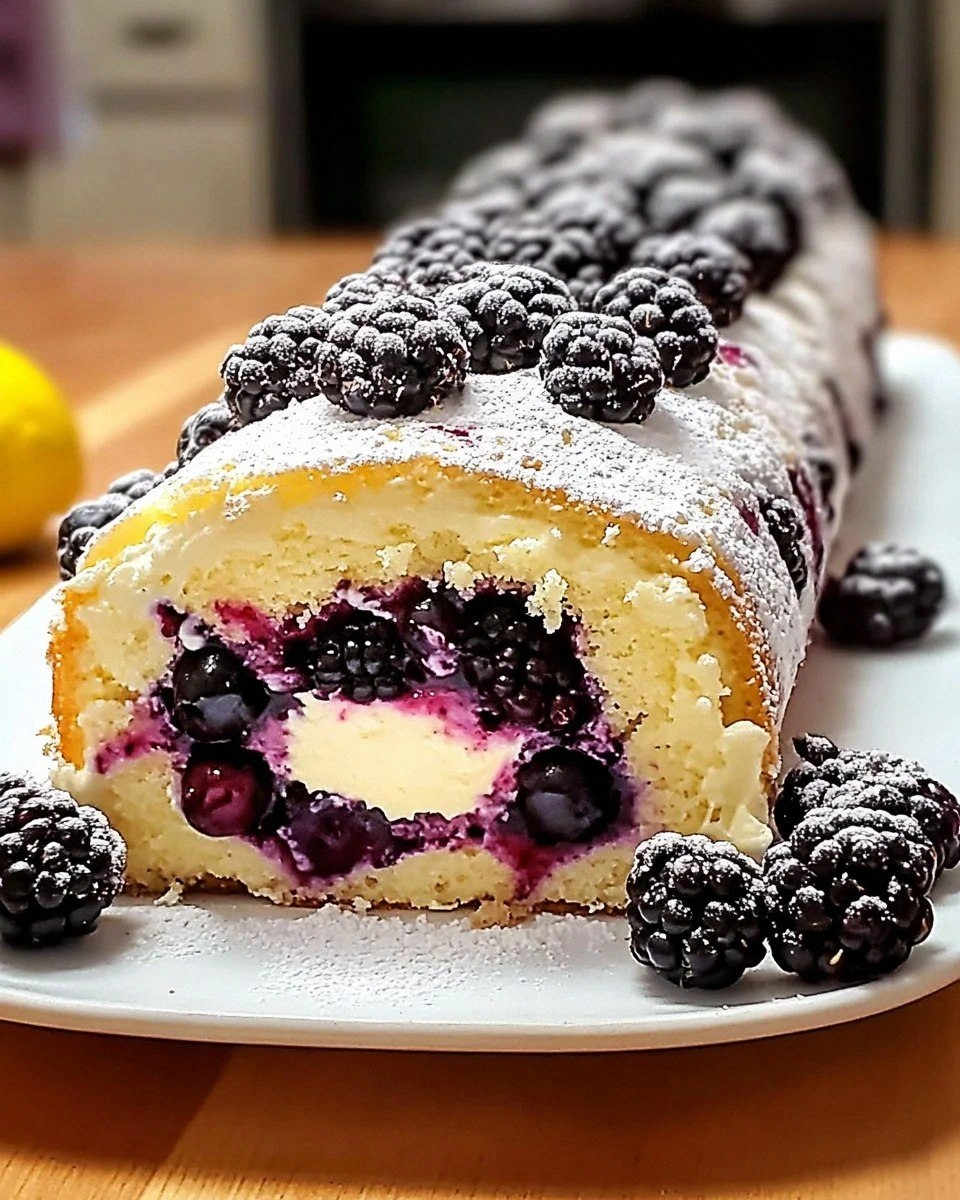
Unroll the cooled cake gently, spread a generous layer of the blackberry compote, then pipe or spread the lemon buttercream over the fruit. The compote should be slightly runny so it seeps into the sponge, while the buttercream stays on top, creating a glossy finish. Re‑roll the cake tightly, using the towel to help guide it, and wrap the finished roll in plastic wrap. Chill for at least 30 minutes – this lets the flavors meld and the buttercream set.
When you’re ready to serve, slice the roll with a sharp serrated knife, wiping the blade between cuts for clean edges. Garnish each slice with a few fresh blackberries, a dusting of powdered sugar, and a zest curl for that extra pop of aroma. Serve at room temperature, and watch your guests’ eyes widen as they bite into the lemon‑bright, berry‑bursting layers. That's it — you did it. But hold on, I've got a few more tricks that'll take this to another level...
Insider Tricks for Flawless Results
The Temperature Rule Nobody Follows
Never roll a cake that’s completely cold – the sponge becomes brittle and will snap like thin ice. The secret is to roll it while it’s still warm, but not steaming hot. I like to set a timer for exactly 2 minutes after removing the cake from the oven, then roll it on a towel. This window gives the cake enough flexibility while the structure is still set, resulting in a flawless spiral.
Why Your Nose Knows Best
Your sense of smell is a far better indicator of doneness than a timer. When the cake edges start pulling away from the parchment and you detect a faint toasted lemon aroma, you’re ready to pull it out. Trust that nose cue – it prevents over‑baking, which can dry out the sponge and make the roll tough.
The 5‑Minute Rest That Changes Everything
After you roll the warm cake, let it rest for five minutes on the towel before you start filling it. This brief pause lets the gluten relax, preventing the roll from springing back and cracking when you add the fruit. A friend once tried to skip this step and ended up with a roll that resembled a broken accordion – not pretty.
Buttercream Temperature Tactics
If your buttercream looks grainy, you’ve probably over‑beat it when the butter was too cold. Warm it gently over a double boiler for 10 seconds, then beat again – the result is a silk‑smooth frosting that spreads like a dream. Keep the butter at room temperature before you start, and you’ll avoid that dreaded “curdled” look.
The Secret of the Sugar‑Dust Finish
A light dusting of powdered sugar right before serving does more than add a pretty finish – it absorbs any excess moisture from the fruit, keeping the outer layer from getting soggy. Use a fine mesh sifter for an even, whisper‑thin veil that catches the light and adds a subtle sweet note.
Freezing for Future Feasts
If you need to make this ahead, wrap the rolled cake tightly in cling film, then place it in a zip‑top freezer bag. When you’re ready to serve, let it thaw in the fridge overnight, then bring it to room temperature for 20 minutes before slicing. The texture remains as airy as the day you baked it, and the flavors actually deepen.
Creative Twists and Variations
This recipe is a playground. Here are some of my favorite ways to switch things up:
Lavender‑Lemon Dream
Swap half the lemon zest for culinary lavender buds (lightly toasted). The floral notes mingle with the citrus, creating a sophisticated palate that’s perfect for a brunch gathering. Pair with a cup of Earl Grey tea for a harmonious experience.
Chocolate‑Berry Fusion
Add 2 tablespoons of melted dark chocolate to the buttercream and fold in a handful of cocoa nibs. The rich chocolate balances the tart blackberry, turning the roll into a decadent dessert that feels like a celebration.
Coconut‑Caramel Crunch
Mix shredded toasted coconut into the buttercream and drizzle a thin line of caramel sauce over the rolled cake before the final chill. The caramel adds a buttery sweetness, while the coconut gives a tropical crunch that’s irresistible.
Spiced Autumn Twist
Replace the fresh blackberries with a compote of cooked apples, a pinch of cinnamon, and a dash of nutmeg. The warm spices make this version ideal for cooler evenings, and the apple‑lemon combo feels like a cozy hug.
Matcha‑Berry Zen
Stir 1 teaspoon of high‑quality matcha powder into the buttercream for a subtle earthiness that complements the bright berries. The green hue also makes for a stunning visual contrast against the ruby compote.
Storing and Bringing It Back to Life
Fridge Storage
Wrap the cooled roll tightly in plastic wrap, then place it in an airtight container. It will stay fresh for up to 4 days, with the buttercream maintaining its silky texture. If the frosting seems a bit firm, let the roll sit at room temperature for 15 minutes before serving.
Freezer Friendly
For longer storage, double‑wrap the roll: first in plastic wrap, then in a heavy‑duty freezer bag. It freezes beautifully for up to 2 months. When you’re ready to enjoy, transfer to the fridge to thaw overnight, then give it a quick 20‑minute sit at room temperature.
Best Reheating Method
To revive a slice that’s lost its fluff, place it on a microwave‑safe plate, add a tiny splash (about a teaspoon) of water, and microwave on low for 10‑15 seconds. The steam will re‑hydrate the sponge, and the buttercream will melt just enough to become glossy again. This trick works wonders for a quick dessert fix.