Love this? Pin it for later! 📌
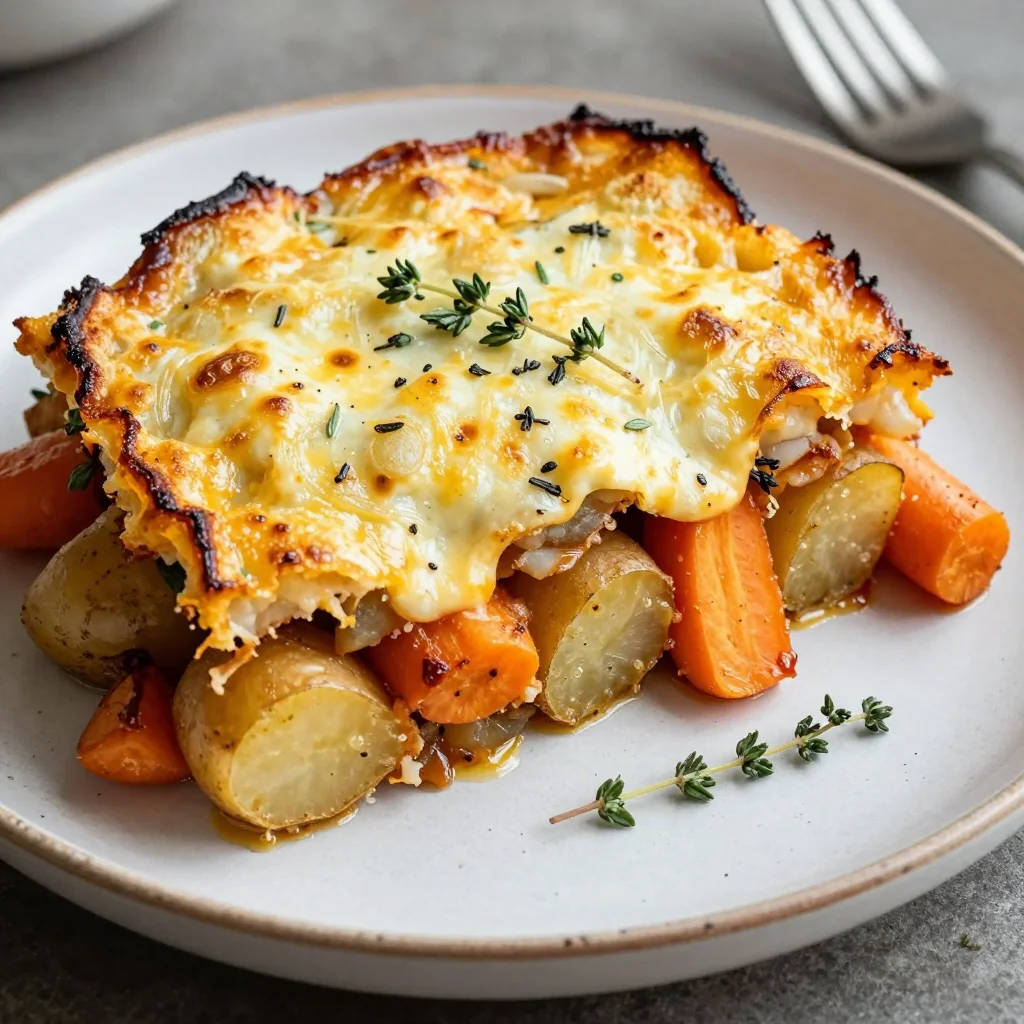
Cozy Budget-Friendly Root Vegetable Casserole with Potatoes & Sweet Potatoes
Why This Recipe Works
- Budget Hero: Uses inexpensive root vegetables that stay fresh for weeks, making this perfect for end-of-month cooking
- Meal Prep Champion: Assemble it on Sunday, bake it throughout the week for effortless dinners
- One-Dish Wonder: Complete vegetarian meal with protein, carbs, and vegetables in one pan
- Customizable Canvas: Swap vegetables based on sales, seasons, or what's in your pantry
- Kid-Approved: The natural sweetness from sweet potatoes wins over picky eaters
- Make-Ahead Magic: Prep entirely in advance and bake when needed – perfect for entertaining
- Leftover Legend: Tastes even better the next day, and freezes beautifully for future meals
- Nutrition Powerhouse: Packed with fiber, vitamins A & C, potassium, and complex carbohydrates
Ingredients You'll Need
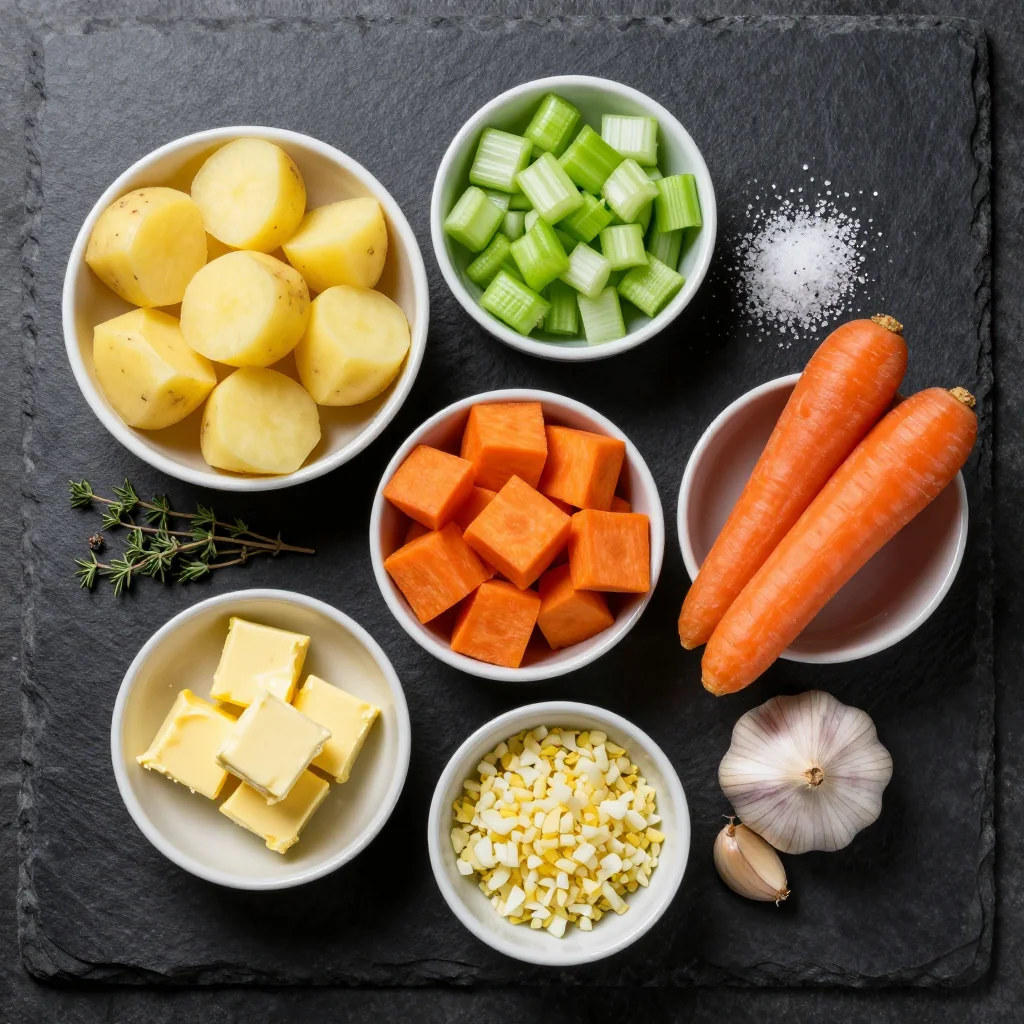
This humble casserole starts with the most unassuming ingredients, but the result is pure magic. Here's what you'll need and why each component matters:
The Vegetable Stars
- Russet Potatoes (2 lbs): The starchy backbone of our casserole. Their fluffy texture when cooked helps bind everything together. Look for firm potatoes without green spots or sprouting eyes. Store in a cool, dark place – never in the fridge!
- Sweet Potatoes (1½ lbs): Add natural sweetness and beautiful color. I like to mix orange and purple varieties for visual appeal. Choose medium-sized ones that feel heavy for their size. Skip any with soft spots or wrinkles.
- Carrots (1 lb): Budget-friendly and available year-round. Go for the regular orange variety or mix it up with rainbow carrots for extra nutrition. If your carrots come with tops, remove them before storing as they draw moisture from the roots.
- Parsnips (¾ lb): The secret ingredient! These cream-colored roots add a subtle nutty sweetness. Select small to medium parsnips – large ones can be woody in the center. If unavailable, substitute with more carrots or celery root.
- Turnips or Rutabaga (1 medium): Adds a pleasant peppery note that balances the sweetness. Rutabagas are larger and sweeter than turnips. Either works beautifully. Peel extra thick as the skin can be bitter.
The Creamy Base
- Vegetable Broth (2 cups): Creates steam for even cooking and adds depth. Homemade is fantastic, but store-bought works. Look for low-sodium versions so you control the salt.
- Heavy Cream (½ cup): Just enough to create luxurious richness without breaking the budget. For lighter versions, use half-and-half or coconut cream for dairy-free.
- All-Purpose Flour (3 tbsp): Thickens the sauce so it coats every vegetable. For gluten-free needs, substitute with rice flour or cornstarch.
- Garlic (4 cloves): Fresh garlic is essential here. The aromatic oils infuse the entire dish as it bakes. In a pinch, 1 tsp garlic powder works.
Flavor Enhancers
- Fresh Thyme (2 tsp): Woodsy and aromatic, thyme complements root vegetables perfectly. Dried works too – use ¾ tsp dried for every 1 tsp fresh.
- Rosemary (1 tsp): Use a light hand as it can overpower. Fresh is best, but dried is fine. Crumble dried rosemary between your fingers to release oils.
- Nutmeg (¼ tsp): The secret weapon! Just a whisper enhances the natural sweetness. Freshly grated makes a difference if you have it.
- Sharp Cheddar (1½ cups): The crowning glory! Aged cheddar provides the best flavor. Buy blocks and grate yourself – pre-shredded contains anti-caking agents that prevent smooth melting.
How to Make Budget-Friendly Root Vegetable Casserole
Prep Your Vegetables
Wash all vegetables thoroughly, especially if you're keeping the skins on (which I recommend for extra nutrients). Peel the sweet potatoes, turnip/rutabaga, and parsnips – their skins can be tough. For the russet potatoes, give them a good scrub but keep the skins on for texture and nutrition. Cut all vegetables into ½-inch cubes for even cooking. This size ensures they cook through without becoming mushy. As you cut, place vegetables in a large bowl of cold water with a splash of lemon juice to prevent browning. Drain and pat dry before using.
Create the Flavor Base
Preheat your oven to 400°F (200°C). In a small saucepan, melt 3 tablespoons of butter over medium heat. Add minced garlic and sauté for just 30 seconds – you want it fragrant but not browned. Whisk in the flour and cook for 1 minute to create a roux. This step eliminates any raw flour taste. Gradually whisk in the vegetable broth, stirring constantly to prevent lumps. Once smooth, add the heavy cream, thyme, rosemary, nutmeg, salt, and pepper. Bring to a gentle simmer and cook for 3-4 minutes until slightly thickened. It should coat the back of a spoon. Remove from heat and set aside.
Assemble the Casserole
Grease a 9x13-inch baking dish with butter or non-stick spray. Create layers by starting with a third of the mixed vegetables, then drizzle with a third of the sauce. Repeat twice more, ending with sauce on top. This layering ensures every bite is creamy and flavorful. Press down gently to compact the vegetables – this helps them cook evenly and creates that lovely dense texture we're after. Cover tightly with foil. The foil traps steam which cooks the vegetables through without drying them out.
First Bake – Steam and Soften
Bake the covered casserole for 45 minutes. This initial steam bath ensures all vegetables become tender without browning too quickly. After 45 minutes, remove the foil and test doneness by inserting a knife into the center – it should slide through with slight resistance. If the vegetables are still quite firm, recover and bake another 10-15 minutes. The key is getting them mostly cooked before adding the cheese topping.
Add the Cheesy Crown
Increase oven temperature to 425°F (220°C). Sprinkle the shredded cheddar cheese evenly over the top. For extra crunch, you can mix ¼ cup panko breadcrumbs with 1 tablespoon melted butter and scatter this over the cheese. Return to the oven, uncovered, for 12-15 minutes until the cheese is melted, bubbly, and golden brown in spots. If you want extra browning, switch to broil for the last 2-3 minutes, but watch carefully as it can burn quickly.
The Crucial Rest
Here's where patience pays off! Let the casserole rest for 10-15 minutes before serving. This rest time allows the sauce to thicken and the vegetables to absorb the flavors fully. It also makes serving much easier – no molten cheese burns or runny sauce. The casserole will be easier to cut into neat squares and will hold its shape better. Use this time to set the table, toss a quick salad, or simply enjoy the incredible aromas wafting through your kitchen.
Expert Tips for Casserole Success
Uniform Cutting is Key
Take time to cut vegetables into similar sizes. This isn't just for looks – it ensures everything cooks at the same rate. If some pieces are larger, they'll be crunchy while smaller ones turn to mush. A little extra effort here pays off in perfectly cooked vegetables.
Don't Skip the Sauce
The creamy sauce isn't just for richness – it prevents the vegetables from drying out during the long bake. If you're dairy-free, substitute with coconut cream and nutritional yeast for a similar effect. The flour in the sauce is crucial for thickening.
Check Your Oven Temperature
Oven temperatures can vary by 25-50 degrees! An oven thermometer is a $5 investment that ensures your casserole cooks properly. Too hot and the top burns before the inside is done; too cool and you'll have mushy vegetables.
Make-Ahead Magic
Assemble the casserole completely, cover tightly, and refrigerate up to 24 hours before baking. Add 15-20 minutes to the covered baking time if starting from cold. Perfect for holiday meals or busy weeknights!
Budget-Smart Shopping
Buy vegetables in season for best prices. Winter is peak season for root vegetables, making them incredibly affordable. Shop sales and buy the "ugly" produce – it tastes the same and costs less. Store properly to extend shelf life.
Texture Troubleshooting
If your casserole is watery, vegetables were probably too wet. Make sure to pat them dry after cutting. If too dry, add ¼ cup more broth next time. The vegetables should release just enough moisture to create a creamy sauce.
Variations to Try
Mediterranean Twist
Add 1 cup chopped kale or spinach, substitute oregano for thyme, and use feta cheese instead of cheddar. Include ½ cup sun-dried tomatoes and ¼ cup Kalamata olives for a Greek-inspired version that's equally budget-friendly.
Spicy Southwest Style
Add 1 diced jalapeño, 1 tsp smoked paprika, and 1 tsp cumin to the sauce. Use pepper jack cheese on top and garnish with fresh cilantro. Mix in 1 cup frozen corn for extra sweetness and texture contrast.
Protein-Powered
Stir in 1 can of drained chickpeas or 1½ cups cooked lentils for extra protein. This transforms the side dish into a complete meal. White beans work beautifully too, adding creamy texture that complements the vegetables.
Autumn Harvest
Replace half the potatoes with butternut squash, add 2 diced apples, and use sage instead of rosemary. Top with toasted pecans mixed into the cheese. This version screams fall and pairs perfectly with holiday meals.
Storage & Make-Ahead Tips
Refrigerator Storage
Cool completely, then cover tightly with plastic wrap or transfer to airtight containers. Refrigerate up to 5 days. For best texture, reheat individual portions in the microwave at 70% power for 2-3 minutes, or in a 350°F oven for 15-20 minutes until heated through. Add a splash of vegetable broth if it seems dry.
Freezer Instructions
This casserole freezes beautifully! Cool completely, then cut into individual portions. Wrap each portion tightly in plastic wrap, then aluminum foil. Freeze up to 3 months. Thaw overnight in the refrigerator, then reheat as above. The texture might be slightly softer, but the flavor remains excellent.
Make-Ahead Strategy
Assemble the entire casserole up to 24 hours ahead. Cover tightly with plastic wrap, then foil. Refrigerate until ready to bake. When ready, remove the plastic wrap, replace the foil, and bake as directed, adding 15-20 minutes to the initial covered baking time. Perfect for holidays or when hosting!
Frequently Asked Questions

Budget-Friendly Root Vegetable Casserole with Potatoes and Sweet Potatoes
Ingredients
Instructions
- Prep vegetables: Wash, peel (as needed), and cut all vegetables into ½-inch cubes. Place in cold water with lemon juice to prevent browning.
- Make the sauce: Melt butter in saucepan, sauté garlic 30 seconds. Whisk in flour, cook 1 minute. Gradually whisk in broth, then cream and seasonings. Simmer 3-4 minutes until thickened.
- Assemble: Drain and pat vegetables dry. Layer vegetables and sauce in greased 9x13 dish, ending with sauce. Cover tightly with foil.
- First bake: Bake at 400°F for 45 minutes covered, until vegetables are nearly tender.
- Add cheese: Remove foil, sprinkle with cheddar, increase heat to 425°F. Bake 12-15 minutes until golden and bubbly.
- Rest and serve: Let stand 10-15 minutes before serving to allow sauce to thicken.
Recipe Notes
For best results, cut vegetables uniformly and don't skip the resting time. Casserole can be assembled up to 24 hours ahead. Leftovers keep 5 days refrigerated or 3 months frozen.