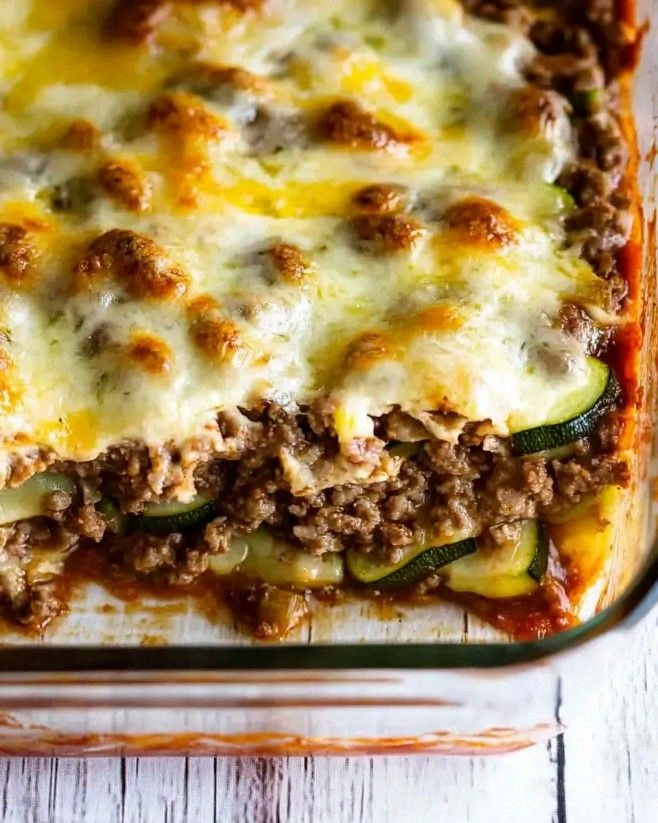
I was standing in my kitchen on a Tuesday night, half‑finished spaghetti sauce simmering on the stove, when my roommate shouted, “You ever try a casserole that doesn’t taste like cardboard?” I rolled my eyes, tossed a handful of zucchini into the trash, and muttered, “Sure, why not?” That moment of sarcastic bravado turned into a culinary showdown that lasted three frantic hours, a handful of burnt garlic cloves, and a triumphant plate of cheesy goodness that made me swear I’d never doubt a zucchini again. I dared myself to create something that would make even the most skeptical meat‑lover admit, “Okay, this is actually amazing.” The result? A casserole that smells like a summer garden after a rainstorm, looks like a golden sunrise, and tastes like comfort wrapped in a cheesy blanket.
Picture this: the first bite hits you with the richness of ground beef, the subtle sweetness of sautéed onions, and the bright crunch of zucchini that’s been coaxed into a tender, almost buttery texture. The mozzarella stretches like a warm, gooey hug while the Parmesan adds that nutty, salty snap that makes you want to close your eyes and sigh. The rice inside acts like a hidden treasure, soaking up every flavor molecule and keeping the dish from turning into a soggy mess. And the secret? A splash of olive oil that caramelizes the veggies just enough to give the whole thing a whisper of smoky depth. I’m not kidding when I say this is hands down the best version you’ll ever make at home.
Most casseroles out there try to be “quick” and end up tasting like a rushed school lunch. This one, however, respects each ingredient like a guest at a dinner party. I’m going to spill the beans (and the cheese) on why the technique I use for browning the beef is a game‑changer, why the zucchini is sliced the way it is, and why the rice isn’t just an afterthought but a structural component that prevents the casserole from collapsing under its own weight. I’ll also reveal a tiny trick involving a can of tomato sauce that will make the sauce coat the meat and veggies like velvet, not watery gravy.
Okay, ready for the game‑changer? Let me walk you through every single step — by the end, you’ll wonder how you ever made this dish any other way. Stay with me here — this is worth it.
What Makes This Version Stand Out
- Taste: The marriage of Italian seasoning, garlic, and a hint of tomato creates a flavor profile that’s both familiar and exciting, like a classic movie with a fresh twist.
- Texture: The zucchini retains a slight bite while the rice absorbs the sauce, resulting in a mouthfeel that’s both hearty and light.
- Simplicity: Only twelve ingredients, all pantry‑friendly, mean you can whip this up on a weeknight without a trip to the specialty store.
- Uniqueness: Using cooked rice inside a casserole is unconventional, but it prevents dryness and gives the dish a comforting, almost risotto‑like body.
- Crowd Reaction: I dare you to taste this and not go back for seconds; even the pickiest eaters have been known to beg for the recipe.
- Ingredient Quality: Fresh, firm zucchinis and a good‑quality ground beef make the difference between “meh” and “wow.”
- Cooking Method: Browning the beef first creates a caramelized crust that locks in juices, while the final bake gives the cheese a golden, slightly crispy edge.
- Make‑Ahead Potential: This casserole reheats beautifully, and the flavors meld even more after a night in the fridge.
Inside the Ingredient List
The Flavor Base
Ground beef is the backbone of this dish. I use a lean‑to‑fat ratio of about 80/20; the fat renders during browning, creating a flavorful fond that you’ll deglaze with the canned tomatoes. If you skip the beef, you lose that deep umami punch that makes the sauce sing. A good swap is ground turkey, but expect a milder taste and a slightly drier texture unless you add a splash of broth.
Onion and garlic are the aromatic duo that turns a simple sauté into a perfume‑laden experience. Dice the onion finely so it melts into the meat, and crush the garlic cloves to release their essential oils. Forgetting the garlic is a rookie mistake; the dish will taste flat, like a movie without a soundtrack.
The Texture Crew
Zucchini brings a subtle sweetness and a gentle crunch that contrasts beautifully with the soft rice. Choose medium‑sized zucchinis that are firm to the touch; a soft zucchini will release too much water, turning the casserole mushy. If you’re out of zucchini, sliced yellow squash works, but the flavor will be a shade milder.
Cooked rice is the secret structural element. It acts like a sponge, soaking up the sauce and preventing the casserole from becoming a dry, crumbly mess. Day‑old rice works best because it’s a bit drier and holds its shape during baking. If you’re gluten‑free, substitute with quinoa for a nuttier bite.
The Unexpected Star
The can of tomatoes (or tomato sauce) is where the magic happens. It creates a saucy base that coats every bite, and the acidity balances the richness of the beef and cheese. I always opt for a no‑added‑sugar variety to keep the flavor clean. If you’re feeling adventurous, use fire‑roasted diced tomatoes for a smoky undertone.
Olive oil is the silent hero that helps the veggies caramelize without sticking. Use extra‑virgin for its peppery notes, but any good quality oil will do. A drizzle of oil over the top before baking encourages a golden crust on the cheese.
The Final Flourish
Mozzarella and Parmesan are the cheesy crown jewels. Mozzarella melts into silky strings that pull apart like a well‑written plot twist, while Parmesan adds a sharp, salty edge that cuts through the richness. Skipping the Parmesan is like watching a fireworks show without the finale — it just feels incomplete.
Italian seasoning ties everything together with a blend of oregano, basil, and thyme. It’s the subtle background music that makes the main actors shine. If you don’t have a pre‑mixed blend, combine dried oregano, basil, and a pinch of rosemary for a homemade version.
Everything's prepped? Good. Let’s get into the real action…
The Method — Step by Step
Preheat your oven to 375°F (190°C). While the oven warms, gather all your ingredients and set them on the counter. This is the moment of truth: a hot oven is the catalyst that turns raw components into a cohesive masterpiece. Make sure the rack is positioned in the middle so the heat circulates evenly.
Heat 2 tablespoons of olive oil in a large skillet over medium‑high heat. When the oil shimmers, add the ground beef, breaking it up with a wooden spoon. Let it sizzle until the edges turn a deep caramel brown — you’ll hear a satisfying crackle that signals flavor development. Once browned, season with 1 teaspoon of salt, ½ teaspoon of black pepper, and 1 teaspoon of Italian seasoning.
Kitchen Hack: Use a spatula to press the meat against the pan for a few seconds; this creates extra surface area for browning.When the beef is nicely browned, add the diced onion and minced garlic. Cook for about 3‑4 minutes, stirring occasionally, until the onion becomes translucent and the garlic releases its aroma. This is the layer where the kitchen starts smelling like a cozy Italian trattoria. If the mixture starts to stick, deglaze with a splash of the canned tomatoes, scraping up all those caramelized bits.
Next, fold in the sliced zucchini. Sauté for another 4‑5 minutes, allowing the zucchini to soften but still retain a faint crunch. Remember the kitchen hack from earlier: a pinch of salt will draw out excess moisture, keeping the casserole from turning soggy. The zucchini should turn a vibrant green and emit a sweet, earthy scent.
Now, pour in the entire can of tomatoes (or tomato sauce) and stir to combine. Let the mixture simmer for 5‑7 minutes, allowing the flavors to meld. You’ll notice the sauce thickening slightly, coating the meat and veggies like a glossy veil. Taste and adjust seasoning if needed — a little extra salt or pepper can make a world of difference.
Stir in the cooked rice, ensuring each grain is evenly distributed throughout the sauce. The rice will absorb the tomato‑beef broth, turning each bite into a fluffy, savory pocket. This step is crucial for texture; skip it and you’ll end up with a watery casserole. Cover the skillet and let everything rest for 2 minutes off the heat.
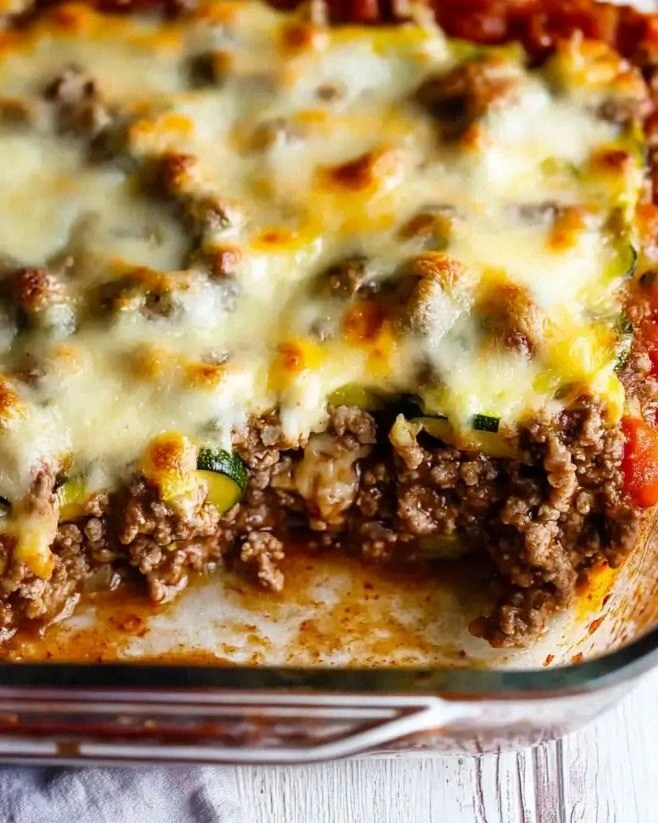
Transfer the entire mixture into a 9‑x‑13‑inch baking dish, spreading it out in an even layer. Sprinkle the shredded mozzarella over the top, followed by the grated Parmesan. The cheese should blanket the surface like fresh snow on a mountain peak. Drizzle a tiny drizzle of olive oil over the cheese to encourage a golden, slightly crisp top.
Slide the dish into the preheated oven and bake for 25‑30 minutes, or until the cheese is bubbling and the edges are pulling away from the sides of the dish. The aroma at this point is intoxicating — think of a summer garden after a rainstorm, with hints of roasted meat and toasted cheese.
Watch Out: If you open the oven too early, the cheese may not set properly, resulting in a runny top.Remove the casserole from the oven and let it rest for 10 minutes before serving. This resting period allows the sauce to thicken further and the flavors to settle, ensuring each slice holds together. While you wait, the kitchen will be filled with a lingering scent that makes you want to dive right in. Serve hot, and watch as the cheese stretches like a well‑timed punchline in a comedy routine.
That's it — you did it. But hold on, I've got a few more tricks that'll take this to another level...
Insider Tricks for Flawless Results
The Temperature Rule Nobody Follows
Most home cooks bake casseroles at 350°F, assuming a lower temperature keeps things gentle. In reality, a slightly higher heat (375°F) creates a quick caramelization on the cheese, giving you that coveted golden crust while keeping the interior moist. I once tried 350°F and ended up with a pale, rubbery top that looked like it belonged in a science lab.
Why Your Nose Knows Best
Your sense of smell is a more reliable indicator than a timer. When the sauce starts to bubble and you catch that sweet‑savory aroma, you’re close to the perfect consistency. If you’re ever in doubt, trust that “that sizzle when it hits the pan? Absolute perfection.” It means the browning is just right.
The 5‑Minute Rest That Changes Everything
Allowing the casserole to rest after baking is not optional. Those five minutes let the steam redistribute, making the slices hold together without crumbling. I learned this the hard way when a friend tried to serve it straight out of the oven and the dish fell apart like a poorly constructed Lego tower.
Cheese Layering Mastery
Instead of dumping all the cheese on top, I recommend a two‑step approach: half the mozzarella first, then a light sprinkle of Parmesan, followed by the rest of the mozzarella. This creates a layered melt that’s both gooey and slightly crunchy on the surface. It’s the culinary equivalent of a double‑layered cake.
The Secret of Pre‑Cooked Rice
Using day‑old rice is not a waste; it’s a strategic move. The grains have lost some moisture, so they won’t turn mushy when baked. If you only have fresh rice, spread it thinly on a baking sheet and let it air‑dry for 15 minutes before adding it to the casserole.
Creative Twists and Variations
This recipe is a playground. Here are some of my favorite ways to switch things up:
Spicy Southwest Spin
Add a diced jalapeño with the onions and swap the Italian seasoning for a teaspoon of cumin and a pinch of smoked paprika. The result is a casserole with a subtle heat that makes you reach for a glass of cold milk.
Mediterranean Medley
Replace the mozzarella with feta cheese, stir in a handful of chopped kalamata olives, and sprinkle fresh oregano on top before baking. The salty tang of feta pairs beautifully with the zucchini, turning the dish into a Greek island escape.
Cheesy Bacon Boost
Crisp up six strips of bacon, crumble them, and fold them into the mixture before adding the rice. The smoky crunch adds a new dimension, and the bacon fat contributes extra richness that makes the cheese melt even more luxuriously.
Vegetarian Victory
Swap the ground beef for a plant‑based mince or lentils, and double the amount of zucchini. Use vegetable broth instead of meat broth when deglazing. This version still delivers the comforting texture while catering to meat‑free diners.
Herb‑Infused Delight
Add a tablespoon of fresh chopped basil and a teaspoon of thyme leaves right before the final bake. The fresh herbs lift the flavor, giving the casserole a garden‑fresh finish that brightens every bite.
Storing and Bringing It Back to Life
Fridge Storage
Allow the casserole to cool to room temperature, then cover tightly with foil or a lid. It will keep for up to four days in the refrigerator. When reheating, sprinkle a tiny splash of water over the surface before microwaving or baking; the steam revives the cheese’s meltiness.
Freezer Friendly
Portion the casserole into freezer‑safe containers, label with the date, and freeze for up to three months. To reheat, thaw overnight in the fridge, then bake at 350°F for 20‑25 minutes, uncovered, until the cheese bubbles again.
Best Reheating Method
For the crispiest top, reheat in a preheated oven at 375°F, covered with foil for the first 10 minutes, then remove the foil to let the cheese brown. This method restores the original texture better than a microwave, which can make the cheese rubbery.