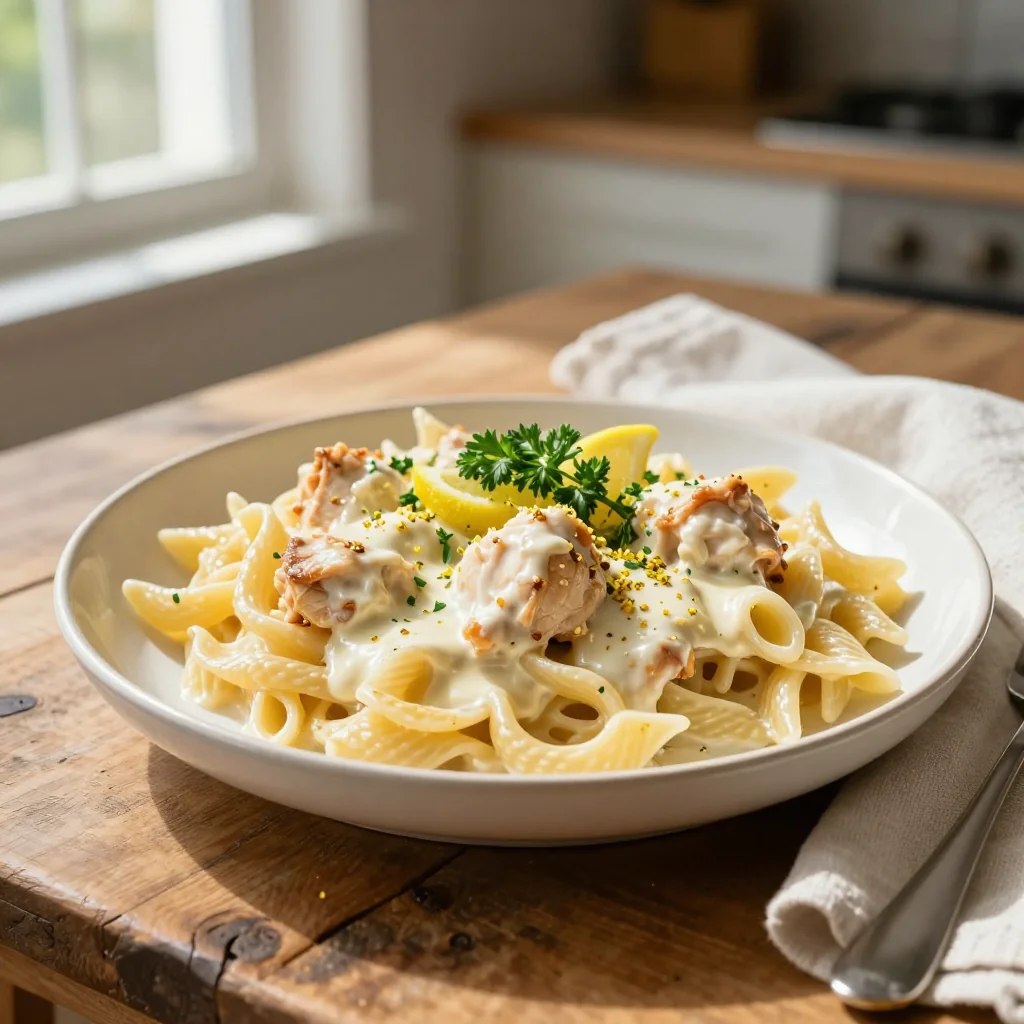
A bright, silky lemon‑infused cream sauce that turns everyday pasta into a restaurant‑quality delight.
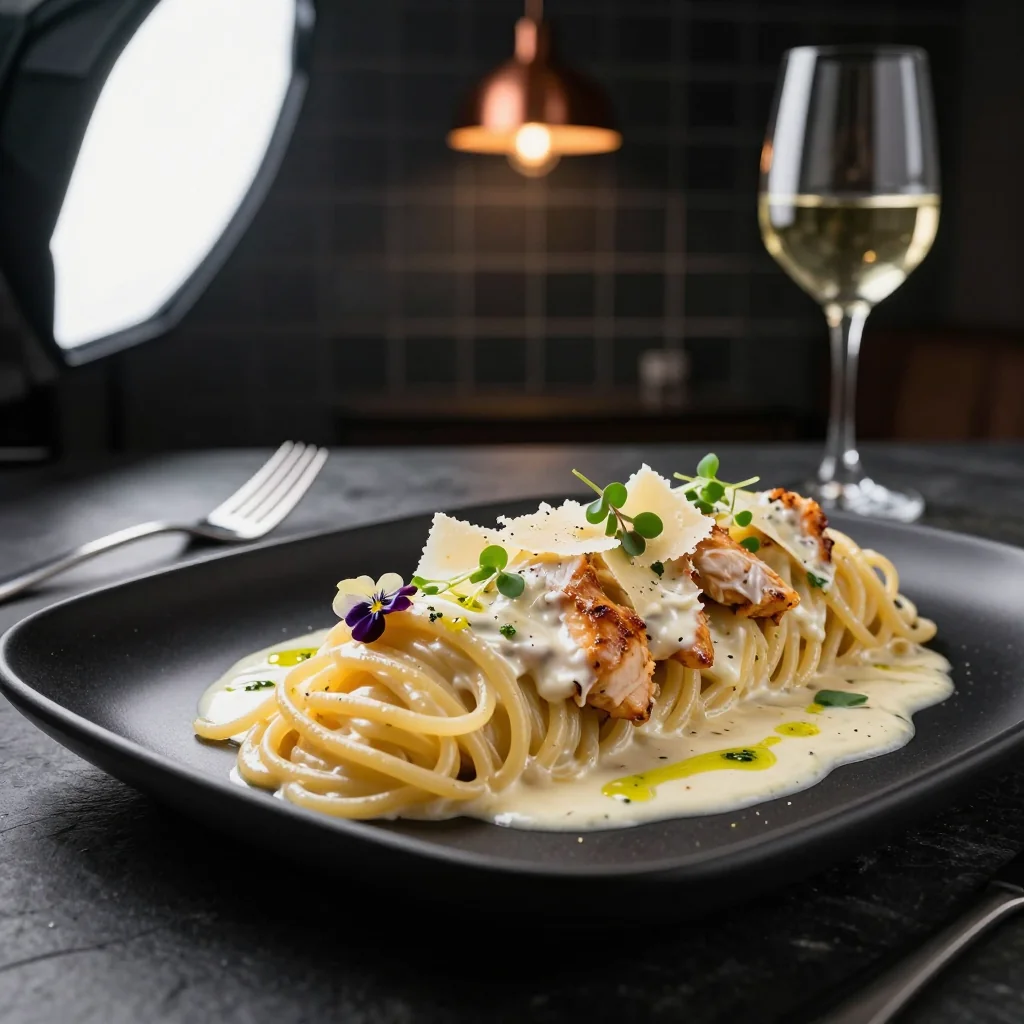
When I first tasted a spoonful of lemon‑cream sauce on a sun‑drenched terrace in Amalfi, the bright citrus notes danced with the richness of butter, and I knew I had to bring that magic home. The memory of that gentle sea breeze, the clinking of glasses, and the laughter of friends gathered around a wooden table still makes my mouth water. It was a moment of pure culinary joy that sparked my desire to recreate that experience for anyone who loves comforting pasta with a fresh twist.
This dish hails from the coastal regions of Italy, where lemons are abundant and the cuisine celebrates simplicity. By pairing tender chicken breast with al dente spaghetti and a velvety lemon‑cream sauce, we honor the tradition while adding a modern, vibrant flair. The sauce’s silky texture and zesty aroma make it a perfect centerpiece for any season, especially when you crave something light yet indulgent.
In this article, I’ll guide you through every step—from selecting the best chicken and lemons to mastering the emulsion that keeps the sauce glossy. You’ll learn why each ingredient matters, how to avoid common pitfalls, and how to adjust the recipe for larger gatherings or dietary preferences. By the end, you’ll be confident enough to serve this dish with pride, whether it’s a weeknight dinner or a special occasion.
Let’s dive in and create a plate that sings with sunshine!
🌟 Why This Recipe Will Capture Your Heart
From the first bite, this chicken pasta delivers a harmonious blend of flavors, textures, and aromas that keep you coming back for more.
- ✨ Bright, Refreshing Flavor: The lemon zest and juice cut through the richness of the cream, offering a balanced taste that feels light yet satisfying.
- ✨ Quick Weeknight Solution: With a total time under 45 minutes, you can serve a restaurant‑quality meal even after a busy day.
- ✨ Versatile Protein: Succulent chicken breast provides lean protein, but the recipe easily adapts to shrimp, tofu, or even a plant‑based alternative.
- ✨ Family‑Friendly Appeal: The creamy sauce is a crowd‑pleaser for both kids and adults, making it perfect for family gatherings.
- ✨ Nutrient‑Rich Ingredients: Fresh lemon, garlic, and parsley add antioxidants and vitamins, while the protein supports muscle health.
- ✨ Elegant Presentation: A sprinkle of Parmesan and a zest of lemon give the dish a polished look that impresses guests without extra effort.
🥗 Ingredients
📝 Complete Ingredient List
For the Pasta:
For the Chicken:
For the Lemon Cream Sauce:
For Garnish:
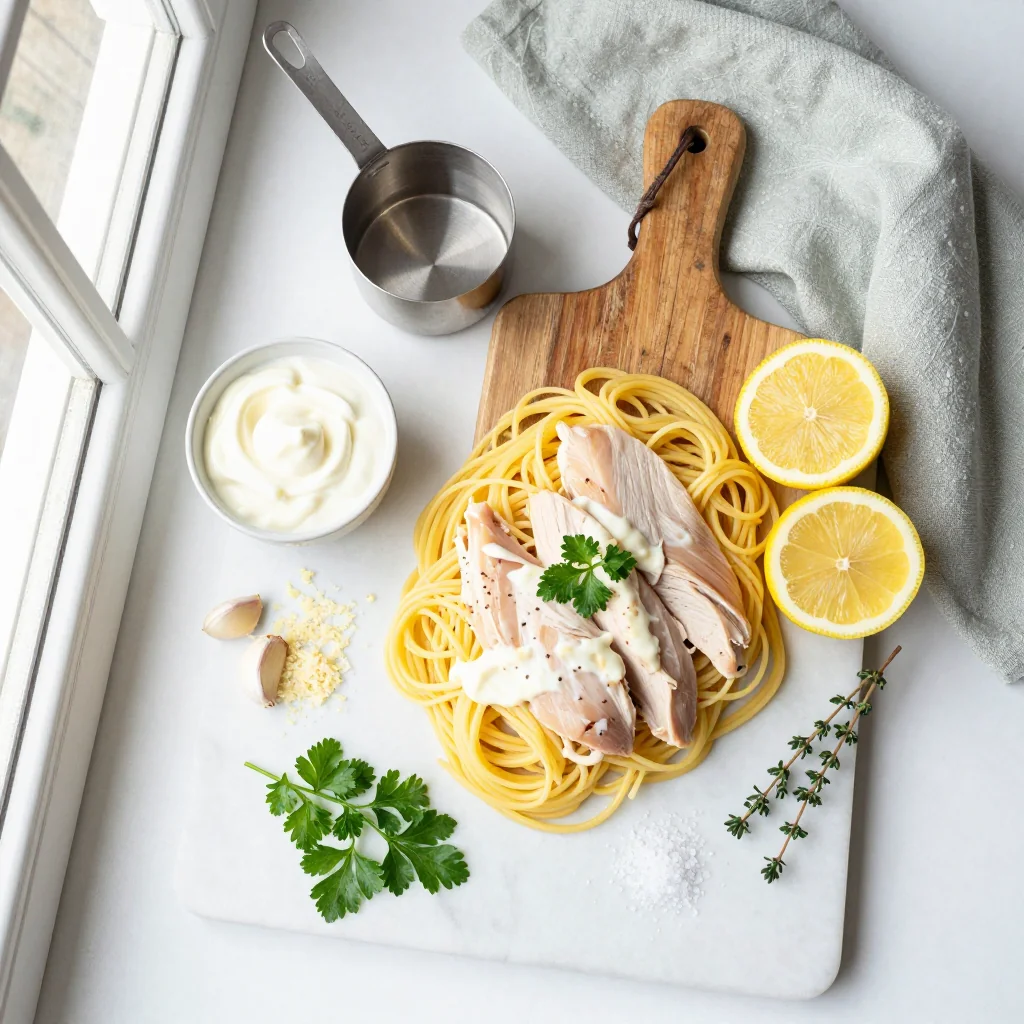
🔍 Focus on Key Ingredients
Fresh Lemons
Lemons provide the bright, aromatic backbone of the sauce. Choose lemons that feel heavy for their size, with a glossy, smooth skin—these indicate juiciness. The zest contains essential oils that amplify the citrus aroma, while the juice adds acidity that balances the cream’s richness. Avoid pre‑zested or bottled lemon juice, as they lack the nuanced flavor needed for a truly vibrant sauce.
Heavy Cream
Heavy cream creates the luxurious mouthfeel that defines this dish. Its high fat content emulsifies with butter and lemon, preventing the sauce from curdling. If you prefer a lighter version, you can substitute half of the cream with low‑fat milk, but be prepared for a slightly thinner consistency.
Parmesan Cheese
Freshly grated Parmesan introduces a nutty umami depth that ties the lemon and cream together. Always grate the cheese yourself; pre‑grated varieties often contain anti‑caking agents that interfere with the sauce’s smoothness.
🔄 Quick Substitutions
| If you don’t have... | Use instead... |
|---|---|
| Heavy cream | Half-and-half + 2 tbsp melted butter |
| Parmesan | Grana Padano or Pecorino Romano |
| Fresh lemon | Bottle‑squeezed lemon juice (add extra zest) |
👨🍳 Step‑by‑Step Instructions
Follow these detailed phases to ensure a perfectly balanced sauce, juicy chicken, and al dente pasta every time.
📋 Phase 1: Preparation & Mise en Place
Organizing your workspace makes the cooking process smooth and stress‑free.
Measure and Prepare All Ingredients
Gather every ingredient, measure the quantities, and set them in small bowls. Zest the lemon first—using a microplane, gently press the lemon against the blades, rotating to collect only the bright yellow zest, avoiding the bitter white pith. Then juice the lemon, straining the seeds. This sequence prevents the zest from becoming soggy and preserves its essential oils.
Season and Slice the Chicken
Pat the chicken breasts dry with paper towels. Sprinkle both sides evenly with salt, black pepper, and dried oregano. Slice each breast into bite‑size strips, about 2 cm wide, to ensure quick, even cooking and a pleasant texture that mingles well with the pasta.
Boil the Pasta
Bring a large pot of salted water to a rolling boil. Add the spaghetti and stir gently to prevent sticking. Cook according to the package instructions until al dente—usually 9‑11 minutes. Reserve 1 cup of pasta cooking water before draining; this starchy liquid will help bind the sauce later.
🔥 Phase 2: Cooking & Assembly
This phase brings together the protein, pasta, and sauce into a harmonious whole.
Sear the Chicken
Heat 1 tbsp olive oil in a large skillet over medium‑high heat. When the oil shimmers, add the chicken strips in a single layer. Cook for 3‑4 minutes per side, until golden brown and cooked through (internal temperature 75 °C). Transfer the chicken to a plate and cover loosely with foil to keep warm.
Build the Lemon Cream Sauce
Reduce the heat to medium. Add the butter to the same skillet; once melted, stir in the minced garlic and red pepper flakes, sautéing for 30 seconds until fragrant. Pour in the heavy cream, stirring constantly. Bring the mixture to a gentle simmer—avoid a rolling boil, which can cause the cream to separate.
Incorporate Lemon and Cheese
Add the lemon zest, lemon juice, and grated Parmesan to the simmering cream. Whisk continuously; the cheese will melt, thickening the sauce while the lemon brightens it. Taste and adjust seasoning with salt and pepper. If the sauce feels too thick, whisk in up to ½ cup of the reserved pasta water until you achieve a silky, coat‑the‑pasta consistency.
Combine Pasta, Chicken, and Sauce
Add the drained spaghetti to the skillet, tossing to coat each strand evenly. Return the chicken strips to the pan, mixing gently to distribute the protein throughout the pasta. Let everything warm together for 1‑2 minutes, allowing the flavors to meld.
✨ Phase 3: Finishing & Plating
A few finishing touches elevate the dish from good to unforgettable.
Check for Doneness
Give the pasta a quick taste; it should be al dente—firm yet tender. The sauce should cling to the noodles without pooling. Adjust the final seasoning if necessary, adding a pinch more salt or a drizzle of lemon juice for extra brightness.
Plate the Dish
Twirl a generous portion of pasta onto each plate using a fork and spoon to create a tidy mound. Sprinkle chopped parsley over the top for color and freshness, then place a lemon wedge beside the plate for an optional extra squeeze.
Serve Immediately
Serve the chicken pasta hot, accompanied by a crisp green salad or crusty bread if desired. Encourage diners to add a final drizzle of olive oil or a sprinkle of extra Parmesan for personal preference.
💡 Expert Tips & Tricks
🛒 Choosing the Best Ingredients
Look for lemons that are heavy for their size and have a smooth, glossy skin. When buying chicken, select breasts that are uniformly pink with no gray edges. Fresh, high‑quality Parmesan should be hard and dry, with a nutty aroma; avoid pre‑grated versions that contain anti‑caking agents. Finally, choose extra‑virgin olive oil for its fruitier flavor profile, which complements the lemon notes.
🔪 Preparation Techniques
Pat the chicken dry before seasoning; moisture prevents proper browning. Slice the chicken against the grain to keep it tender. When zesting, rotate the lemon slowly to collect only the outermost layer—this avoids bitterness. Use a microplane for the finest zest, which integrates seamlessly into the sauce.
🌡️ Mastering the Cooking Process
Maintain medium heat when simmering the cream; a gentle bubble keeps the emulsion stable. If the sauce begins to separate, lower the heat and whisk vigorously, adding a splash of pasta water to re‑emulsify. Remember that the sauce will thicken as it cools, so aim for a slightly looser consistency while still on the stove.
🍽️ Presentation & Service
Use a large, shallow bowl for plating to showcase the glossy sauce. Finish each plate with a bright pop of green parsley and a lemon wedge for visual contrast. Serve the dish immediately after plating to preserve the sauce’s silkiness; reheating can cause the cream to thicken excessively.
🏆 Pro Tips
Professional chefs rely on precise techniques to turn a good dish into a masterpiece.
- 🎯 Temperature Control: Keep the skillet temperature steady; sudden spikes can cause the cream to curdle. A good rule is to keep the sauce under 80 °C (176 °F) for a smooth texture.
- 🎯 Layered Seasoning: Season at each stage—chicken, pasta water, and sauce. This builds depth and ensures the final dish isn’t bland.
- 🎯 Emulsion Mastery: The key to a glossy sauce is the emulsion of fat (butter, cream) with acid (lemon juice). Whisk continuously and add the acid gradually to prevent separation.
- 🎯 Pasta Water Magic: The starch in the reserved pasta water acts as a natural thickener, binding the sauce to the noodles without adding extra flour.
- 🎯 Rest Before Serving: Let the plated pasta rest for 30 seconds; this allows the sauce to settle and coat each strand uniformly.
- 🎯 Plate Temperature: Warm the plates in the oven for a minute before plating; a hot plate keeps the sauce at the perfect temperature longer.
"The secret to great pasta is never to rush the sauce; patience turns simple ingredients into extraordinary flavor." — Massimo Bottura
🔄 Variations & Adaptations
This recipe is a flexible canvas that welcomes creative twists and dietary adjustments.
🥬 Vegetarian / Vegan Version
Replace the chicken with sautéed king oyster mushrooms or firm tofu cubes for a plant‑based protein. Use a dairy‑free cream such as cashew cream and nutritional yeast instead of Parmesan to maintain a cheesy note.
- Substitution 1: 300 g king oyster mushrooms, sliced and pan‑seared.
- Substitution 2: ¼ cup nutritional yeast for a savory, cheesy flavor.
🌶️ Flavor Variations
Experiment with regional flavor profiles by swapping a few ingredients while keeping the core technique.
Spicy Version:
Add 1 tsp smoked paprika and increase red pepper flakes to ½ tsp. Finish with a drizzle of chili‑infused olive oil for an extra kick.
Mediterranean Version:
Stir in ¼ cup chopped sun‑dried tomatoes and a handful of Kalamata olives. Top with crumbled feta for a salty, tangy contrast.
Asian‑Inspired Version:
Replace lemon zest with 1 tsp grated ginger and add 1 tbsp soy sauce. Garnish with toasted sesame seeds and thinly sliced scallions.
⚠️ Dietary Adaptations
Gluten‑Free:
Use gluten‑free spaghetti or rice noodles. Ensure the pasta water is well‑salted to compensate for the different texture.
Lactose‑Free:
Swap heavy cream for lactose‑free coconut cream (light version) and use a dairy‑free butter alternative.
Low‑Calorie:
Reduce the butter to 1 tbsp, use 150 ml low‑fat milk mixed with 90 ml water instead of full cream, and increase the amount of lemon zest for flavor without extra calories.
👶 Kid‑Friendly Version
Omit the red pepper flakes and reduce the garlic to 1 clove. Use a milder cheese like mozzarella and serve the pasta slightly cooler to suit younger palates.
📦 Storage & Reheating
🧊 Conservation
Refrigerator:
- Duration: 3 days
- Container: Airtight glass container
- Tip: Store sauce and pasta separately to prevent sogginess.
Freezer:
- Duration: 2 months
- Method: Portion into freezer‑safe bags, remove excess air.
- Defrost: Overnight in the refrigerator, then reheat gently on the stove.
💡 For best texture, reheat the sauce with a splash of milk to restore creaminess.
♨️ Reheating
🔥 Oven (Recommended):
- Preheat to 180 °C (350 °F).
- Cover the dish with foil to retain moisture.
- Heat for 12‑15 minutes.
- Remove foil, stir, and heat an additional 3‑5 minutes until bubbling.
⚡ Microwave (Quick):
- Place portion in a microwave‑safe bowl, cover loosely.
- Heat on medium power for 1 minute, stir.
- Continue in 30‑second bursts until hot.
🍳 Stovetop:
Warm the leftovers in a skillet over low heat, adding a splash of pasta water or milk to loosen the sauce.
🍷 Perfect Pairings
🥗 Side Dishes
- Arugula Salad with Lemon Vinaigrette: The peppery arugula mirrors the lemon’s brightness, creating a cohesive palate.
- Garlic‑Roasted Asparagus: The earthy asparagus balances the richness of the cream sauce.
- Crusty Italian Bread: Perfect for soaking up any remaining sauce.
🍷 Wine & Beverage Pairings
- Verdicchio (Italian white): Its crisp acidity complements the lemon notes while its subtle minerality matches the chicken.
- Pinot Grigio: Light and refreshing, it won’t overwhelm the delicate sauce.
- Non‑Alcoholic Option: Sparkling water with a slice of lemon or a rosemary‑infused iced tea.
🍰 To Complete the Meal
Start with a simple tomato bruschetta, followed by the lemon‑cream chicken pasta, and finish with a light lemon sorbet or panna cotta topped with fresh berries. The citrus theme runs through the entire menu, leaving a harmonious aftertaste.
❓ Frequently Asked Questions
Q: Can I use a different type of pasta?
A: Absolutely! While spaghetti works beautifully, you can swap in linguine, fettuccine, or even short shapes like penne. Just adjust the cooking time according to the package instructions to keep the pasta al dente.
Q: How do I prevent the sauce from curdling?
A: Maintain a gentle simmer rather than a rapid boil, and add the lemon juice gradually while whisking. If the sauce looks too thick, thin it with reserved pasta water or a splash of milk. Keeping the heat moderate is key.
Q: Is it possible to make this recipe dairy‑free?
A: Yes. Replace heavy cream with a coconut‑based cream or oat cream, use dairy‑free butter, and swap Parmesan for a vegan cheese or nutritional yeast. The flavor profile will shift slightly but remain delicious.
Q: What if I don’t have fresh lemons?
A: Bottled lemon juice can work in a pinch, but you’ll miss the aromatic zest. If using juice only, add an extra teaspoon of lemon zest from a jar (if available) and consider a splash of white wine vinegar for brightness.
Q: Can I prepare the sauce ahead of time?
A: The sauce can be made up to 24 hours in advance and stored in the refrigerator. Reheat gently on low heat, adding a little pasta water to restore its silky texture before tossing with the pasta.
Q: How do I scale the recipe for a larger crowd?
A: Use the portion adjuster on the recipe card or multiply each ingredient by the desired factor. The built‑in JavaScript will automatically recalculate quantities for you.
🎉 Let’s Get Cooking!
This Chicken Pasta with Lemon Cream Sauce brings together the comfort of a classic pasta dish with the fresh, uplifting zing of lemon. The balance of creamy richness and bright acidity makes it a standout for any occasion, while the straightforward steps ensure you’ll achieve restaurant‑level results at home. Remember, the secret lies in gentle heat, proper seasoning at each stage, and the final touch of fresh parsley.
If you try this recipe, share your photos, tell us how you adapted it, and feel free to ask any lingering questions in the comments. Your feedback helps the community grow and inspires new variations.
Have you tried this recipe?
Leave a comment and rating below! Share your creations on Instagram with #LemonChickenPasta for a chance to be featured.
Chicken Pasta with Lemon Cream Sauce
A silky lemon‑infused cream sauce embraces tender chicken and al dente pasta for a bright, comforting meal.
📝 Ingredients
Pasta
Chicken
Lemon Cream Sauce
Garnish
👨🍳 Instructions
- Boil pasta in salted water until al dente; reserve 1 cup of cooking water.
- Season chicken strips with salt, pepper, and oregano; sear in olive oil until golden, then set aside.
- In the same pan, melt butter, add garlic and red pepper flakes, sauté briefly.
- Stir in heavy cream, bring to a gentle simmer, then add lemon zest, juice, and Parmesan.
- Adjust sauce thickness with reserved pasta water; season to taste.
- Toss cooked spaghetti and chicken in the sauce, heat through.
- Plate, garnish with parsley and lemon wedges, and serve immediately.
🥗 Nutritional Information (per serving)
*Values are approximate.




💬 Comments & Reviews
Leave a Comment
No comments yet. Be the first to share your thoughts!