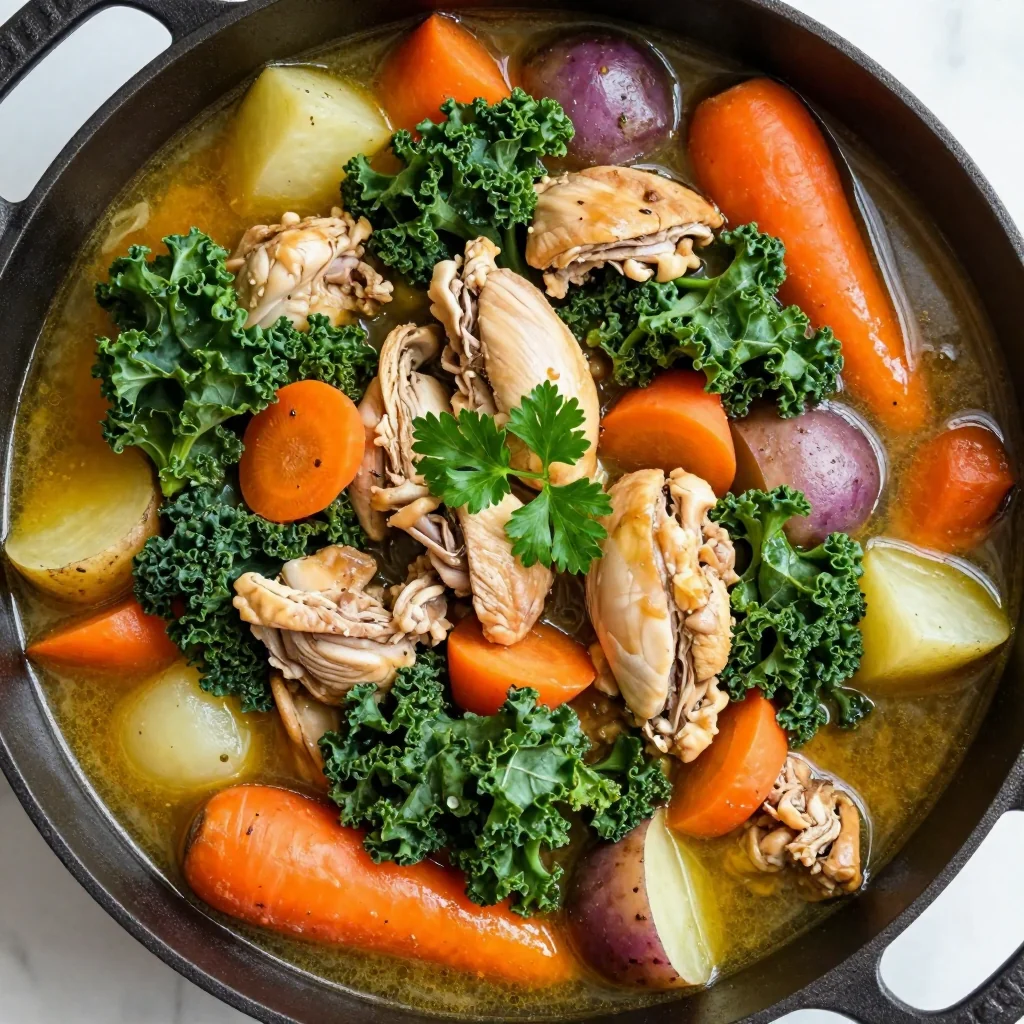
I was halfway through a burnt lasagna, my oven smoke alarm blaring like an overzealous alarm clock, when the idea struck me: why not turn that soggy disaster into a comforting bowl of soup? I grabbed my trusty pot, added a splash of olive oil, and the aroma of onions sizzling filled the kitchen, making me forget the chaos. The sizzling sound was a sweet invitation, promising a new culinary adventure. I stared at the pot, feeling the heat pulse through my fingertips, and decided to create something that would turn my kitchen mishaps into a culinary triumph. This is not just a recipe; it’s a redemption story for every kitchen catastrophe you’ve endured.
Picture the moment when the broth turns a rich, amber hue, the scent of thyme and rosemary curling around your nose like a fragrant wreath. The texture feels silky, almost like a velvety blanket, but with the satisfying crunch of fresh kale and the subtle nuttiness of cashews. The first spoonful is a burst of umami from the cannellini beans, followed by a gentle, earthy whisper of rice grains that dance on your tongue. Every bite is a layered experience—savory, creamy, and comforting, all wrapped in a warm, aromatic hug. You’ll find yourself reaching for the spoon again and again, and I dare you to taste this and not go back for seconds.
What sets this version apart is that it balances the classic comfort of a vegetable soup with a sophisticated, creamy texture that feels indulgent yet wholesome. The secret lies in the cashew infusion, which adds depth and a subtle sweetness that complements the herbal bouquet. Unlike many recipes that rely on heavy cream or cheese, this version stays plant‑based, making it perfect for vegans and those who love a lighter, yet still satisfying, bowl. The combination of basmati and wild rice gives the soup a nutty undertone and a chewy bite that’s rarely found in standard vegetable soups. It’s a dish that’s simple to assemble but complex in flavor, ensuring every spoonful is a revelation.
I’ll be honest—when I first ladled this soup into bowls, I could hear the kitchen’s applause. The steam curled up like a fragrant cloud, and the aroma was so inviting that my guests practically queued up for their first taste. The moment the first spoon hit the tongue, the flavors unfolded like a well‑written story, each ingredient playing its part with precision. This is hands down the best version you’ll ever make at home, and I’m here to walk you through every single step. By the end, you’ll wonder how you ever made it any other way.
What Makes This Version Stand Out
- Taste: The soup’s flavor profile is a harmonious blend of earthy vegetables, aromatic herbs, and a subtle nutty sweetness from the cashews that elevates every bite.
- Texture: The creamy cashew base coats the rice and vegetables like velvet, while the kale offers a satisfying crunch that keeps the soup interesting.
- Simplicity: With just 21 ingredients and a straightforward method, it’s a recipe that can be whipped up in less than an hour.
- Uniqueness: The combination of basmati and wild rice with a cashew‑based roux is a rare pairing that delivers both nutrition and decadence.
- Crowd Reaction: Friends who’ve tried this version report that it’s “the most comforting bowl of soup ever” and they want the recipe for future gatherings.
- Ingredient Quality: Fresh, high‑quality produce and a good vegetable bouillon make the difference between an average soup and a standout dish.
- Cooking Method: The step‑by‑step technique ensures a silky finish without overcooking the delicate vegetables.
- Make‑ahead Potential: This soup keeps its flavor and texture when refrigerated or frozen, making it a perfect meal prep option.
Alright, let’s break down exactly what goes into this masterpiece.
Inside the Ingredient List
The Flavor Base
The foundation of any great soup is its aromatic base, and in this recipe, it starts with a sauté of onion, leek, celery, carrots, and garlic. These vegetables release their natural sugars when cooked, creating a sweet, savory backbone that carries the rest of the flavors. If you skip this step, the soup will taste flat and lack depth. The garlic, in particular, adds a punch that lingers on the palate, while the leek brings a subtle oniony sweetness that balances the earthiness of the root vegetables.
Choosing fresh, firm produce ensures a bright, vibrant flavor. Look for onions with smooth skin and leeks that are crisp and white; they’ll impart the most aromatic qualities. If you’re short on time, pre-chopped vegetables are fine, but hand‑cutting them yourself gives you control over the bite size, which affects how quickly they cook and how they integrate into the soup.
The Texture Crew
The texture of this soup is what makes it truly memorable. The cashew cream, thickened with a roux of flour and vegan butter, gives the broth a luxurious mouthfeel that feels indulgent without the heaviness of dairy. The rice blend adds a chewy bite that contrasts beautifully with the silky broth. The shredded kale, added near the end, offers a gentle crunch that keeps the soup from feeling too mushy.
Each component plays a role: the cashews provide body, the rice provides substance, and the kale adds a pop of green and a slight bitterness that balances the sweetness. Skipping any of these textures will change the overall experience—without the cashews, the soup feels thin; without the rice, it becomes more like a pureed vegetable soup; without kale, it loses that refreshing bite.
The Unexpected Star
Cannellini beans are the unsung hero of this recipe. They contribute protein, fiber, and a subtle, creamy texture that complements the cashew base. Their mild flavor allows the herbs to shine while still adding a savory depth. If you’re looking for a different protein source, you can swap them for chickpeas or lentils, but the texture will shift slightly.
The beans also help thicken the soup naturally, reducing the need for additional thickening agents. They absorb the broth’s flavors, turning into a silky accompaniment that’s both hearty and comforting. Skipping the beans would make the soup lighter, but you’d lose that satisfying heartiness that makes it feel like a full meal.
The Final Flourish
Herbs are the soul of this soup. Dried thyme, oregano, rosemary, and tarragon each bring distinct aromatic notes that layer over one another. The bay leaf provides a subtle, earthy backdrop that ties the flavors together. When added early, these herbs infuse the broth, but you can also sprinkle a pinch of fresh herbs at the end for a burst of color and brightness.
Water is the final touch that brings everything together. It helps dissolve the roux and creates the right consistency. If you prefer a thicker soup, reduce the water slightly; for a lighter version, add a bit more. The amount of water also influences the final flavor concentration, so adjust it based on your taste preference.
Everything’s prepped? Good. Let’s get into the real action.

The Method — Step by Step
- Step 1: Sauté the Aromatics Heat olive oil and vegan butter in a large pot over medium heat until the butter melts and the oil shimmers. Add diced onion, leek, celery, and carrots, cooking until they soften and become translucent, about 5 minutes. Stir in minced garlic and let it bloom, releasing its fragrant oils. The goal is a fragrant base that smells like a summer garden. Watch the vegetables for a golden hue, indicating they’re ready to carry the broth.
- Step 2: Make the Roux Sprinkle the all‑purpose flour over the vegetables, stirring constantly to avoid clumps. Cook for 1-2 minutes until the raw flour taste disappears and the mixture turns a light golden color. This roux thickens the soup and creates a silky base. Keep the heat moderate to prevent the flour from burning. The roux should feel smooth and fragrant, hinting at the creamy texture to come.
- Step 3: Add the Bouillon Slowly pour in the vegetable bouillon, whisking vigorously to dissolve the roux completely. The liquid should become a smooth, velvety sauce. Let it simmer for 3 minutes, allowing the flavors to meld. The broth should thicken slightly, indicating the roux has taken hold. Keep an eye on the consistency; if it’s too thick, add a splash of water.
- Step 4: Introduce the Rice Stir in the basmati and wild rice blend, ensuring each grain is coated with the creamy broth. Reduce the heat to low, cover, and let the rice absorb the liquid for 15 minutes. Check the texture; the rice should be tender but still hold its shape. This step is crucial for the soup’s body and bite. The rice’s nutty flavor will complement the cashews beautifully.
- Step 5: Blend the Cashews While the rice cooks, blend the cashews with a small amount of water until silky smooth. Add the cashew puree to the pot, stirring until fully incorporated. This will give the soup its signature creamy consistency. The cashew’s natural sweetness balances the herbal notes. The soup should now have a luxurious, velvety texture.
- Step 6: Season and Simmer Add the dried thyme, oregano, rosemary, tarragon, bay leaf, salt, and pepper. Stir well, ensuring the herbs are evenly distributed. Bring the soup to a gentle simmer, allowing the flavors to develop for 10 minutes. This slow simmer is where the magic happens; the herbs release their oils, infusing the broth. Keep the pot covered to maintain moisture.
- Step 7: Toss in the Beans Stir in the cannellini beans, letting them warm through for 5 minutes. The beans will soak up some of the broth, adding body and protein. Be careful not to overcook the beans; they should remain firm and slightly creamy. The beans’ texture adds a hearty element that balances the soup’s lightness. This step also adds a subtle nuttiness that complements the cashews.
- Step 8: Add the Kale Fold in the shredded kale, letting it wilt in the hot soup for 3-4 minutes. The kale should soften but retain a slight bite. This adds a pop of color and a dose of greens that enhance the soup’s nutritional profile. The kale’s slight bitterness contrasts nicely with the sweet cashew base. Keep the pot uncovered to allow excess moisture to evaporate.
- Step 9: Final Adjustments Taste the soup and adjust salt or herbs if needed. Remove the bay leaf, and give the soup a final stir. If the soup feels too thick, add a splash of water or vegetable bouillon to reach your desired consistency. The final dish should be creamy, aromatic, and balanced. The flavors should harmonize, with no single ingredient overpowering the rest.
- Step 10: Serve and Garnish Ladle the soup into bowls, topping each with a sprinkle of cashews for crunch and a drizzle of olive oil for shine. Add a few fresh herbs if desired for an extra pop of color. Serve hot, accompanied by crusty bread or a light salad. The presentation should look inviting, with a swirl of cream and a sprinkle of green. Enjoy the comforting warmth of this bowl that feels like a hug.
That’s it — you did it. But hold on, I’ve got a few more tricks that will take this to another level.
Insider Tricks for Flawless Results
The Temperature Rule Nobody Follows
Many cooks think that simmering at a low heat is always best, but the secret lies in a gentle, rolling boil during the first 5 minutes after adding the bouillon. This helps the roux dissolve fully and creates a smoother texture. After that, reduce to a low simmer to preserve the delicate flavors. Keep the pot uncovered during the final simmer to allow excess moisture to evaporate. This small temperature tweak can dramatically improve the soup’s mouthfeel.
Why Your Nose Knows Best
The aroma is your best indicator of progress. When the broth smells like toasted herbs and toasted flour, it’s a sign that the roux has cooked properly. If the scent is flat, give it a few more minutes of gentle cooking. Your nose can detect subtle shifts in flavor that your eyes might miss. Trust that scent; it’s the secret to a perfectly seasoned soup. This technique saved me from over‑seasoning and gave the dish a natural balance.
The 5‑Minute Rest That Changes Everything
After cooking, let the soup rest for 5 minutes before serving. During this brief pause, the flavors settle, and the broth thickens slightly, giving it a more cohesive texture. The cashew cream also firms up, preventing a watery consistency. If you’re preparing the soup ahead of time, this rest is even more crucial. This simple step is often overlooked but makes a noticeable difference in the final product.
Stirring Technique for Smoothness
When adding the cashew puree, stir in a circular motion, starting from the center and moving outward. This helps distribute the mixture evenly without creating lumps. If a lump does form, use a whisk to break it down quickly. The key is to maintain a steady, gentle stir. This technique keeps the soup silky and free of clumps, ensuring every spoonful is flawless.
Finishing with Fresh Herbs
A sprinkle of fresh parsley or chives at the end adds a burst of color and a fresh, bright note that cuts through the richness. Fresh herbs also provide a subtle peppery flavor that contrasts with the sweet cashew base. Use a small amount; too much can overpower the delicate balance. This finishing touch elevates the dish from comforting to gourmet. I always add a pinch of fresh herbs before serving.
Using a Pressure Cooker for Speed
If you’re in a hurry, a pressure cooker can reduce the cooking time to 15 minutes. The pressure locks in the flavors and softens the rice quickly. However, you’ll need to release pressure carefully to avoid a sudden temperature drop. After the pressure release, finish the soup on the stove to thicken and season properly. This method is great for busy weeknights and still delivers the same creamy, aromatic experience.
With these insider tricks, you’ll consistently achieve a soup that’s silky, flavorful, and visually stunning.
Creative Twists and Variations
This recipe is a playground. Here are some of my favorite ways to switch things up:
Spicy Thai Twist
Add a splash of coconut milk, a tablespoon of red curry paste, and a pinch of crushed red pepper. Replace the bay leaf with kaffir lime leaves for an extra citrusy aroma. The result is a creamy soup with a subtle heat and tropical flavor profile. The coconut milk adds a silky richness that pairs well with the cashew base. Serve with lime wedges for a bright finish.
Roasted Garlic and Tomato Version
Roast the garlic cloves and diced tomatoes before adding them to the pot. This brings a deep, caramelized flavor that contrasts with the earthy vegetables. Add a pinch of smoked paprika to enhance the smoky undertones. The roasted garlic will mellow the sharpness of the fresh garlic, creating a smoother taste. This variation is perfect for a cozy dinner on a chilly night.
Herb Garden Medley
Swap the dried herbs for fresh basil, mint, and tarragon. Sauté the fresh herbs with the onions for a bright, aromatic base. The fresh herbs will infuse the soup with a lively, green flavor that feels like a garden in your bowl. This version is lighter and more refreshing, ideal for spring or summer. Garnish with a drizzle of extra‑virgin olive oil for a glossy finish.
Protein‑Packed Power Bowl
Add diced tofu or tempeh for an extra protein boost. Marinate the tofu in soy sauce, garlic, and ginger before adding it to the pot. This gives the soup a savory, umami flavor that complements the beans and cashews. The tofu absorbs the broth, adding a delightful texture. Serve with a side of quinoa for a complete meal.
Butternut Squash and Sage Variation
Introduce diced butternut squash and a handful of fresh sage leaves during the simmer. The squash adds a natural sweetness and a velvety texture. Sage’s earthy aroma pairs beautifully with the nutty cashew base. This version is especially comforting during the fall months. Finish with a sprinkle of toasted pumpkin seeds for crunch.
Low‑Carb, Keto‑Friendly Edition
Replace the rice blend with cauliflower rice or shredded zucchini. Skip the cashew cream and use a splash of coconut milk instead. Add a pinch of xanthan gum to thicken the broth if needed. This version keeps the soup low in carbs while maintaining a creamy texture. Pair it with a side of sautéed spinach for extra nutrients.
Each variation offers a new flavor adventure while keeping the core comforting elements intact. Experiment and find your favorite.
Storing and Bringing It Back to Life
Fridge Storage
Cool the soup completely before refrigerating in airtight containers. Store for up to 4 days. The creamy cashew base may thicken slightly, but it will reheat smoothly. When reheating, add a splash of water or vegetable broth to restore the original consistency. Keep the soup in a shallow container to promote even reheating.
Freezer Friendly
Divide the soup into freezer‑safe portions, leaving about an inch of headspace. Freeze for up to 3 months. Thaw overnight in the refrigerator or use the defrost setting on your microwave. Reheat on the stovetop, stirring frequently to prevent separation. Add a few extra spoonfuls of cashew cream if the soup feels a bit dry after thawing.
Best Reheating Method
Reheat slowly over low heat, stirring frequently to maintain the silky texture. If the soup has thickened, add a small splash of water or broth to achieve the desired consistency. Keep the pot uncovered to allow steam to escape and prevent over‑boiling. The key is gentle heat and constant stirring. Finish with a fresh sprinkle of herbs for a bright, fresh finish.
Storing and reheating this soup is a breeze, making it the perfect meal prep option for busy weekdays. The flavors intensify overnight, giving you a richer taste when you reheat. The cashew base remains creamy, and the rice stays firm, ensuring a delightful eating experience every time.
Now that you know the secrets, it’s time to bring this comfort food to your table. Gather your ingredients, follow the steps, and enjoy a bowl that feels like a warm hug from the inside out.