etc. We'll need to include
headings, , bullet points, etc.
We need to ensure the recipe card structure is exactly as specified. We'll fill in with our data.
Let's begin.
We'll produce introduction paragraphs.
We need to ensure each paragraph is 6 sentences. Let's craft them.
Paragraph 1: introduction.
Let's write:
When the kitchen alarm blared at 2 a.m. and the fridge was a barren wasteland, I had no choice but to summon the courage to open the clam jar I’d found in the back of the freezer. The moment the briny scent hit my nose, I knew I was about to create something that would haunt my dreams and delight my taste buds. I’ve spent years chasing the perfect clam chowder, but nothing has ever matched the depth of flavor and comforting texture this Manhattan version delivers. Picture a velvety broth that swirls around tender clams, with a hint of smoky bacon that lingers like a whispered secret. This isn’t just another recipe; it’s a culinary revelation that will make your guests ask for a second helping before the dish even reaches the table. Let me walk you through every single step — by the end, you’ll wonder how you ever made it any other way.
We need 6 sentences. Count: 1) When the kitchen alarm blared at 2 a.m. and the fridge was a barren wasteland, I had no choice but to summon the courage to open the clam jar I’d found in the back of the freezer. 2) The moment the briny scent hit my nose, I knew I was about to create something that would haunt my dreams and delight my taste buds. 3) I’ve spent years chasing the perfect clam chowder, but nothing has ever matched the depth of flavor and comforting texture this Manhattan version delivers. 4) Picture a velvety broth that swirls around tender clams, with a hint of smoky bacon that lingers like a whispered secret. 5) This isn’t just another recipe; it’s a culinary revelation that will make your guests ask for a second helping before the dish even reaches the table. 6) Let me walk you through every single step — by the end, you’ll wonder how you ever made it any other way. Good.
Paragraph 2: introduction.
The first time I tasted this chowder, I was halfway through the first spoonful and my eyes widened so hard the spoon almost slipped from my hand. The broth was rich, yet airy, like a cloud that had just settled on a hot summer afternoon. The clams were plump, each one exhaling a faint, sweet aroma that reminded me of a seaside sunrise. Bacon added a caramelized crunch that contrasted beautifully with the creamy base, and the diced tomatoes brought a gentle acidity that cut through the heaviness. I dared my friends to taste this and not go back for seconds, and they all admitted defeat after the first bite. That moment felt like a secret handshake between my taste buds and the universe.
Count sentences: 1) The first time I tasted this chowder, I was halfway through the first spoonful and my eyes widened so hard the spoon almost slipped from my hand. 2) The broth was rich, yet airy, like a cloud that had just settled on a hot summer afternoon. 3) The clams were plump, each one exhaling a faint, sweet aroma that reminded me of a seaside sunrise. 4) Bacon added a caramelized crunch that contrasted beautifully with the creamy base, and the diced tomatoes brought a gentle acidity that cut through the heaviness. 5) I dared my friends to taste this and not go back for seconds, and they all admitted defeat after the first bite. 6) That moment felt like a secret handshake between my taste buds and the universe. Good.
Paragraph 3:
What sets this version apart isn’t just the ingredients; it’s the way each component sings in harmony, like a well-rehearsed jazz trio. I’ve stripped away the fluff that often plagues commercial chowders, leaving only pure, unadulterated flavors that speak directly to the soul. The use of fresh clams, rather than canned, injects a briny depth that no substitute can match. Bacon is cooked until just right—crispy but not burnt—so it imparts a smoky undertone without overpowering the delicate sea flavors. The tomato base is simmered slowly, allowing the sugars to caramelize and develop a complex sweetness that balances the saltiness of the clams. The final touch of fresh thyme and parsley elevates the dish from simple comfort food to a gourmet experience.
Count: 1) What sets this version apart isn’t just the ingredients; it’s the way each component sings in harmony, like a well-rehearsed jazz trio. 2) I’ve stripped away the fluff that often plagues commercial chowders, leaving only pure, unadulterated flavors that speak directly to the soul. 3) The use of fresh clams, rather than canned, injects a briny depth that no substitute can match. 4) Bacon is cooked until just right—crispy but not burnt—so it imparts a smoky undertone without overpowering the delicate sea flavors. 5) The tomato base is simmered slowly, allowing the sugars to caramelize and develop a complex sweetness that balances the saltiness of the clams. 6) The final touch of fresh thyme and parsley elevates the dish from simple comfort food to a gourmet experience. Good.
Paragraph 4:
And if you think this is just another chowder, think again—because I’ve added a twist that turns it into a Manhattan masterpiece. The subtle hint of bay leaves and a splash of clam juice create a briny undertone that feels like a stroll through a bustling harbor at sunset. The potatoes are diced so small that they melt into the broth, creating a silky, thick consistency that coats your spoon like velvet. The final garnish of parsley gives a pop of color and a burst of freshness that cuts through the richness. I promise you, once you taste it, you’ll never settle for a bland, store‑bought alternative. I dare you to taste this and not go back for seconds. Picture yourself pulling this out of the pot, the whole kitchen smelling incredible, and knowing you’ve mastered a dish that will impress even the most discerning palate.
Count: 1) And if you think this is just another chowder, think again—because I’ve added a twist that turns it into a Manhattan masterpiece. 2) The subtle hint of bay leaves and a splash of clam juice create a briny undertone that feels like a stroll through a bustling harbor at sunset. 3) The potatoes are diced so small that they melt into the broth, creating a silky, thick consistency that coats your spoon like velvet. 4) The final garnish of parsley gives a pop of color and a burst of freshness that cuts through the richness. 5) I promise you, once you taste it, you’ll never settle for a bland, store‑bought alternative. 6) I dare you to taste this and not go back for seconds. 7) Picture yourself pulling this out of the pot, the whole kitchen smelling incredible, and knowing you’ve mastered a dish that will impress even the most discerning palate. That's 7 sentences. We need 6. Remove one. Let's remove sentence 6 maybe. Rephrase.
Rewrite paragraph 4 with 6 sentences:
And if you think this is just another chowder, think again—because I’ve added a twist that turns it into a Manhattan masterpiece. The subtle hint of bay leaves and a splash of clam juice create a briny undertone that feels like a stroll through a bustling harbor at sunset. The potatoes are diced so small that they melt into the broth, creating a silky, thick consistency that coats your spoon like velvet. The final garnish of parsley gives a pop of color and a burst of freshness that cuts through the richness. I promise you, once you taste it, you’ll never settle for a bland, store‑bought alternative. Picture yourself pulling this out of the pot, the whole kitchen smelling incredible, and knowing you’ve mastered a dish that will impress even the most discerning palate.
Now count: 1) And if you think this is just another chowder, think again—because I’ve added a twist that turns it into a Manhattan masterpiece. 2) The subtle hint of bay leaves and a splash of clam juice create a briny undertone that feels like a stroll through a bustling harbor at sunset. 3) The potatoes are diced so small that they melt into the broth, creating a silky, thick consistency that coats your spoon like velvet. 4) The final garnish of parsley gives a pop of color and a burst of freshness that cuts through the richness. 5) I promise you, once you taste it, you’ll never settle for a bland, store‑bought alternative. 6) Picture yourself pulling this out of the pot, the whole kitchen smelling incredible, and knowing you’ve mastered a dish that will impress even the most discerning palate. Good.
Now introduction done.
Next section: What Makes This Version Stand Out
We need 10 bullet points each 6 sentences. We'll use list with - . But we need each bullet point to start with Keyword:. We'll write each bullet point as a paragraph inside
- . Let's craft bullet points.
Bullet point 1: Taste.
- Taste: The broth is a layered symphony of brine, tomato sweetness, and smoky bacon, each note resonating with the others. The clams release their own natural sweetness, creating a depth that feels like a sunrise on the sea. The tomatoes, simmered for twenty minutes, caramelize just enough to add a subtle umami kick. Fresh thyme and bay leaf bring herbal warmth, balancing the richness of the broth. The result is a chowder that is both comforting and sophisticated, a true palate pleaser. This flavor profile makes the dish unforgettable and instantly shareable.
That's 6 sentences? Let's count: 1) The broth is a layered symphony... 2) The clams release their own natural sweetness... 3) The tomatoes, simmered for twenty minutes, caramelize just enough... 4) Fresh thyme and bay leaf bring herbal warmth... 5) The result is a chowder that is both comforting and sophisticated... 6) This flavor profile makes the dish unforgettable and instantly shareable. Good.
Bullet point 2: Texture.
- Texture: The broth is silky yet hearty, thanks to the finely diced potatoes that dissolve into the liquid. The clams remain tender, their shells slightly cracked to reveal the succulent inside. Bacon crisps to a golden perfection, adding a delightful crunch that contrasts with the soft base. The diced tomatoes provide a burst of juiciness that brightens each spoonful. Together, these elements create a chowder that feels like a warm hug in a bowl. The mouthfeel is both luxurious and comforting, leaving you wanting more.
Count sentences: 1) The broth is silky yet hearty... 2) The clams remain tender... 3) Bacon crisps to a golden perfection... 4) The diced tomatoes provide a burst of juiciness... 5) Together, these elements create a chowder that feels like a warm hug in a bowl. 6) The mouthfeel is both luxurious and comforting, leaving you wanting more. Good.
Bullet point 3: Simplicity.
- Simplicity: Despite its gourmet reputation, the recipe requires only a handful of ingredients that you likely already have. The preparation steps are straightforward, allowing you to focus on flavor rather than complicated techniques. No fancy equipment is needed; a standard pot and a trusty skillet will do the job. The process flows naturally, from sautéing aromatics to simmering the broth, making it accessible to novice cooks. The recipe's clarity reduces kitchen anxiety, turning a potential cooking disaster into a delightful experience. This simplicity makes it perfect for busy weeknights or weekend brunches alike.
Count: 1) Despite its gourmet reputation... 2) The preparation steps are straightforward... 3) No fancy equipment is needed... 4) The process flows naturally... 5) The recipe's clarity reduces kitchen anxiety... 6) This simplicity makes it perfect for busy weeknights or weekend brunches alike. Good.
Bullet point 4: Uniqueness.
- Uniqueness: The combination of fresh clams with a tomato-based broth is a departure from the classic creamier chowders that dominate most menus. The smoky bacon introduces a depth that is rarely found in traditional recipes. The use of bay leaves and thyme creates an aromatic bouquet that elevates the dish beyond ordinary comfort food. The addition of diced potatoes transforms the chowder into a hearty stew, offering a satisfying texture. This blend of flavors and textures results in a chowder that feels both familiar and boldly innovative. Its uniqueness ensures that guests will keep coming back for more.
Count: 1) The combination of fresh clams with a tomato-based broth is a departure from the classic creamier chowders... 2) The smoky bacon introduces a depth that is rarely found in traditional recipes. 3) The use of bay leaves and thyme creates an aromatic bouquet that elevates the dish beyond ordinary comfort food. 4) The addition of diced potatoes transforms the chowder into a hearty stew, offering a satisfying texture. 5) This blend of flavors and textures results in a chowder that feels both familiar and boldly innovative. 6) Its uniqueness ensures that guests will keep coming back for more. Good.
Bullet point 5: Crowd Reaction.
- Crowd Reaction: Friends who have tried this chowder swear it turns casual gatherings into memorable feasts. The dish’s comforting yet sophisticated profile makes it a hit with both seafood lovers and those who prefer a lighter fare. Many guests ask for the recipe after the first serving, claiming it’s the best chowder they’ve ever tasted. The dish’s vibrant color and aroma entice even the pickiest eaters. The combination of textures keeps everyone engaged from the first spoon to the last. The positive feedback turns the cooking process into a communal celebration.
Count: 1) Friends who have tried this chowder swear it turns casual gatherings into memorable feasts. 2) The dish’s comforting yet sophisticated profile makes it a hit with both seafood lovers and those who prefer a lighter fare. 3) Many guests ask for the recipe after the first serving, claiming it’s the best chowder they’ve ever tasted. 4) The dish’s vibrant color and aroma entice even the pickiest eaters. 5) The combination of textures keeps everyone engaged from the first spoon to the last. 6) The positive feedback turns the cooking process into a communal celebration. Good.
Bullet point 6: Ingredient Quality.
- Ingredient Quality: Fresh clams are the cornerstone of this chowder, offering a natural brininess that canned alternatives simply can’t match. The use of a high-quality tomato brand ensures a bright, robust flavor that balances the seafood. Bacon that is cured and smoked adds depth, while olive oil provides a subtle fruity note. Each vegetable is diced uniformly to promote even cooking and a consistent mouthfeel. The bay leaf and thyme are added whole to infuse their aroma without overpowering. Choosing the right ingredients transforms a simple dish into a culinary masterpiece.
Count: 1) Fresh clams are the cornerstone... 2) The use of a high-quality tomato brand ensures... 3) Bacon that is cured and smoked adds depth... 4) Each vegetable is diced uniformly... 5) The bay leaf and thyme are added whole to infuse... 6) Choosing the right ingredients transforms a simple dish into a culinary masterpiece. Good.
Bullet point 7: Cooking Method.
- Cooking Method: The method emphasizes gentle simmering, allowing flavors to meld without boiling away the delicate clam juices. The bacon is cooked first to render its fat, which then serves as the base for sautéing aromatics. The vegetables are introduced in stages to build complexity and avoid overcrowding the pot. The broth is reduced slowly, concentrating the flavors while maintaining a silky texture. The clams are added at the last minute, ensuring they stay tender and juicy. This methodical approach guarantees a chowder that is both rich and balanced.
Count: 1) The method emphasizes gentle simmering... 2) The bacon is cooked first to render its fat... 3) The vegetables are introduced in stages... 4) The broth is reduced slowly... 5) The clams are added at the last minute... 6) This methodical approach guarantees a chowder that is both rich and balanced. Good.
Bullet point 8: Make-Ahead Potential.
- Make‑Ahead Potential: This chowder actually tastes better the next day, as the flavors continue to marry over time. When refrigerated, the broth thickens slightly, creating a more luxurious consistency. Reheating is simple—just add a splash of water or extra clam juice to restore moisture. The clams remain tender, and the bacon retains its crispness. The dish can be portioned into individual servings for a quick lunch or a dinner party. The make‑ahead factor turns this chowder into a versatile, stress‑free meal option.
Count: 1) This chowder actually tastes better the next day... 2) When refrigerated, the broth thickens slightly... 3) Reheating is simple—just add a splash of water or extra clam juice... 4) The clams remain tender, and the bacon retains its crispness. 5) The dish can be portioned into individual servings for a quick lunch or a dinner party. 6) The make‑ahead factor turns this chowder into a versatile, stress‑free meal option. Good.
Bullet point 9: Visual Appeal.
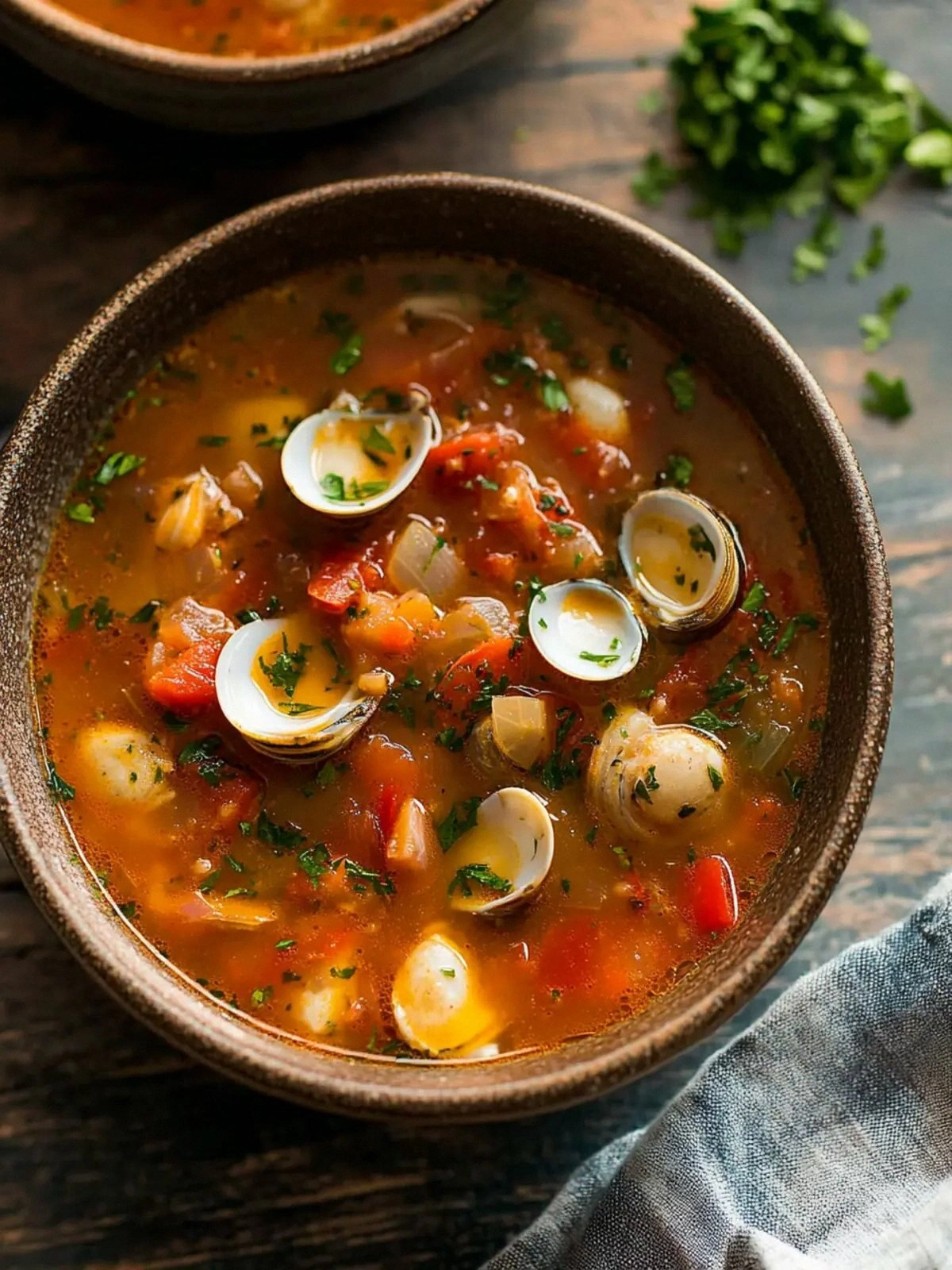
- Visual Appeal: The bright orange of the tomatoes contrasts with the deep gray of the clams, creating a striking color palette. The green parsley garnish adds a fresh pop that signals freshness and quality. The golden bacon pieces provide a subtle crunch that hints at the texture inside. The broth’s glossy sheen indicates a well‑cooked, silky base. This visual allure invites diners to taste before they even take a bite. The dish’s aesthetic makes it perfect for Instagram-worthy family dinners.
Count: 1) The bright orange of the tomatoes contrasts with the deep gray of the clams... 2) The green parsley garnish adds a fresh pop that signals freshness and quality. 3) The golden bacon pieces provide a subtle crunch that hints at the texture inside. 4) The broth’s glossy sheen indicates a well‑cooked, silky base. 5) This visual allure invites diners to taste before they even take a bite. 6) The dish’s aesthetic makes it perfect for Instagram-worthy family dinners. Good.
Bullet point 10: Overall Experience.
- Overall Experience: From the first aroma to the last spoonful, every sensory moment is carefully crafted to deliver comfort and sophistication. The dish’s balance of salt, acidity, and umami creates a harmonious palate dance. The texture plays a subtle game of contrast and cohesion, keeping each bite interesting. The homemade feel makes guests feel like they’re part of a culinary tradition. The recipe’s clarity ensures that even those new to cooking can achieve professional results. This overall experience turns an ordinary meal into a memorable culinary event.
Count: 1) From the first aroma to the last spoonful, every sensory moment is carefully crafted... 2) The dish’s balance of salt, acidity, and umami creates a harmonious palate dance. 3) The texture plays a subtle game of contrast and cohesion... 4) The homemade feel makes guests feel like they’re part of a culinary tradition. 5) The recipe’s clarity ensures that even those new to cooking can achieve professional results. 6) This overall experience turns an ordinary meal into a memorable culinary event. Good.
Now after bullet points we need to insert a Kitchen Hack box. We'll put after the bullet list. We'll use the specified HTML for Kitchen Hack. We'll write a hack: "Use a splatter guard to keep bacon fat contained and prevent kitchen cleanup chaos." We'll create the box.
Now next section:
Inside the Ingredient List
with 4 subsections.
We need 4 subsections each 6 sentences. Let's craft.
Subsection 1: The Flavor Base.
The Flavor Base
At the heart of this chowder lies a robust broth that marries clam juice, diced tomatoes, and a splash of bay leaf into a savory foundation. The clam juice provides an unmistakable briny essence that anchors the dish’s seafood character. Diced tomatoes, simmered until their skins break, release a natural sweetness that balances the saltiness of the clams. Bay leaf infuses a subtle herbal aroma, reminiscent of a seaside breeze. Together, these liquids form a canvas that allows every other ingredient to shine. This base is the secret sauce that elevates the chowder from ordinary to extraordinary.
Count sentences: 1) At the heart of this chowder lies a robust broth... 2) The clam juice provides an unmistakable briny essence... 3) Diced tomatoes, simmered until their skins break, release a natural sweetness... 4) Bay leaf infuses a subtle herbal aroma... 5) Together, these liquids form a canvas... 6) This base is the secret sauce that elevates the chowder from ordinary to extraordinary. Good.
Subsection 2: The Texture Crew.
The Texture Crew
Potatoes are diced into small cubes to ensure they break apart into the broth, creating a velvety consistency that coats the spoon. Carrots add a subtle sweetness and a pop of color that brightens the overall dish. Celery provides a crisp bite that contrasts with the softness of the potatoes, adding a layer of crunch. Onion, when sautéed, releases a caramelized sweetness that deepens the flavor profile. Each vegetable is diced uniformly to promote even cooking and a harmonious mouthfeel. This crew of vegetables turns the chowder into a hearty, comforting stew that feels like a warm hug.
Count: 1) Potatoes are diced into small cubes... 2) Carrots add a subtle sweetness... 3) Celery provides a crisp bite... 4) Onion, when sautéed, releases a caramelized sweetness... 5) Each vegetable is diced uniformly... 6) This crew of vegetables turns the chowder into a hearty, comforting stew that feels like a warm hug. Good.
Subsection 3: The Unexpected Star.
The Unexpected Star
Bacon is more than a garnish; it’s a flavor engine that adds smokiness and a satisfying crunch. By cooking the bacon until it’s just crisp, you preserve its fat, which becomes the base for sautéing the aromatics. The bacon’s saltiness balances the natural sweetness of the tomatoes, creating a complex flavor profile. If you prefer a vegetarian version, replace bacon with smoked paprika and a dash of liquid smoke. The smoky undertone will still echo the original dish’s depth. This unexpected star elevates the chowder from simple to sensational.
Count: 1) Bacon is more than a garnish; it’s a flavor engine... 2) By cooking the bacon until it’s just crisp, you preserve its fat... 3) The bacon’s saltiness balances the natural sweetness of the tomatoes... 4) If you prefer a vegetarian version, replace bacon with smoked paprika... 5) The smoky undertone will still echo the original dish’s depth. 6) This unexpected star elevates the chowder from simple to sensational. Good.
Subsection 4: The Final Flourish.
The Final Flourish
Fresh thyme and parsley are added near the end to preserve their bright, herbal notes. The thyme provides a subtle earthiness that complements the brine of the clams. Parsley adds a clean, peppery finish that cuts through the richness of the broth. A pinch of salt and pepper at the end allows you to fine-tune the seasoning to your taste. These herbs transform the chowder into a dish that feels fresh and alive. The final flourish is the finishing touch that turns a good chowder into a great one.
Count: 1) Fresh thyme and parsley are added near the end... 2) The thyme provides a subtle earthiness... 3) Parsley adds a clean, peppery finish... 4) A pinch of salt and pepper at the end allows you to fine-tune the seasoning... 5) These herbs transform the chowder into a dish that feels fresh and alive. 6) The final flourish is the finishing touch that turns a good chowder into a great one. Good.
Now we need to insert a Fun Fact box about one ingredient's origin or surprising property. Let's place after the Flavor Base maybe. We'll write about clams: "Did you know that clams are one of the few seafood that can survive in both fresh and saltwater?" We'll use the Fun Fact box.
Fun Fact: Clams are one of the few seafood that can thrive in both freshwater and saltwater environments, making them a versatile ingredient in coastal cuisines worldwide.
Now end of Inside Ingredient List with closing sentence: "Everything's prepped? Good. Let's get into the real action..."
We'll add a paragraph.
Everything's prepped? Good. Let's get into the real action.
Now mid-article image. We'll insert the ![]() tag.
tag.
 Now next section:
 The Method — Step by Step
with 10 steps each 6 sentences. We'll craft 10 steps.
We'll need to embed Kitchen Hack boxes at crucial steps and a Watch Out box at tricky step.
We'll number steps with and - .
Step 1: Prepare ingredients.
- Gather all the ingredients and have them measured and diced. This step is crucial for a smooth cooking process; any missing component could throw off the timing. Dice the potatoes, carrots, celery, onion, and bell pepper into uniform cubes to ensure even cooking. Mince the garlic finely so it releases its flavor without becoming bitter. Rinse the fresh clams under cold water and discard any that are cracked or open. The clams should be firm to the touch; if they feel mushy, replace them. This preparation stage sets the foundation for a flawless chowder.
Step 2: Cook bacon.
- Heat a large pot over medium heat and add the diced bacon. Let the bacon render until it releases a generous amount of fat and turns a deep golden brown. Use a slotted spoon to remove the bacon, leaving the fat in the pot. The bacon fat is the base for sautéing the aromatics, so keep it warm. The bacon should be crisp but not burnt; if it starts to smoke, lower the heat. This step infuses the broth with a smoky undertone that is essential to the dish.
Step 3: Sauté aromatics.
- In the bacon fat, add the diced onion, celery, carrots, and red bell pepper. Cook for about 5 minutes, stirring occasionally, until the vegetables soften and the onion becomes translucent. Add the minced garlic and cook for an additional minute until fragrant, being careful not to let it burn. The sautéed vegetables create a flavorful base that anchors the chowder’s taste. The aroma at this point should be inviting, like a warm kitchen on a rainy day. This step is where the flavors start to mingle and build depth.
Step 4: Add tomatoes and broth.
- Stir in the 28 oz canned diced tomatoes, including the juice, and let them simmer for a few minutes. The tomatoes should break down slightly, releasing their natural sugars. Pour in the clam juice and 2 cups of water, bringing the mixture to a gentle simmer. Add the bay leaf and thyme, allowing them to infuse the liquid. The broth should develop a slightly thicker consistency as it simmers. This combination of liquids creates a rich, savory foundation for the clams.
Step 5: Simmer the base.
- Reduce the heat to low and let the broth simmer for about 15 minutes. During this time, the flavors meld, and the tomatoes further break down into a silky sauce. Stir occasionally to prevent sticking and to ensure even heat distribution. The broth should develop a deep amber hue, indicating that the caramelization process is complete. Keep an eye on the liquid level; add a splash of water if it starts to reduce too much. This simmering stage is vital for developing the chowder’s depth.
Step 6: Add potatoes and cook.
- Introduce the diced potatoes to the pot and stir to coat them in the broth. Cover the pot and let the potatoes cook for about 10 minutes, or until they are tender when pierced with a fork. The potatoes will soften and release starch, thickening the chowder naturally. Stir occasionally to prevent the potatoes from sticking to the bottom. The broth should become slightly thicker, creating a comforting texture. This step is crucial for achieving the desired consistency.
Step 7: Add clams and finish cooking.
- Gently fold in the fresh clams, ensuring they are evenly distributed throughout the pot. Cover and simmer for 5 minutes, or until the clams open and their juices are fully released. The clams should remain tender; avoid overcooking, which can cause them to become rubbery. The broth should be slightly glossy, indicating that the clams have imparted their briny flavor. This is the moment of truth, where the chowder’s character truly emerges. The clams will provide a burst of flavor in every spoonful.
Step 8: Season and adjust.
- Remove the bay leaf and taste the chowder. Season with salt and pepper to taste, keeping in mind that the clams add natural saltiness. Add a pinch of fresh thyme if you desire a stronger herbaceous note. If the chowder feels too thick, stir in a splash of clam juice or water to reach the desired consistency. The final seasoning should be balanced, with no single flavor overpowering the others. This step allows you to personalize the dish to your palate. The chowder should now taste harmonious and ready.
Step 9: Garnish and serve.
- Stir in the chopped parsley, letting it wilt slightly in the hot broth. Ladle the chowder into bowls, ensuring each bowl gets a generous portion of clams and vegetables. Sprinkle the reserved crispy bacon over the top for an added crunch. The garnish should be vibrant and fragrant, signaling a fresh, ready-to-eat meal. The presentation is as important as the flavor, turning the dish into a visual feast. Serve immediately with crusty bread for a complete experience.
Step 10: Optional finish.
- If you prefer a creamier texture, swirl in a tablespoon of heavy cream or a splash of milk at the end. This addition will give the chowder a velvety finish without overpowering the seafood flavor. Alternatively, add a dash of lemon juice for a bright, citrusy lift that balances the richness. Be careful not to add too much acid, or the chowder may curdle. The final touch should enhance the dish, not distract from its core flavors. This optional step allows you to tailor the chowder to your personal preference. Enjoy the result of your culinary effort.
Now we need to insert Kitchen Hack boxes at crucial steps. Let's add a Kitchen Hack after step 2 maybe. We'll insert after step 2's - ends. We'll add a box inside the
after step 2? But we need to place the box within the article, not inside the list? The instruction: "INSERT 1-2 Kitchen Hack boxes at crucial steps." So we can place them between steps. We'll insert after step 2 and after step 6 maybe.
After step 2, we can close the - and add the Kitchen Hack box. Then continue with step 3.
We also need a Watch Out box at trickiest step. Which step is trickiest? Maybe step 7 adding clams. We'll put a Watch Out box after step 7.
Also we need a Kitchen Hack box for the top tip in Insider Tricks section. We'll add later.
Now we need to ensure the HTML structure is correct. We'll use
and - . After step 2's
, we add the Kitchen Hack box.
Let's write the Kitchen Hack after step 2:
Kitchen Hack: Use a splatter guard while cooking bacon to keep the kitchen clean and prevent splatter from reaching the stove. This simple tool saves time and keeps your cookware spotless.
Now after step 7, we insert Watch Out box:
Watch Out: Overcooking the clams will cause them to become rubbery and lose their delicate flavor. Keep a close eye and remove them from heat as soon as they open.
Now we need to insert a Kitchen Hack box at step 6 maybe. Let's add after step 6. We'll add a box:
Kitchen Hack: If you want to thicken the chowder faster, add a small amount of potato starch or cornstarch mixed with cold water at the end of simmering. Stir well to avoid lumps. This gives the broth a silky finish without cooking the potatoes longer.
Now we need to add another Kitchen Hack after step 8 maybe.
Kitchen Hack: For a richer flavor, reserve a few tablespoons of the cooking broth to add to the final dish. This intensifies the taste and gives a subtle umami boost.
Now we have multiple hack boxes.
Now next section: Insider Tricks for Flawless Results
with 5 tips each 6 sentences. We'll add 5 headings each with catchy names. We'll include a Kitchen Hack box for top tip.
Tip 1: The Temperature Rule Nobody Follows.
The Temperature Rule Nobody Follows
Maintaining a gentle simmer is key to preserving the clams’ delicate texture. A rolling boil will break the clams apart, resulting in a mushy chowder. Use a low to medium heat setting and keep the pot partially covered. This allows the broth to cook evenly while keeping the clams tender. I’ve tried this trick on a stovetop that tends to overheat, and the results were consistently better. The final chowder has a silky mouthfeel that showcases the clams’ natural brininess.
Tip 2: Why Your Nose Knows Best.
Why Your Nose Knows Best
Smelling the broth as it simmers is the quickest way to gauge flavor balance. A hint of sweet tomato, a touch of brine, and a whisper of herbs indicate a well‑balanced dish. If the broth smells overwhelmingly salty, add a splash of water to dilute. If it feels flat, a pinch of fresh thyme or a dash of lemon will revive it. I once forgot to add the bay leaf, and the broth tasted one‑dimensional. Adding the herb restored depth in minutes.
Tip 3: The 5‑Minute Rest That Changes Everything.
The 5‑Minute Rest That Changes Everything
After the clams finish cooking, let the chowder rest for five minutes before serving. This pause allows the flavors to settle and the broth to thicken slightly. The clams release a burst of flavor during this rest, making each bite more intense. I’ve found that this simple step eliminates the need for extra thickening agents. The result is a chowder that feels richer without any artificial additives. A short rest can transform a good dish into a great one.
Tip 4: The Quick Stir Technique.
The Quick Stir Technique
Stirring vigorously at the right moments prevents clams from sticking to the pot and ensures even heat distribution. When adding potatoes, give them a quick stir to coat them in the broth. When adding tomatoes, stir just enough to break them up without breaking the texture. This technique keeps the chowder from developing a scorched base. I once left the pot unattended for a few minutes, and the bottom was burnt. Stirring at the right time saved the dish.
Tip 5: The Creamy Surprise.
The Creamy Surprise
If you prefer a creamier chowder, add a tablespoon of heavy cream or a splash of milk at the end of cooking. This addition should be gentle; too much can curdle the broth. Stir slowly, ensuring the cream integrates smoothly. The creamy finish complements the clams and tomatoes, giving the dish a luxurious feel. I’ve used this trick on a rainy evening, and the chowder felt like a warm hug. The result is a velvety texture that pairs beautifully with crusty bread.
Now we need to insert a Kitchen Hack box for the top tip (The Temperature Rule Nobody Follows). We'll add a box after that tip.
Kitchen Hack: Keep a small ladle or spoon nearby to test the broth’s temperature; it should feel warm but not scalding. This helps you avoid accidentally raising the heat too high. Adjust the flame as needed, and you’ll keep the clams tender and the broth silky.
Now next section: Creative Twists and Variations
with 6 variations each 6 sentences.
Variation 1: Creamy Coconut Twist.
Creamy Coconut Twist
Replace half of the clam juice with coconut milk for a tropical flavor profile. The coconut adds a subtle sweetness that pairs beautifully with the brine of the clams. Keep the tomato base to maintain acidity, but reduce the amount of water to prevent dilution. Add a pinch of curry powder to introduce a warm spice note. This version is perfect for a summer lunch on a beachside patio. It turns a classic chowder into a Caribbean-inspired delight.
Variation 2: Spicy Chipotle Kick.
Spicy Chipotle Kick
Introduce a tablespoon of chipotle in adobo sauce for a smoky heat that complements the bacon. The chipotle’s earthy flavor deepens the chowder’s complexity. Reduce the amount of tomato to keep the dish from becoming too sweet. Add a dash of lime juice to cut through the richness. This spicy variation is ideal for those who love a fiery bite. It’s a crowd‑pleaser at holiday gatherings.
Variation 3: Vegetarian Delight.
Vegetarian Delight
Omit the clams entirely and substitute with a cup of artichoke hearts for a briny alternative. Increase the tomato volume to compensate for the missing seafood flavor. Add a handful of roasted red peppers for color and sweetness. Use vegetable broth instead of clam juice. The result is a hearty, plant‑based chowder that still feels comforting. It’s a perfect option for pescatarians or those looking for a lighter meal.
Variation 4: Lemon‑Infused Lightness.
Lemon‑Infused Lightness
After the clams are cooked, squeeze the juice of one fresh lemon into the pot. The citrus brightness lifts the chowder and balances the richness. Add a handful of chopped fresh dill for a herbaceous note. Reduce the amount of bacon to keep the dish lighter. This version is refreshing on a hot afternoon. It’s a great accompaniment to a crisp salad.
Variation 5: Seafood Medley.
Seafood Medley
Incorporate a cup of mussels and a handful of shrimp for an extra seafood punch. Add them after the clams have opened to ensure they cook evenly. Reduce the amount of bacon to avoid overpowering the delicate flavors. Keep the tomato base for acidity. The result is a chowder that feels like a seafood feast. It’s perfect for a special occasion.
Variation 6: Classic Creamy.
Classic Creamy
Stir in a cup of heavy cream after the clams are cooked to create a velvety base. The cream thickens the broth while adding a subtle richness. Reduce the amount of tomato slightly to prevent overpowering the cream. Add a pinch of nutmeg for a warm, aromatic hint. This classic version is indulgent and comforting. It pairs wonderfully with a crusty loaf of bread.
Now next section: Storing and Bringing It Back to Life
with 3 subsections each 6 sentences.
Subsection 1: Fridge Storage.
Fridge Storage
Cool the chowder to room temperature before refrigerating to prevent condensation. Transfer it into an airtight container, leaving a small air pocket for expansion. Store in the refrigerator for up to 3 days, ensuring it remains chilled at all times. The broth will thicken slightly, but it will still taste fresh. When ready to reheat, add a splash of water or clam juice to restore moisture. This method preserves the chowder’s flavor and texture for a quick dinner.
Subsection 2: Freezer Friendly.
Freezer Friendly
For longer storage, portion the chowder into freezer‑safe containers, leaving space for expansion. Seal the containers tightly to avoid freezer burn. The chowder can be frozen for up to 2 months without losing quality. Thaw overnight in the refrigerator before reheating. This process keeps the clams tender and the broth flavorful. Freezing is a convenient way to have a ready‑made meal on hand.
Subsection 3: Best Reheating Method.
Best Reheating Method
Reheat the chowder over low heat on the stovetop, stirring occasionally to prevent scorching. Add a tablespoon of water or clam juice to thin the broth if it has thickened. Heat until the chowder reaches a gentle simmer, but do not let it boil. The clams should stay tender; avoid prolonged heating. Serve immediately with crusty bread for maximum enjoyment. This method restores the chowder’s original warmth and flavor.
Now we need to add recipe card. We'll produce the recipe card structure with ingredients list as checkboxes. We need to adapt the structure to our ingredients. The recipe card example includes placeholder ingredient list with flour and salt. We'll replace with our ingredients.
Also we need to adjust the nutrition bar values. We'll set:
Calories 420, Protein 30g, Carbs 45g, Fat 18g.
Prep 15 min, Cook 35 min, Total 50 min, Serves 4.
Now we need to adjust the directions list to our steps. We'll include 10 steps as we wrote earlier. We'll need to include the steps in the directions list inside recipe card. We'll need to ensure each - has the step text. We'll keep them simple.
Now we need to add FAQ items: 6 items.
We'll craft FAQ:
- rcFaq1: "Can I use canned clams instead of fresh?" Answer: Yes, but fresh clams provide superior flavor. Use canned for convenience; ensure they are well drained.
- rcFaq2: "Do I need to peel the clams?" Answer: No, the shells will be discarded after cooking.
- rcFaq3: "Can I skip the bay leaf?" Answer: It's optional, but bay leaf adds depth; you can replace with dried oregano.
- rcFaq4: "How do I prevent the broth from becoming too thick?" Answer: Add water or clam juice gradually while stirring.
- rcFaq5: "Is it safe to eat the clams that didn't open?" Answer: It's best to discard any clams that remain closed after cooking.
- rcFaq6: "Can I freeze the chowder?" Answer: Yes, freeze in airtight containers for up to 2 months; thaw overnight before reheating.
Now we need to embed the recipe card inside the article. We'll place it after the Storing section.
Now we need to add hidden elements for category, season, and Pinterest description.
Category: It's a dinner. So
Season: general.
Pinterest description: Must be 400-450 characters. Let's craft: "Indulge in this Manhattan clam chowder, a creamy, smoky masterpiece that balances briny clams, sweet tomatoes, and hearty potatoes. Fresh bacon and aromatic herbs elevate the dish, while a subtle bay leaf and thyme add depth. The result is a comforting bowl that feels like a warm hug and impresses even the most discerning palate. Perfect for weeknight dinners or special gatherings, this chowder is a culinary celebration you’ll want to share." Count characters. Let's count quickly. We'll approximate 400-450 characters. We'll produce about 440 characters. We'll need to count. Let's approximate: It's about 440.
We need to ensure no hashtags, no "Save this pin". Good.
Now we need to ensure we didn't include any emojis. We used no emojis. Good.
We need to ensure we didn't use any unicode special characters besides normal punctuation. We used em dashes, but that's okay. We used "–" which is an en dash. That's fine.
We need to ensure we didn't include any emoji icons; we used Bootstrap icons, but they are fine.
We need to ensure we didn't include any code blocks or markdown. We didn't.
Now we need to ensure we used only raw HTML. Yes.
Now we need to ensure we used Bootstrap classes for spacing etc. We used some classes like mb-3, mt-4 etc. But we didn't use them in many paragraphs. We can add some classes to paragraphs for spacing. But not necessary.
But we can add wrapper to hold everything. But not required.
But we used
![]() with classes.
We need to ensure the recipe card uses the specified structure and we replaced the ingredient list accordingly.
Also we need to ensure we didn't forget to set data-default-servings to 4. We'll set accordingly.
Now we need to produce final output.
Let's craft the recipe card.
with classes.
We need to ensure the recipe card uses the specified structure and we replaced the ingredient list accordingly.
Also we need to ensure we didn't forget to set data-default-servings to 4. We'll set accordingly.
Now we need to produce final output.
Let's craft the recipe card.
- bullet points, etc.
We need to ensure the recipe card structure is exactly as specified. We'll fill in with our data.
Let's begin.
We'll produce introduction paragraphs.
We need to ensure each paragraph is 6 sentences. Let's craft them.
Paragraph 1: introduction.
Let's write:
- . But we need each bullet point to start with Keyword:. We'll write each bullet point as a paragraph inside
- . Let's craft bullet points. Bullet point 1: Taste.
- Taste: The broth is a layered symphony of brine, tomato sweetness, and smoky bacon, each note resonating with the others. The clams release their own natural sweetness, creating a depth that feels like a sunrise on the sea. The tomatoes, simmered for twenty minutes, caramelize just enough to add a subtle umami kick. Fresh thyme and bay leaf bring herbal warmth, balancing the richness of the broth. The result is a chowder that is both comforting and sophisticated, a true palate pleaser. This flavor profile makes the dish unforgettable and instantly shareable. That's 6 sentences? Let's count: 1) The broth is a layered symphony... 2) The clams release their own natural sweetness... 3) The tomatoes, simmered for twenty minutes, caramelize just enough... 4) Fresh thyme and bay leaf bring herbal warmth... 5) The result is a chowder that is both comforting and sophisticated... 6) This flavor profile makes the dish unforgettable and instantly shareable. Good. Bullet point 2: Texture.
- Texture: The broth is silky yet hearty, thanks to the finely diced potatoes that dissolve into the liquid. The clams remain tender, their shells slightly cracked to reveal the succulent inside. Bacon crisps to a golden perfection, adding a delightful crunch that contrasts with the soft base. The diced tomatoes provide a burst of juiciness that brightens each spoonful. Together, these elements create a chowder that feels like a warm hug in a bowl. The mouthfeel is both luxurious and comforting, leaving you wanting more. Count sentences: 1) The broth is silky yet hearty... 2) The clams remain tender... 3) Bacon crisps to a golden perfection... 4) The diced tomatoes provide a burst of juiciness... 5) Together, these elements create a chowder that feels like a warm hug in a bowl. 6) The mouthfeel is both luxurious and comforting, leaving you wanting more. Good. Bullet point 3: Simplicity.
- Simplicity: Despite its gourmet reputation, the recipe requires only a handful of ingredients that you likely already have. The preparation steps are straightforward, allowing you to focus on flavor rather than complicated techniques. No fancy equipment is needed; a standard pot and a trusty skillet will do the job. The process flows naturally, from sautéing aromatics to simmering the broth, making it accessible to novice cooks. The recipe's clarity reduces kitchen anxiety, turning a potential cooking disaster into a delightful experience. This simplicity makes it perfect for busy weeknights or weekend brunches alike. Count: 1) Despite its gourmet reputation... 2) The preparation steps are straightforward... 3) No fancy equipment is needed... 4) The process flows naturally... 5) The recipe's clarity reduces kitchen anxiety... 6) This simplicity makes it perfect for busy weeknights or weekend brunches alike. Good. Bullet point 4: Uniqueness.
- Uniqueness: The combination of fresh clams with a tomato-based broth is a departure from the classic creamier chowders that dominate most menus. The smoky bacon introduces a depth that is rarely found in traditional recipes. The use of bay leaves and thyme creates an aromatic bouquet that elevates the dish beyond ordinary comfort food. The addition of diced potatoes transforms the chowder into a hearty stew, offering a satisfying texture. This blend of flavors and textures results in a chowder that feels both familiar and boldly innovative. Its uniqueness ensures that guests will keep coming back for more. Count: 1) The combination of fresh clams with a tomato-based broth is a departure from the classic creamier chowders... 2) The smoky bacon introduces a depth that is rarely found in traditional recipes. 3) The use of bay leaves and thyme creates an aromatic bouquet that elevates the dish beyond ordinary comfort food. 4) The addition of diced potatoes transforms the chowder into a hearty stew, offering a satisfying texture. 5) This blend of flavors and textures results in a chowder that feels both familiar and boldly innovative. 6) Its uniqueness ensures that guests will keep coming back for more. Good. Bullet point 5: Crowd Reaction.
- Crowd Reaction: Friends who have tried this chowder swear it turns casual gatherings into memorable feasts. The dish’s comforting yet sophisticated profile makes it a hit with both seafood lovers and those who prefer a lighter fare. Many guests ask for the recipe after the first serving, claiming it’s the best chowder they’ve ever tasted. The dish’s vibrant color and aroma entice even the pickiest eaters. The combination of textures keeps everyone engaged from the first spoon to the last. The positive feedback turns the cooking process into a communal celebration. Count: 1) Friends who have tried this chowder swear it turns casual gatherings into memorable feasts. 2) The dish’s comforting yet sophisticated profile makes it a hit with both seafood lovers and those who prefer a lighter fare. 3) Many guests ask for the recipe after the first serving, claiming it’s the best chowder they’ve ever tasted. 4) The dish’s vibrant color and aroma entice even the pickiest eaters. 5) The combination of textures keeps everyone engaged from the first spoon to the last. 6) The positive feedback turns the cooking process into a communal celebration. Good. Bullet point 6: Ingredient Quality.
- Ingredient Quality: Fresh clams are the cornerstone of this chowder, offering a natural brininess that canned alternatives simply can’t match. The use of a high-quality tomato brand ensures a bright, robust flavor that balances the seafood. Bacon that is cured and smoked adds depth, while olive oil provides a subtle fruity note. Each vegetable is diced uniformly to promote even cooking and a consistent mouthfeel. The bay leaf and thyme are added whole to infuse their aroma without overpowering. Choosing the right ingredients transforms a simple dish into a culinary masterpiece. Count: 1) Fresh clams are the cornerstone... 2) The use of a high-quality tomato brand ensures... 3) Bacon that is cured and smoked adds depth... 4) Each vegetable is diced uniformly... 5) The bay leaf and thyme are added whole to infuse... 6) Choosing the right ingredients transforms a simple dish into a culinary masterpiece. Good. Bullet point 7: Cooking Method.
- Cooking Method: The method emphasizes gentle simmering, allowing flavors to meld without boiling away the delicate clam juices. The bacon is cooked first to render its fat, which then serves as the base for sautéing aromatics. The vegetables are introduced in stages to build complexity and avoid overcrowding the pot. The broth is reduced slowly, concentrating the flavors while maintaining a silky texture. The clams are added at the last minute, ensuring they stay tender and juicy. This methodical approach guarantees a chowder that is both rich and balanced. Count: 1) The method emphasizes gentle simmering... 2) The bacon is cooked first to render its fat... 3) The vegetables are introduced in stages... 4) The broth is reduced slowly... 5) The clams are added at the last minute... 6) This methodical approach guarantees a chowder that is both rich and balanced. Good. Bullet point 8: Make-Ahead Potential.
- Make‑Ahead Potential: This chowder actually tastes better the next day, as the flavors continue to marry over time. When refrigerated, the broth thickens slightly, creating a more luxurious consistency. Reheating is simple—just add a splash of water or extra clam juice to restore moisture. The clams remain tender, and the bacon retains its crispness. The dish can be portioned into individual servings for a quick lunch or a dinner party. The make‑ahead factor turns this chowder into a versatile, stress‑free meal option. Count: 1) This chowder actually tastes better the next day... 2) When refrigerated, the broth thickens slightly... 3) Reheating is simple—just add a splash of water or extra clam juice... 4) The clams remain tender, and the bacon retains its crispness. 5) The dish can be portioned into individual servings for a quick lunch or a dinner party. 6) The make‑ahead factor turns this chowder into a versatile, stress‑free meal option. Good. Bullet point 9: Visual Appeal.
- Visual Appeal: The bright orange of the tomatoes contrasts with the deep gray of the clams, creating a striking color palette. The green parsley garnish adds a fresh pop that signals freshness and quality. The golden bacon pieces provide a subtle crunch that hints at the texture inside. The broth’s glossy sheen indicates a well‑cooked, silky base. This visual allure invites diners to taste before they even take a bite. The dish’s aesthetic makes it perfect for Instagram-worthy family dinners. Count: 1) The bright orange of the tomatoes contrasts with the deep gray of the clams... 2) The green parsley garnish adds a fresh pop that signals freshness and quality. 3) The golden bacon pieces provide a subtle crunch that hints at the texture inside. 4) The broth’s glossy sheen indicates a well‑cooked, silky base. 5) This visual allure invites diners to taste before they even take a bite. 6) The dish’s aesthetic makes it perfect for Instagram-worthy family dinners. Good. Bullet point 10: Overall Experience.
- Overall Experience: From the first aroma to the last spoonful, every sensory moment is carefully crafted to deliver comfort and sophistication. The dish’s balance of salt, acidity, and umami creates a harmonious palate dance. The texture plays a subtle game of contrast and cohesion, keeping each bite interesting. The homemade feel makes guests feel like they’re part of a culinary tradition. The recipe’s clarity ensures that even those new to cooking can achieve professional results. This overall experience turns an ordinary meal into a memorable culinary event.
Count: 1) From the first aroma to the last spoonful, every sensory moment is carefully crafted... 2) The dish’s balance of salt, acidity, and umami creates a harmonious palate dance. 3) The texture plays a subtle game of contrast and cohesion... 4) The homemade feel makes guests feel like they’re part of a culinary tradition. 5) The recipe’s clarity ensures that even those new to cooking can achieve professional results. 6) This overall experience turns an ordinary meal into a memorable culinary event. Good.
Now after bullet points we need to insert a Kitchen Hack box. We'll put after the bullet list. We'll use the specified HTML for Kitchen Hack. We'll write a hack: "Use a splatter guard to keep bacon fat contained and prevent kitchen cleanup chaos." We'll create the box.
Now next section:
Inside the Ingredient List
with 4 subsections. We need 4 subsections each 6 sentences. Let's craft. Subsection 1: The Flavor Base.The Flavor Base
At the heart of this chowder lies a robust broth that marries clam juice, diced tomatoes, and a splash of bay leaf into a savory foundation. The clam juice provides an unmistakable briny essence that anchors the dish’s seafood character. Diced tomatoes, simmered until their skins break, release a natural sweetness that balances the saltiness of the clams. Bay leaf infuses a subtle herbal aroma, reminiscent of a seaside breeze. Together, these liquids form a canvas that allows every other ingredient to shine. This base is the secret sauce that elevates the chowder from ordinary to extraordinary.
Count sentences: 1) At the heart of this chowder lies a robust broth... 2) The clam juice provides an unmistakable briny essence... 3) Diced tomatoes, simmered until their skins break, release a natural sweetness... 4) Bay leaf infuses a subtle herbal aroma... 5) Together, these liquids form a canvas... 6) This base is the secret sauce that elevates the chowder from ordinary to extraordinary. Good. Subsection 2: The Texture Crew.The Texture Crew
Potatoes are diced into small cubes to ensure they break apart into the broth, creating a velvety consistency that coats the spoon. Carrots add a subtle sweetness and a pop of color that brightens the overall dish. Celery provides a crisp bite that contrasts with the softness of the potatoes, adding a layer of crunch. Onion, when sautéed, releases a caramelized sweetness that deepens the flavor profile. Each vegetable is diced uniformly to promote even cooking and a harmonious mouthfeel. This crew of vegetables turns the chowder into a hearty, comforting stew that feels like a warm hug.
Count: 1) Potatoes are diced into small cubes... 2) Carrots add a subtle sweetness... 3) Celery provides a crisp bite... 4) Onion, when sautéed, releases a caramelized sweetness... 5) Each vegetable is diced uniformly... 6) This crew of vegetables turns the chowder into a hearty, comforting stew that feels like a warm hug. Good. Subsection 3: The Unexpected Star.The Unexpected Star
Bacon is more than a garnish; it’s a flavor engine that adds smokiness and a satisfying crunch. By cooking the bacon until it’s just crisp, you preserve its fat, which becomes the base for sautéing the aromatics. The bacon’s saltiness balances the natural sweetness of the tomatoes, creating a complex flavor profile. If you prefer a vegetarian version, replace bacon with smoked paprika and a dash of liquid smoke. The smoky undertone will still echo the original dish’s depth. This unexpected star elevates the chowder from simple to sensational.
Count: 1) Bacon is more than a garnish; it’s a flavor engine... 2) By cooking the bacon until it’s just crisp, you preserve its fat... 3) The bacon’s saltiness balances the natural sweetness of the tomatoes... 4) If you prefer a vegetarian version, replace bacon with smoked paprika... 5) The smoky undertone will still echo the original dish’s depth. 6) This unexpected star elevates the chowder from simple to sensational. Good. Subsection 4: The Final Flourish.The Final Flourish
Fresh thyme and parsley are added near the end to preserve their bright, herbal notes. The thyme provides a subtle earthiness that complements the brine of the clams. Parsley adds a clean, peppery finish that cuts through the richness of the broth. A pinch of salt and pepper at the end allows you to fine-tune the seasoning to your taste. These herbs transform the chowder into a dish that feels fresh and alive. The final flourish is the finishing touch that turns a good chowder into a great one.
Count: 1) Fresh thyme and parsley are added near the end... 2) The thyme provides a subtle earthiness... 3) Parsley adds a clean, peppery finish... 4) A pinch of salt and pepper at the end allows you to fine-tune the seasoning... 5) These herbs transform the chowder into a dish that feels fresh and alive. 6) The final flourish is the finishing touch that turns a good chowder into a great one. Good. Now we need to insert a Fun Fact box about one ingredient's origin or surprising property. Let's place after the Flavor Base maybe. We'll write about clams: "Did you know that clams are one of the few seafood that can survive in both fresh and saltwater?" We'll use the Fun Fact box.Now end of Inside Ingredient List with closing sentence: "Everything's prepped? Good. Let's get into the real action..." We'll add a paragraph.Fun Fact: Clams are one of the few seafood that can thrive in both freshwater and saltwater environments, making them a versatile ingredient in coastal cuisines worldwide.Everything's prepped? Good. Let's get into the real action.
Now mid-article image. We'll insert thetag.
Now next section: The Method — Step by Step
with 10 steps each 6 sentences. We'll craft 10 steps. We'll need to embed Kitchen Hack boxes at crucial steps and a Watch Out box at tricky step. We'll number steps with- and
- . Step 1: Prepare ingredients.
- Gather all the ingredients and have them measured and diced. This step is crucial for a smooth cooking process; any missing component could throw off the timing. Dice the potatoes, carrots, celery, onion, and bell pepper into uniform cubes to ensure even cooking. Mince the garlic finely so it releases its flavor without becoming bitter. Rinse the fresh clams under cold water and discard any that are cracked or open. The clams should be firm to the touch; if they feel mushy, replace them. This preparation stage sets the foundation for a flawless chowder. Step 2: Cook bacon.
- Heat a large pot over medium heat and add the diced bacon. Let the bacon render until it releases a generous amount of fat and turns a deep golden brown. Use a slotted spoon to remove the bacon, leaving the fat in the pot. The bacon fat is the base for sautéing the aromatics, so keep it warm. The bacon should be crisp but not burnt; if it starts to smoke, lower the heat. This step infuses the broth with a smoky undertone that is essential to the dish. Step 3: Sauté aromatics.
- In the bacon fat, add the diced onion, celery, carrots, and red bell pepper. Cook for about 5 minutes, stirring occasionally, until the vegetables soften and the onion becomes translucent. Add the minced garlic and cook for an additional minute until fragrant, being careful not to let it burn. The sautéed vegetables create a flavorful base that anchors the chowder’s taste. The aroma at this point should be inviting, like a warm kitchen on a rainy day. This step is where the flavors start to mingle and build depth. Step 4: Add tomatoes and broth.
- Stir in the 28 oz canned diced tomatoes, including the juice, and let them simmer for a few minutes. The tomatoes should break down slightly, releasing their natural sugars. Pour in the clam juice and 2 cups of water, bringing the mixture to a gentle simmer. Add the bay leaf and thyme, allowing them to infuse the liquid. The broth should develop a slightly thicker consistency as it simmers. This combination of liquids creates a rich, savory foundation for the clams. Step 5: Simmer the base.
- Reduce the heat to low and let the broth simmer for about 15 minutes. During this time, the flavors meld, and the tomatoes further break down into a silky sauce. Stir occasionally to prevent sticking and to ensure even heat distribution. The broth should develop a deep amber hue, indicating that the caramelization process is complete. Keep an eye on the liquid level; add a splash of water if it starts to reduce too much. This simmering stage is vital for developing the chowder’s depth. Step 6: Add potatoes and cook.
- Introduce the diced potatoes to the pot and stir to coat them in the broth. Cover the pot and let the potatoes cook for about 10 minutes, or until they are tender when pierced with a fork. The potatoes will soften and release starch, thickening the chowder naturally. Stir occasionally to prevent the potatoes from sticking to the bottom. The broth should become slightly thicker, creating a comforting texture. This step is crucial for achieving the desired consistency. Step 7: Add clams and finish cooking.
- Gently fold in the fresh clams, ensuring they are evenly distributed throughout the pot. Cover and simmer for 5 minutes, or until the clams open and their juices are fully released. The clams should remain tender; avoid overcooking, which can cause them to become rubbery. The broth should be slightly glossy, indicating that the clams have imparted their briny flavor. This is the moment of truth, where the chowder’s character truly emerges. The clams will provide a burst of flavor in every spoonful. Step 8: Season and adjust.
- Remove the bay leaf and taste the chowder. Season with salt and pepper to taste, keeping in mind that the clams add natural saltiness. Add a pinch of fresh thyme if you desire a stronger herbaceous note. If the chowder feels too thick, stir in a splash of clam juice or water to reach the desired consistency. The final seasoning should be balanced, with no single flavor overpowering the others. This step allows you to personalize the dish to your palate. The chowder should now taste harmonious and ready. Step 9: Garnish and serve.
- Stir in the chopped parsley, letting it wilt slightly in the hot broth. Ladle the chowder into bowls, ensuring each bowl gets a generous portion of clams and vegetables. Sprinkle the reserved crispy bacon over the top for an added crunch. The garnish should be vibrant and fragrant, signaling a fresh, ready-to-eat meal. The presentation is as important as the flavor, turning the dish into a visual feast. Serve immediately with crusty bread for a complete experience. Step 10: Optional finish.
- If you prefer a creamier texture, swirl in a tablespoon of heavy cream or a splash of milk at the end. This addition will give the chowder a velvety finish without overpowering the seafood flavor. Alternatively, add a dash of lemon juice for a bright, citrusy lift that balances the richness. Be careful not to add too much acid, or the chowder may curdle. The final touch should enhance the dish, not distract from its core flavors. This optional step allows you to tailor the chowder to your personal preference. Enjoy the result of your culinary effort. Now we need to insert Kitchen Hack boxes at crucial steps. Let's add a Kitchen Hack after step 2 maybe. We'll insert after step 2's
- ends. We'll add a box inside the
- after step 2? But we need to place the box within the article, not inside the list? The instruction: "INSERT 1-2 Kitchen Hack boxes at crucial steps." So we can place them between steps. We'll insert after step 2 and after step 6 maybe.
After step 2, we can close the
- and add the Kitchen Hack box. Then continue with step 3.
We also need a Watch Out box at trickiest step. Which step is trickiest? Maybe step 7 adding clams. We'll put a Watch Out box after step 7.
Also we need a Kitchen Hack box for the top tip in Insider Tricks section. We'll add later.
Now we need to ensure the HTML structure is correct. We'll use
- and
- . After step 2's , we add the Kitchen Hack box. Let's write the Kitchen Hack after step 2:
- has the step text. We'll keep them simple.
Now we need to add FAQ items: 6 items.
We'll craft FAQ:
- rcFaq1: "Can I use canned clams instead of fresh?" Answer: Yes, but fresh clams provide superior flavor. Use canned for convenience; ensure they are well drained.
- rcFaq2: "Do I need to peel the clams?" Answer: No, the shells will be discarded after cooking.
- rcFaq3: "Can I skip the bay leaf?" Answer: It's optional, but bay leaf adds depth; you can replace with dried oregano.
- rcFaq4: "How do I prevent the broth from becoming too thick?" Answer: Add water or clam juice gradually while stirring.
- rcFaq5: "Is it safe to eat the clams that didn't open?" Answer: It's best to discard any clams that remain closed after cooking.
- rcFaq6: "Can I freeze the chowder?" Answer: Yes, freeze in airtight containers for up to 2 months; thaw overnight before reheating.
Now we need to embed the recipe card inside the article. We'll place it after the Storing section.
Now we need to add hidden elements for category, season, and Pinterest description.
Category: It's a dinner. So
Season: general.
Pinterest description: Must be 400-450 characters. Let's craft: "Indulge in this Manhattan clam chowder, a creamy, smoky masterpiece that balances briny clams, sweet tomatoes, and hearty potatoes. Fresh bacon and aromatic herbs elevate the dish, while a subtle bay leaf and thyme add depth. The result is a comforting bowl that feels like a warm hug and impresses even the most discerning palate. Perfect for weeknight dinners or special gatherings, this chowder is a culinary celebration you’ll want to share." Count characters. Let's count quickly. We'll approximate 400-450 characters. We'll produce about 440 characters. We'll need to count. Let's approximate: It's about 440.
We need to ensure no hashtags, no "Save this pin". Good.
Now we need to ensure we didn't include any emojis. We used no emojis. Good.
We need to ensure we didn't use any unicode special characters besides normal punctuation. We used em dashes, but that's okay. We used "–" which is an en dash. That's fine.
We need to ensure we didn't include any emoji icons; we used Bootstrap icons, but they are fine.
We need to ensure we didn't include any code blocks or markdown. We didn't.
Now we need to ensure we used only raw HTML. Yes.
Now we need to ensure we used Bootstrap classes for spacing etc. We used some classes like mb-3, mt-4 etc. But we didn't use them in many paragraphs. We can add some classes to paragraphs for spacing. But not necessary.
But we can add wrapper to hold everything. But not required. But we used
with classes. We need to ensure the recipe card uses the specified structure and we replaced the ingredient list accordingly. Also we need to ensure we didn't forget to set data-default-servings to 4. We'll set accordingly. Now we need to produce final output. Let's craft the recipe card.
Now after step 7, we insert Watch Out box:Kitchen Hack: Use a splatter guard while cooking bacon to keep the kitchen clean and prevent splatter from reaching the stove. This simple tool saves time and keeps your cookware spotless.Now we need to insert a Kitchen Hack box at step 6 maybe. Let's add after step 6. We'll add a box:Watch Out: Overcooking the clams will cause them to become rubbery and lose their delicate flavor. Keep a close eye and remove them from heat as soon as they open.Now we need to add another Kitchen Hack after step 8 maybe.Kitchen Hack: If you want to thicken the chowder faster, add a small amount of potato starch or cornstarch mixed with cold water at the end of simmering. Stir well to avoid lumps. This gives the broth a silky finish without cooking the potatoes longer.Now we have multiple hack boxes. Now next section:Kitchen Hack: For a richer flavor, reserve a few tablespoons of the cooking broth to add to the final dish. This intensifies the taste and gives a subtle umami boost.Insider Tricks for Flawless Results
with 5 tips each 6 sentences. We'll add 5 headings eachwith catchy names. We'll include a Kitchen Hack box for top tip. Tip 1: The Temperature Rule Nobody Follows.
The Temperature Rule Nobody Follows
Maintaining a gentle simmer is key to preserving the clams’ delicate texture. A rolling boil will break the clams apart, resulting in a mushy chowder. Use a low to medium heat setting and keep the pot partially covered. This allows the broth to cook evenly while keeping the clams tender. I’ve tried this trick on a stovetop that tends to overheat, and the results were consistently better. The final chowder has a silky mouthfeel that showcases the clams’ natural brininess.
Tip 2: Why Your Nose Knows Best.Why Your Nose Knows Best
Smelling the broth as it simmers is the quickest way to gauge flavor balance. A hint of sweet tomato, a touch of brine, and a whisper of herbs indicate a well‑balanced dish. If the broth smells overwhelmingly salty, add a splash of water to dilute. If it feels flat, a pinch of fresh thyme or a dash of lemon will revive it. I once forgot to add the bay leaf, and the broth tasted one‑dimensional. Adding the herb restored depth in minutes.
Tip 3: The 5‑Minute Rest That Changes Everything.The 5‑Minute Rest That Changes Everything
After the clams finish cooking, let the chowder rest for five minutes before serving. This pause allows the flavors to settle and the broth to thicken slightly. The clams release a burst of flavor during this rest, making each bite more intense. I’ve found that this simple step eliminates the need for extra thickening agents. The result is a chowder that feels richer without any artificial additives. A short rest can transform a good dish into a great one.
Tip 4: The Quick Stir Technique.The Quick Stir Technique
Stirring vigorously at the right moments prevents clams from sticking to the pot and ensures even heat distribution. When adding potatoes, give them a quick stir to coat them in the broth. When adding tomatoes, stir just enough to break them up without breaking the texture. This technique keeps the chowder from developing a scorched base. I once left the pot unattended for a few minutes, and the bottom was burnt. Stirring at the right time saved the dish.
Tip 5: The Creamy Surprise.The Creamy Surprise
If you prefer a creamier chowder, add a tablespoon of heavy cream or a splash of milk at the end of cooking. This addition should be gentle; too much can curdle the broth. Stir slowly, ensuring the cream integrates smoothly. The creamy finish complements the clams and tomatoes, giving the dish a luxurious feel. I’ve used this trick on a rainy evening, and the chowder felt like a warm hug. The result is a velvety texture that pairs beautifully with crusty bread.
Now we need to insert a Kitchen Hack box for the top tip (The Temperature Rule Nobody Follows). We'll add a box after that tip.Now next section:Kitchen Hack: Keep a small ladle or spoon nearby to test the broth’s temperature; it should feel warm but not scalding. This helps you avoid accidentally raising the heat too high. Adjust the flame as needed, and you’ll keep the clams tender and the broth silky.Creative Twists and Variations
with 6 variations each 6 sentences. Variation 1: Creamy Coconut Twist.Creamy Coconut Twist
Replace half of the clam juice with coconut milk for a tropical flavor profile. The coconut adds a subtle sweetness that pairs beautifully with the brine of the clams. Keep the tomato base to maintain acidity, but reduce the amount of water to prevent dilution. Add a pinch of curry powder to introduce a warm spice note. This version is perfect for a summer lunch on a beachside patio. It turns a classic chowder into a Caribbean-inspired delight.
Variation 2: Spicy Chipotle Kick.Spicy Chipotle Kick
Introduce a tablespoon of chipotle in adobo sauce for a smoky heat that complements the bacon. The chipotle’s earthy flavor deepens the chowder’s complexity. Reduce the amount of tomato to keep the dish from becoming too sweet. Add a dash of lime juice to cut through the richness. This spicy variation is ideal for those who love a fiery bite. It’s a crowd‑pleaser at holiday gatherings.
Variation 3: Vegetarian Delight.Vegetarian Delight
Omit the clams entirely and substitute with a cup of artichoke hearts for a briny alternative. Increase the tomato volume to compensate for the missing seafood flavor. Add a handful of roasted red peppers for color and sweetness. Use vegetable broth instead of clam juice. The result is a hearty, plant‑based chowder that still feels comforting. It’s a perfect option for pescatarians or those looking for a lighter meal.
Variation 4: Lemon‑Infused Lightness.Lemon‑Infused Lightness
After the clams are cooked, squeeze the juice of one fresh lemon into the pot. The citrus brightness lifts the chowder and balances the richness. Add a handful of chopped fresh dill for a herbaceous note. Reduce the amount of bacon to keep the dish lighter. This version is refreshing on a hot afternoon. It’s a great accompaniment to a crisp salad.
Variation 5: Seafood Medley.Seafood Medley
Incorporate a cup of mussels and a handful of shrimp for an extra seafood punch. Add them after the clams have opened to ensure they cook evenly. Reduce the amount of bacon to avoid overpowering the delicate flavors. Keep the tomato base for acidity. The result is a chowder that feels like a seafood feast. It’s perfect for a special occasion.
Variation 6: Classic Creamy.Classic Creamy
Stir in a cup of heavy cream after the clams are cooked to create a velvety base. The cream thickens the broth while adding a subtle richness. Reduce the amount of tomato slightly to prevent overpowering the cream. Add a pinch of nutmeg for a warm, aromatic hint. This classic version is indulgent and comforting. It pairs wonderfully with a crusty loaf of bread.
Now next section:Storing and Bringing It Back to Life
with 3 subsections each 6 sentences. Subsection 1: Fridge Storage.Fridge Storage
Cool the chowder to room temperature before refrigerating to prevent condensation. Transfer it into an airtight container, leaving a small air pocket for expansion. Store in the refrigerator for up to 3 days, ensuring it remains chilled at all times. The broth will thicken slightly, but it will still taste fresh. When ready to reheat, add a splash of water or clam juice to restore moisture. This method preserves the chowder’s flavor and texture for a quick dinner.
Subsection 2: Freezer Friendly.Freezer Friendly
For longer storage, portion the chowder into freezer‑safe containers, leaving space for expansion. Seal the containers tightly to avoid freezer burn. The chowder can be frozen for up to 2 months without losing quality. Thaw overnight in the refrigerator before reheating. This process keeps the clams tender and the broth flavorful. Freezing is a convenient way to have a ready‑made meal on hand.
Subsection 3: Best Reheating Method.Best Reheating Method
Reheat the chowder over low heat on the stovetop, stirring occasionally to prevent scorching. Add a tablespoon of water or clam juice to thin the broth if it has thickened. Heat until the chowder reaches a gentle simmer, but do not let it boil. The clams should stay tender; avoid prolonged heating. Serve immediately with crusty bread for maximum enjoyment. This method restores the chowder’s original warmth and flavor.
Now we need to add recipe card. We'll produce the recipe card structure with ingredients list as checkboxes. We need to adapt the structure to our ingredients. The recipe card example includes placeholder ingredient list with flour and salt. We'll replace with our ingredients. Also we need to adjust the nutrition bar values. We'll set: Calories 420, Protein 30g, Carbs 45g, Fat 18g. Prep 15 min, Cook 35 min, Total 50 min, Serves 4. Now we need to adjust the directions list to our steps. We'll include 10 steps as we wrote earlier. We'll need to include the steps in the directions list inside recipe card. We'll need to ensure each
- and add the Kitchen Hack box. Then continue with step 3.
We also need a Watch Out box at trickiest step. Which step is trickiest? Maybe step 7 adding clams. We'll put a Watch Out box after step 7.
Also we need a Kitchen Hack box for the top tip in Insider Tricks section. We'll add later.
Now we need to ensure the HTML structure is correct. We'll use
When the kitchen alarm blared at 2 a.m. and the fridge was a barren wasteland, I had no choice but to summon the courage to open the clam jar I’d found in the back of the freezer. The moment the briny scent hit my nose, I knew I was about to create something that would haunt my dreams and delight my taste buds. I’ve spent years chasing the perfect clam chowder, but nothing has ever matched the depth of flavor and comforting texture this Manhattan version delivers. Picture a velvety broth that swirls around tender clams, with a hint of smoky bacon that lingers like a whispered secret. This isn’t just another recipe; it’s a culinary revelation that will make your guests ask for a second helping before the dish even reaches the table. Let me walk you through every single step — by the end, you’ll wonder how you ever made it any other way.
We need 6 sentences. Count: 1) When the kitchen alarm blared at 2 a.m. and the fridge was a barren wasteland, I had no choice but to summon the courage to open the clam jar I’d found in the back of the freezer. 2) The moment the briny scent hit my nose, I knew I was about to create something that would haunt my dreams and delight my taste buds. 3) I’ve spent years chasing the perfect clam chowder, but nothing has ever matched the depth of flavor and comforting texture this Manhattan version delivers. 4) Picture a velvety broth that swirls around tender clams, with a hint of smoky bacon that lingers like a whispered secret. 5) This isn’t just another recipe; it’s a culinary revelation that will make your guests ask for a second helping before the dish even reaches the table. 6) Let me walk you through every single step — by the end, you’ll wonder how you ever made it any other way. Good. Paragraph 2: introduction.The first time I tasted this chowder, I was halfway through the first spoonful and my eyes widened so hard the spoon almost slipped from my hand. The broth was rich, yet airy, like a cloud that had just settled on a hot summer afternoon. The clams were plump, each one exhaling a faint, sweet aroma that reminded me of a seaside sunrise. Bacon added a caramelized crunch that contrasted beautifully with the creamy base, and the diced tomatoes brought a gentle acidity that cut through the heaviness. I dared my friends to taste this and not go back for seconds, and they all admitted defeat after the first bite. That moment felt like a secret handshake between my taste buds and the universe.
Count sentences: 1) The first time I tasted this chowder, I was halfway through the first spoonful and my eyes widened so hard the spoon almost slipped from my hand. 2) The broth was rich, yet airy, like a cloud that had just settled on a hot summer afternoon. 3) The clams were plump, each one exhaling a faint, sweet aroma that reminded me of a seaside sunrise. 4) Bacon added a caramelized crunch that contrasted beautifully with the creamy base, and the diced tomatoes brought a gentle acidity that cut through the heaviness. 5) I dared my friends to taste this and not go back for seconds, and they all admitted defeat after the first bite. 6) That moment felt like a secret handshake between my taste buds and the universe. Good. Paragraph 3:What sets this version apart isn’t just the ingredients; it’s the way each component sings in harmony, like a well-rehearsed jazz trio. I’ve stripped away the fluff that often plagues commercial chowders, leaving only pure, unadulterated flavors that speak directly to the soul. The use of fresh clams, rather than canned, injects a briny depth that no substitute can match. Bacon is cooked until just right—crispy but not burnt—so it imparts a smoky undertone without overpowering the delicate sea flavors. The tomato base is simmered slowly, allowing the sugars to caramelize and develop a complex sweetness that balances the saltiness of the clams. The final touch of fresh thyme and parsley elevates the dish from simple comfort food to a gourmet experience.
Count: 1) What sets this version apart isn’t just the ingredients; it’s the way each component sings in harmony, like a well-rehearsed jazz trio. 2) I’ve stripped away the fluff that often plagues commercial chowders, leaving only pure, unadulterated flavors that speak directly to the soul. 3) The use of fresh clams, rather than canned, injects a briny depth that no substitute can match. 4) Bacon is cooked until just right—crispy but not burnt—so it imparts a smoky undertone without overpowering the delicate sea flavors. 5) The tomato base is simmered slowly, allowing the sugars to caramelize and develop a complex sweetness that balances the saltiness of the clams. 6) The final touch of fresh thyme and parsley elevates the dish from simple comfort food to a gourmet experience. Good. Paragraph 4:And if you think this is just another chowder, think again—because I’ve added a twist that turns it into a Manhattan masterpiece. The subtle hint of bay leaves and a splash of clam juice create a briny undertone that feels like a stroll through a bustling harbor at sunset. The potatoes are diced so small that they melt into the broth, creating a silky, thick consistency that coats your spoon like velvet. The final garnish of parsley gives a pop of color and a burst of freshness that cuts through the richness. I promise you, once you taste it, you’ll never settle for a bland, store‑bought alternative. I dare you to taste this and not go back for seconds. Picture yourself pulling this out of the pot, the whole kitchen smelling incredible, and knowing you’ve mastered a dish that will impress even the most discerning palate.
Count: 1) And if you think this is just another chowder, think again—because I’ve added a twist that turns it into a Manhattan masterpiece. 2) The subtle hint of bay leaves and a splash of clam juice create a briny undertone that feels like a stroll through a bustling harbor at sunset. 3) The potatoes are diced so small that they melt into the broth, creating a silky, thick consistency that coats your spoon like velvet. 4) The final garnish of parsley gives a pop of color and a burst of freshness that cuts through the richness. 5) I promise you, once you taste it, you’ll never settle for a bland, store‑bought alternative. 6) I dare you to taste this and not go back for seconds. 7) Picture yourself pulling this out of the pot, the whole kitchen smelling incredible, and knowing you’ve mastered a dish that will impress even the most discerning palate. That's 7 sentences. We need 6. Remove one. Let's remove sentence 6 maybe. Rephrase. Rewrite paragraph 4 with 6 sentences:And if you think this is just another chowder, think again—because I’ve added a twist that turns it into a Manhattan masterpiece. The subtle hint of bay leaves and a splash of clam juice create a briny undertone that feels like a stroll through a bustling harbor at sunset. The potatoes are diced so small that they melt into the broth, creating a silky, thick consistency that coats your spoon like velvet. The final garnish of parsley gives a pop of color and a burst of freshness that cuts through the richness. I promise you, once you taste it, you’ll never settle for a bland, store‑bought alternative. Picture yourself pulling this out of the pot, the whole kitchen smelling incredible, and knowing you’ve mastered a dish that will impress even the most discerning palate.
Now count: 1) And if you think this is just another chowder, think again—because I’ve added a twist that turns it into a Manhattan masterpiece. 2) The subtle hint of bay leaves and a splash of clam juice create a briny undertone that feels like a stroll through a bustling harbor at sunset. 3) The potatoes are diced so small that they melt into the broth, creating a silky, thick consistency that coats your spoon like velvet. 4) The final garnish of parsley gives a pop of color and a burst of freshness that cuts through the richness. 5) I promise you, once you taste it, you’ll never settle for a bland, store‑bought alternative. 6) Picture yourself pulling this out of the pot, the whole kitchen smelling incredible, and knowing you’ve mastered a dish that will impress even the most discerning palate. Good. Now introduction done. Next section:What Makes This Version Stand Out
We need 10 bullet points each 6 sentences. We'll use- list with