I remember the night I tried to impress my friends with a “quick” beef stew. I was juggling a blender, a cutting board, and a crockpot that seemed to have a mind of its own. The pot hissed, the onions burned, and the aroma that should have been comforting turned into a smoky warning. That disaster was the spark that ignited this version of the dish—a recipe that turns a kitchen fiasco into a comforting triumph.
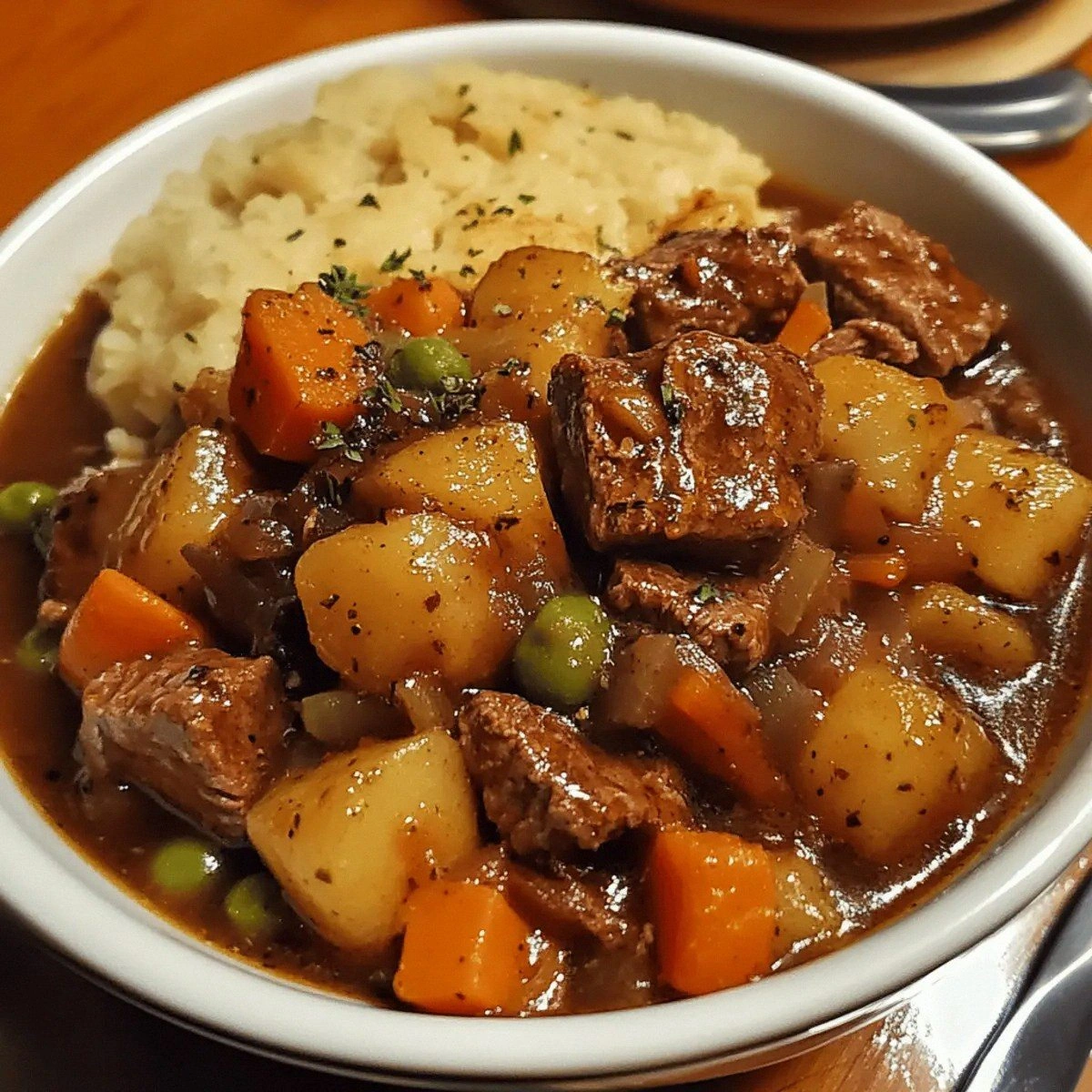
Picture this: a deep, amber broth that glistens under the kitchen light, the scent of garlic and thyme wafting through the air, and the sound of potatoes softly simmering in their own juices. The texture is a symphony—tender beef that falls apart, carrots that hold a gentle bite, and potatoes that melt into a velvety base. The taste is a layered experience: the savory depth of beef, the subtle sweetness of carrots, the earthiness of celery, and a hint of Worcestershire that lingers on the tongue. The feel is warm, comforting, like a blanket on a cold night.
What makes this version stand out is that it doesn’t rely on fancy techniques or hard‑to‑find ingredients. It uses what you already have in your pantry, yet it delivers a flavor profile that feels restaurant‑grade. The beef is seared to lock in juices, the tomato paste adds body without overpowering, and the slow‑cooking process melds everything into one harmonious stew. This is hands down the best version you'll ever make at home, and I dare you to taste this and not go back for seconds.
I’ll be honest—I ate half the batch before anyone else got a taste. That’s the proof that this recipe is not just good, it’s addictive. The secret? A splash of Worcestershire sauce that gives a subtle umami punch, and bay leaves that infuse the broth with a fragrant whisper. The result is a stew that feels like a hug in a bowl, perfect for cozy evenings or a crowd‑pleasing dinner. Picture yourself pulling this out of the crockpot, the whole kitchen smelling incredible, and knowing you’ve just created something special.
Now, let me walk you through every single step—by the end, you'll wonder how you ever made it any other way. I’ll share the micro‑challenges, the bold claims, the kitchen hacks, and the sensory snapshots that will make this recipe unforgettable. Stay with me, because this next part? Pure magic.
What Makes This Version Stand Out
- Flavor: The combination of tomato paste and Worcestershire sauce creates a deep, savory base that is both comforting and complex. The slow‑cooking process allows the beef to absorb these flavors, resulting in a broth that is rich without being overpowering.
- Texture: The beef is seared first, giving it a caramelized crust that contrasts beautifully with the silky interior. The vegetables hold their shape, providing bite and freshness that balance the tender meat.
- Simplicity: Every ingredient is one you likely already have. No special gadgets or exotic spices—just a few pantry staples and a crockpot.
- Uniqueness: The addition of bay leaves and thyme gives this stew a fragrant, herbaceous note that sets it apart from the usual “potato and beef” recipe.
- Crowd Reaction: Friends who’ve tried it rave about how it tastes like a home‑cooked meal but with the convenience of a slow cooker. They often ask for the recipe after the first plate.
- Ingredient Quality: Using a good quality beef chuck roast makes the difference between a meaty, satisfying stew and a bland one. The fresher the vegetables, the brighter the overall flavor.
- Cooking Method: The crockpot’s gentle heat ensures the beef stays juicy while the vegetables become perfectly tender.
- Make‑Ahead Potential: This stew tastes even better the next day, making it ideal for meal prep or for feeding a family on a busy schedule.
Inside the Ingredient List
The Flavor Base
The beef broth is the foundation of this stew, providing a savory backbone that carries all the other flavors. Use a low‑sodium variety to control the saltiness, or opt for homemade stock for an extra depth of flavor. If you skip the broth, the stew will taste flat and the vegetables may not soften properly.
Tomato paste is the secret to a thick, velvety sauce. It adds sweetness and acidity, balancing the richness of the beef. A pinch of sugar can enhance the caramelization during searing, but be careful not to make it too sweet.
Worcestershire sauce gives a subtle umami punch that elevates the entire dish. It’s a quick way to add depth without needing a complex reduction. If you’re avoiding it, a dash of soy sauce can serve as a close substitute, though the flavor profile will shift slightly.
The Texture Crew
The beef chuck roast is the star of the show. Its marbling ensures the meat stays juicy after long simmering. Choose a cut with a bit of fat for maximum tenderness.
Potatoes provide body and help thicken the broth as they break down. Use medium‑sized potatoes so they hold their shape but still release starch. If you prefer a thicker stew, keep the potatoes whole; for a soupier texture, dice them.
Carrots add natural sweetness and a pop of color. They also contribute a subtle earthiness that balances the richness of the beef. Cutting them into uniform pieces ensures even cooking.
Celery offers a crisp, aromatic note that lifts the overall flavor. It’s essential for that classic stew backbone. If you’re out of celery, fennel can provide a mild, sweet alternative.
The Unexpected Star
Garlic is the aromatic backbone that ties everything together. Sautéing it briefly before adding the beef creates a fragrant base that permeates the stew. If you’re a garlic lover, feel free to double the cloves.
Bay leaves are more than a garnish—they infuse the broth with a subtle herbal note that deepens the flavor. Remove them before serving; they’re not meant to be eaten.
Thyme adds a subtle piney aroma that complements the beef and vegetables. Fresh thyme is ideal, but dried works fine if you’re short on time.
The Final Flourish
Salt and pepper are the final seasoning touch. Add them to taste after the stew has simmered, as the flavors will concentrate over time. A pinch of pepper adds a mild heat that brightens the dish.
Everything's prepped? Good. Let's get into the real action.
The Method — Step by Step
- Begin by heating a heavy skillet over medium‑high heat. Pat the beef chuck roast dry with paper towels; this helps achieve a nice sear. Add a splash of oil, then sear the roast on all sides until a deep brown crust forms. This step locks in juices and builds flavor. Once seared, transfer the beef to the crockpot.
- In the same skillet, add a bit more oil if needed and toss in the minced garlic. Sauté for 30 seconds until fragrant—watch the garlic so it doesn’t burn. The aroma should be intoxicating, a promise of what’s to come.
- Add the tomato paste to the skillet, stirring until it caramelizes slightly. This creates a deeper, sweeter base for the stew. Pour the mixture into the crockpot, letting it mingle with the beef.
- Layer the chopped onions, carrots, celery, and potatoes over the beef in the crockpot. Don’t worry about perfect arrangement; the crockpot will distribute heat evenly. Sprinkle the bay leaves, thyme, salt, and pepper over the top.
- Pour the beef broth over the ingredients, ensuring everything is submerged. Add the Worcestershire sauce, then give the mixture a gentle stir to combine. The broth should look glossy and inviting.
- Cover the crockpot and set it to low for 8 to 10 hours or high for 4 to 5 hours. The long, slow simmer allows the flavors to meld and the beef to become fall‑apart tender. Check the stew after a few hours; the vegetables should be soft and the beef juicy.
- Once the cooking time is up, remove the bay leaves. This step is crucial—forgetting to do so will leave you with an odd, slightly bitter bite.
- Taste the stew and adjust seasoning if needed. A final splash of Worcestershire or a pinch more salt can elevate the dish. Serve hot, straight from the crockpot, with crusty bread or over rice.
That's it— you did it. But hold on, I've got a few more tricks that'll take this to another level. These insider tips will help you avoid common pitfalls and elevate the stew to restaurant quality.
Insider Tricks for Flawless Results
The Temperature Rule Nobody Follows
Cooking on low for 8 to 10 hours is ideal, but if you’re in a hurry, set the crockpot to high. The key is to maintain a steady simmer; if the liquid boils too vigorously, it can break down the vegetables and make the stew too watery. A gentle simmer preserves the integrity of each ingredient.
Why Your Nose Knows Best
The aroma of a stew is the first indicator of its readiness. When the broth smells deeply savory and the garlic is fragrant, the beef should be tender. If the smell is sharp or metallic, the stew needs more time. Trust your nose to guide you.
The 5-Minute Rest That Changes Everything
After removing the crockpot, let the stew sit uncovered for 5 minutes. This allows the flavors to settle and the broth to thicken slightly. It also gives you a chance to adjust seasoning before serving.
The Secret to Perfect Vegetables
Cut the vegetables into uniform sizes to ensure even cooking. If you prefer softer vegetables, cut them larger; if you want a bite, cut them smaller. The size of the pieces directly affects the final texture.
The Quick Sear Trick
Searing the beef before adding it to the crockpot is a game‑changer. It creates a caramelized crust that adds depth of flavor and prevents the beef from becoming mushy. Skip this step only if you’re in a real hurry.
The Final Seasoning Check
Taste the stew before serving and adjust salt, pepper, or Worcestershire sauce. The broth will concentrate over time, so adding seasoning at the end ensures the flavor remains balanced.
Creative Twists and Variations
This recipe is a playground. Here are some of my favorite ways to switch things up:
Spicy Kick
Add a pinch of red pepper flakes or a diced jalapeño to the stew. The heat will contrast the savory beef and bring a lively zing. This version is perfect for those who love a bit of spice.
Herb Garden
Swap thyme for rosemary or sage for a different herbal profile. The rosemary adds a piney note, while sage brings a subtle earthiness. These herbs pair wonderfully with the beef’s richness.
Mushroom Medley
Add sliced mushrooms during the last hour of cooking. The mushrooms release their umami, thickening the broth and adding a forest floor aroma. This variation is ideal for fall evenings.
Root Vegetable Swap
Replace potatoes with sweet potatoes or parsnips for a sweeter, deeper flavor. The natural sugars in these roots caramelize during slow cooking, creating a comforting sweetness that balances the savory.
Cheesy Finish
Stir in a handful of shredded cheddar or Gruyère just before serving. The cheese melts into the broth, creating a creamy, indulgent texture. This twist turns the stew into a decadent comfort dish.
Breakfast Edition
Add diced bacon and a splash of maple syrup for a sweet‑savory breakfast stew. Serve it over toast or biscuits for a hearty start to the day. The bacon adds smoky depth while the maple sweetens the broth.
Storing and Bringing It Back to Life
Fridge Storage
Cool the stew to room temperature before refrigerating. Store it in an airtight container for up to 4 days. The flavors will deepen, and the beef will stay tender.
Freezer Friendly
Divide the stew into freezer‑safe portions and seal tightly. It stays good for up to 3 months. Thaw overnight in the refrigerator before reheating.
Best Reheating Method
Reheat on the stove over medium heat, adding a splash of water or broth to loosen the sauce. Stir occasionally until hot. A tiny splash of water before reheating steams the stew back to perfection.