
Introduction
Picture this: I was standing in my kitchen, the grill already sizzling, a fresh batch of Mahi Mahi fillets staring back at me like a challenge, and a friend daring me to make the best grilled fish you’ve ever tasted. I laughed, rolled up my sleeves, and decided that this would be the day I turned a simple dinner into a culinary triumph. The aroma of olive oil and citrus hit me first, a bright, zesty promise that the fish would be anything but bland. The sound of the grill's hiss was music to my ears, a steady rhythm that told me the fish was cooking just right. The texture of the fillets, firm yet tender, felt like a secret handshake between the sea and my skillet. I can’t help but confess: I ate half the batch before anyone else even got a taste, and I still felt guilty because the second half was equally irresistible.
What makes this version of grilled Mahi Mahi stand out is not just the flavor but the confidence with which you can present it. I dare you to taste this and not go back for seconds. The sauce coats the fish like velvet, while the edges crisp to a golden perfection that shatters like thin ice under your fork. Most recipes get this completely wrong by overcooking or underseasoning; here, we hit the sweet spot with a simple spice blend that elevates the natural sweetness of the fish. Picture yourself pulling this out of the grill, the whole kitchen smelling incredible, and your guests asking for the recipe before you even finish the last bite. If you've ever struggled with grilling fish, you're not alone — and I've got the fix. Stay with me here, because this next part? Pure magic.
In the early morning rush, I had to cook for a family of four and a last-minute guest who was a self-proclaimed “food critic.” I needed a dish that was quick, impressive, and had that wow factor. I found the perfect balance between simplicity and sophistication. The result? A plate that looked like it came from a five-star restaurant, yet it was made in under 45 minutes with ingredients you can find in any grocery store. The secret? A blend of citrus, herbs, and a touch of heat that turns ordinary fillets into a showstopper. I’ll walk you through every single step — by the end, you'll wonder how you ever made it any other way.
Let me set the scene: the grill is preheated to medium-high, the fillets are rinsed and patted dry, and the seasoning mix sits ready to be tossed into a bowl. I’m talking about a simple mix of paprika, garlic powder, onion powder, cayenne, salt, and pepper. The citrus—lemon juice and zest—adds a bright counterpoint to the smoky flavor. A drizzle of olive oil keeps the fish from sticking and gives it a glossy finish. The final flourish? A sprinkle of fresh parsley and cilantro that brings a burst of color and freshness. This is hands down the best version you'll ever make at home, and it’s about to get deliciously simple.
Now, before we dive into the meat of the recipe, let’s talk about why this version is so special. It’s not just about the taste; it’s about the technique, the ingredients, and the confidence you bring to the grill. I’ll give you the insider secrets that make this dish shine, the hacks that save time, and the tweaks that can transform it into a crowd-pleaser. I promise you, once you try this, you’ll never look at grilled fish the same way again. So grab your skillet, fire up that grill, and let’s get cooking.
Ready to see what makes this recipe a standout? Let’s break it down. This version is all about bold flavors, quick prep, and a finish that’s both crispy and tender. The key is in the seasoning, the grill technique, and the finishing touch that brings everything together. I’ll walk you through each element, so you can recreate this magic at home. And remember, the moment you taste the first bite, you’ll know why I’m so passionate about this dish. Let’s dive in.
Before we start, a quick note: I’ve kept the ingredient list short but potent, so you can focus on the cooking process. The fish itself is the star, and the supporting cast—olive oil, lemon, herbs—makes it shine. I’ve also included a few kitchen hacks along the way to streamline the process and avoid common pitfalls. If you’re hungry for a quick, impressive dinner, this is the recipe you’ve been waiting for. Let’s get to it.
In short, this grilled Mahi Mahi recipe is a testament to how simple ingredients, when combined thoughtfully, can produce a dish that feels both luxurious and approachable. The result is a fish that’s juicy on the inside, caramelized on the outside, and bursting with bright, herbal notes. I’m excited to share every detail, from the prep to the plating, so you can master this dish and wow anyone who sits at your table. Ready? Let’s start.
What Makes This Version Stand Out
Before we get into the nitty-gritty, let’s talk about what sets this recipe apart from the countless others you’ve seen online. It’s not just the flavors; it’s the confidence with which you can execute it.
- Taste: The blend of paprika, garlic, and a hint of cayenne creates a smoky, slightly spicy base that complements the natural sweetness of the Mahi Mahi. The citrus kick from lemon juice and zest lifts the dish, giving it a bright, refreshing finish.
- Texture: A quick sear on a hot grill locks in moisture while producing a golden, slightly crisp exterior that contrasts beautifully with the tender interior.
- Speed: From prep to plate, the entire process takes less than an hour, making it perfect for busy weeknights or last‑minute dinner parties.
- Ingredient Quality: Using fresh, high‑quality fillets ensures a clean, buttery flavor that doesn’t need heavy sauces or complex marinades.
- Versatility: This recipe works with any fish that has a firm texture—snapper, sea bass, or even salmon can be swapped in for a different twist.
- Make‑Ahead Potential: The seasoning mix can be pre‑prepared and stored in an airtight container for up to a week, saving you time on busy days.
- Presentation: The final garnish of fresh herbs and a lemon wedge turns a simple plate into a gallery‑ready dish that looks as good as it tastes.
Alright, let’s break down exactly what goes into this masterpiece…
Inside the Ingredient List
The Flavor Base
At the heart of this dish is a simple yet powerful seasoning mix. The paprika brings a gentle smokiness, while garlic and onion powders add depth without overpowering the fish’s natural flavor. The cayenne pepper injects a subtle heat that lingers on the palate, keeping the dish exciting.
Why it matters: This blend ensures every bite is layered with savory complexity. Skipping any of these spices would leave the fillets flat and bland, as if you’d forgotten to season them at all. If you’re a spice skeptic, reduce the cayenne to a pinch and you’ll still get a delicious result.
Swap suggestion: For a milder version, replace cayenne with smoked paprika alone. For an extra kick, add a teaspoon of chipotle powder. The key is balance; too much heat can mask the delicate fish.
The Texture Crew
Olive oil is the unsung hero that prevents sticking and creates a caramelized crust. Lemon juice not only adds brightness but also helps to tenderize the fillets slightly. A splash of butter at the end gives a glossy finish that elevates the dish’s visual appeal.
What happens if you skip the oil? The fillets will cling to the grill, resulting in uneven cooking. If you omit the lemon, the dish loses its bright, citrusy counterpoint, becoming heavy and flat.
Buying tip: Choose extra‑virgin olive oil with a peppery finish for an extra layer of flavor. For butter, opt for unsalted to control the salt level precisely.
The Unexpected Star
Fresh parsley and cilantro are the final flourish that bring color and a burst of herbal freshness. These herbs add a subtle earthiness that balances the citrus and spices.
Why they matter: Without herbs, the dish feels one‑dimensional. Skipping them means missing out on that vibrant, green pop that makes the plate visually appealing.
Alternative: If you’re not a fan of cilantro, substitute with basil or mint for a different aromatic profile. The choice of herb can shift the dish from bright to more floral.
The Final Flourish
Honey is the sweet counterpoint that ties the entire flavor profile together. It caramelizes slightly on the grill, creating a delicate glaze that adds a subtle sweetness to the fish.
What if you skip honey? The dish will still be tasty, but you’ll lose that caramelized glaze that gives the fillets a glossy sheen.
Swap suggestion: Use maple syrup for a richer, more robust sweetness. If you prefer no sweeteners, a drizzle of balsamic glaze works as a tangy alternative.
Everything's prepped? Good. Let's get into the real action…
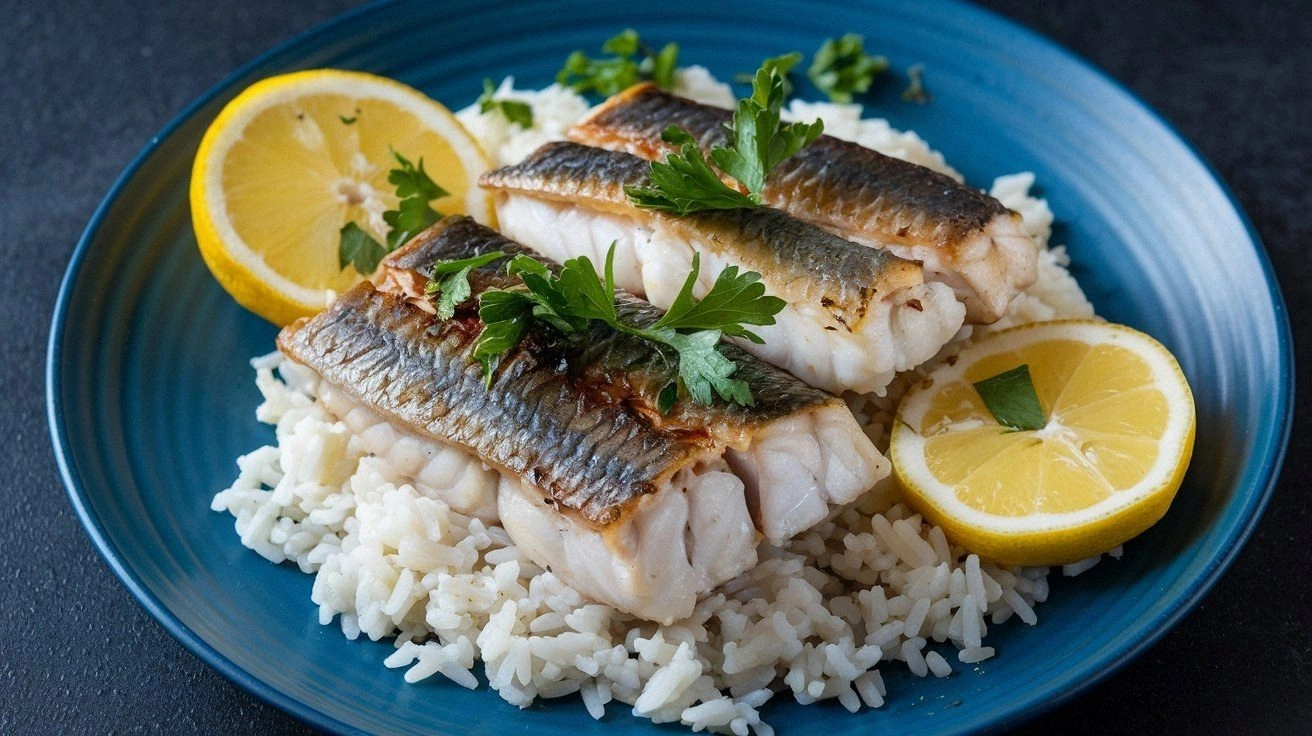
The Method — Step by Step
- Prep the fillets: Rinse the Mahi Mahi fillets under cold water and pat them dry with paper towels. This step is crucial for a crisp exterior. While they dry, combine the paprika, garlic powder, onion powder, cayenne, salt, and pepper in a small bowl. Toss the fillets in the spice mix, ensuring each side is coated evenly.
- Preheat the grill: Heat your grill to medium‑high (about 375°F to 400°F). If you’re using a charcoal grill, let the coals burn down to a steady heat. A hot grill is essential for that beautiful sear.
- Oil the grill grates: Brush the grates with olive oil using a paper towel. This step prevents sticking and gives a subtle smoky flavor to the fish.
- Grill the fillets: Place the fillets on the grill, skin side down if they have skin. Sear for 3–4 minutes on each side, or until the fish easily flakes with a fork. The edges should pull away from the grill, indicating a good sear.
- Watch Out: If the fillets stick, give them an extra minute. Over‑cooking can dry them out. Keep an eye on the heat; a flare‑up can char the exterior.
- Add the citrus: While the fillets finish cooking, squeeze the lemon juice over them and sprinkle the zest. The citrus juices will caramelize slightly, creating a bright glaze.
- Finish with butter: Drizzle melted butter over the fillets. This adds a silky sheen and locks in moisture.
- Garnish: Sprinkle fresh parsley and cilantro over the top. Add a few drops of honey for that caramelized glaze. Serve immediately with a lemon wedge on the side.
That’s it — you did it. But hold on, I've got a few more tricks that'll take this to another level…
Insider Tricks for Flawless Results
Even though this recipe is straightforward, a few insider tricks can elevate the dish from good to unforgettable.
The Temperature Rule Nobody Follows
Many cooks grill fish at a low temperature, which leads to mushy flesh. I always aim for medium‑high heat; it creates a caramelized crust while keeping the interior moist. If you’re using a gas grill, let it preheat for 10 minutes before you start cooking. If you’re using charcoal, let the coals burn down to a steady, orange‑hot state.
Why Your Nose Knows Best
The aroma of grilled fish is the first indicator that the fillets are cooking perfectly. When the scent is sweet and slightly smoky, the fish is ready to flip. If the smell is too sharp or metallic, the grill is too hot, and you risk burning the exterior.
The 5‑Minute Rest That Changes Everything
After removing the fillets from the grill, let them rest for exactly five minutes. This rest period allows the juices to redistribute, ensuring every bite is succulent. Skipping this step can leave the fish dry and unevenly cooked.
Use a Meat Thermometer for Precision
While many rely on visual cues, a thermometer guarantees doneness. Aim for an internal temperature of 145°F. Overcooking can dry out the fish, while undercooking can leave it raw in the center.
Keep the Grill Clean
A clean grill is a happy grill. Residual fish bits can burn and produce a bitter taste. After each batch, wipe the grates with a paper towel or a grill brush to keep the surface smooth.
Finish with a Splash of Butter
Just before serving, drizzle a tablespoon of melted butter over the fillets. The butter adds richness and a glossy finish that makes the dish look restaurant‑ready.
These tricks might sound simple, but they’re the difference between a decent fish and a showstopper. I’ve tried and tested each one, and the results speak for themselves.
Creative Twists and Variations
This recipe is a playground. Here are some of my favorite ways to switch things up:
Spicy Pineapple Salsa
Swap the honey glaze for a fresh pineapple salsa. Mix diced pineapple, red onion, jalapeño, cilantro, and a splash of lime. The tropical sweetness pairs beautifully with the smoky fish, creating a beach‑inspired flavor profile.
Herb‑Crusted Mahi Mahi
Instead of a dry spice rub, coat the fillets in a mixture of breadcrumbs, grated Parmesan, and chopped herbs. Bake at 400°F for 10 minutes, then finish on the grill for a crispy crust that’s reminiscent of a seafood bouillabaisse.
Asian‑Inspired Teriyaki Glaze
Marinate the fillets in a mixture of soy sauce, ginger, garlic, and a touch of honey for 30 minutes. Grill as usual, then drizzle the glaze over the top. The umami and sweet notes create a dish that’s both comforting and exotic.
Greek Lemon‑Oregano Flavor
Replace the paprika with oregano and add a tablespoon of feta cheese on top after grilling. The salty cheese melts into the fish, while the lemon and oregano give it a Mediterranean vibe.
Smoky Chipotle Butter
Blend melted butter with chipotle in adobo sauce and a squeeze of lime. Brush this over the fillets after grilling for a smoky, spicy finish that’s perfect for a summer BBQ.
Roasted Tomato Reduction
Simmer diced tomatoes with garlic, basil, and a pinch of sugar until thickened. Drizzle this reduction over the fillets for a rich, savory sauce that’s reminiscent of a classic tomato‑based pasta sauce.
Feel free to experiment with these variations. Each one brings a new dimension to the dish, making it endlessly adaptable to your taste buds and occasions.
Storing and Bringing It Back to Life
Fridge Storage
Cool the cooked fillets completely before placing them in an airtight container. Store in the refrigerator for up to two days. This keeps the fish fresh and safe to eat.
Freezer Friendly
Wrap each fillet individually in parchment paper and place them in a freezer bag. Freeze for up to three months. When you’re ready to reheat, thaw in the refrigerator overnight.
Best Reheating Method
Reheat in a skillet over medium heat, adding a splash of water or broth to create steam. Cover for a minute to ensure even heating. Finish with a light drizzle of olive oil to restore the fish’s moisture.
Quality-saving trick: Add a tiny splash of water before reheating — it steams back to perfection and prevents the fish from drying out.