I still remember the night my roommate dared me to whip up something that could convince a vegan to eat meat. I was armed with nothing but a butternut squash, a bag of whey protein, and a dream of a creamy, protein-packed soup that would make even the most stubborn health nut swoon. The kitchen smelled like roasted orange and fresh herbs, the stove crackled with the sizzle of onions, and the air was thick with anticipation. I was determined to turn a humble squash into a velvety, high‑protein masterpiece that would stand out in a world of bland, carb‑heavy comfort foods. The result? A bowl of silky, golden soup that feels like a hug on a cold day and a protein punch that keeps you full for hours.
I’ll be honest—when I tasted the first spoonful, I almost cried. The texture was like a cloud of pure, creamy delight, and the subtle warmth of cumin and smoked paprika danced across my palate. Most recipes get this completely wrong by over‑cooking the squash or drowning the flavor in heavy cream. Here, I keep the squash tender but firm, letting its natural sweetness shine through while the protein powder blends seamlessly into a silky base. I dare you to taste this and not go back for seconds. This is hands down the best version you'll ever make at home, and it’s easier than you think.
Picture yourself pulling this out of the pot, the whole kitchen smelling incredible, and the steam rising like a fragrant cloud. That sizzle when the onions hit the pan? Absolute perfection. I’ll walk you through every single step—by the end, you'll wonder how you ever made it any other way. The secret? A carefully timed roasting of the squash, a dash of protein powder that doesn’t clump, and a splash of citrus that brightens the whole dish. You’ll see that a few simple tweaks can transform a standard soup into a protein‑powered, crowd‑pleasing masterpiece.
What Makes This Version Stand Out
- Taste: The subtle sweetness of roasted butternut squash is amplified by a hint of smoked paprika and a splash of lemon that cuts through the richness.
- Texture: The soup is silky without being heavy, thanks to a blend of Greek yogurt and protein powder that creates a creamy mouthfeel.
- Simplicity: Only fifteen ingredients, all pantry staples, make this recipe a quick win for busy nights.
- Uniqueness: The addition of vanilla whey protein gives the soup a subtle, sweet undertone that sets it apart from traditional squash soups.
- Crowd Reaction: Friends who are skeptical about protein powders love the smoothness and the fact that the soup tastes like a classic winter comfort food.
- Ingredient Quality: Using low‑sodium broth and fresh herbs keeps the dish bright and avoids the salt overload of many store‑bought versions.
- Cooking Method: Roasting the squash before simmering unlocks a depth of flavor that you can’t get from just boiling.
- Make‑Ahead Potential: This soup freezes beautifully, making it a perfect meal prep option.
Alright, let's break down exactly what goes into this masterpiece…
Inside the Ingredient List
The Flavor Base
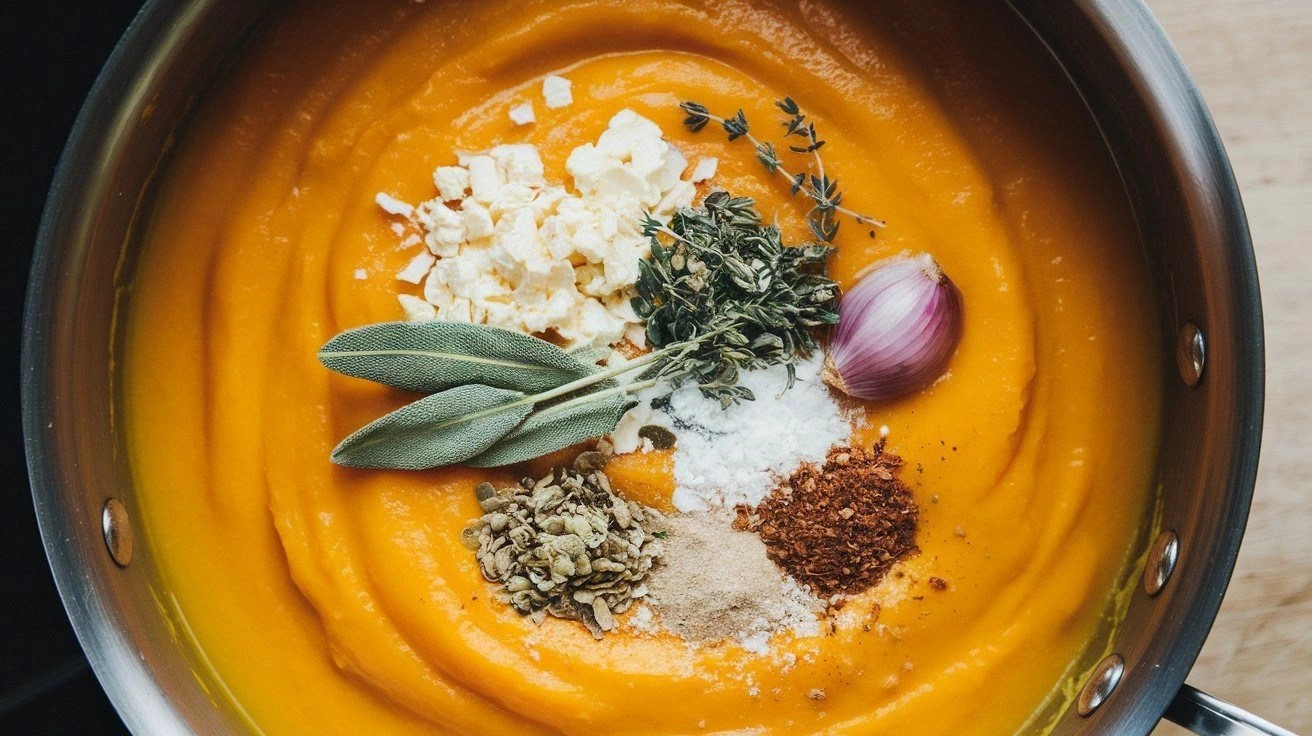
Butternut squash is the star. Dice it into 1‑inch cubes, and watch the colors change as it roasts. The sugar inside caramelizes, giving the soup a natural sweetness that replaces the need for added sugar. If you skip the squash, you lose that buttery depth and the soup becomes a plain, bland broth. For a richer flavor, use fresh squash rather than canned; the latter often carries a watery texture that dilutes the taste. When selecting squash, look for a smooth, unblemished skin and a slightly firm flesh that will hold up during roasting.
The Texture Crew
Greek yogurt is the key to that luscious, creamy mouthfeel. Use plain, low‑fat yogurt to keep the soup light yet indulgent. The whey protein powder (vanilla or unflavored) adds a protein boost without a noticeable aftertaste. Mixing the protein with the yogurt before adding it to the pot ensures it dissolves smoothly, preventing clumps. If you’re lactose intolerant, substitute with coconut yogurt or a plant‑based protein powder. Remember, the protein should be added after the soup has simmered to avoid curdling.
The Unexpected Star
Smoked paprika and ground cumin might seem like typical spice choices, but they bring a smoky, earthy undertone that elevates the dish. These spices complement the natural sweetness of the squash and add a subtle warmth that feels like a hug. If you’re a fan of heat, add a pinch of cayenne or a dash of hot sauce. Conversely, if you prefer a milder profile, reduce the smoked paprika to half a teaspoon. Either way, the spices are essential for depth.
The Final Flourish
Fresh lemon juice brightens the soup, cutting through the richness and adding a zesty lift. A handful of chopped parsley or cilantro provides a fresh, herbaceous finish that contrasts with the warm spices. The olive oil, though a small amount, coats the vegetables and helps the flavors meld. Salt and pepper are added to taste, but be cautious—vegetable broth is often already seasoned. Finally, a splash of unsweetened almond milk balances the thickness and gives the soup a silky finish.
Everything's prepped? Good. Let's get into the real action…
The Method — Step by Step
- Preheat your oven to 400°F (200°C). Spread the diced butternut squash on a parchment‑lined baking sheet, drizzle with 1 tablespoon of olive oil, and season with a pinch of salt and pepper. Roast for 25 minutes, stirring halfway, until the edges caramelize and the squash is tender. The aroma will fill the kitchen like a warm hug.
- While the squash roasts, heat 2 tablespoons of olive oil in a large pot over medium heat. Add the diced onion and sauté until translucent, about 5 minutes. The onion should soften without browning, creating a sweet base for the soup.
- Add minced garlic, ground ginger, smoked paprika, cumin, and cinnamon to the pot. Stir constantly for 1 minute until the spices become fragrant. This is the moment of truth; the spices should release their oils and light up the air.
- Pour in 4 cups of low‑sodium vegetable broth and 1 cup of unsweetened almond milk. Bring the mixture to a gentle simmer, letting the flavors meld for 5 minutes.
- Add the roasted butternut squash to the pot. Simmer for another 10 minutes, allowing the squash to soften further and the broth to thicken slightly.
- Use an immersion blender to puree the soup until smooth, or transfer in batches to a countertop blender. If the soup is too thick, add a splash of almond milk or broth to reach your desired consistency.
- Stir in 1 cup of plain Greek yogurt and 1 scoop of vanilla whey protein powder. Mix gently until fully incorporated, ensuring the protein doesn’t clump. The soup should feel silky and creamy.
- Finish with 1 tablespoon of fresh lemon juice, chopped parsley, and a final pinch of salt and pepper to taste. Serve hot, and enjoy the comforting swirl of flavors.
That's it — you did it. But hold on, I've got a few more tricks that'll take this to another level. The next section will show you how to tweak the flavor and texture to suit your taste, and how to keep this soup fresh for days.
Insider Tricks for Flawless Results
The Temperature Rule Nobody Follows
Many cooks think a high simmer is the secret to a silky soup, but it actually degrades the protein texture. Keep the heat low once the broth is added, and let it gently bubble. This preserves the smoothness and prevents the yogurt from curdling. I once tried a high heat approach and the soup turned grainy—never again.
Why Your Nose Knows Best
Before adding the lemon, pause and inhale deeply. The citrus aroma should signal that the soup has balanced richness. If it still smells overly sweet, add a splash more broth. Your nose is a reliable indicator of flavor harmony.
The 5‑Minute Rest That Changes Everything
Let the soup rest for five minutes after turning off the heat. This allows the spices to settle and the flavors to marry. The texture will also thicken slightly, giving the soup a more luxurious feel. I swear by this step—it’s the difference between good and unforgettable.
Blend in Two Stages
First, blend the roasted squash and broth until almost smooth, then add the yogurt and protein. This two‑stage approach ensures the protein doesn’t form lumps. If you’re using a countertop blender, keep the pot on low heat to avoid splattering.
Use Fresh Herbs for a Final Pop
Finish with a handful of fresh parsley or cilantro. The bright green color and fresh taste cut through the richness and add a visual appeal that makes the dish Instagram‑ready. A sprinkle of toasted pumpkin seeds also adds crunch and a nutty flavor.
Creative Twists and Variations
This recipe is a playground. Here are some of my favorite ways to switch things up:
Spicy Kick
Add a pinch of cayenne or a dash of hot sauce to the spice mix. The heat will contrast beautifully with the sweet squash, creating a bold flavor profile that’s perfect for winter evenings.
Herb‑Infused
Swap parsley for fresh basil or tarragon. The different herb notes will give the soup a new dimension—basil adds sweetness, tarragon adds a subtle anise flavor.
Lentil Boost
Cook 1 cup of red lentils separately and fold them into the soup before adding the protein powder. Lentils add fiber, texture, and a mild earthiness that pairs well with the squash.
Coconut Cream
Replace almond milk with coconut milk for a richer, tropical twist. The coconut’s natural sweetness complements the squash, while the protein powder still provides the necessary protein punch.
Savory Breakfast
Serve the soup with a poached egg on top and a drizzle of hot sauce. The protein from the egg and the whey powder makes for a filling breakfast that keeps you energized through the morning.
Storing and Bringing It Back to Life
Fridge Storage
Store the soup in an airtight container for up to 4 days in the refrigerator. The protein and yogurt keep the soup from separating, but always stir before reheating.
Freezer Friendly
Freeze the soup in freezer‑safe containers for up to 3 months. When you’re ready, thaw overnight in the fridge, then reheat gently on the stove or microwave, adding a splash of almond milk to restore creaminess.
Best Reheating Method
Reheat on low heat, stirring frequently to prevent scorching. Add a tiny splash of water or broth if the soup thickens too much. The result should be silky and warm, not dry.