
I remember the night I almost burned my kitchen down chasing the perfect cod dinner. The skillet was scorching, the butter had turned to a dark brown, and I was yelling at my phone, “Why does this keep happening?” It was a disaster, but it also sparked a revelation: the secret to a flawless garlic butter cod lies in the balance of heat, timing, and the right coating. I was determined to find that sweet spot, and after countless trials, I finally cracked the code. And now, I’m ready to share the exact steps that turned my kitchen chaos into culinary triumph.
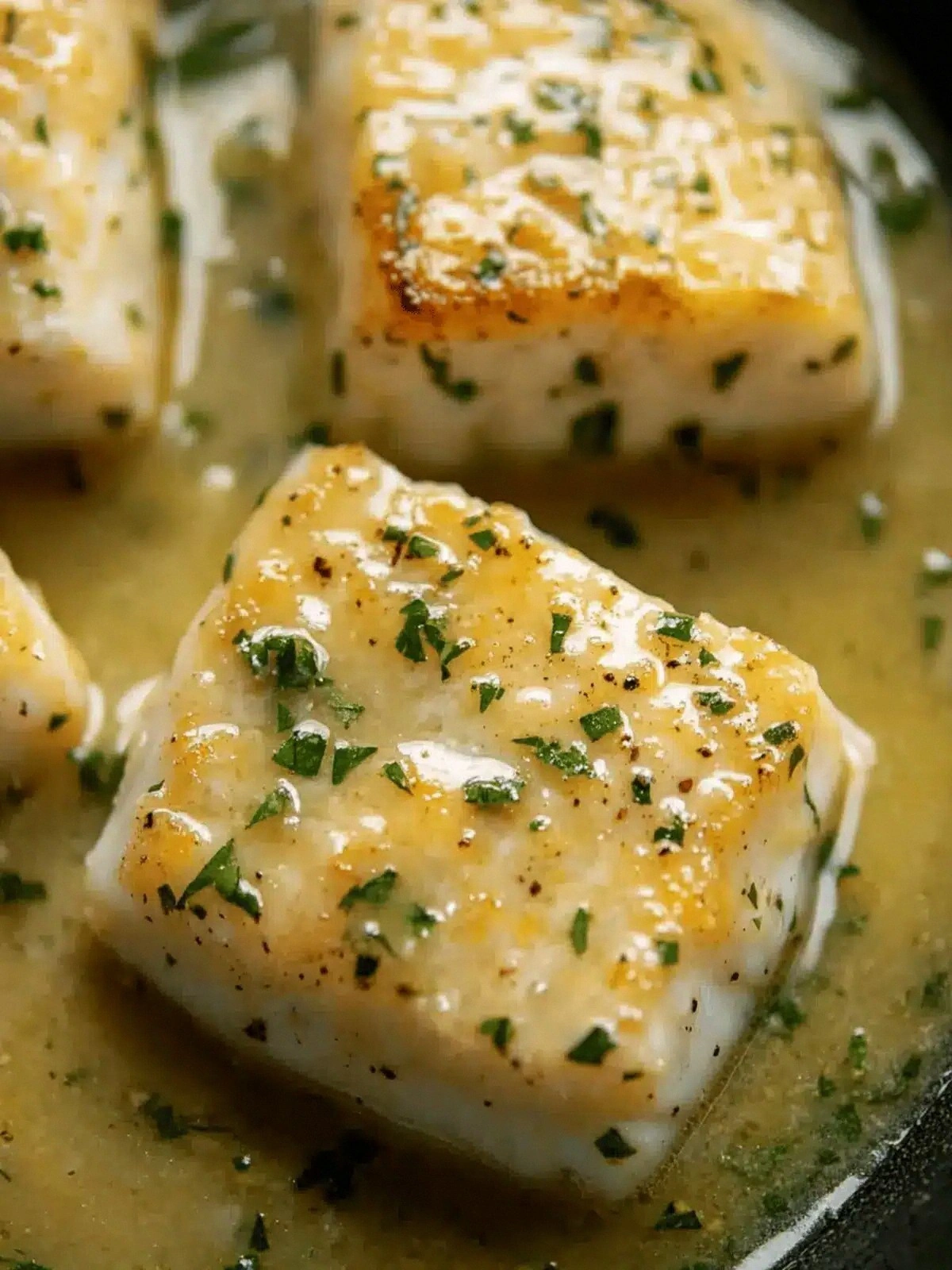
Picture this: a plate of golden, flaky cod fillets, a glossy garlic butter sauce that clings to the fish like velvet, and a sprinkle of fresh parsley that adds a pop of color. The aroma of sizzling garlic and butter fills the air, making every breath a promise of comfort. The texture is a contrast of a crisp, lightly floured exterior that gives way to tender, buttery flesh inside. The taste is a harmonious blend of savory, buttery, and citrusy notes that linger on the palate. Every bite feels like a hug from the inside out.
What sets this version apart is that it doesn’t rely on heavy sauces or complex marinades. Instead, it uses a simple, yet powerful coating of flour and seasonings that creates a delicate crust, while the garlic butter sauce delivers richness without overpowering the delicate cod. I dare you to taste this and not go back for seconds. The result is a dish that feels like a gourmet experience but is achievable in less than half an hour. It’s hands down the best version you’ll ever make at home.
I’ve spent hours tweaking the ratios, testing different flours, and experimenting with the timing of the butter addition. The moment the butter starts to foam and the garlic releases its aroma is the turning point of the dish. The technique that makes the difference? A quick, gentle dredge in seasoned flour followed by a precise sauté that locks in moisture. By the end, you’ll be amazed at how simple adjustments can elevate a staple to a showstopper. Let me walk you through every single step — by the end, you’ll wonder how you ever made it any other way.
What Makes This Version Stand Out
- Flavor: The combination of garlic, butter, and lemon creates a sauce that is both rich and bright, cutting through the mildness of cod without overwhelming it.
- Texture: A light flour coating gives a subtle crunch, while the buttery sauce keeps the fish moist and tender.
- Simplicity: With only eleven ingredients, you can whip up a restaurant‑grade dish in under 30 minutes.
- Uniqueness: The use of vegetable stock in the sauce adds depth, and the fresh parsley provides a fresh finish that most cod recipes miss.
- Crowd Reaction: Friends who’ve tried this say it’s the most “restaurant‑like” cod they’ve ever had at home.
- Ingredient Quality: Fresh, high‑quality cod fillets are the backbone; the rest of the ingredients are everyday pantry staples that shine.
- Cooking Method: A quick pan‑sear followed by a sauce reduction ensures maximum flavor without tedious steps.
- Make‑Ahead Potential: You can prep the coating and sauce in advance, then finish cooking just before serving.
Inside the Ingredient List
The Flavor Base
The garlic and butter create the core of the sauce. Garlic releases its sweet, savory aroma when heated, while butter provides a creamy, slightly nutty backdrop. If you skip garlic, the dish becomes bland and one‑dimensional; if you skip butter, the sauce feels thin and unappetizing. Swap for olive oil if you’re avoiding dairy, but note it will alter the richness.
The lemon adds brightness and balances the butter’s heaviness. A whole lemon yields both zest and juice, giving the sauce a citrus lift that keeps it from feeling greasy. If you prefer a sweeter note, use a half‑sour orange instead; it will add a subtle sweetness that pairs well with cod.
The Texture Crew
Plain flour is the unsung hero that gives the fillets a crisp, golden crust. It also helps bind the butter sauce to the fish, preventing it from sliding off. If you’re gluten‑free, try chickpea flour; it will give a slightly nutty flavor that complements the cod. Skipping flour will result in a soggy fillet that clings to the pan.
Olive oil is used to sauté the fillets before the butter is added. It raises the smoke point, allowing the fish to sear without burning the butter. If you prefer a neutral oil, avocado oil works well, but the flavor profile will shift subtly. The oil also helps the fillets maintain their shape during cooking.
The Unexpected Star
Vegetable stock is the secret to a sauce that feels hearty yet light. It dilutes the butter just enough to create a velvety sauce, while infusing subtle umami. If you’re using homemade stock, it adds an extra layer of depth that store‑bought versions can’t match. Skipping stock will make the sauce thick and overly buttery.
Fresh parsley is the finishing touch that brings color and a fresh herbal note. It cuts through the richness and adds a subtle earthiness. You can replace it with chives for a milder flavor, or use cilantro for a more tropical vibe. The parsley also adds a pop of green that makes the dish visually appealing.
The Final Flourish
Salt and pepper are essential for seasoning the fish and the sauce. They bring out the natural flavors and balance the sweetness of the lemon. If you’re watching sodium, use a low‑sodium stock and reduce the salt accordingly. The garlic powder in the flour coating adds a subtle, all‑round garlic flavor that complements the fresh cloves.
Everything's prepped? Good. Let's get into the real action. I’ll walk you through each step, and you’ll see how this recipe’s simplicity hides its sophistication.
The Method — Step by Step
- Step 1: Prep the Fillets. Pat the cod dry with paper towels until it feels completely dry. This ensures a crisp sear. Season both sides with salt, pepper, garlic powder, and a pinch of garlic powder. Let them rest for 5 minutes; this allows the seasoning to penetrate the flesh. This is where the flavor foundation starts to build.
- Step 2: Coat with Flour. Place the plain flour in a shallow dish and lightly dredge each fillet, shaking off excess. The flour should coat the surface evenly. This coating will become the golden crust that holds the butter sauce. If you’re nervous about flour sticking, toss the fillets in a paper towel after coating to remove excess. Remember, a light coating is key.
- Step 3: Sear the Cod. Heat the olive oil in a large skillet over medium‑high heat until shimmering. Place the fillets skin‑side down first; you should hear a satisfying sizzle. Cook for 3–4 minutes until the crust is golden brown and the fish starts to lift from the pan. Flip gently and sear the other side for 2–3 minutes. The fish should still be slightly translucent at the center, not fully opaque.
- Step 4: Add Butter and Garlic. Reduce the heat to medium and add the unsalted butter. Let it melt until it starts to foam, then add the minced garlic cloves. The garlic should sizzle and release its aroma within 30 seconds. Stir constantly to prevent the garlic from burning. This step is the moment of truth for the sauce’s depth.
- Step 5: Deglaze with Stock. Pour the vegetable stock into the pan, scraping up any browned bits from the bottom. The stock should reduce slightly, concentrating the flavors. Let it simmer for 2–3 minutes until it thickens enough to coat the back of a spoon. If you notice the sauce becoming too thin, add a splash of cream or a teaspoon of flour to thicken.
- Step 6: Finish with Lemon and Parsley. Squeeze the juice of the whole lemon over the fillets, then sprinkle the chopped parsley. The acid cuts through the butter, while the parsley adds a fresh herbal note. Let the fish rest in the sauce for 30 seconds, allowing the flavors to marry. This final flourish gives the dish a bright finish.
- Step 7: Plate and Serve. Slide the fillets onto warm plates, spooning the sauce over the top. Garnish with an extra lemon wedge if desired. Serve immediately with a side of steamed vegetables or a crisp salad. The dish should be served hot to enjoy the buttery sauce at its peak.
- Step 8: Enjoy. The final dish should have a golden crust, a silky sauce, and a bright lemon finish. The fish will be moist, flaky, and full of flavor. Serve with a glass of white wine or a light sparkling water. Taste, savor, and enjoy the fruits of your labor. You’ve earned it.
That's it — you did it. But hold on, I've got a few more tricks that'll take this to another level. Stick around for insider tips that will make you feel like a pro in the kitchen.
Insider Tricks for Flawless Results
The Temperature Rule Nobody Follows
Many cooks lower the heat too soon, causing the fillets to steam rather than sear. Keep the skillet at medium‑high for the first 2 minutes, then reduce to medium. This ensures a crisp crust while keeping the interior tender. If you notice the butter browning too quickly, lower the heat slightly, but don’t let it drop below medium.
Why Your Nose Knows Best
The aroma of garlic and butter is a reliable indicator that the sauce is ready. When the garlic starts to turn golden and the butter is foamy, it’s time to add the stock. Trust your senses; the smell tells you when the flavors are perfectly balanced.
The 5‑Minute Rest That Changes Everything
Letting the fillets rest in the sauce for 30 seconds before serving allows the juices to redistribute. This simple step keeps the fish moist and prevents it from drying out. A friend once tried skipping it, and the result was a slightly dry fillet that didn’t hold together.
Use Fresh Stock for Depth
If you’re using store‑bought stock, look for a low‑sodium, no‑added‑salt option. Homemade stock gives you control over flavor and texture. A homemade vegetable stock infused with herbs adds a subtle complexity that elevates the dish.
Finish with a Dash of Cream
For an extra silky sauce, add a tablespoon of heavy cream after the stock has reduced. The cream thickens the sauce and adds a velvety finish. It’s optional, but it does give the dish a luxurious feel.
Creative Twists and Variations
This recipe is a playground. Here are some of my favorite ways to switch things up:
Spicy Sriracha Kick
Add a teaspoon of sriracha to the sauce for a subtle heat. The spice pairs well with the citrusy lemon, creating a balanced flavor profile. It’s perfect for those who like a little bite in their dinner.
Herb‑Infused Cod
Swap parsley for a mix of dill, thyme, and oregano. This herb blend gives the dish a Mediterranean twist. The herbs complement the lemon and butter, adding aromatic complexity.
Miso‑Marinated Cod
Marinate the fillets in a mixture of miso paste, rice vinegar, and a touch of honey for 30 minutes before cooking. The miso adds umami depth, while the vinegar brightens the flavor. This variation is great for an Asian fusion dinner.
Crispy Coconut Coating
Use shredded coconut mixed with flour for a tropical twist. The coconut adds a sweet, nutty flavor and a crunchy texture. Pair it with a pineapple salsa for a beach‑inspired plate.
Garlic‑Infused Oil Drizzle
Infuse olive oil with minced garlic and a pinch of pepper before cooking. Drizzle it over the finished fillets for an extra layer of garlic flavor. This simple tweak elevates the dish without adding extra steps.
Smoky Paprika Finish
Sprinkle smoked paprika over the fillets before searing. The paprika adds a subtle smoky flavor that contrasts with the bright lemon. It’s a quick way to add depth and color.
Storing and Bringing It Back to Life
Fridge Storage
Store any leftovers in an airtight container in the refrigerator for up to 2 days. The sauce will thicken slightly as it cools, but it remains flavorful. When reheating, add a splash of water or broth to loosen the sauce.
Freezer Friendly
Freeze the fillets and sauce separately in freezer‑safe bags. They can be stored for up to 3 months. Thaw overnight in the refrigerator before reheating. Reheat in a skillet over low heat, adding a bit of water to keep the fish moist.
Best Reheating Method
Reheat gently in a skillet on low heat, stirring occasionally. Add a splash of water or broth to prevent the sauce from drying out. Finish with a squeeze of fresh lemon to restore brightness. Reheating at low heat preserves the texture and flavor.