Love this? Pin it for later! 📌
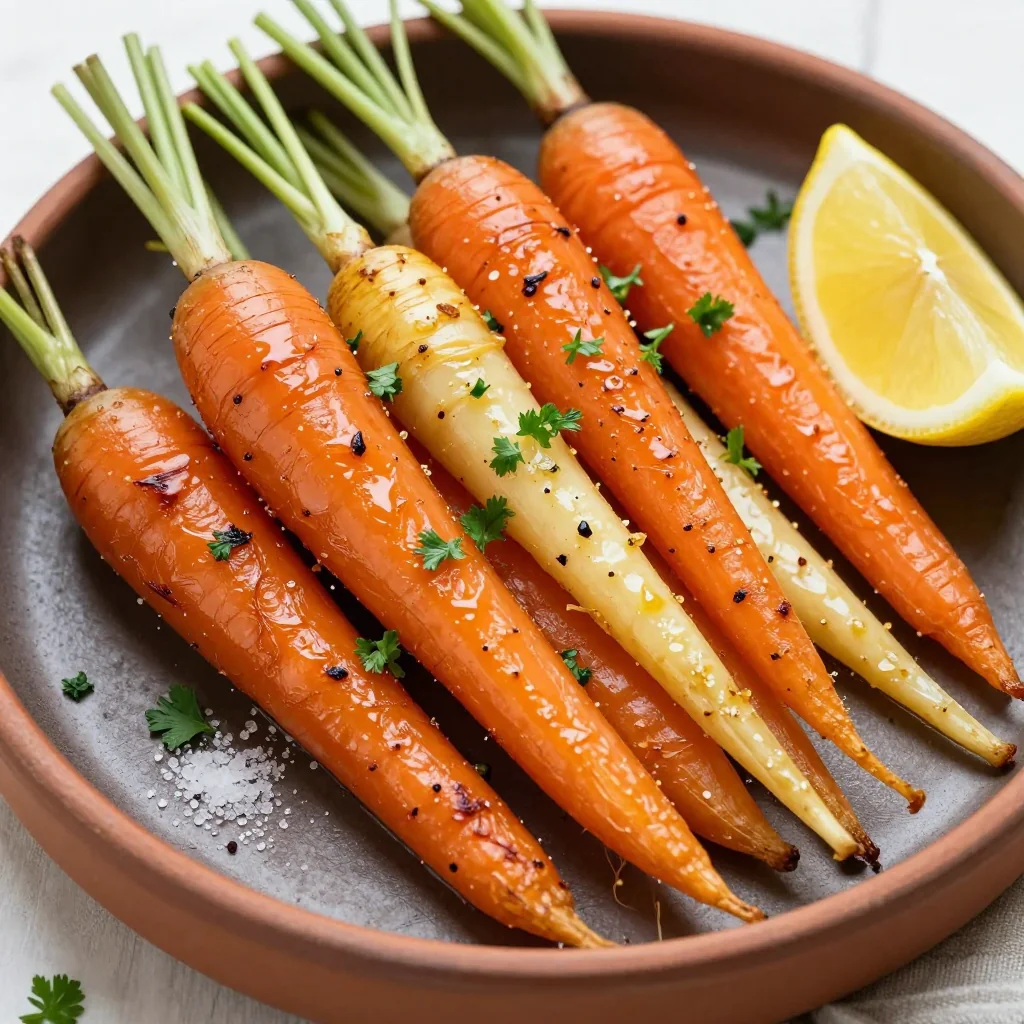
There’s something quietly magical about opening the oven door and being greeted by the bright, citrusy perfume of lemon mingling with the mellow sweetness of roasting roots. The first time I served these lemon-garlic roasted carrots and parsnips at a family luncheon, my usually vegetable-skeptical nephew asked for thirds. I remember my mother-in-law leaning over to whisper, “I never knew parsnips could taste like candy,” while my husband simply gave me the look that said, “save this recipe forever.” Since then, this dish has become my weekday-lunch MVP: it doubles as a warm side for Sunday roast, a cold salad-topper for Monday meal-prep, and a colorful bento-box star that keeps the kids excited about eating the rainbow. If you’re hunting for a make-ahead main that feels gourmet yet requires only ten minutes of active work, you’re in the right place.
Why This Recipe Works
- One-Pan Wonder: everything roasts together, saving dishes and time on busy weekdays.
- Natural Sweetness: high-heat caramelization coaxes out the carrots’ and parsnips’ inherent sugars—no refined sweeteners needed.
- Immune-Boosting Citrus: fresh lemon juice and zest add vitamin C and keep flavors bright instead of cloying.
- Garlic Without the Bite: roasting tames raw garlic’s harshness, leaving mellow, nutty undertones that kids happily devour.
- Meal-Prep Chameleon: serve warm, room temp, or chilled; toss into grain bowls, wraps, or alongside proteins.
- Budget-Friendly Brilliance: carrots and parsnips are inexpensive year-round, making this a healthy, low-cost main dish.
Ingredients You'll Need
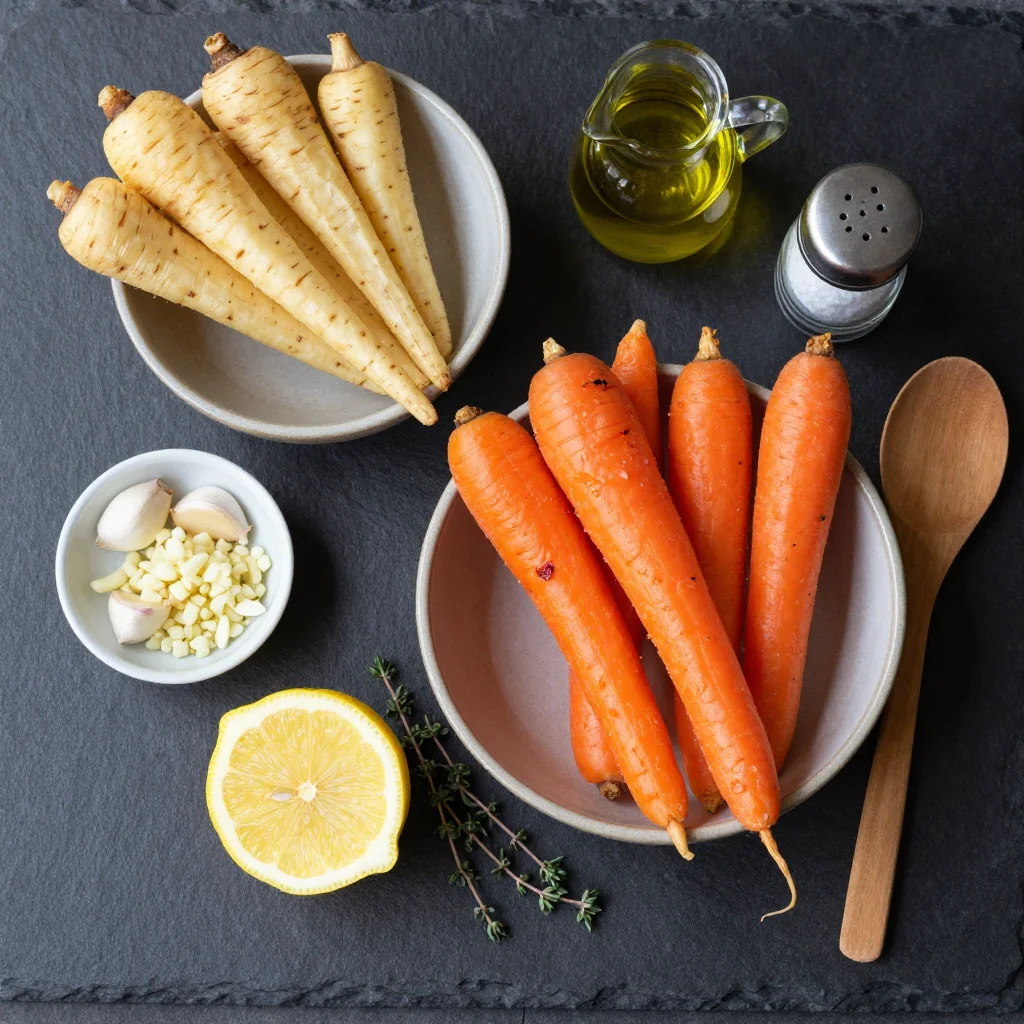
Carrots – Seek medium-sized roots that feel firm and have vibrant orange skin. If you can find bunches with tops still attached, even better; the greens are a freshness indicator. Peel only if the skin looks tired—otherwise a gentle scrub preserves nutrients that lie just beneath the surface.
Parsnips – Look for small-to-medium specimens; larger ones can have woody cores. A light tan color and slightly flexible tip mean they haven’t dried out. Parsnips bring an earthy-sweet complexity that balances the brighter carrot notes.
Extra-Virgin Olive Oil – Since roasting happens at 425°F (220°C), pick an oil with a reasonably high smoke point. A fruity, cold-pressed variety adds peppery depth that plays nicely with citrus.
Fresh Garlic – Opt for plump cloves that feel heavy. Smashing and mincing releases allicin, the beneficial compound that gives garlic its antioxidant power.
Lemon – Organic if possible, because you’ll be zesting. A heavy fruit with thin, taut skin yields the most juice. Roll it on the counter before slicing to maximize extraction.
Fresh Thyme – Its subtle piney perfume accentuates root vegetables. If you must substitute, rosemary works but use half the quantity to avoid overpowering.
Sea Salt & Black Pepper – Choose flaky salt for a delicate crunch and freshly cracked pepper for volatile oils that pre-ground versions have lost.
Optional Boosters – A drizzle of maple syrup (1 tsp) deepens caramel notes, while a pinch of smoked paprika adds intrigue without heat.
How to Make Healthy Lemon-Garlic Roasted Carrots and Parsnips for Family Lunches
Preheat & Prep Pans
Set oven rack to middle position and preheat to 425°F (220°C). Line two large rimmed baking sheets with parchment for easy cleanup, or lightly brush with olive oil if you prefer direct contact for extra caramelization.
Wash, Peel & Cut Vegetables
Scrub carrots and parsnips under cool water. Peel if desired, then slice on the bias into ½-inch (1 cm) coins; consistent thickness guarantees even roasting. Halve any thick parsnip tops lengthwise so every piece has a similar diameter.
Mix the Marinade
In a small jar, combine ¼ cup olive oil, zest of one lemon, 2 tbsp fresh lemon juice, 3 minced garlic cloves, 1 tsp salt, ½ tsp pepper, and leaves from 4 thyme sprigs. Shake until emulsified.
Coat the Veggies
Place cut vegetables in a large mixing bowl. Pour over the marinade and toss until every surface glistens. Use your hands; they’re the best tool to massage seasoning into crevices.
Arrange for Airflow
Spread vegetables in a single layer, cut-side down where possible. Overlapping causes steam, which hinders browning. Each slice should kiss the pan; use two sheets rather than crowding one.
Roast & Flip
Slide pans into the oven and roast for 20 minutes. Remove, flip with a thin spatula, rotate pans front-to-back and switch shelves for even heat exposure. Return to oven for another 15–20 minutes, until edges are caramelized and centers tender.
Finish with Freshness
While veggies are still hot, scatter over an extra squeeze of lemon juice and a whisper of zest. The heat “cooks” the citrus just enough to mellow acidity while preserving its vibrant punch.
Serve or Store
Taste and adjust salt. Serve immediately for a warm lunchbox entrée, or cool completely and refrigerate up to five days. Cold slices make stellar sandwich fillers or salad toppers.
Expert Tips
High Heat is Your Friend
425°F gives the Maillard reaction needed for golden edges without turning vegetables to mush. If your oven runs cool, use an oven thermometer to confirm.
Dry = Crispy
Pat vegetables dry after washing; excess water creates steam, which prevents caramelization.
Rotate, Don’t Rush
Flipping halfway exposes both faces to direct heat, doubling the flavorful browning spots.
Make-Ahead Magic
Roast on Sunday night, chill, then portion into lunch containers with quinoa and chickpeas for grab-and-go balance.
Color Pop
Use rainbow carrots for an eye-catching lunchbox; kids gravitate toward vibrant hues and subtle flavor differences.
Sheet Splitting
If doubling for a crowd, use three pans rather than deeper layers. Overcrowding = steamed, not roasted.
Variations to Try
-
Middle Eastern Twist
Swap thyme for 1 tsp ground cumin and ½ tsp coriander; finish with tahini-lemon drizzle and pomegranate arils.
-
Spicy Maple
Add 1 tsp maple syrup and a pinch of cayenne to the marinade for sweet-heat complexity.
-
Herb Garden Medley
Replace thyme with equal parts chopped rosemary, sage, and oregano for woodsy aromatics.
-
Root Remix
Sub in half the carrots for beets or sweet potatoes; just keep total volume the same for consistent timing.
-
Citrus Swap
Try lime and a touch of zest for a brighter punch, or orange for a sweeter profile.
Storage Tips
Cool roasted vegetables within two hours to maintain food-safety integrity. Transfer to airtight glass containers; they’ll keep up to five days refrigerated. For longer storage, freeze portions on a parchment-lined sheet until solid, then transfer to freezer bags with excess air pressed out; they’ll hold flavor for three months. Reheat in a 400°F oven for 8–10 minutes, or sauté briefly in a skillet with a splash of water to rehydrate. Microwaving works in a pinch but sacrifices caramelized texture.
Frequently Asked Questions
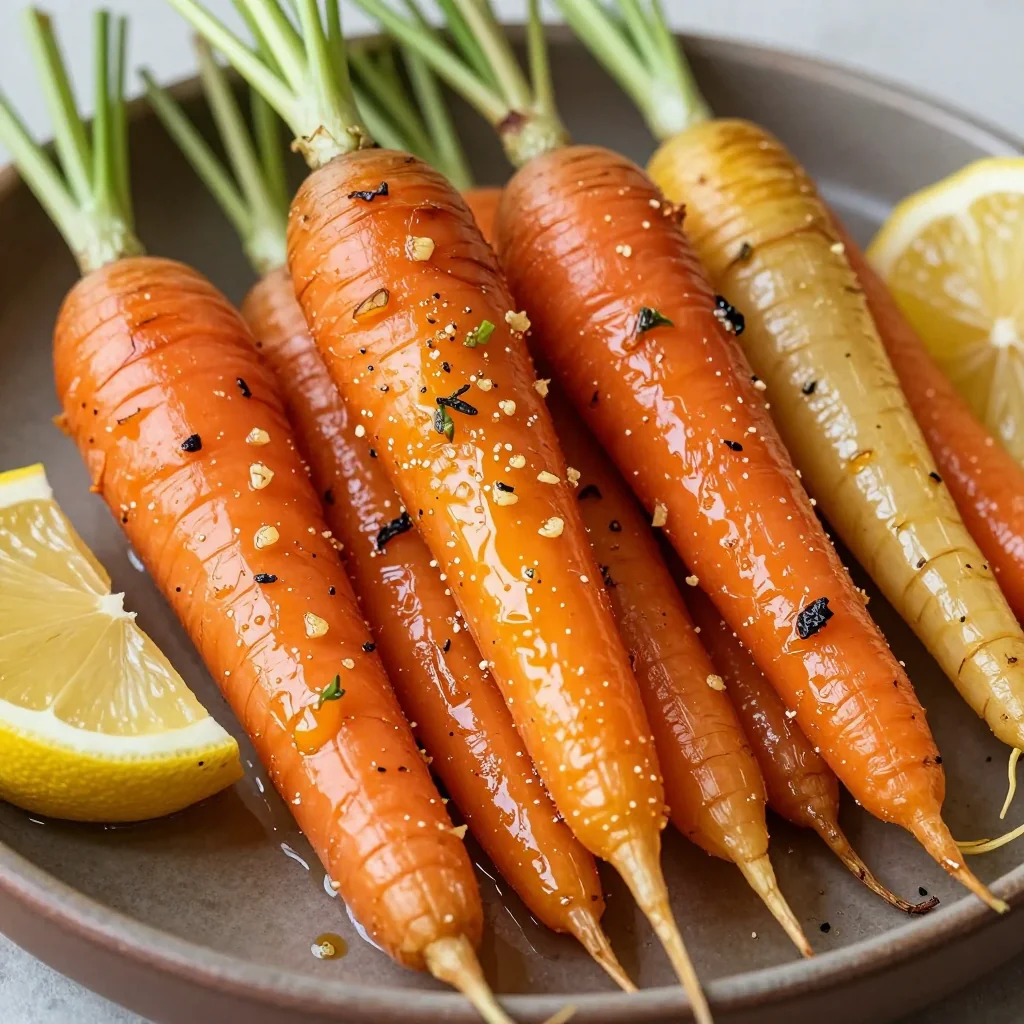
healthy lemon garlic roasted carrots and parsnips for family lunches
Ingredients
Instructions
- Preheat oven: Line two rimmed baking sheets with parchment and heat oven to 425°F (220°C).
- Make marinade: Whisk olive oil, lemon zest, lemon juice, garlic, salt, pepper, and thyme in a small bowl.
- Combine: Place carrots and parsnips in a large bowl; pour in marinade and toss until evenly coated.
- Arrange: Spread vegetables in a single layer on prepared pans; keep pieces from touching for best browning.
- Roast: Bake 20 min, flip and rotate pans, then bake 15–20 min more until tender and caramelized.
- Finish: Squeeze over an extra splash of lemon juice if desired, adjust salt, and serve warm or chilled.
Recipe Notes
Leftovers keep up to 5 days refrigerated or 3 months frozen. Reheat in a 400°F oven for best texture.