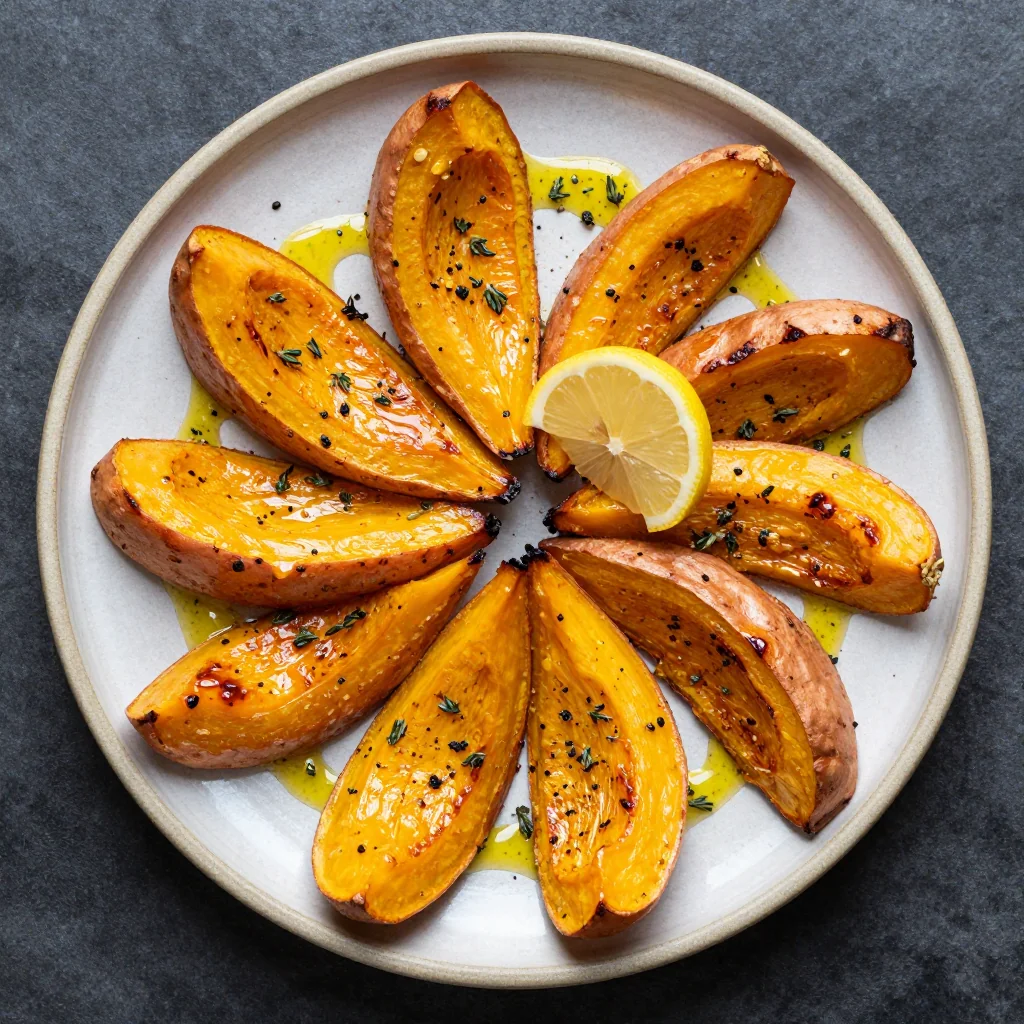
Love this? Pin it for later! 📌
Low-Calorie Lemon Roasted Winter Squash & Sweet Potatoes
When January’s chill settles in and the farmers’ market stalls are piled high with gnarly squash in every shade of sunset, my oven becomes my favorite sweater. This sheet-pan supper—glossy cubes of butternut and jewel-tone sweet potatoes lacquered in a bright lemon-map glaze—has been on repeat in my kitchen for six winters straight. I first threw it together for a post-holiday “reset” dinner with girlfriends who swore they couldn’t face another salad. We ate it straight off the pan, standing around the island, forks clinking against the hot metal, and every single one of us asked for the recipe before the night ended.
Since then it’s become my go-to for meatless Mondays, holiday potlucks (the platter always comes home empty), and those Sunday meal-prep sessions when I want the house to smell like I’ve got my life together. At just 210 calories per generous cup, it’s light enough to tuck beside a piece of fish or a pile of greens, yet satisfying enough to star as the main event with a drizzle of herby yogurt or a fried egg on top. The secret is the finishing splash of fresh lemon that lifts the natural sweetness of the vegetables without adding extra oil or sugar. One bite and you’ll understand why winter produce never tasted so sunny.
Why This Recipe Works
- High-heat roasting: 425 °F caramelizes the edges without needing excess oil.
- Lemon twice: zest before roasting, juice after—for layered brightness.
- Smoked paprika: adds a whisper of campfire that tricks taste buds into “bacon” satisfaction.
- One pan, zero boil: no pre-steaming; the squash roasts to creamy perfection in the same time as the potatoes.
- Meal-prep chameleon: serve hot, room temp, or cold; flavors deepen overnight.
- Under 300 calories per serving yet 6 g fiber keeps you full.
Ingredients You'll Need
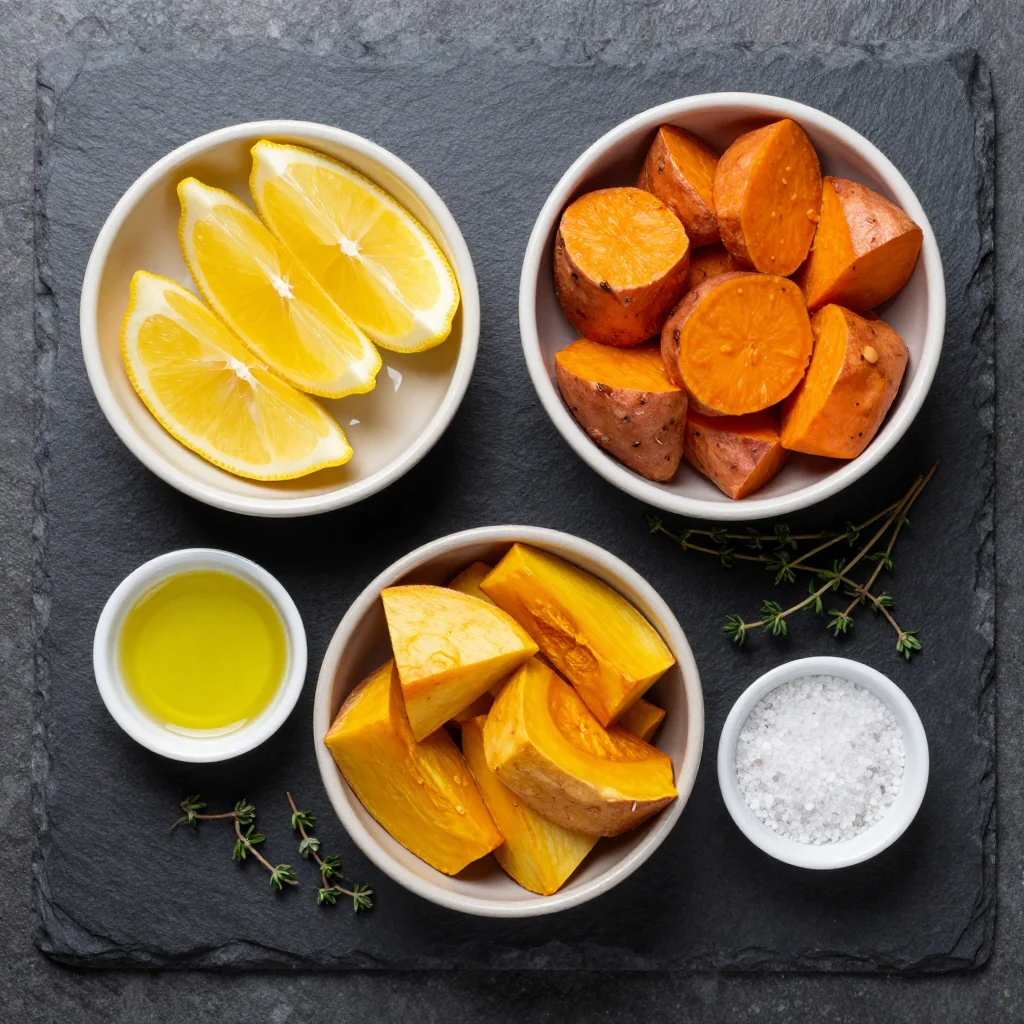
Quality matters when the ingredient list is short. Look for squash with the stem intact—no wrinkles or soft spots—and sweet potatoes that feel heavy for their size. I’ve specified butternut because its neck yields tidy cubes, but acorn, delicata, or kabocha work beautifully; just keep the total weight the same.
Butternut squash – about 2 lb before peeling. The deep orange flesh roasts into candy-like nuggets. If you hate peeling, many stores sell pre-cubed squash; pat it very dry or it will steam instead of brown.
Sweet potatoes – choose the orange-fleshed “jewel” or “garnet” varieties for maximum sweetness. Japanese purple sweet potatoes are gorgeous but slightly drier; if you use them, add an extra teaspoon of oil.
Lemon – an unwaxed, heavy-skinned lemon gives twice the payoff: zest for the roast and juice for the finish. Roll it on the counter before juicing to double the yield.
Extra-virgin olive oil spray – a refillable misting bottle lets you use 1 tablespoon total for the entire sheet pan, shaving 120 calories off the dish. If you don’t have a sprayer, drizzle and toss with your hands, letting the excess drip off.
Maple syrup – just 1 tablespoon for the whole recipe; it balances the lemon and promotes browning. Substitute with date syrup or agave if you’re out.
Smoked paprika – Spanish pimentón dulce gives a subtle smoky backbone. Regular sweet paprika works, but you’ll miss the campfire nuance.
Fresh thyme – winter herbs can be woody; strip the leaves and discard the stems. No fresh? Use ½ teaspoon dried, but add it to the oil so it hydrates.
Sea salt & freshly cracked black pepper – season at every layer for maximum flavor without extra fat.
How to Make Low-Calorie Lemon Roasted Winter Squash & Sweet Potatoes
Heat the oven & prep the pan
Place a rimmed sheet pan (13 × 18-inch if you have it) on the middle rack and preheat to 425 °F. A screaming-hot pan jump-starts caramelization and prevents sticking—no parchment needed.
Cube evenly
Peel, seed, and dice the butternut into ¾-inch cubes (about 6 cups). Trim the sweet potatoes and cut to match—uniform size means everything roasts in the same time. Transfer to a large bowl.
Season in layers
Spray the vegetables with olive oil (or drizzle 1 Tbsp), tossing to coat. Add lemon zest, thyme, smoked paprika, 1 tsp kosher salt, and several grinds of pepper. Toss again until every cube is glossy.
Spread, don’t crowd
Carefully remove the hot pan. Scatter the vegetables in a single layer; you should hear a satisfying sizzle. Crowding causes steam, so if your pan looks full, split between two pans.
Roast & flip
Roast 20 minutes. Remove, flip with a thin metal spatula (the crusty edge stuck to the pan is flavor gold), rotate the pan, and roast 10–15 minutes more until the edges blister and a fork slides through easily.
Finish with lemon & maple
Whisk 1 Tbsp maple syrup with 2 Tbsp fresh lemon juice. Drizzle over the hot vegetables, scraping the browned bits into the glaze. Toss gently; the steam carries the citrus perfume into every crevice.
Serve & garnish
Tumble onto a warm platter. Shower with extra thyme leaves and lemon zest for color. Serve immediately, or let cool and refrigerate for meal-prep magic.
Expert Tips
Microplane Magic
Zest the lemon before juicing; the oils in the skin give deeper flavor than juice alone.
Don’t Skip the Hot Pan
A preheated sheet pan is the difference between roasted and steamed vegetables.
Double the Batch
Two pans fit side-by-side in a standard oven—roast once, eat all week.
Crisp Revival
Reheat in a dry skillet over medium heat to restore caramelized edges.
Salt at the End
A final pinch of flaky salt wakes up the lemon and makes flavors pop.
Sweet-Savory Swap
Use orange juice instead of maple for a sugar-free version with 30 fewer calories.
Variations to Try
- Moroccan: swap thyme for ras el hanout and finish with chopped dates and toasted almonds.
- Spicy Maple: add ¼ tsp cayenne to the oil and sprinkle with fresh cilantro at the end.
- Herb Citrus Medley: use lime zest & juice plus chopped fresh mint for a tropical twist.
- Parmesan Crust: dust with 2 Tbsp finely grated Parm in the last 5 minutes for umami crunch.
- Purple Power: substitute half the sweet potatoes with purple Japanese yams for color contrast.
- Balsamic Finish: swap maple for 2 tsp balsamic vinegar and scatter with pomegranate arils.
Storage Tips
Cool completely, then refrigerate in an airtight container up to 5 days. The lemon keeps the vegetables from tasting oxidized, so they actually improve overnight. For longer storage, freeze portions in silicone bags up to 3 months; thaw overnight in the fridge and re-crisp in a 400 °F oven or air-fryer for 5–6 minutes.
Make-ahead shortcut: cube and season the vegetables the night before; keep covered in the fridge. When you walk in the door, just tumble onto the hot pan and dinner is 30 minutes away.
Leftover love: fold cold cubes into a spinach salad with goat cheese and toasted pumpkin seeds, or blitz with warm vegetable broth for an instant smoky-sweet soup.
Frequently Asked Questions
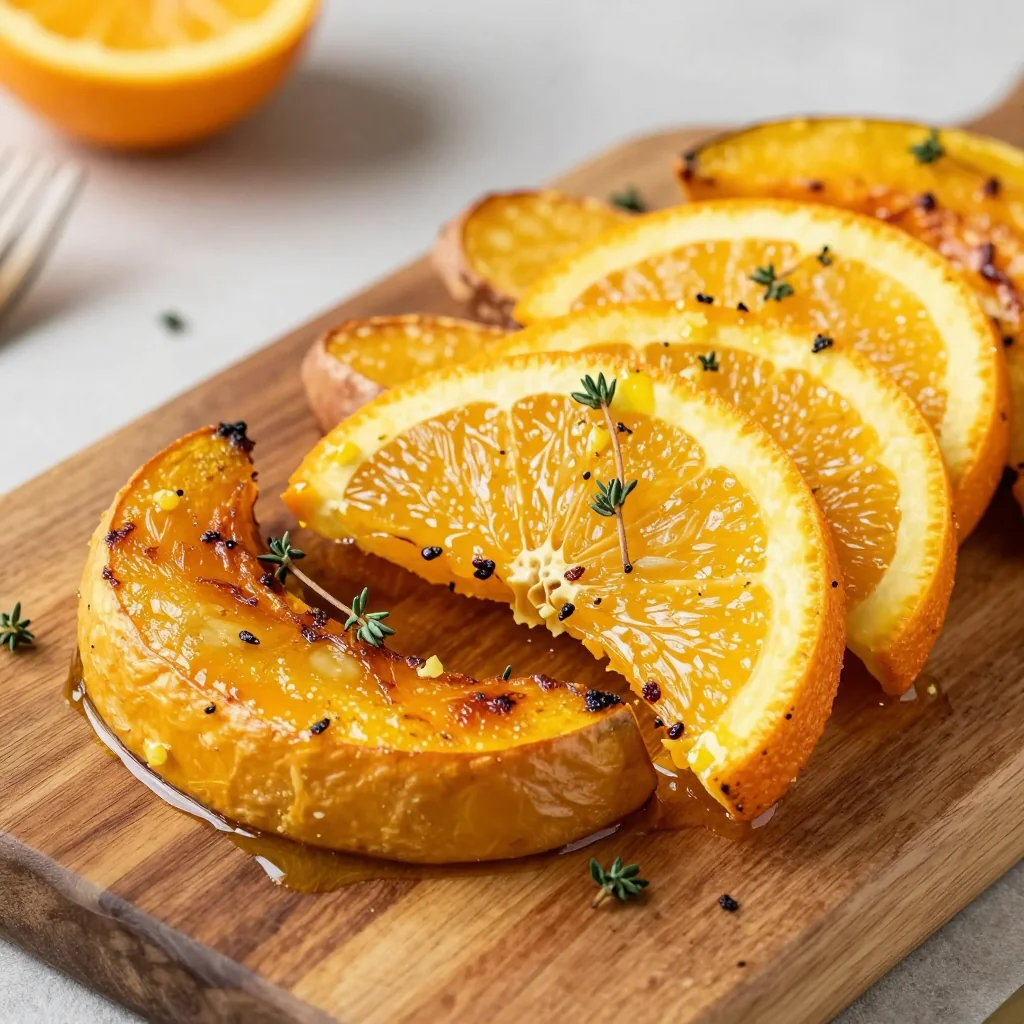
Low-Calorie Lemon Roasted Winter Squash & Sweet Potatoes
Ingredients
Instructions
- Preheat: Place a rimmed sheet pan in the oven and preheat to 425 °F (220 °C).
- Season: In a large bowl, toss squash and sweet potatoes with olive oil, lemon zest, paprika, thyme, salt, and pepper until evenly coated.
- Roast: Carefully spread vegetables on the hot pan in a single layer. Roast 20 minutes, flip, then roast 10–15 minutes more until caramelized and tender.
- Glaze: Whisk maple syrup with lemon juice. Pour over hot vegetables and toss to coat.
- Serve: Transfer to a platter, garnish with fresh thyme and lemon zest, and serve hot or at room temperature.
Recipe Notes
For extra crisp edges, broil 2 minutes at the end—watch closely! Leftovers keep 5 days refrigerated or 3 months frozen.