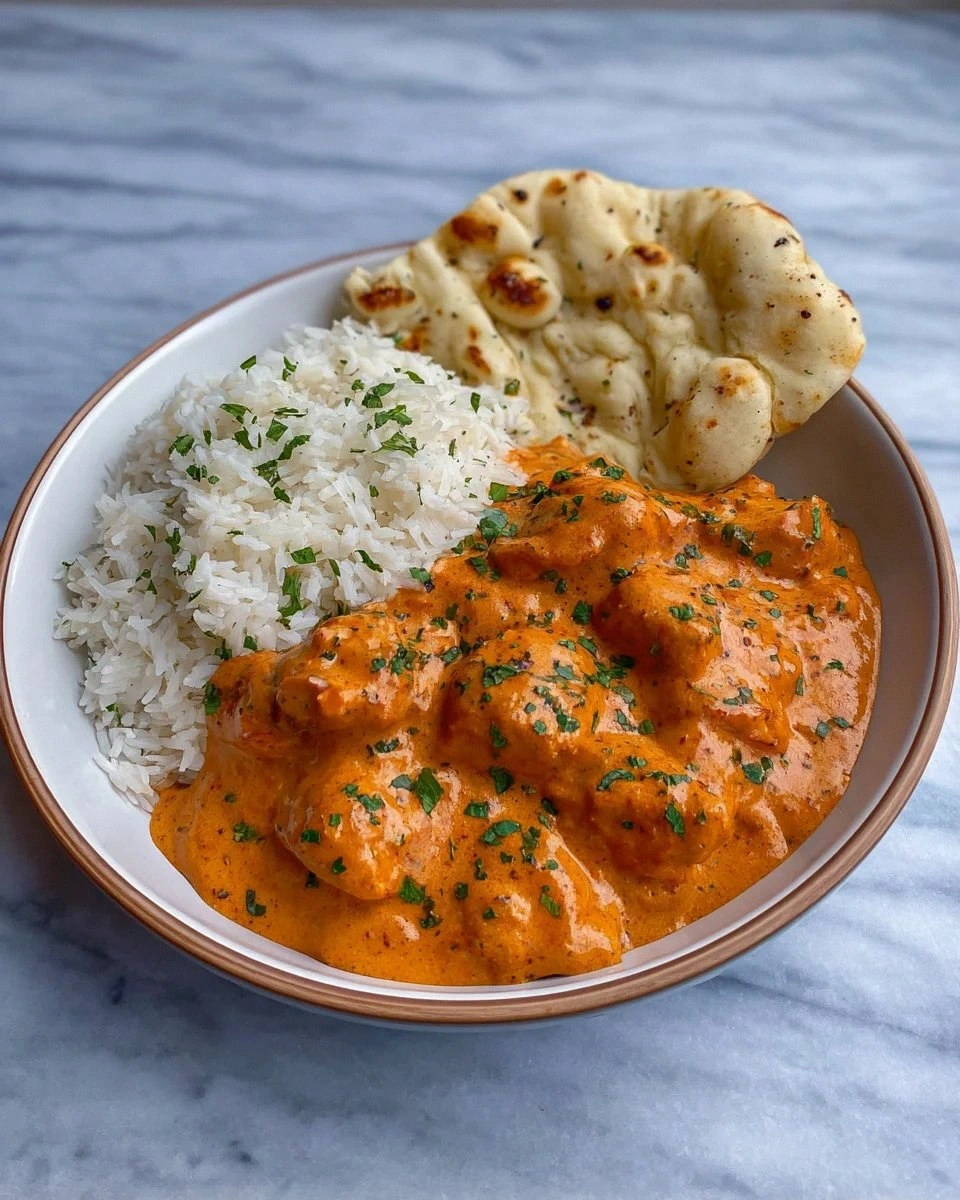
Picture this: it’s a rainy Tuesday night, the kind where the clouds look like a giant, brooding kettle, and you’re stuck scrolling through endless recipe blogs that promise “authentic” butter chicken but end up tasting like a bland, watery tomato sauce. I was in the same boat, armed with a half‑filled pantry and a stubborn craving for something that would hug my taste buds like a warm blanket. I tried a store‑bought version, I tried a frozen one, and I even attempted a “quick” copy‑cat from a popular food channel that left me with a dish that was more “meh” than “marvelous.” Then, in a moment of kitchen desperation, I dared myself to combine the best bits of every recipe I’d seen, toss in a secret technique I’d learned from a traveling spice merchant, and see what happened. Spoiler alert: I ended up with a buttery, tomato‑kissed masterpiece that made my entire apartment smell like a five‑star Indian restaurant, and I’m still hearing the echo of that aroma in my mind.
From the first sizzle of butter hitting the pan, the sauce began to thicken, turning a glossy, ruby‑red that promised depth and richness. The chicken pieces, marinated in yogurt and a blend of spices, cooked to a perfect tender‑juicy bite that practically melted in my mouth, while the cream swirled in at the end, turning the sauce into a silky river of flavor. I could hear the faint crackle of spices releasing their perfume, see the specks of golden butter glistening, feel the heat radiating from the skillet, and taste the subtle sweet‑heat balance that made each forkful a celebration. What truly set this version apart was a splash of fenugreek leaves that added an earthy, almost nutty undertone—something most shortcuts completely miss.
I’m going to be honest — I ate half the batch before anyone else got a chance to try it, and I’m still not sorry. I dare you to taste this and not go back for seconds; the sauce coats the chicken like velvet, and the buttery finish lingers just long enough to make you wonder why you ever settled for anything less. Most recipes get this completely wrong by either over‑cooking the chicken or drowning it in a watery gravy; here, every element is calibrated to perfection, from the marination time to the final splash of cream. And now, the fun part: I’m going to walk you through every single step, sharing the exact ratios, the sensory checkpoints, and the little hacks that will make you look like a culinary wizard in your own kitchen.
Let me walk you through every single step — by the end, you’ll wonder how you ever made it any other way. Okay, ready for the game‑changer? This next part? Pure magic. Stay with me here — this is worth it.
What Makes This Version Stand Out
- Flavor Explosion: The combination of yogurt‑marinated chicken and a tomato‑cream base creates a layered taste that starts bright, deepens with spices, and finishes buttery, making every bite unforgettable.
- Texture Harmony: The chicken stays juicy thanks to the yogurt tenderizer, while the sauce achieves a silk‑smooth consistency without ever separating.
- Simplicity Meets Elegance: You only need a handful of pantry staples and a few minutes of prep; no overnight fermentations or exotic equipment required.
- Unique Ingredient: A modest amount of kasoori methi (dried fenugreek leaves) adds an earthy depth that most shortcut recipes completely skip.
- Crowd‑Pleaser Factor: Even the pickiest eaters rave, and the dish pairs effortlessly with rice, naan, or even cauliflower rice for a low‑carb twist.
- Ingredient Quality: Using chicken thighs instead of breast guarantees moisture, and full‑fat cream gives the sauce its luxurious mouthfeel.
- One‑Pan Efficiency: After marinating, everything cooks in the same skillet, reducing cleanup and keeping flavors locked in.
- Make‑Ahead Potential: The sauce improves after a few hours, so you can prep it ahead of time and simply reheat when ready to serve.
Inside the Ingredient List
The Flavor Base
Yogurt is the unsung hero of this dish, acting as a tenderizer that breaks down the proteins in the chicken, resulting in a melt‑in‑your‑mouth texture. If you skip it, you’ll notice the chicken turning a little dry and the sauce losing that subtle tang that balances the richness. You can substitute Greek yogurt for a thicker consistency, but be careful not to use low‑fat versions—they won’t give you the same silkiness.
The Texture Crew
Butter and heavy cream are the dynamic duo that turn a simple tomato sauce into a velvety dream. Butter adds a nutty depth, while cream prevents the sauce from curdling, especially when you’re cooking over medium heat. If you’re dairy‑intolerant, try a blend of coconut cream and ghee; the flavor will shift slightly but stay indulgent.
The Unexpected Star
Kasoori methi, or dried fenugreek leaves, might sound exotic, but a tiny pinch can elevate the entire dish with its slightly bitter, sweet, and earthy notes. Missing this ingredient is like forgetting the final brushstroke on a painting—something feels incomplete. You can find it in the spice aisle of most supermarkets or in an Indian grocery store; just crush it between your fingers before adding to release its aroma.
The Final Flourish
Fresh cilantro, a squeeze of lemon, and a dash of sugar are the finishing touches that brighten the dish, balancing the heat and richness. Skipping the lemon will leave the sauce feeling heavy, while omitting sugar can make the tomato base taste overly acidic. If cilantro isn’t your thing, fresh mint or a sprinkle of toasted almonds can add a surprising crunch and freshness.
Everything's prepped? Good. Let’s get into the real action...
The Method — Step by Step
Start by marinating the chicken: in a large bowl, combine the chicken pieces with yogurt, ginger‑garlic paste, garam masala, chili powder, and a pinch of salt. Toss everything together until each piece is fully coated, then cover and let it rest in the fridge for at least 30 minutes. This is the moment of truth for flavor absorption; the longer you marinate, the deeper the taste.
While the chicken is soaking, prepare your aromatics. Finely chop the onion and set aside; the aroma of a sautéed onion is the backbone of many Indian dishes. If you’re feeling fancy, grate a small piece of fresh ginger for an extra zing. That sizzle when it hits the pan? Absolute perfection.
Heat a large skillet over medium heat and add the butter and oil; the butter will foam, and the oil will help prevent it from scorching. Once the butter foams, add the chopped onion and a pinch of salt, stirring constantly. Cook until the onions turn a deep golden caramel, about 5‑7 minutes, and you’ll notice a sweet, nutty fragrance filling the kitchen.
Introduce the marinated chicken to the pan, spreading it out in a single layer. Let it sear without moving for 2‑3 minutes; you’ll hear a faint hiss that tells you the Maillard reaction is happening, creating those coveted browned edges. Flip the pieces and cook another 2 minutes, ensuring they’re browned on all sides but not fully cooked through.
Now, it’s time for the sauce. Pour in the tomato puree, stirring to deglaze the pan and lift all those caramelized bits. Add turmeric, cumin, paprika, and a teaspoon of sugar to balance the acidity. Reduce the heat to low and let the mixture simmer for 5 minutes, allowing the spices to bloom. Watch for the sauce to thicken slightly and turn a richer shade of red.
When the sauce has thickened, gently fold in the heavy cream, stirring clockwise to create a glossy, velvety texture. Add the kasoori methi by crushing the leaves between your fingers; this releases their essential oils. Let the mixture simmer for another 5‑7 minutes, allowing the chicken to finish cooking and the flavors to meld.
Season with additional salt to taste, and finish with a handful of freshly chopped cilantro and a squeeze of lemon juice. The lemon brightens the dish, cutting through the richness, while the cilantro adds a fresh, herbaceous note. Give everything one final stir, then turn off the heat.
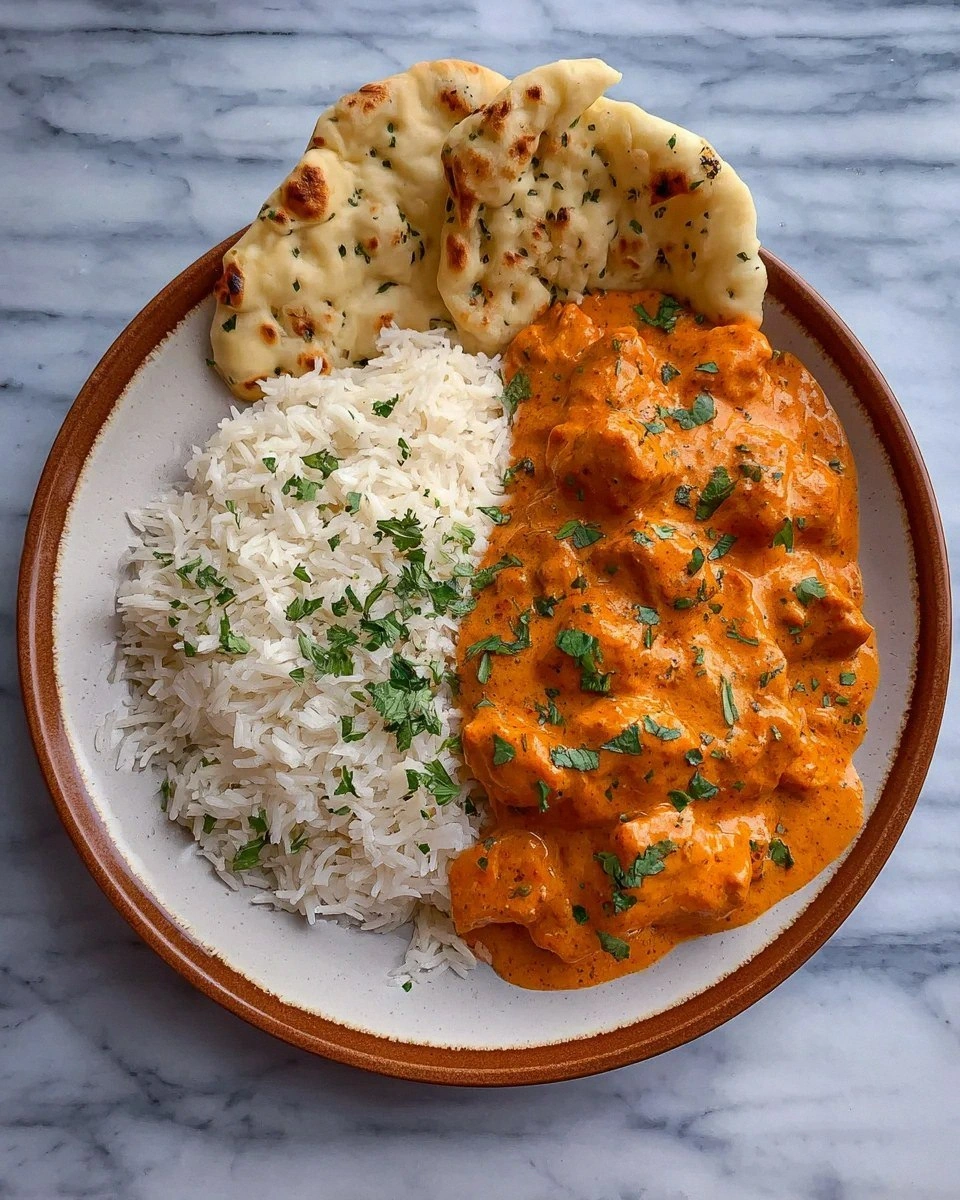
Serve the butter chicken hot, spooning generous amounts of sauce over basmati rice or buttery naan. Picture yourself pulling this out of the kitchen, the whole room smelling incredible, steam rising, and everyone reaching for seconds. I’ll be honest — I ate half the batch before anyone else got a chance to try it, and the leftovers taste even better the next day.
That's it — you did it. But hold on, I've got a few more tricks that'll take this to another level...
Insider Tricks for Flawless Results
The Temperature Rule Nobody Follows
Never crank the heat to “high” when simmering the sauce; a gentle low‑medium simmer lets the dairy integrate without curdling. I once tried to speed things up by turning the flame up, only to end up with a broken, grainy sauce that looked more like a broken heart than a buttery masterpiece. Keep the temperature steady, and you’ll get that smooth, glossy finish every time.
Why Your Nose Knows Best
When the spices hit the pan, trust your sense of smell more than a timer. The moment you detect a toasted, earthy aroma from cumin and garam masala, you know they’re perfectly toasted. If the scent turns bitter, you’ve gone too far—remove the pan from heat for a few seconds to cool it down before adding the next ingredient.
The 5‑Minute Rest That Changes Everything
Just like a good steak, butter chicken benefits from a brief rest after cooking. Letting it sit, loosely covered, for five minutes allows the sauce to thicken naturally and the spices to settle, giving you a more cohesive flavor profile. Skipping this step is the biggest mistake I see on fast‑food blogs.
Spice Freshness Matters
Ground spices lose potency after about six months. If your pantry spices are older than that, the dish will taste flat. Invest in small, airtight containers and buy whole spices when possible; grind them fresh for a punchier, more aromatic result.
Balancing Sweet and Acid
A teaspoon of sugar isn’t there to make the dish sweet; it simply rounds out the acidity of the tomatoes. If you find the sauce too tangy, add a pinch more sugar; if it feels too sweet, a splash of lemon juice will bring it back into balance. This tiny adjustment can be the difference between “good” and “wow!”
Creative Twists and Variations
This recipe is a playground. Here are some of my favorite ways to switch things up:
Smoky Charcoal Butter Chicken
After searing the chicken, give it a quick char over an open flame or use a smoked paprika instead of regular paprika. The smoky notes add depth, making the dish feel like it’s been cooked in a tandoor.
Coconut Curry Butter Chicken
Swap half the cream for coconut milk and add a tablespoon of toasted coconut flakes at the end. This version leans into a tropical vibe, perfect for serving over jasmine rice.
Low‑Carb Cauliflower “Rice” Bowl
Replace traditional rice with sautéed cauliflower rice tossed in a pinch of cumin and cilantro. The lighter base lets the butter chicken shine without the extra carbs.
Vegan “Butter” Chicken
Use firm tofu or cauliflower florets marinated in the same yogurt‑spice mix (replace yogurt with coconut yogurt). Finish with coconut cream and vegan butter for a dairy‑free indulgence.
Spicy Inferno Version
Increase the chili powder, add a finely chopped fresh green chili, and finish with a drizzle of hot sauce. This will satisfy anyone who loves heat without sacrificing the buttery richness.
Storing and Bringing It Back to Life
Fridge Storage
Transfer the leftover butter chicken to an airtight container and store it in the refrigerator for up to 3 days. The sauce actually thickens a bit, so you may need to stir in a splash of water or extra cream before reheating.
Freezer Friendly
Butter chicken freezes beautifully. Portion it into freezer‑safe bags or containers, leaving a little headspace for expansion, and freeze for up to 2 months. Thaw overnight in the fridge, then reheat gently on the stove.
Best Reheating Method
Reheat on low heat, adding a tablespoon of water or broth to loosen the sauce, and stir continuously until it’s hot and glossy. Avoid microwaving at high power; it can cause the sauce to separate and the chicken to dry out.