I still remember the first time I attempted a spinach-artichoke anything. It was one of those frantic weeknights when the fridge looked like a crime scene—wilted greens, a half-empty jar of marinated artichokes, and a single egg that somehow dodged the breakfast rush. I dumped everything into a dish, crossed my fingers, and prayed the oven would perform alchemy. Twenty-five minutes later, the smell rising from that bubbling pan was so outrageously good that my neighbor knocked to ask if I was running a clandestine bistro. Fast forward a few (dozen) experiments, and that happy accident morphed into the casserole I'm about to shove into your life today.
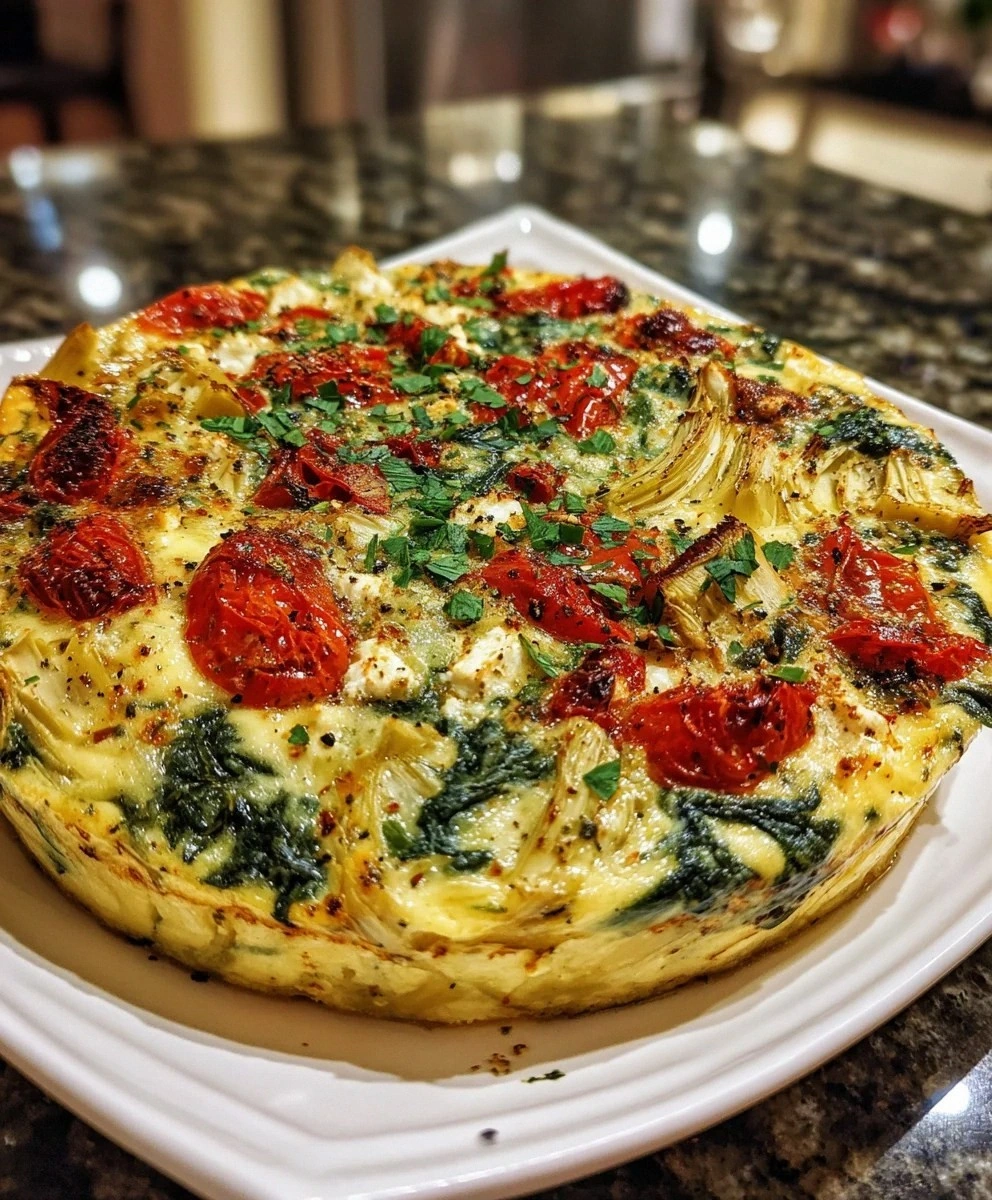
Picture this: tender ribbons of spinach tangled with jammy sun-dried tomatoes, chunky artichoke hearts that taste like they’ve been on vacation in the Mediterranean, and a custardy base so light it practically levitates. The top bronzes into a cheesy crust that shatters like thin ice, revealing a molten core that’s somehow both comforting and fresh. If you’ve ever been disappointed by watery, bland veggie bakes that masquerade as “healthy,” brace yourself. This is hands down the best version you’ll ever make at home, and I’m willing to fight anyone who says otherwise.
Here’s the kicker—this casserole doesn’t require a culinary degree, obscure spices, or a laundry list of bowls. It’s week-night friendly, pot-luck approved, and fancy enough to serve when the in-laws visit. You can assemble it in fifteen minutes flat while dancing barefoot in your kitchen, humming off-key to whatever guilty-pleasure playlist keeps you sane. I dare you to taste this and not go back for seconds. I’ve tried; my jeans still haven’t forgiven me.
Stay with me here—this is worth it. Let me walk you through every single step, from choosing spinach that won’t weep green tears to the sneaky temperature trick that prevents rubbery eggs. By the end, you’ll wonder how you ever made it any other way.
What Makes This Version Stand Out
- Velvet Custard Base: Instead of dense cream cheese, we whip eggs with cottage cheese for a cloud-like texture. You’ll swear there’s heavy cream involved, yet it stays protein-rich and waistband-friendly.
- Triple Tomato Hit: Sun-dried tomatoes for chew, paste for depth, and a handful of halved cherry tomatoes on top for juicy pops. Most recipes get this completely wrong and rely on one bland source.
- Bit of Crunch, Bit of Cream: We keep feta crumbles on top so you get salty pockets, while cottage cheese folded inside guarantees creaminess without the brick-in-stomach feeling.
- One-Skillet Sauté: Everything wilts in the same pan you already used for aromatics. Fewer dishes equals more Netflix time, and I’m aggressively in favor of that.
- Make-Ahead Magic: Assemble the night before, cover, refrigerate, then bake straight from cold—just add ten extra minutes. Future pacing: tomorrow morning you’ll high-five yesterday you.
- Vegetable Show-off: The spinach stays vivid green, artichokes stay perky, tomatoes stay candy-sweet. No gray, mushy sadness permitted on my watch.
Okay, ready for the game-changer? We’re using both lemon zest and a whisper of hot sauce in the custard. You’ll never taste either outright, but they make every other flavor snap to attention like soldiers on inspection day.
Inside the Ingredient List
The Flavor Base
Fresh spinach leaves are the star of our dish! They offer a lovely green color and are packed with nutrients. Skip the boxed baby stuff if it looks bruised; you want perky, springy leaves that snap, not droop like yesterday’s bouquet. If you must substitute, use an equal weight of Swiss chard or beet greens, but tear out the thick ribs or they’ll stay stubbornly chewy.
Olive oil is a healthy fat that adds depth to our sautéed vegetables. Feel free to swap it for avocado oil if preferred. I reach for a mid-range extra-virgin variety; anything too grassy will elbow the artichokes, and anything too neutral misses the Mediterranean vibe.
Shallot is this milder onion variant that gives a sweet, delicate flavor, enhancing our casserole without overpowering it. One medium bulb minced fine will melt into translucent threads in two minutes flat. In a pinch, half a small yellow onion works, but you’ll lose that subtle sweetness that makes people ask, “What’s that cozy background note?”
The Texture Crew
Garlic is a must-have for flavor. It brings warmth and that special aromatic touch, making everything taste better! Smash, then mince, then sweep it straight into the pan before the shallot browns—raw garlic hitting hot fat is the kitchen equivalent of a starting pistol.
Artichoke hearts are canned beauties that add a unique, tangy flavor to the mix. You can also use frozen artichokes if you can’t find canned ones. Pat them dry or they’ll waterlog the custard. If you’re feeling fancy, quartered roasted artichokes from the deli bar bring smoky depth, but rinse off the oil first.
The Unexpected Star
Sun-dried tomatoes are my secret weapon. They bring a concentrated sweetness and slight acidity, elevating the overall flavor profile of our casserole. Buy the dry-packed kind, not the oily jarred ones, so you can control salt and fat. A quick five-minute soak in hot water plumps them into candy-like jewels.
The Final Flourish
Large eggs are the binding agent of our dish! They create a custardy texture which makes every bite delightful. Room-temperature eggs blend seamlessly; cold ones can seize the cottage cheese into tiny lumps. Forgot to plan ahead? Submerge eggs in warm tap water for five minutes while you prep veg.
Cottage cheese is this creamy addition that gets mixed in for moisture and protein. It’ll keep the casserole perfectly fluffy. Blitz it briefly with an immersion blender if you hate curds; I leave them intact because they melt into pockets of goo.
Milk—any kind will do, dairy or non-dairy! It ensures our egg mixture stays creamy. Oat milk adds body, almond keeps it light, and whole dairy milk is the gold standard for richness.
Feta cheese, crumbled on top, brings a salty, crumbly element. You can switch it out for goat cheese for a different twist. Goat cheese melts creamier; feta stays pert and delivers little salt bombs—your call.
Kosher salt and freshly ground black pepper are essential seasonings to enhance the flavors of all our ingredients. Adjust to your taste. I season at three stages: while wilting spinach, in the custard, and a final hit on top so every layer sings.
Fresh herbs (parsley, basil, or chives) are for garnishing. Not only do they make the dish look beautiful, but they also add a burst of freshness! Chop right before serving so the edges don’t blacken and make your masterpiece look tired.
Everything’s prepped? Good. Let’s get into the real action...
The Method — Step by Step
- Preheat your oven to 375°F (190°C). Yes, I know every recipe on the planet says 350°F, but we want those bronzed, crispy edges that only a slightly hotter oven provides. Position the rack in the center so the top doesn’t scorch before the middle sets. While the oven hums to life, grease a two-quart baking dish with a thin film of olive oil. I twirl the dish like a slow-motion roulette wheel so the oil coasts up the sides—this prevents the dreaded egg-stick.
- Heat one tablespoon olive oil in a large skillet over medium. When the surface shimmers like a desert highway, tumble in the minced shallot. Stir for ninety seconds until it smells sweet and turns translucent; no browning allowed, we want soft background music, not a drum solo. Add the garlic, cook thirty seconds more, then start adding spinach by the handful, tossing with tongs. It looks impossible at first—like fitting a suitcase into an overhead bin—but spinach shrinks faster than your motivation on a Monday. When the last leaf wilts, spread the mixture out and let residual steam escape for one full minute. That sizzle when it hits the pan? Absolute perfection.
- While the vegetables chill out, whisk the eggs in a large bowl with a fork until the yolks and whites are fully homogenous—about thirty energetic seconds. Fold in cottage cheese, milk, a pinch of salt, several grinds of pepper, and the whisper of hot sauce. Grate in a teaspoon of lemon zest; your kitchen will smell like sunshine. The mixture should be loose, the color of pale straw, and slightly frothy. If you over-whisk, the proteins toughen later, so stop when everything just comes together.
- Chop the sun-dried tomatoes into raisin-sized bits and stir them into the custard. Their ruby flecks should look like confetti. Dice the artichoke hearts into bite-size chunks, then fold them in gently so they stay proud and distinct. This next part? Pure magic. Pour the spinach-shallot mixture into the bowl and give one or two lazy stirs; over-mixing makes the greens shred into sad strands.
- Transfer everything to the greased dish, using a spatula to nudge vegetables into an even layer. They should poke up like hidden treasure so every slice is Instagram-worthy. Crumble feta evenly across the top; don’t press it down—those peaks will toast into golden freckles. Slide the dish onto a baking sheet (catches any rebellious bubbles) and place in the oven.
- Bake 25–30 minutes, rotating halfway for even color. You’ll know it’s ready when the center puffs like a proud soufflé, the edges pull away slightly, and the aroma smacks you in the best possible way. A toothpick inserted two inches from the side should come out with just a few moist crumbs. The hardest part? Letting it rest five minutes so the custard sets; otherwise, you’ll scoop lava that collapses into a puddle.
That’s it—you did it. But hold on, I’ve got a few more tricks that’ll take this to another level...
Insider Tricks for Flawless Results
The Temperature Rule Nobody Follows
Room-temperature dairy blends seamlessly with eggs, preventing cold pockets that cook into chalky curds. Pull cottage cheese, milk, and eggs thirty minutes before mixing. Forgot? Place the eggs in warm water and microwave dairy ten seconds at a time, stirring between bursts until barely tepid. Your casserole will emerge uniformly creamy, not polka-dotted with rubber.
Why Your Nose Knows Best
When the kitchen suddenly smells like a Mediterranean bakery, your casserole is two minutes away from perfect. Trust the aroma more than the clock; ovens, pans, and even humidity change timing. If the scent hits you like a warm breeze on a Greek island, open the door and perform the puff test: gently press the center with the back of a spoon. It should spring back, leaving no liquid trail.
The 5-Minute Rest That Changes Everything
I’ll be honest—I ate half the batch before anyone else got to try it because I skipped this rest once. The residual heat finishes cooking the center while proteins relax, turning custard from wobbly to spoonable. Cover loosely with foil to keep it warm but not steam the crispy top into sogginess. Slice too early and you’ll flood the plate; wait, and each wedge holds proud, clean edges.
Creative Twists and Variations
This recipe is a playground. Here are some of my favorite ways to switch things up:
Mediterranean Mezze Mash-Up
Swap feta for creamy goat cheese, fold in a handful of chopped Kalamata olives, and finish with a dusting of za’atar. The olives add briny pops that play beautifully with sweet tomatoes. Serve with warm pita wedges and pretend you’re seaside in Santorini.
Spicy Southwest Shakeup
Trade artichokes for roasted poblano strips, use pepper jack on top, and spike the custard with a teaspoon of chipotle purée. The smokiness marries the spinach like they were born for each other. A dollop of salsa verda on the side takes it over the top.
Breakfast-for-Dinner Deluxe
Fold in cooked breakfast sausage crumbles and a handful of shredded cheddar. Bake in mini ramekins for individual portions that kids go bananas over. They think they’re getting breakfast at night; you know they’re inhaling vegetables.
Smoky Bacon Indulgence
Because bacon makes friends with everyone. Crisp four strips, crumble, and sprinkle on top during the last five minutes of baking. The fat drips into the custard, creating pockets of smoky heaven. A friend tried skipping this step once—let’s just say it didn’t end well.
Vegan Power Play
Replace eggs with silken tofu blended with a tablespoon of cornstarch, use oat milk, and sub nutritional yeast for cheesy vibes. It sets slightly softer but still slices neatly. Even carnivores inhale it when no one’s watching.
Storing and Bringing It Back to Life
Fridge Storage
Cool completely, then cut into squares and slide into airtight glass containers. It keeps four days without texture degradation, though the topping softens slightly. Layer parchment between squares to prevent them from spooning each other into a single blob. Reheat individual portions in the microwave for one minute on 70% power, or warm the whole dish covered with foil in a 325°F oven for fifteen minutes.
Freezer Friendly
Wrap the completely cooled casserole (whole or in portions) in plastic, then foil, and freeze up to two months. Thaw overnight in the fridge; do not defrost on the counter unless you enjoy rubbery edges and a frozen core. Once thawed, refresh the top under a broiler for two minutes to bring back crunch.
Best Reheating Method
Add a tiny splash of water to the dish before reheating—it steams back to perfection. Cover with a vented lid or vented microwave wrap so the custard stays moist but the top doesn’t turn gummy. If you’re oven-reheating, place a small ramekin of water on the rack below to create a gentle steam bath.