Picture this: I’m standing in my kitchen, a half‑finished batch of rice paper rolls on the counter, and a sudden realization that the sauce I’ve been drizzling is just a sad drizzle of soy. The moment my taste buds screamed, “This is missing something,” a friend shouted, “Why don’t you throw in some basil?” I laughed, then decided to throw everything I had into the mix and, by the end of the night, I’d created a dish that was nothing short of a culinary revelation.
From the first sizzling sound as the beef hits the hot pan, to the bright, green aroma of basil and cilantro swirling in the air, the senses are assaulted in the best possible way. The sight of translucent rice paper turning golden at the edges, the crackle of vegetables, and the faint scent of lime all combine into a sensory tapestry that makes your mouth water before you even take a bite. The sound of the first bite—crisp, juicy, and slightly smoky—announces the triumph of flavors, while the subtle heat from chili flakes lingers on the tongue like a gentle whisper.
What makes this version stand out is that it’s not just a roll; it’s a fresh, vibrant, and utterly addictive bite that turns an ordinary dinner into an experience. I’m talking about a sauce that coats the beef like velvet, a crunch that shatters like thin ice, and herbs that burst with every chew. The secret? A perfectly balanced mix of sweet, salty, and sour that makes the dish feel light yet satisfying.
There’s one twist that most people overlook: a splash of coconut milk in the sauce that gives it a silky finish and a subtle tropical undertone. That little addition transforms the dish from simple to unforgettable, turning each roll into a passport stamp of Southeast Asian flavors. Trust me, you’ll taste it and immediately want to go back for seconds.
Let me walk you through every single step—by the end, you’ll wonder how you ever made it any other way.
What Makes This Version Stand Out
- Taste: The sauce is a harmonious blend of sweet, salty, and sour that clings to every bite, turning each roll into a flavor explosion.
- Texture: The beef stays juicy while the rice paper becomes crisp-edged, creating a contrast that feels like a dance of textures.
- Freshness: Using fresh basil and cilantro keeps the dish bright and aromatic, preventing the heaviness that often plagues similar recipes.
- Ingredient Quality: A lean flank steak and high-quality fish sauce elevate the dish to a gourmet level while still being approachable for home cooks.
- Speed: The entire process takes less than 45 minutes, making it perfect for weeknight dinners or last‑minute parties.
- Make‑ahead Potential: The rolls can be assembled in advance and refrigerated, letting you focus on plating when the guests arrive.
- Visual Appeal: The vibrant green of the herbs against the translucent rice paper makes the dish a feast for the eyes.
- Crowd Reaction: Friends who’ve tried this version rave that it’s “hands down the best” and can’t stop asking for the recipe.
Inside the Ingredient List
The Flavor Base
Fish sauce, soy sauce, lime juice, and brown sugar form the backbone of the sauce. The fish sauce provides umami depth, while the soy sauce adds a subtle saltiness that balances the sweetness. Lime juice cuts through the richness, giving the dish a bright, refreshing finish. If you skip the lime, the rolls will feel flat and unbalanced.
The Texture Crew
Flank steak, cucumber, carrot, and bell pepper bring a dynamic range of textures. The steak, when sliced thinly, stays tender and juicy, offering a savory bite that’s hard to resist. Fresh vegetables add crunch and color, creating a visual and tactile contrast that keeps the palate engaged.
The Unexpected Star
Basil and cilantro are the unsung heroes that elevate this dish. Basil’s sweet, peppery flavor cuts through the richness, while cilantro adds a citrusy bite that lifts the entire roll. If you’re missing one, basil can stand in for cilantro, but the dish loses a layer of complexity.
The Final Flourish
Red chili flakes, garlic, and vegetable oil add the finishing touches. Chili flakes give a subtle heat that doesn’t overwhelm, while garlic adds depth. A splash of oil helps the sauce coat the ingredients evenly and adds a silky mouthfeel.
Everything’s prepped? Good. Let’s get into the real action...
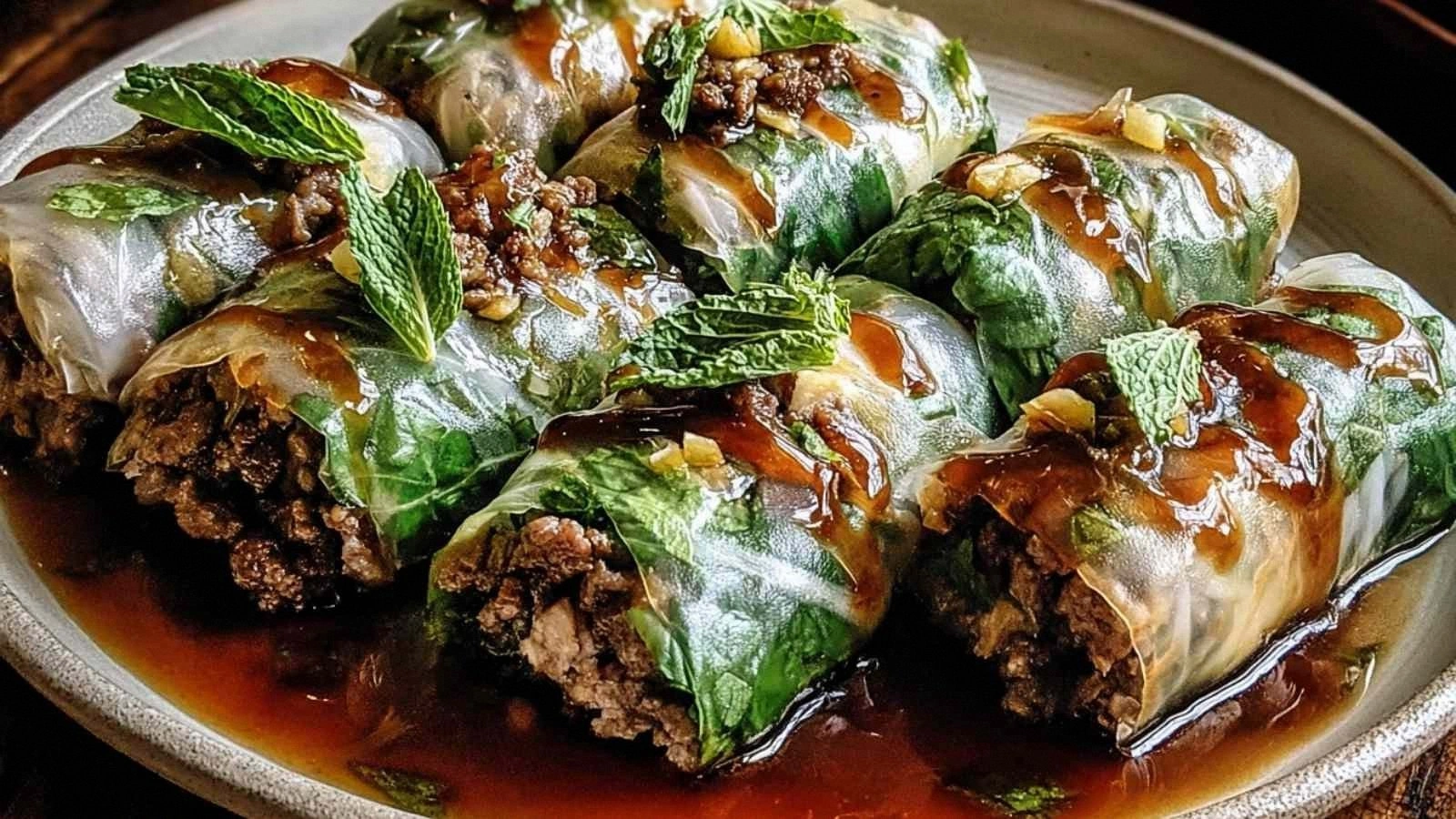
The Method — Step by Step
- In a large skillet, heat the vegetable oil over medium‑high heat. Add the minced garlic and sauté for 30 seconds until fragrant, being careful not to burn it. Then toss in the thinly sliced flank steak, seasoning it lightly with salt and pepper. Cook the beef for 2–3 minutes until it’s just browned but still juicy; this preserves its tenderness.
- While the steak cooks, whisk together fish sauce, soy sauce, lime juice, brown sugar, and red chili flakes in a small bowl. The sweet sugar dissolves quickly, creating a silky sauce that will coat the beef and vegetables. Keep this sauce set aside; you’ll drizzle it over the rolls later.
- Fill a shallow dish with warm water. Dip one rice paper wrapper into the water for about 10 seconds, just until it starts to soften but remains pliable. Lay it flat on a clean surface and arrange a small handful of basil, cilantro, cucumber, carrot, and bell pepper strips in the center. Top with a slice of cooked steak.
- Fold the sides of the wrapper over the filling and then roll tightly from the bottom, ensuring the filling stays enclosed. Repeat this process for all 12 wrappers, keeping the rolls moist with a damp cloth between each step to prevent sticking.
- Watch Out: When rolling, be gentle; too much pressure can tear the rice paper, especially if it’s over‑soaked. The goal is a snug but not tight roll that holds together without breaking.
- In a separate small saucepan, bring the prepared sauce to a gentle simmer over low heat for 2 minutes. This step melds the flavors and slightly thickens the sauce, making it easier to coat the rolls evenly.
- Arrange the rolls on a serving platter and drizzle the warm sauce over them, ensuring each roll receives an even coating. Garnish with additional basil leaves for a fresh pop of color.
- Serve immediately with a side of lime wedges and a small bowl of dipping sauce. The dish is best enjoyed fresh, but you can store leftovers in the refrigerator for up to two days.
That’s it — you did it. But hold on, I’ve got a few more tricks that’ll take this to another level...
Insider Tricks for Flawless Results
The Temperature Rule Nobody Follows
Cooking the beef at the right temperature is critical. A high heat sears the outside while keeping the inside juicy. If the pan is too hot, the beef will burn; too cool, and it will become dry. I’ve found that a medium‑high setting works best for flank steak.
Why Your Nose Knows Best
Before you start rolling, give the sauce a sniff. If it smells too sweet, add a splash of fish sauce; if it’s too salty, a bit of lime juice. Your nose is the best judge of balance. A quick tweak can turn a good roll into a great one.
The 5‑Minute Rest That Changes Everything
After cooking the beef, let it rest for 5 minutes before slicing. This allows the juices to redistribute, keeping the meat moist. Skipping this step often results in dry, overcooked steak.
Rolling Technique: The “Squeeze” Method
When you’re about to roll, lightly squeeze the wrapper to seal the edges. This prevents the filling from spilling out during the first bite. I’ve found that a gentle squeeze works better than pressing hard, which can tear the wrapper.
Serving Suggestion: A Dash of Fresh Lime
Just before serving, squeeze a few drops of fresh lime over the rolls. This adds a burst of brightness that elevates the dish. It’s a simple step that makes a big difference.
Creative Twists and Variations
This recipe is a playground. Here are some of my favorite ways to switch things up:
Thai Basil Beef Rolls with Shrimp
Swap the beef for peeled shrimp. The shrimp adds a sweet, briny flavor that pairs beautifully with the herbs. Cook the shrimp for just 2 minutes until pink and firm.
Vegetarian Basil Rolls
Use marinated tofu or tempeh instead of beef. Marinate the protein in soy sauce and lime juice for 15 minutes to infuse flavor. This version is hearty and still delivers that fresh crunch.
Spicy Peanut Sauce Rolls
Replace the standard sauce with a creamy peanut sauce made from peanut butter, soy sauce, lime, and a touch of honey. The nutty flavor adds depth while the chili flakes keep the heat on point.
Smoky BBQ Basil Rolls
Marinate the beef in a smoky BBQ sauce before cooking. The smoky undertones complement the fresh herbs and give the dish a unique twist.
Ginger Lime Basil Rolls
Add minced fresh ginger to the sauce for a zesty kick. Ginger pairs wonderfully with lime and fish sauce, creating a bright, aromatic profile.
Gluten‑Free Variation
Use gluten‑free soy sauce and ensure the rice paper is gluten‑free. This keeps the dish safe for those with gluten sensitivities without sacrificing flavor.
Storing and Bringing It Back to Life
Fridge Storage
Store the rolls in an airtight container in the refrigerator for up to two days. Keep the sauce separate until you’re ready to serve to prevent the rice paper from becoming soggy.
Freezer Friendly
For longer storage, freeze the rolls in a single layer on a parchment‑lined tray, then transfer them to a freezer bag. They’ll keep for up to one month. Thaw overnight in the refrigerator before reheating.
Best Reheating Method
Reheat in a steamer or microwave for 30–45 seconds, adding a splash of water before reheating to keep the rolls moist. A quick sauté in a hot pan for 1 minute also works if you want a slightly crisp exterior.