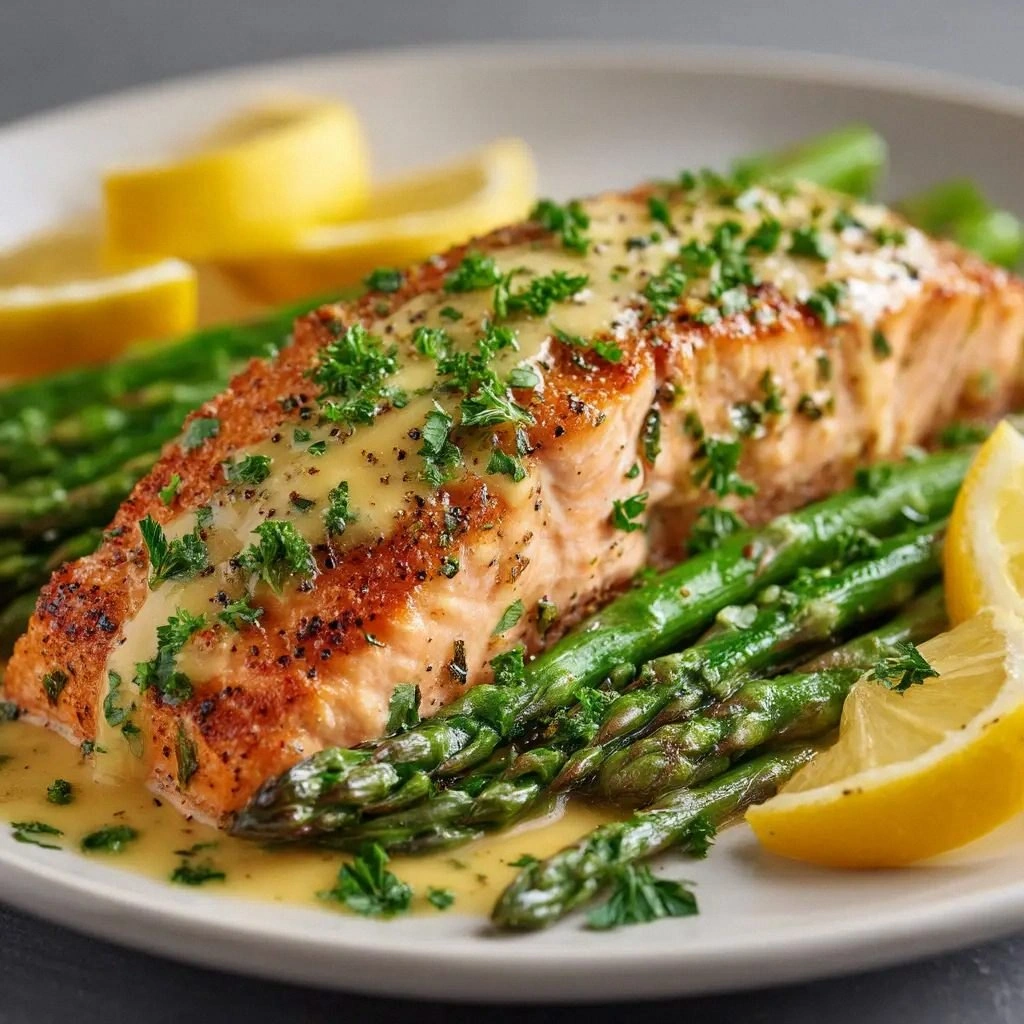
Remember that night when my friends and I tried to impress everyone with a “quick” salmon dinner that turned into a kitchen catastrophe? The fillets came out dry, the seasoning clumped into a black crust, and the whole pot smelled like burnt oil. I was so embarrassed that I almost called it a culinary failure, but then I stumbled across a simple foil‑wrapped technique that turned the dish into a show‑stopper. It was a revelation: a moist, flaky fillet that practically melts on the tongue, with a bright, herbaceous zing that lingers long after the last bite.
Picture the scene: the oven preheating to a perfect 400°F, the air thick with the scent of citrus and fresh dill, the foil sheets glistening like tiny sheets of paper lanterns. The fillets sit inside, their edges lightly browned, steam rising in a fragrant cloud. As the timer ticks, the kitchen hums, and the sound of the oven door opening is the sweet anticipation of a meal that’s both effortless and elegant. I dare you to taste this and not go back for seconds.
This isn’t just another salmon recipe; it’s a lesson in how the right technique and a few high‑quality ingredients can elevate a humble protein into something that feels like a gourmet experience. The foil creates a sealed environment that locks in moisture, while the olive oil, garlic, dill, and lemon form a flavor matrix that coats each bite like velvet. The result? A tender, flaky texture that’s almost buttery, with a bright citrus lift that cuts through the richness without overpowering it.
What sets this version apart is the simplicity of the preparation paired with the depth of flavor. You don’t need a fancy grill or a complex sauce—just a few pantry staples, a sheet of foil, and a few minutes of patience. I’ll show you how to do it step by step, and by the end, you’ll wonder how you ever cooked salmon any other way. Picture yourself pulling this out of the oven, the whole kitchen smelling incredible, and watching your guests’ faces light up as they take their first bite.
In the next section, we’ll break down why this recipe is hands down the best version you’ll ever make at home. I’ll reveal the secrets that most recipes get completely wrong, and how you can avoid the common pitfalls that ruin a salmon dinner. If you’ve ever struggled with flaky fish, you’re not alone—and I’ve got the fix. Ready to see what makes this recipe so special? Let me walk you through every single step.
One of the first things I noticed when I tried this method was how quickly the flavors melded together. The garlic and dill create a subtle herbaceous base, while the lemon’s acidity brightens the entire dish. The olive oil acts as a silky medium, ensuring the fish stays moist and the foil doesn’t dry out. And the salt and pepper are the final touch that brings everything together, giving the fillets a savory finish that’s simply irresistible.
When you’re ready to start cooking, remember that the key is in the layering. Each component must be evenly distributed to avoid uneven cooking or flavor imbalance. The foil’s role isn’t just to contain the steam; it’s to create a mini‑steamer that keeps the salmon tender. And the best part? You can prep everything in advance, making this a perfect make‑ahead dish for busy weeknights or dinner parties.
So, if you’re ready to transform a simple salmon fillet into a restaurant‑quality meal, keep reading. I’ll share the exact steps, the little hacks that save time, and the variations that let you customize the dish to your taste. Trust me, this is going to become a staple in your kitchen repertoire.
What Makes This Version Stand Out
- Taste: The combination of fresh dill and lemon creates a bright, herbaceous flavor that cuts through the richness of salmon, delivering a balanced, savory profile that feels both simple and sophisticated.
- Texture: Foil sealing locks in moisture, producing a flaky interior that’s practically buttery, while the edges develop a subtle crispness that adds delightful contrast.
- Speed: From prep to plate, this dish takes less than an hour, making it a perfect go‑to for busy evenings or last‑minute dinner guests.
- Versatility: The basic framework works with any protein—tuna, shrimp, or even chicken—allowing you to experiment while maintaining the same flavor foundation.
- Minimal Fuss: No need for a grill or special equipment; a sheet of foil and a few simple seasonings are all you need to achieve restaurant‑grade results.
- Make‑ahead Friendly: Prepare the foil packets ahead of time, refrigerate, and bake when ready—ideal for meal prep or hosting.
- Visual Appeal: The golden, steam‑filled foil creates a dramatic presentation that feels luxurious without any extra effort.
- Health‑Friendly: With olive oil, fresh herbs, and lemon, this dish is low in fat and calories while delivering high-quality protein.
Alright, let's break down exactly what goes into this masterpiece…
Inside the Ingredient List
The Flavor Base
At the heart of this dish lies a simple yet powerful trio: olive oil, garlic, and fresh dill. The olive oil is the carrier that spreads the flavors evenly across the fillet, preventing the fish from drying out during the baking process. Garlic, sliced thinly, infuses the oil with a warm, aromatic depth that complements the subtlety of the dill. The dill, with its bright green needles, offers a citrusy, slightly peppery note that lifts the salmon’s natural umami. If you skip any of these, the dish will feel flat or under‑seasoned; the flavors won’t be as vibrant, and the texture will suffer.
The Texture Crew
Salmon is a delicate protein that can easily become rubbery or dry. The foil technique creates a sealed, steam‑rich environment that keeps the fish moist and tender. The olive oil also helps to coat the surface, forming a slight crust that adds a gentle crunch to the edges. The lemon slices, placed on top, release juices that mingle with the oil, creating a subtle glaze that enhances both flavor and moisture. Without foil, the salmon would evaporate too quickly, leaving you with a dry, unappetizing bite.
The Unexpected Star
Lemon might seem like an obvious choice, but its role here is more nuanced than just adding acidity. The zest and juice work in tandem to brighten the entire dish, cutting through the richness of the salmon without overpowering it. Moreover, the citric acid in lemon helps to tenderize the fish, breaking down protein fibers for a more tender bite. If you’re looking for an extra kick, a pinch of crushed red pepper flakes can be added to the olive oil mixture, giving the dish a subtle heat that balances the citrus.
The Final Flourish
Salt and pepper are the final touches that bring everything together. Salt enhances the natural flavors, while the pepper adds a mild bite that complements the herbaceous notes. These seasonings must be applied evenly across the fillets to avoid uneven flavor distribution. If you prefer a low‑sodium version, reduce the salt to a quarter teaspoon, but keep the pepper to maintain that essential flavor balance. The combination of these seasonings creates a savory foundation that elevates the dish from simple to extraordinary.
Everything's prepped? Good. Let's get into the real action…
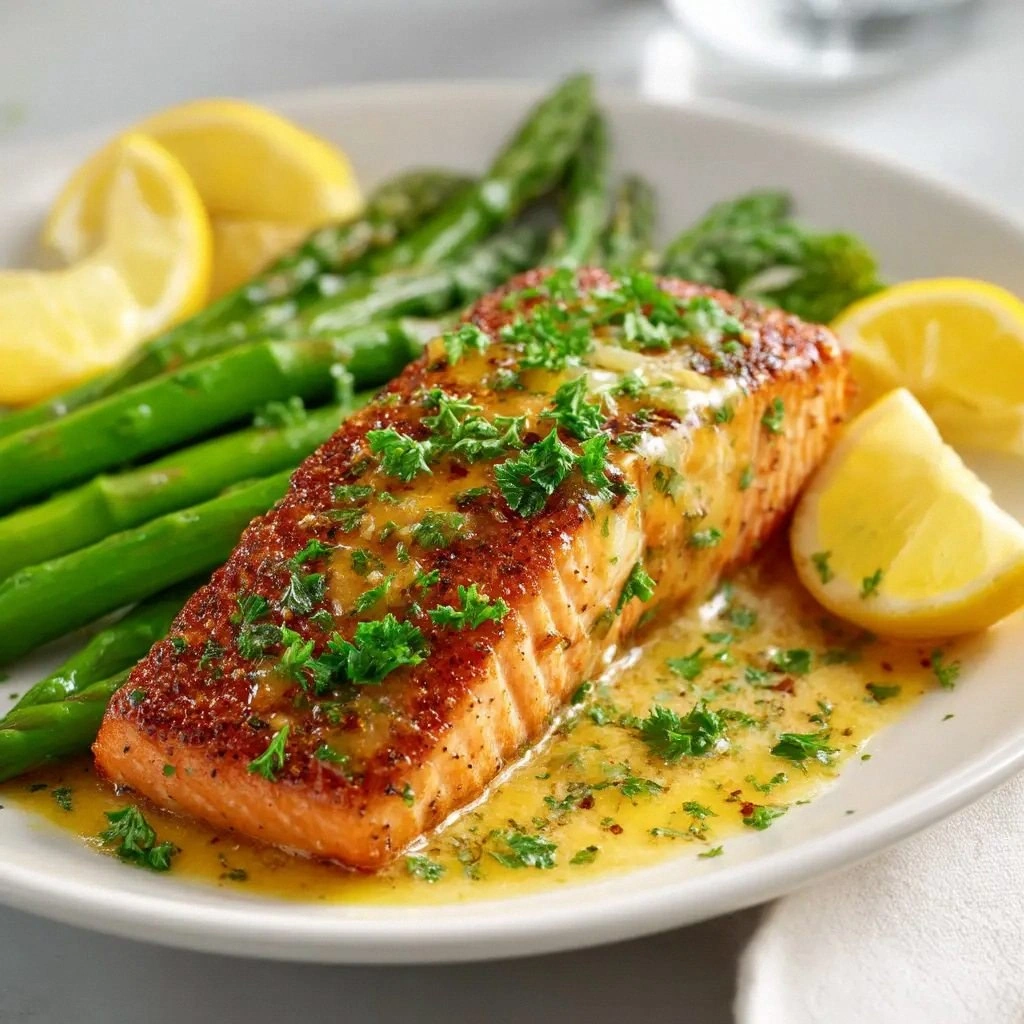
The Method — Step by Step
- Preheat your oven to 400°F (200°C). This temperature is ideal for cooking salmon evenly without drying it out. Make sure your oven rack sits in the middle so heat circulates freely. The oven should be fully preheated before you start the foil packets. This ensures a consistent cooking environment.
- Lay out four sheets of heavy‑weight aluminum foil on a clean cutting board. Each sheet should be large enough to fully wrap a fillet with a little extra for folding. The foil’s thickness helps trap steam and prevents the fish from sticking. If you’re short on time, use a pre‑cut foil packet set that’s already sized for salmon fillets.
- Place one salmon fillet in the center of each foil sheet. Pat the fillet dry with paper towels; moisture on the surface will create steam that can prevent the foil from sealing properly. This step also helps the oil and seasonings stick to the fish. If you’re using a thick fillet, you may want to trim a bit of excess fat for a cleaner presentation.
- Drizzle half of the olive oil over each fillet, ensuring even coverage. The oil helps the garlic and dill spread across the surface and prevents the fish from drying. It also creates a slight crust on the edges as the fish cooks. Use a small spoon or your fingers to spread the oil if you’re in a hurry.
- Scatter one clove of thinly sliced garlic over each fillet. The garlic should be distributed evenly to avoid pockets of intense flavor. The heat of the oven will mellow the garlic, turning it into a sweet, aromatic base. If you prefer a milder taste, you can use a whole clove instead of slicing.
- Sprinkle half of the fresh dill over each fillet, letting the green needles cascade over the surface. The dill adds a bright, herby note that complements the lemon. If you’re a dill lover, feel free to double the amount for an extra punch. The dill’s essential oils are released as the fish cooks, creating a fragrant aroma.
- Slice the lemon into thin rounds and place two slices on top of each fillet. The lemon slices will steam in the foil, infusing the fish with citrusy brightness. They also add a visual pop of color to the finished dish. If you’re short on lemons, a squeeze of fresh lemon juice will do the trick.
- Season each fillet with 1/8 teaspoon of salt and a pinch of black pepper. Sprinkle the seasonings evenly so each bite is flavorful. The salt enhances the natural taste of the salmon, while the pepper adds a subtle heat. Adjust the amounts if you prefer a saltier or spicier profile.
- Fold the foil edges over the fish, sealing the packet tightly. Make sure the seal is secure to trap steam and keep the moisture inside. You can fold the foil in a criss‑cross pattern or simply fold it over and tuck the ends underneath. The tighter the seal, the more evenly the fish will cook.
- Place the sealed packets on a baking sheet and bake for 15–18 minutes. The exact time depends on the thickness of your fillets; thicker fillets may need a few extra minutes. The fish is done when it flakes easily with a fork and the internal temperature reaches 145°F (63°C). Use a thermometer for accuracy if you’re a precision cook.
- Remove the packets from the oven and let them rest for a minute before opening. This allows the steam to settle, preventing a sudden burst of hot liquid. When you open the foil, be careful of the escaping steam—use a towel or oven mitt. The aroma that fills the kitchen is the first sign of a job well done.
- Serve each fillet directly from the foil for a dramatic presentation. Pair with a simple side of roasted vegetables or a fresh salad for a balanced meal. Garnish with a sprig of dill or a wedge of lemon for extra flair. This dish is so versatile, you can serve it as a light dinner or a hearty entrée.
That’s it — you did it. But hold on, I've got a few more tricks that'll take this to another level…
Insider Tricks for Flawless Results
The Temperature Rule Nobody Follows
Many cooks bake salmon at a high temperature, but the trick is to keep it steady at 400°F. A lower, steady temperature ensures the fish cooks evenly, preserving moisture. If you’re using a convection oven, reduce the temperature by 25°F to avoid over‑browning. Consistency in heat is the secret to a tender, flaky interior.
Why Your Nose Knows Best
As the salmon bakes, the aroma of garlic, dill, and lemon will fill the kitchen. Trust that scent as a cue that the fish is almost ready. A strong, citrusy smell means the lemon is releasing its juices and the oil is forming a fine crust. When the smell hits its peak, pull the fish out of the oven.
The 5-Minute Rest That Changes Everything
Let the foil packets sit for 1–2 minutes after baking. This rest period allows the steam to redistribute, ensuring the fish is uniformly moist. It also prevents the fillets from drying out as they cool. When you open the packet, the steam will be less aggressive, and the fish will feel more tender.
Keep It Cool With Fresh Herbs
Adding fresh dill not only flavors the fish but also keeps it cooler during baking. The herb’s natural oils create a micro‑environment that protects the fillet from excessive heat. If you’re feeling adventurous, sprinkle a few extra dill leaves on top of the fish before sealing for a more pronounced aroma.
Use the Right Foil Thickness
Heavy‑weight foil is key for sealing the steam. Thin foil may tear or not form a tight seal, leading to uneven cooking. If you’re using a standard kitchen foil, fold it twice to ensure it’s thick enough. A secure seal is the foundation of a perfectly cooked fillet.
Creative Twists and Variations
This recipe is a playground. Here are some of my favorite ways to switch things up:
Spicy Citrus Glaze
Swap the olive oil for a mixture of olive oil and a tablespoon of honey. Add a pinch of cayenne pepper to the garlic and dill mixture. The result is a sweet, spicy glaze that caramelizes on the edges, offering a bold twist.
Herb‑Infused Butter
Replace the olive oil with a tablespoon of melted butter and mix in chopped parsley and thyme. The butter adds richness, while the herbs give a deeper green flavor. This version feels decadent yet still light.
Asian‑Inspired Marinade
Marinate the fillets in a mixture of soy sauce, sesame oil, minced ginger, and a splash of rice vinegar for 20 minutes before baking. Add a sprinkle of toasted sesame seeds on top of the lemon slices. The result is a savory, umami‑rich dish that’s perfect for an Asian‑themed dinner.
Smoky Chipotle Flavor
Replace the fresh dill with chipotle‑seasoned paprika and add a dash of smoked paprika. The fish will have a subtle smoky heat that pairs beautifully with a side of grilled corn. This variation brings a new dimension of flavor.
Berry‑Lemon Zest
Incorporate a handful of fresh blueberries or sliced strawberries into the foil packet with the lemon slices. The berries will release a sweet, tart syrup that pairs wonderfully with the salmon’s natural richness. This is a perfect summer variation.
Storing and Bringing It Back to Life
Fridge Storage
Cool the cooked salmon completely before placing it in an airtight container. Store in the refrigerator for up to 3 days. When reheating, add a splash of water or broth to keep the fish moist.
Freezer Friendly
Wrap the salmon fillets individually in parchment paper, then place them in a freezer bag. Label with the date and freeze for up to 2 months. Thaw overnight in the refrigerator before reheating.
Best Reheating Method
Reheat the salmon in a preheated 350°F oven for 5–7 minutes, or until warmed through. Alternatively, steam the fillet in a steamer basket for 3–4 minutes. Adding a tiny splash of water before reheating steams the fish back to perfection.