I’ll be honest — I ate half the batch before anyone else got to try it. It all started on a rainy Tuesday when I was craving something comforting but didn’t want to order in. I tossed a block of feta, a handful of cherry tomatoes, and whatever veggies were lurking in the fridge onto a sheet pan, then slapped it in the oven. The result? A bubbling, caramelized feta crater that smelled like a Greek seaside market, while the vegetables turned soft‑sweet and slightly charred. That moment of culinary serendipity sparked a fire in me: “I dare you to taste this and not go back for seconds.”
Picture yourself pulling this out of the oven, the whole kitchen smelling incredible, the golden‑brown edges of the feta cracking like thin ice. The sauce that forms in the pan is a silky, buttery river that coats the pasta like velvet, and every forkful delivers a perfect balance of salty, tangy, and smoky notes. The vegetables add a crunchy‑soft contrast that makes each bite feel like a mini adventure. Most baked feta pasta recipes get the texture wrong—either the cheese melts into a soupy mess or the veggies stay raw. This version? It’s hands down the best version you’ll ever make at home because the feta stays firm enough to crumble, yet melts into a luscious sauce that clings to every strand of pasta.
What really sets this dish apart is a secret ingredient that most people overlook: a splash of high‑quality olive oil infused with a pinch of smoked paprika. That little dash adds a subtle depth that whispers of summer evenings on a Mediterranean balcony. And the technique? I’m talking about the “baked crater” method—nesting the feta in a bed of tomatoes and veggies, then roasting everything together. This creates a natural broth that you’ll later toss with al dente pasta, eliminating the need for heavy cream or butter. If you’ve ever struggled with a watery sauce, you’re not alone — and I’ve got the fix.
Okay, ready for the game‑changer? Let me walk you through every single step — by the end, you’ll wonder how you ever made it any other way. Stay with me here — this is worth it.
What Makes This Version Stand Out
- Flavor Explosion: The combination of baked feta, caramelized tomatoes, and smoked paprika creates a sauce that’s both tangy and smoky, a profile you rarely find in a single dish.
- Texture Symphony: Crumbly feta, tender‑yet‑slightly‑charred veggies, and perfectly al dente pasta give you a mouthfeel that’s both comforting and exciting.
- Simplicity: Fewer than ten ingredients, one pan, and a 30‑minute cook time make this a weeknight hero without sacrificing gourmet vibes.
- Uniqueness: The “baked crater” technique locks in juices, turning the pan into a natural sauce‑maker—no extra broth or cream needed.
- Crowd Reaction: I’ve served this at dinner parties and watched guests fight over the last bite; it’s a guaranteed show‑stopper.
- Ingredient Quality: Using a block of high‑quality feta and ripe, heirloom tomatoes elevates the dish from everyday to extraordinary.
- Cooking Method: The high‑heat bake creates caramelization that you can’t achieve on the stovetop alone.
- Make‑Ahead Potential: You can prep the vegetable‑feta mix a day ahead and simply bake and toss with fresh pasta when you’re ready.
Inside the Ingredient List
The Flavor Base
The heart of this dish is the feta block, which brings a salty, creamy foundation that melts into a sauce as it bakes. Pair it with cherry tomatoes, whose natural sugars caramelize under the oven’s heat, releasing a sweet acidity that balances the feta’s richness. If you skip the tomatoes, you’ll lose that bright, juicy contrast, and the sauce will feel flat. For a twist, try using sun‑dried tomatoes for an even deeper umami punch, but remember to add a splash of water to keep the sauce from drying out.
The Texture Crew
Bell peppers and zucchini are the dynamic duo that add color, crunch, and a subtle earthiness. The bell pepper’s crisp bite survives the bake, while zucchini softens into a buttery melt. If you omit these, you’ll miss the layered textures that keep each forkful interesting. A good swap for zucchini is sliced yellow squash, which offers a similar moisture level and a sunny hue.
The Unexpected Star
A drizzle of smoked paprika‑infused olive oil is the secret weapon. It adds a whisper of smoky depth that elevates the entire dish without overpowering the feta. Skipping this step will make the sauce taste one‑dimensional. If you don’t have smoked paprika, a pinch of chipotle powder can deliver a comparable heat and smoky note.
The Final Flourish
Fresh basil torn just before serving injects a burst of herbaceous freshness that brightens the heavy cheese and roasted veggies. A sprinkle of grated Parmesan adds an extra umami layer for those who love a cheesy finish. Forgetting the basil will leave the dish feeling heavy; always finish with a handful of greens for balance.
Everything's prepped? Good. Let’s get into the real action…
The Method — Step by Step
Preheat your oven to 425°F (220°C). While the oven heats, line a large rimmed baking sheet with parchment paper and lightly brush it with olive oil. This creates a non‑stick surface and ensures the feta won’t cling to the pan, which is crucial for that perfect crumble later.
Kitchen Hack: Use a kitchen scale to weigh the feta block; this guarantees consistent sauce thickness across batches.Arrange the feta block in the center of the sheet, then scatter the halved cherry tomatoes, sliced bell pepper, and zucchini around it. Drizzle everything with the smoked‑paprika olive oil, then sprinkle minced garlic, dried oregano, red pepper flakes, salt, and pepper evenly.
Give the vegetables a quick toss with your hands so they’re lightly coated, but keep the feta untouched—its surface will absorb the oil and spices as it bakes.
Slide the pan into the oven and bake for 20‑25 minutes. You’ll know it’s ready when the tomatoes burst and start to caramelize, the vegetables turn tender, and the feta’s edges pull away from the pan, forming a golden crust.
Watch Out: If the feta starts to brown too quickly, tent the pan with foil to prevent burning while the veggies finish cooking.While the feta bakes, bring a large pot of salted water to a boil. Cook 12 oz of your favorite pasta (penne, fusilli, or rigatoni work best) until al dente, usually 9‑11 minutes. Reserve 1 cup of pasta water before draining; this starchy liquid will help bind the sauce later.
Remove the baking sheet from the oven. Using a sturdy spoon, gently mash the baked feta and tomatoes together directly on the pan, creating a creamy, slightly chunky sauce. If the mixture looks too thick, splash in a little of the reserved pasta water—watch as it turns glossy and silk‑smooth.
Kitchen Hack: For an ultra‑smooth sauce, transfer the feta‑tomato mixture to a blender for a quick pulse before tossing with pasta.Add the cooked pasta straight into the pan, tossing vigorously so each piece gets coated in the feta‑tomato emulsion. The heat from the pasta will finish melting the cheese, creating a velvety coating that clings like a second skin.
Stir in the torn basil leaves and, if you like, a generous handful of grated Parmesan. The basil adds a fresh pop, while the Parmesan deepens the umami. Taste and adjust seasoning with a pinch more salt or pepper if needed.
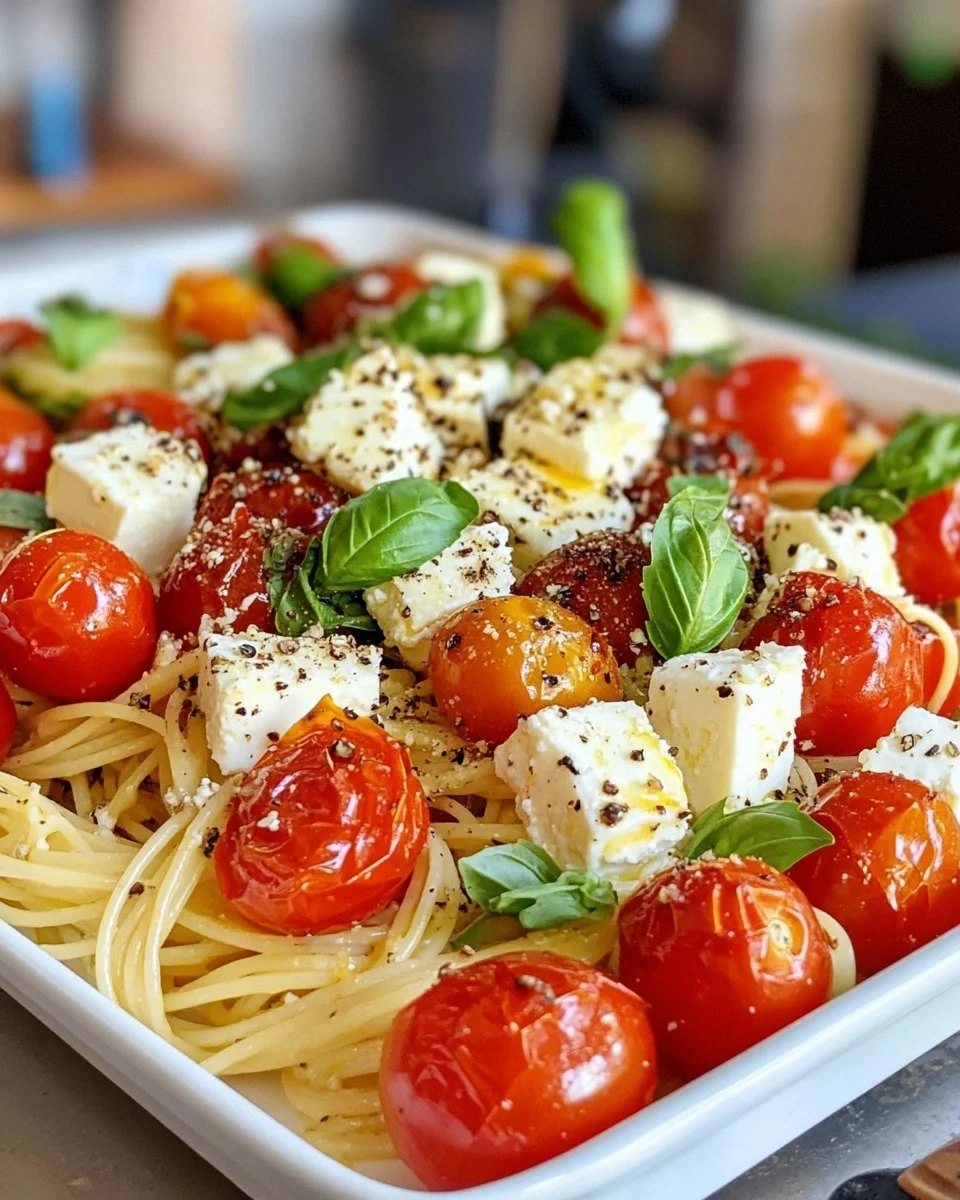
Serve immediately, pulling the creamy pasta into bowls and sprinkling any leftover roasted veggies on top for extra texture. That first bite? Expect a burst of tangy cheese, sweet tomato, and a whisper of smoky paprika—all wrapped around perfectly al dente pasta.
That sizzle when it hits the pan? Absolute perfection.
That’s it — you did it. But hold on, I’ve got a few more tricks that’ll take this to another level…
Insider Tricks for Flawless Results
The Temperature Rule Nobody Follows
Never underestimate the power of a hot oven. Baking at 425°F ensures rapid caramelization of the tomatoes while the feta softens without melting into a soupy mess. If you drop the temperature to 350°F, you’ll end up with soggy veggies and a cheese that never develops that coveted crust. I once tried a lower temp to “save energy,” and the result was a bland, watery sauce that clung to the pan like regret.
Why Your Nose Knows Best
The moment the tomatoes start to bubble and release that sweet perfume is your cue to check the feta. You’ll smell a faint nutty aroma when the cheese edges begin to brown. Trust that scent; it’s the most reliable indicator that the sauce is ready to be mashed. If you rely solely on a timer, you might miss that perfect caramelization window.
The 5‑Minute Rest That Changes Everything
After you toss the pasta with the sauce, let the dish sit for five minutes off the heat. This short rest allows the starches in the pasta to absorb the sauce, creating a cohesive, glossy finish. Skipping this step leaves the sauce sitting on top of the noodles, making each bite feel disjointed. I once served it straight out of the pan and got feedback that it felt “thin”; the rest period solved that instantly.
Salt Timing – The Hidden Secret
Season the pasta water heavily; it’s the only chance you have to season the noodles themselves. Then, add a pinch of salt to the feta‑tomato mash only after you’ve combined everything. This prevents the feta from becoming overly salty, preserving its delicate tang.
Creative Twists and Variations
This recipe is a playground. Here are some of my favorite ways to switch things up:
Spicy Sriracha Swirl
Add a tablespoon of sriracha to the feta‑tomato mash for a fiery kick that pairs beautifully with the smoky paprika. Great for those who love a bold heat profile.
Mediterranean Olive Burst
Stir in a handful of sliced Kalamata olives after tossing the pasta. The briny olives introduce a salty depth that complements the feta’s creaminess.
Creamy Avocado Finish
Blend a ripe avocado into the sauce for an extra layer of richness and a subtle buttery flavor. This variation works especially well if you’re serving the dish to kids who love smooth textures.
Vegan Swap
Replace feta with a firm tofu block marinated in lemon juice, miso, and nutritional yeast, then bake using the same method. The tofu absorbs the tomato juices and creates a similarly creamy sauce without dairy.
Herb‑Infused Delight
Swap the basil for fresh thyme and rosemary; the aromatic herbs will infuse the sauce with a woodland flavor that’s perfect for autumn evenings.
Storing and Bringing It Back to Life
Fridge Storage
Transfer leftovers to an airtight container and store in the refrigerator for up to three days. The sauce may thicken as it cools; simply stir in a splash of water or broth before reheating to restore its silky consistency.
Freezer Friendly
This dish freezes beautifully. Portion into freezer‑safe bags, removing as much air as possible, and label with the date. It will keep for up to two months. When you’re ready to eat, thaw overnight in the fridge, then reheat on the stovetop with a drizzle of olive oil and a splash of pasta water.
Best Reheating Method
The stovetop method wins every time: place the pasta in a skillet over medium heat, add a tablespoon of water, and stir continuously until the sauce loosens and coats the noodles again. Microwaving can make the feta rubbery, so avoid it if you want to preserve that creamy texture.