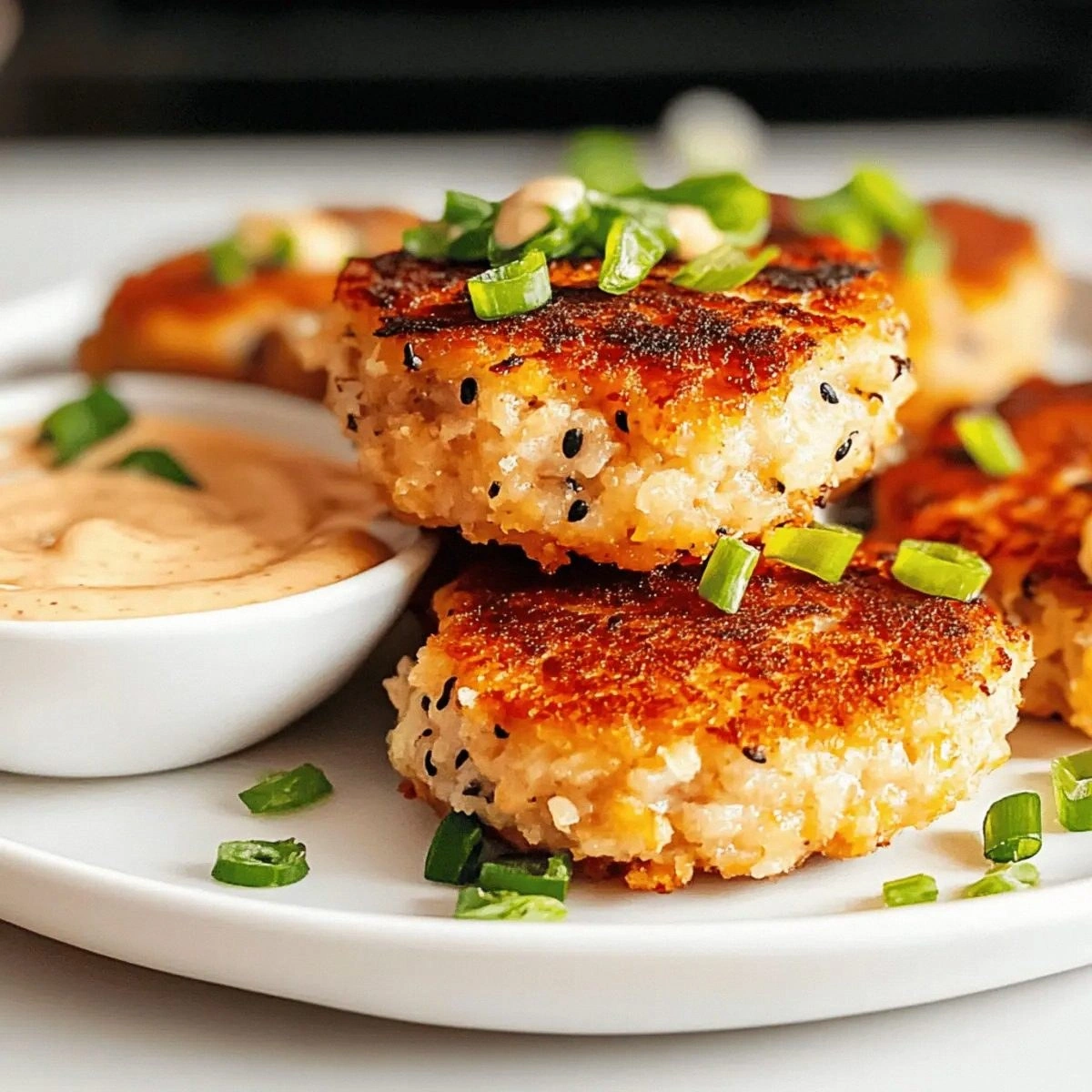
I was in the middle of a rainy Tuesday night, staring at a half‑empty pantry, when my roommate dared me to make something that would “actually make us forget about pizza.” I laughed, tossed a couple of tuna cans onto the counter, and thought, what if I could turn that bland, shelf‑stable protein into a dish that sings like a street‑food vendor in Seoul? The kitchen was a symphony of clattering cans, the hiss of the oil, and my own nervous excitement, but the moment the first sizzle hit the pan, I knew I was onto something legendary. The aroma of caramelizing onion and carrot mingled with a whisper of gochujang, and I could already taste the crunchy exterior that would give way to a buttery, melt‑in‑your‑mouth center.
I’ve tried tuna cakes before—some were soggy, some were bland, and a few were so over‑cooked they resembled cardboard. Most recipes get this completely wrong, either drowning the tuna in breadcrumbs or hiding the flavor behind a bland mayo. This version, however, embraces the tuna’s natural richness, amplifies it with a bold Asian flavor profile, and finishes with a spicy mayo that clings to each bite like a silky veil. The secret? A tiny splash of gochujang that adds depth without overwhelming, and a precise balance of flour and egg that creates a crust that cracks like thin ice when you bite into it.
I’ll be honest — I ate half the batch before anyone else got a chance to try it, and I’m still haunted by that first bite. I dare you to taste this and not go back for seconds. Picture yourself pulling these golden discs from the pan, the whole kitchen smelling like a bustling night market, the crunch echoing in the quiet of your dining room. If you’ve ever struggled with soggy tuna patties, you’re not alone — and I’ve got the fix.
Okay, ready for the game‑changer? There’s a tiny technique I’ll reveal later that takes the texture from “good” to “hands down the best version you’ll ever make at home.” Let me walk you through every single step — by the end, you’ll wonder how you ever made it any other way.
What Makes This Version Stand Out
- Taste Explosion: The combination of sweet carrot, sharp onion, and umami‑rich tuna creates a flavor orchestra that sings with every bite.
- Crunchy Contrast: A light flour coating gives each cake a crisp edge that shatters like thin ice, while the interior stays moist and buttery.
- Simplicity: Fewer than fifteen ingredients, most of which you already have in the pantry, mean you can whip this up on a weeknight.
- Asian Flair: Gochujang and lemon juice bring a tangy‑spicy kick that transforms ordinary tuna into a street‑food sensation.
- Crowd‑Pleaser: Even the pickiest eaters love the spicy mayo, making this perfect for parties, potlucks, or a quick snack.
- Make‑Ahead Magic: The cakes freeze beautifully, and the mayo stays fresh for days, so you can prep in bulk.
- Ingredient Integrity: Using high‑quality canned tuna and fresh aromatics ensures each bite bursts with authentic flavor.
- Cooking Method: Pan‑frying, not baking, gives you that irresistible, restaurant‑style crust without the need for a deep fryer.
Inside the Ingredient List
The Flavor Base
The onion and carrot are the unsung heroes of this recipe. The medium onion, when finely diced and sautéed, releases a sweet, caramelized perfume that forms the aromatic backbone of the cakes. If you skip the onion, you’ll lose that depth and end up with a flat, one‑dimensional bite. Carrot adds a subtle earthiness and a splash of natural sweetness that balances the heat from the gochujang. Want a twist? Swap the carrot for finely grated zucchini for a lighter texture, but remember to squeeze out excess moisture.
The Texture Crew
All‑purpose flour and eggs are the binding duo that hold everything together while giving the exterior that coveted crunch. The ½ cup of flour is enough to coat the mixture without making it doughy, and the two large eggs act as the glue that keeps the patty from falling apart. If you’re gluten‑free, a blend of rice flour and cornstarch works just as well, though you’ll notice a slightly different bite. The neutral cooking oil (think canola or grapeseed) has a high smoke point, ensuring the cakes fry golden without burning.
The Unexpected Star
Gochujang, the Korean fermented chili paste, is the secret weapon that turns ordinary tuna into a bold, savory masterpiece. Its complex flavor—sweet, salty, and smoky—penetrates the mixture, delivering a lingering heat that pairs perfectly with the tangy lemon juice. If you can’t find gochujang, a mixture of sriracha and miso paste (1:1) will mimic the umami profile, though the depth won’t be identical. The optional sugar is a tiny whisper that rounds out the acidity, preventing the sauce from tasting too sharp.
The Final Flourish
The spicy mayo is the finishing touch that takes these cakes from great to unforgettable. Mixing half a cup of mayonnaise with a tablespoon each of gochujang and lemon juice creates a creamy, tangy drizzle that clings to every crevice. The mayo’s richness balances the heat, while the lemon adds a bright, citrusy lift. If you’re watching calories, swap half the mayo for Greek yogurt; the texture remains silky, and you gain a protein boost.
Everything's prepped? Good. Let's get into the real action...
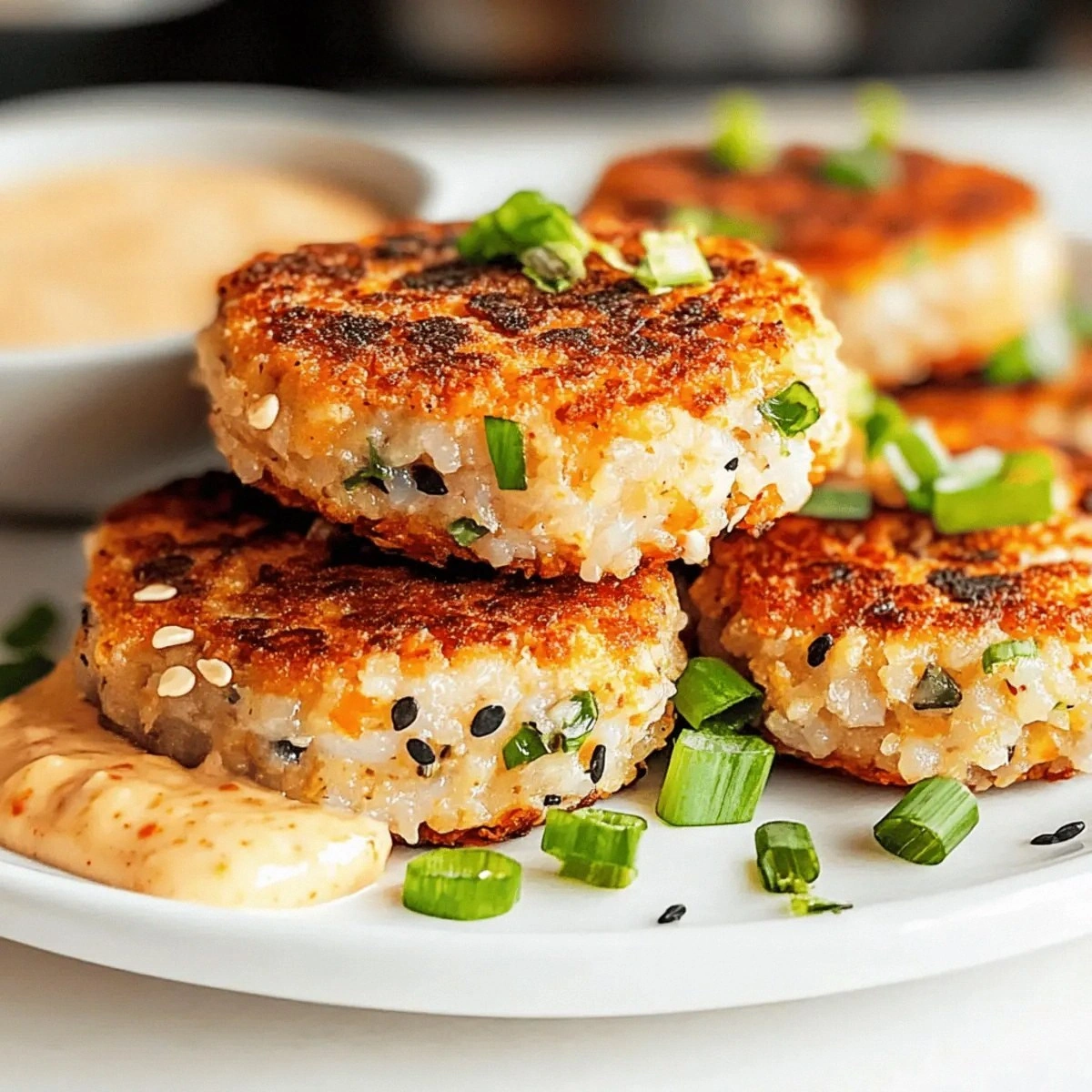
The Method — Step by Step
Open the two cans of tuna, drain them thoroughly, and place the meat in a large mixing bowl. I always give the tuna a quick flake with a fork; this ensures an even texture and prevents clumps that could ruin the crust. Add the drained tuna to the bowl, then set aside. That sizzle when it hits the pan? Absolute perfection.
Dice the medium onion and medium carrot into fine, uniform pieces—think “tiny dice” rather than “chunks.” Heat a tablespoon of neutral oil in a skillet over medium heat, then sauté the onion and carrot until they turn translucent and start to caramelize, about 4‑5 minutes. This step builds the flavor foundation; the sweet aroma will fill your kitchen and make you smile.
Kitchen Hack: If you’re short on time, grate the carrot instead of dicing; it cooks faster and still distributes its sweetness evenly.While the veggies are cooking, finely slice the three stalks of green onion, keeping the white and green parts separate. The white parts will go into the mixture for a mild onion bite, while the green tops will be used later as a fresh garnish that adds a pop of color.
In a separate small bowl, whisk together the two large eggs, ½ cup of all‑purpose flour, 1 teaspoon of salt, and 1 teaspoon of ground black pepper. This wet‑dry combo creates a batter that binds the tuna and vegetables without making the cakes dense. If the mixture feels too thick, add a splash of water—just a tablespoon—to loosen it slightly.
Combine the sautéed onion and carrot, the tuna, the sliced green‑onion whites, and the egg‑flour mixture in the large bowl. Using your hands (or a sturdy spatula), mix everything until just combined; over‑mixing will develop gluten in the flour and make the cakes tough. The mixture should be moist but hold together when pressed.
Form the mixture into eight equal patties, about the size of a palm. Lightly dust each patty with a thin layer of flour on both sides—this is the secret to that restaurant‑style crust. Press gently to ensure the flour adheres, then set the patties on a plate lined with parchment.
Heat the remaining tablespoon of neutral oil in a large non‑stick skillet over medium‑high heat. Once the oil shimmers, carefully lay the patties in the pan, leaving a little space between each. The moment they hit the oil, you’ll hear a satisfying sizzle—this is the sound of flavor locking in.
Watch Out: If the heat is too high, the exterior will burn before the interior cooks through. Adjust the flame to maintain a steady, golden brown crust.Fry each side for 3‑4 minutes, or until the edges turn a deep amber and start pulling away from the pan. Flip carefully with a spatula; the cakes should hold their shape like a confident dancer. The aroma at this stage is intoxicating—think toasted sesame mixed with a hint of citrus.
While the cakes finish cooking, whisk together ½ cup mayonnaise, 1 tablespoon gochujang, 1 tablespoon lemon juice, and the optional teaspoon of sugar. Taste and adjust: add a pinch more lemon if you crave brightness, or a dash more gochujang for extra heat. Transfer the spicy mayo to a small serving bowl and sprinkle the green‑onion tops on top for a fresh, peppery finish.
That's it — you did it. But hold on, I've got a few more tricks that'll take this to another level. The secret to a flawless bite lies not just in cooking, but in how you serve and store these beauties.
Insider Tricks for Flawless Results
The Temperature Rule Nobody Follows
Most home cooks crank the heat up to “cook fast,” but the real magic happens at a steady medium‑high temperature (around 350°F/175°C on a stovetop). This allows the crust to form slowly enough for the interior to steam and stay moist, yet fast enough to develop that golden crunch. If you notice the edges darkening too quickly, drop the heat a notch and cover the pan loosely with a lid for the last minute of cooking. This gentle finish keeps the center tender.
Why Your Nose Knows Best
Your sense of smell is a more reliable indicator than a timer. When the cakes start to release a nutty, toasted scent, you’re approaching the perfect doneness. Trust that aroma; if you’re still unsure, press a corner with a spatula—if it springs back slightly, it’s ready. Over‑cooking is the most common mistake, and the nose can save you from a dry disaster.
The 5‑Minute Rest That Changes Everything
After frying, let the cakes rest on a wire rack for five minutes. This short pause allows the interior steam to redistribute, preventing the cakes from collapsing when you bite into them. It also gives the crust a chance to firm up, so you get that satisfying crunch on every bite. Skip this step, and you’ll end up with soggy bottoms that ruin the texture.
Mayo Make‑Ahead Magic
Prepare the spicy mayo up to 24 hours in advance and store it in an airtight container in the fridge. The flavors meld and deepen, turning a bright sauce into a richer, more complex companion. Give it a quick stir before serving; the oil may separate, but that’s just the mayo re‑emulsifying.
Freezer‑Friendly Flip
If you’re cooking for a crowd, freeze the uncooked patties on a tray, then transfer them to a zip‑top bag. When you’re ready, fry them straight from the freezer—just add an extra minute per side. This trick ensures you always have a batch ready without sacrificing that coveted crust.
Creative Twists and Variations
This recipe is a playground. Here are some of my favorite ways to switch things up:
Coconut‑Lime Fusion
Replace the lemon juice in the mayo with fresh lime juice and add a tablespoon of shredded coconut to the patty mixture. The result is a tropical twist that pairs wonderfully with a side of mango salsa.
Spicy Sriracha‑Miso
Swap the gochujang for equal parts sriracha and white miso paste. This gives the cakes a sharper heat and a deeper umami punch, perfect for those who love a bold, peppery bite.
Herb‑Infused Green Onion
Add chopped cilantro and mint to the green‑onion mix before forming the patties. The fresh herbs brighten the flavor profile and make the dish feel lighter, ideal for spring gatherings.
Cheesy Crunch
Stir in ¼ cup of finely grated Parmesan or Pecorino into the batter. The cheese melts into the interior, creating pockets of gooey richness while the crust gains an extra savory edge.
Veggie‑Boosted
Add a half‑cup of finely chopped bell pepper or shredded zucchini to the mixture. This not only increases the veggie content but also adds a pop of color that makes the cakes visually appealing.
Storing and Bringing It Back to Life
Fridge Storage
Place cooled cakes in an airtight container and store them in the refrigerator for up to three days. Keep the spicy mayo in a separate small jar; this prevents the cakes from becoming soggy.
Freezer Friendly
Arrange uncooked patties on a parchment‑lined tray and freeze for two hours. Transfer the frozen cakes to a zip‑lock bag and label with the date. They’ll keep for up to two months. When ready, fry straight from frozen, adding an extra minute per side.
Best Reheating Method
To revive leftovers, heat a thin layer of oil in a skillet over medium heat, then add the cakes and cover for 2‑3 minutes. Add a tiny splash of water (about a teaspoon) before covering; the steam will restore the interior’s moisture while the crust regains its crunch. Serve with freshly mixed spicy mayo for maximum impact.