Love this? Pin it for later! 📌
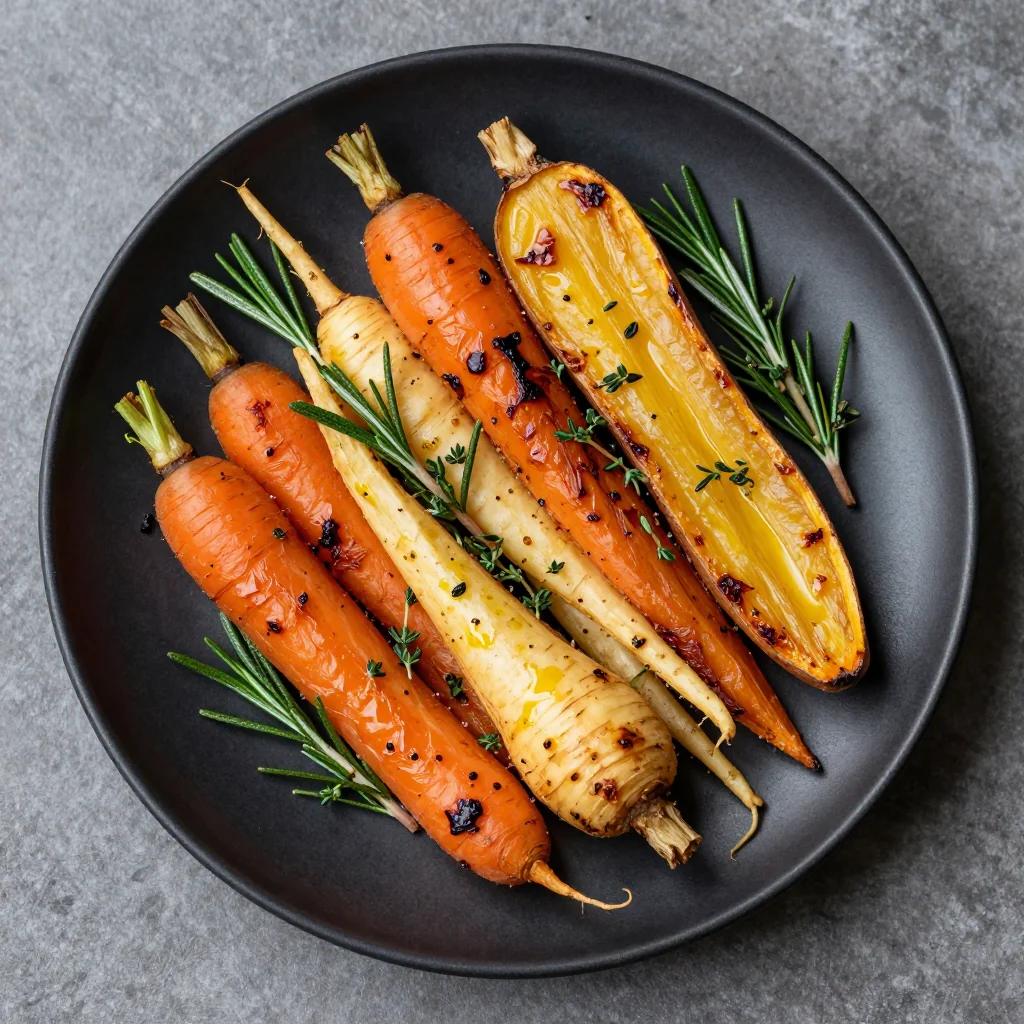
Budget-Friendly Roasted Winter Root Vegetables with Fresh Herbs for Clean Eating
There’s a moment every January when I open my crisper drawer and find it overflowing with knobby, dirt-flecked carrots, parsnips that look like they’ve been doing yoga all season, and beets so ruby they practically glow. In past years I would sigh, shove them to the side, and reach for something more “exciting.” Then one particularly snowy afternoon, with a grocery budget that had already been decimated by holiday baking, I decided to see what would happen if I tossed every last root vegetable I owned onto a sheet pan with a glug of olive oil and the sad-looking herb stems in my fridge door. The result was a tray of caramelized, fork-tender jewels that smelled like Sunday supper at my grandmother’s—minus the heavy gravy and with a fraction of the cost. My husband and I stood at the counter eating them straight off the parchment, steam fogging up our glasses, and I mentally kicked myself for ever thinking of roots as boring. Since that night, this recipe has become our meatless Monday staple, our pack-for-lunch hero, and the side dish that converts even the veggie-skeptics at potlucks. If you can chop vegetables (or buy them pre-chopped—no judgment), you can master this dish, and your wallet, your waistline, and your winter-weary taste buds will thank you.
Why This Recipe Works
- One-pan wonder: Everything roasts together while you binge-watch one episode of your favorite show—no babysitting required.
- Pocketbook proof: Root vegetables average under $1.50 per pound even in organic form, and herbs can be regrown from scraps on the windowsill.
- Meal-prep magic: Make a double batch on Sunday; they reheat like a dream and taste even better the next day.
- Clean-eating champion: Olive oil, fiber-rich roots, and antioxidant-packed herbs keep things light without sacrificing comfort-food vibes.
- Flavor layering: A two-temperature roast creates both creamy interiors and crispy edges—no soggy veggies allowed.
- Allergen-friendly: Vegan, gluten-free, nut-free, soy-free, and still downright crave-worthy.
Ingredients You'll Need
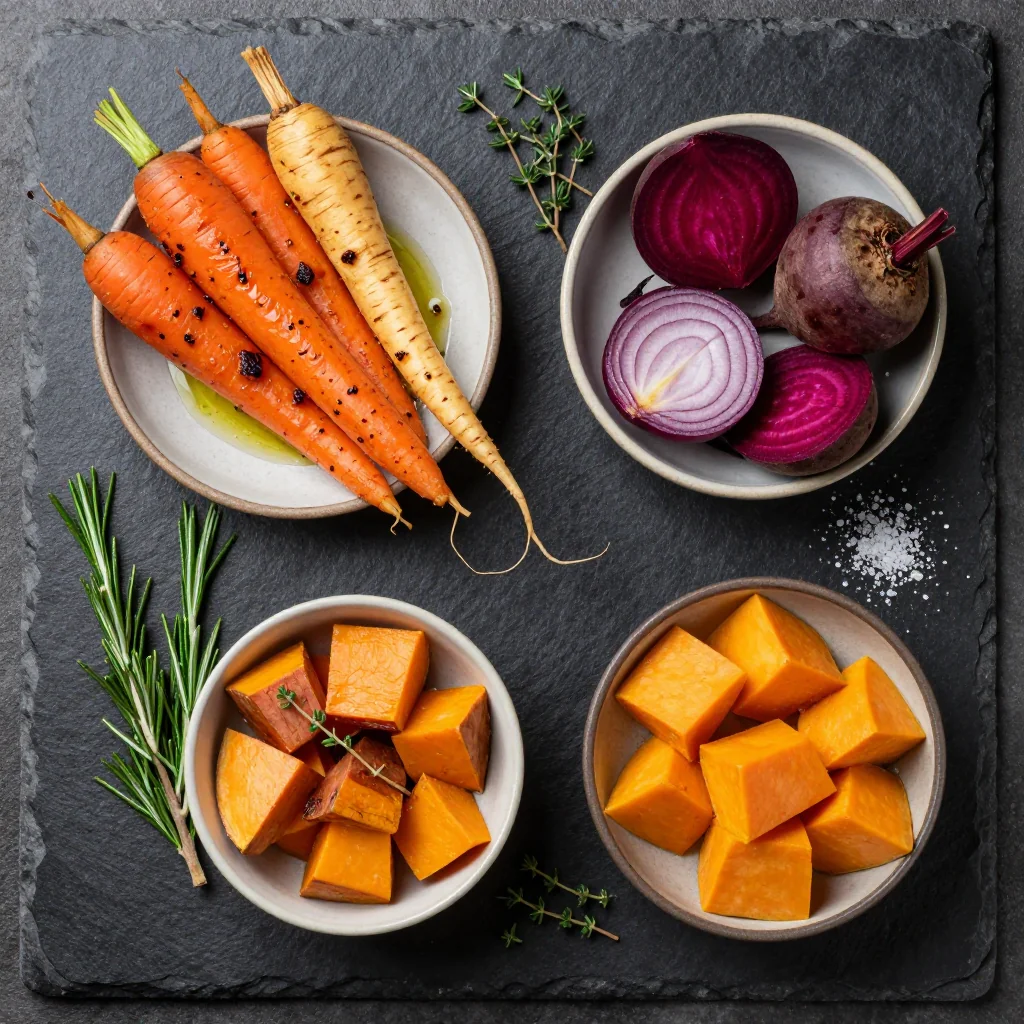
Before we talk ingredients, let’s clear up a misconception: “root vegetables” doesn’t mean you’re stuck with only potatoes and carrots. Think of it as the underground treasure chest—anything that grows beneath the soil qualifies, and winter is peak season, which translates to peak flavor and rock-bottom prices.
Carrots – I reach for the bag of “juicing carrots” often hidden on the bottom shelf. They’re frequently two pounds for under two dollars and roast up lusciously sweet. Peel only if the skins are bitter; otherwise, a good scrub saves time and nutrients.
Parsnips – Look for small to medium specimens; the core gets woody once they reach jumbo size. If you can only find large ones, quarter them and remove the fibrous center with a paring knife.
Beets – Golden beets won’t stain your cutting board, but chioggia (candy-stripe) beets turn into little pink pinwheels that make salad bowls Instagram-ready. Either way, leave an inch of stem attached so the color doesn’t bleed everywhere.
Turnips or Rutabaga – These brassy cousins add a gentle peppery note. Rutabagas are larger and waxed; microwave for 30 seconds to soften the wax so it peels off easily.
Sweet Potato – Technically a tuber, but its natural sugars caramelize and create those crave-worthy browned edges. Jewel or garnet varieties hold up best to high heat.
Red Onion – The only non-root in the mix, but its sweetness after roasting is unparalleled. Save the papery skins for homemade vegetable stock.
Fresh Herb Medley – Whatever you have: rosemary stems woody enough to double as skewers, thyme that’s survived the first frost, or sage leaves that smell like Thanksgiving. Chop the leaves and reserve the stalks for infusing the oil.
Olive Oil – Extra-virgin is lovely, but if you’re on a tight budget, a mild “pure” olive oil works; the herbs will pick up the flavor slack.
Lemon Zest – Non-negotiable brightness that makes the whole dish sing. Use the leftover lemon for a quick vinaigrette to drizzle over the finished vegetables.
Flaky Salt & Fresh Cracked Pepper – Kosher salt is fine, but a shower of crunchy Maldon at the end adds pops of salinity that elevate humble roots to dinner-party status.
How to Make Budget-Friendly Roasted Winter Root Vegetables with Fresh Herbs for Clean Eating
Preheat & Prep Pans
Position two racks in the upper-middle and lower-middle positions of your oven and preheat to 425 °F (220 °C). Line two rimmed sheet pans with parchment paper; the parchment prevents sticking and encourages browning without additional oil. If you’re trying to reduce waste, lightly oil the pans instead, but parchment is worth the pennies here.
Scrub, Peel & Cube
Wash all vegetables thoroughly—soil loves to hide in crevices. Peel only as necessary (beets and rutabaga yes; carrots and sweet potatoes usually no). Cut everything into ¾-inch pieces so they roast evenly. Think of them as veggie croutons: uniform size equals uniform caramelization.
Separate by Density
Group vegetables into “hard” (carrots, parsnips, beets, turnips, rutabaga) and “medium” (sweet potatoes, onions). Hard vegetables need a head start so they finish at the same time as the softer ones. This tiny step prevents the all-too-common mushy sweet potato problem.
Infuse the Oil
In a small saucepan over low heat, combine ⅓ cup olive oil, the stems from your herbs, and 3 strips of lemon peel. Let it warm until the oil shimmers and the kitchen smells like a Mediterranean hillside—about 5 minutes. Remove from heat; strain if you like things tidy, or leave the aromatics in for extra flavor.
Season & Spread
Toss the hard vegetables with half the infused oil, 1 teaspoon salt, and plenty of pepper. Spread in a single layer on the first sheet pan. Repeat with the medium vegetables and remaining oil on the second pan. Crowding equals steaming, so leave breathing room; use a third pan if necessary.
Roast & Rotate
Slide both pans into the oven. After 15 minutes, swap positions and flip vegetables with a thin metal spatula. Roast another 10–12 minutes for the medium pan and 15–18 minutes for the hard pan. You’re looking for blistered edges and a creamy center—taste a carrot to be sure.
Herb Finish
While the vegetables are still piping hot, scatter over 2 tablespoons chopped fresh herbs and the reserved lemon zest. The heat wilts the herbs just enough to release their oils without turning them black.
Serve & Savor
Taste and adjust salt. Serve directly from the sheet pan for rustic charm, or pile high on a platter drizzled with tahini-lemon sauce for a Middle-Eastern twist. Leftovers? Lucky you—see storage tips below.
Expert Tips
Crank Up Contrast
For extra crispy edges, broil the pans for the final 2 minutes, watching like a hawk. The Maillard reaction is your flavor friend.
Silicone Spatula Hack
Use a thin silicone spatula instead of tongs; it slips under vegetables without tearing the caramelized surface.
Zero-Waste Oil
Save the cooled herb stems and lemon peels, blend with a little vinegar, and you’ve got instant salad dressing base.
Sweet-Savory Swap
Replace sweet potatoes with Japanese kabocha squash for a lower-glycemic option that still caramelizes beautifully.
Batch Cooking
Roast extra beets separately; their pigment bleeds. Slip skins off once cool, freeze in silicone bags for smoothie bowls.
Flavor Bomb
Add 1 teaspoon smoked paprika to the oil for a backyard-grill essence without stepping foot in the snow.
Variations to Try
- Moroccan Spice: Swap herbs for 1 tsp each cumin and coriander, finish with a handful of pomegranate arils and toasted almonds.
- Asian Umami: Replace olive oil with sesame oil, add 1 Tbsp tamari and 2 tsp grated ginger; garnish with sesame seeds and scallions.
- Feta & Honey: Crumble ¼ cup feta over hot vegetables, drizzle with 1 tsp honey, and crack fresh pepper for a sweet-salty pop.
- Protein Boost: Toss one can (drained) chickpeas onto the second pan during the final 10 minutes for crunchy, plant-powered bites.
Storage Tips
Refrigerator: Cool completely, transfer to glass containers, and refrigerate up to 5 days. Reheat in a 400 °F oven for 8 minutes or microwave for 90 seconds with a damp paper towel to re-steam.
Freezer: Spread cooled vegetables on a parchment-lined sheet pan, freeze until solid, then transfer to freezer-safe bags. Keeps 3 months. Thaw overnight in the fridge or roast from frozen at 425 °F for 15 minutes, shaking halfway.
Meal-Prep Power: Pack into quinoa bowls with a dollop of hummus, stuff into whole-grain wraps with spinach, or blend leftovers into creamy soup with vegetable broth and a splash of coconut milk.
Frequently Asked Questions
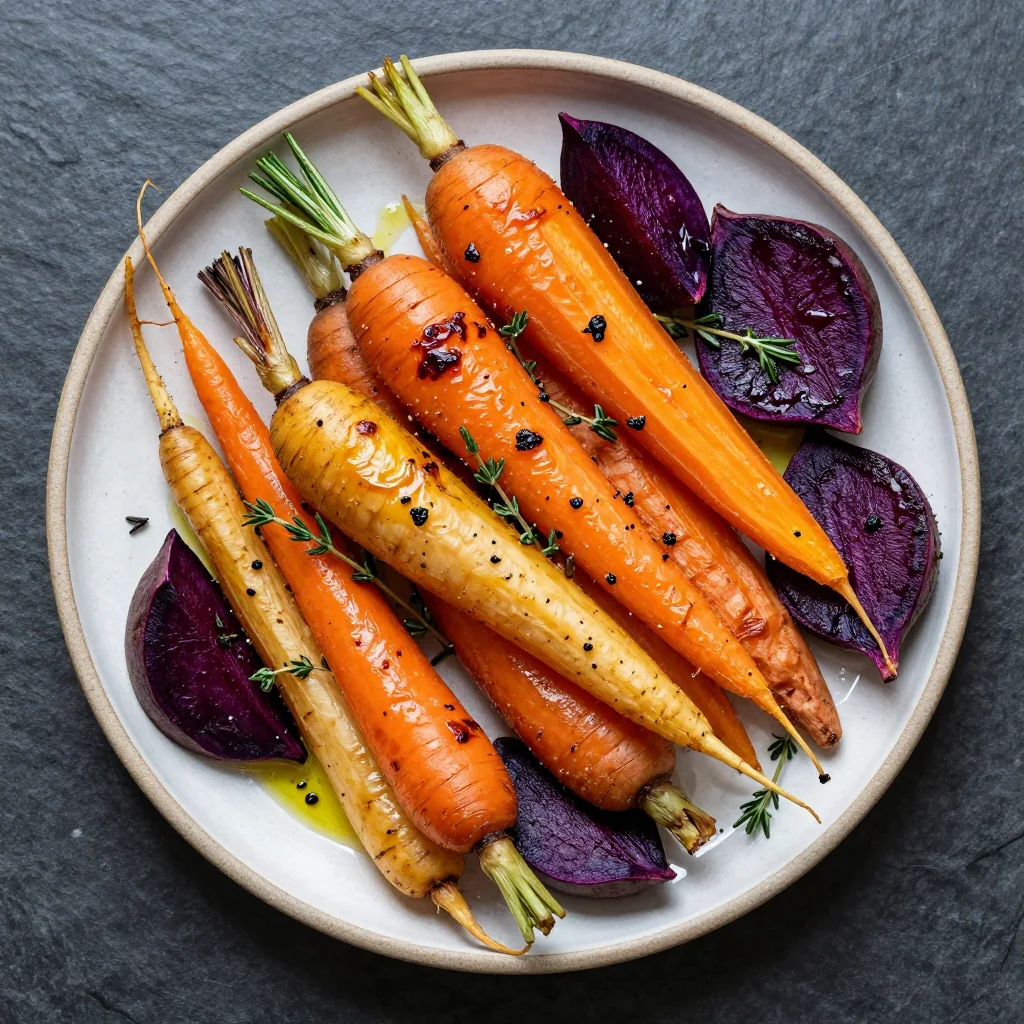
Budget-Friendly Roasted Winter Root Vegetables with Fresh Herbs for Clean Eating
Ingredients
Instructions
- Preheat: Heat oven to 425 °F. Line two sheet pans with parchment.
- Prep vegetables: Scrub, peel, and cut all vegetables into ¾-inch pieces. Separate hard vegetables (carrots, parsnips, beets, rutabaga) from medium ones (sweet potato, onion).
- Infuse oil: Warm olive oil with herb stems and lemon peel in a small saucepan over low heat 5 minutes.
- Season: Toss hard vegetables with half the infused oil, 1 tsp salt, and pepper. Spread on first pan. Repeat with medium vegetables and remaining oil on second pan.
- Roast: Place both pans in oven. After 15 min, swap racks and flip vegetables. Continue roasting until tender and browned, 10–15 min more for medium, 15–18 min for hard.
- Finish: Immediately sprinkle fresh herbs and lemon zest over hot vegetables. Taste and add more salt if desired. Serve warm or at room temperature.
Recipe Notes
For extra crispy edges, broil pans for the final 2 minutes. Leftovers keep 5 days refrigerated or 3 months frozen.