I still remember the first time I tasted real ceviche mexicano. It was a sweltering afternoon in Puerto Vallarta, the kind of heat that makes your sunglasses fog the second you step outside. My friend Luis had dragged me to a tiny beachside shack with plastic tables and a guy named Don Chuy who looked like he'd been squeezing limes since the dawn of time. I was skeptical — raw fish from a shack? But one bite and I was done for. The citrus hit like a lightning bolt, the fish was silkier than a love song, and the crunch of fresh vegetables made my taste buds do a happy dance. I ate three portions, burned my tongue on the salsa, and begged for the recipe. Don Chuy just winked and said, "The secret is patience, muchacho." Now, after years of obsessive testing (and a few rubbery disasters), I've cracked the code. This isn't just another ceviche recipe — this is the version that'll make you cancel dinner reservations forever.
Here's the thing: most home cooks murder ceviche before it even gets to the table. They over-marinate until the fish turns into citrus-flavored rubber bands, or they drown it in tomato juice until it tastes like sad fish salsa. I know because I've been there. I've served ceviche that could bounce off walls and versions so acidic they could strip paint. But once you understand the science — how the lime juice gently "cooks" the proteins while preserving that ocean-fresh sweetness — everything changes. This recipe delivers restaurant-quality results with supermarket ingredients and zero fancy equipment. Picture yourself pulling out a chilled glass bowl of glistening ceviche, the colors so vibrant they practically hum, while your friends hover nearby with tostadas in hand.
What makes this version different? We're talking about fish so fresh it practically jumps into the lime juice, a marinade that hits the perfect pH balance, and vegetables chopped so precisely they look like confetti. The citrus blend isn't just lime — it's a carefully orchestrated trio that brings depth without overwhelming. And the timing? We'll get into the exact minute marks that separate transcendent ceviche from fishy disappointment. Stay with me here — this is worth it. Because once you master this technique, you'll be the person who brings the dish that disappears first at every party, the one who gets texts the next day asking for the recipe.
Let me walk you through every single step — by the end, you'll wonder how you ever made it any other way.
What Makes This Version Stand Out
Lightning-Fast Marinade: Most recipes tell you to marinate for hours, which is how you end up with fish that tastes like lime-flavored erasers. This version uses a precise 15-20 minute window that "cooks" the fish while keeping it tender and sweet. The result? Silky cubes that melt on your tongue like ocean candy.
The Citrus Trinity: While others dump in a cup of lime juice and call it a day, we blend lime, lemon, and a whisper of orange for complexity. It's like the difference between a one-note pop song and a full symphony orchestra playing in your mouth.
Texture That Pops: Forget mushy ceviche swimming in juice. We drain the marinade at exactly the right moment, then fold in crisp vegetables that stay crunchy for hours. Every bite delivers that perfect contrast between soft fish and snappy vegetables.
Heat Without Tears: Instead of murdering your taste buds with raw jalapeños, we char them slightly first. This adds smoky depth while taming the heat, so you taste flavor instead of just pain.
The Restaurant Secret: Professional chefs know that ice-cold everything makes the difference. We chill the bowl, the fish, even the lime juice. This isn't just food safety — it's what keeps the texture pristine and the flavors bright.
Make-Ahead Magic: Unlike most ceviche recipes that must be served immediately, this one actually improves for up to 4 hours when stored properly. Perfect for entertaining without the last-minute scramble.
Crowd-Pleasing Balance: This hits every note — bright citrus, gentle heat, sweet seafood, herbaceous cilantro, and that addictive umami that keeps people hovering around the bowl like seagulls at the beach.
Alright, let's break down exactly what goes into this masterpiece...
Inside the Ingredient List
The Ocean Star
The fish makes or breaks this dish, and here's where most people mess up. You need firm, white, ocean-fresh fish with zero fishy smell. Think snapper, sea bass, or halibut — anything that smells like the ocean breeze instead of low tide. I test mine by pressing gently with a finger; it should spring back immediately, not leave an indentation like memory foam. If your fishmonger looks at you weird when you ask to smell the fish, find a new one. The best ceviche starts with fish so fresh it practically still has personality.
Cutting technique matters more than you'd think. We're going for perfect half-inch cubes — not so small they disappear into the citrus, not so big they stay raw in the center. Use a sharp knife and cut against the grain for tenderness. And please, for the love of all that's holy, remove every single vein or dark spot. Nothing ruins the experience like biting into a chewy bit of fish sinew when you're expecting silk.
The Citrus Symphony
Fresh-squeezed juice isn't just better — it's non-negotiable. That bottled stuff tastes like cleaning products and has the acidity consistency of a moody teenager. I blend three parts lime, one part lemon, and a tiny splash of orange for sweetness. The lime brings the punch, lemon adds brightness, and orange rounds everything out so your face doesn't pucker like you bit into a warhead. Roll your citrus on the counter before juicing — you'll get 30% more juice with zero extra effort.
Here's what nobody tells you: strain your juice through a fine-mesh sieve. Those pulp bits continue to acidify the fish unevenly, creating tough spots. We want smooth, controlled "cooking" that transforms the fish into velvet. And always juice into a measuring cup sitting in ice water — warm citrus starts the cooking process before you're ready.
The Crunch Crew
Tomatoes add juiciness and color, but only if you treat them right. Seed and dice them small, then salt lightly and let drain in a colander for 10 minutes. This concentrates the flavor and prevents your ceviche from swimming in pink tomato water. Roma tomatoes work best — they're meatier and less acidic than the watery beefsteak varieties. The goal is tomato essence without the sog factor.
Cucumber brings that spa-water freshness that makes ceviche feel like health food (even when you're eating it with a mountain of chips). Peel, seed, and dice small — about the same size as your fish cubes. English cucumbers are worth the extra cost; they have fewer seeds and thinner skin that doesn't need peeling if you're feeling lazy. Salt them lightly and let drain with the tomatoes for extra crunch insurance.
Red onion provides sharpness and color, but raw onion can bully the other flavors. Slice it paper-thin, then soak in ice water for 10 minutes. This removes the harsh bite while keeping the crunch and beautiful purple color. Drain well before adding — nobody wants onion-flavored ice water in their ceviche.
The Flavor Bombs
Cilantro is controversial — some people think it tastes like soap. If you're one of those unfortunates, substitute flat-leaf parsley or Mexican oregano. For the rest of us, fresh cilantro brings that grassy, citrusy note that screams authentic. Chop it just before adding; the oils fade fast. And use the leaves and tender stems — that's where the flavor lives.
Serrano peppers deliver cleaner heat than jalapeños, but the real secret is charring them first. Hold them over a gas flame or under the broiler until the skin blisters and blackens in spots. This adds smoky complexity while taming some of the aggressive heat. Remove seeds for milder versions, keep them for fire-breathing ceviche that'll clear your sinuses.
Everything's prepped? Good. Let's get into the real action...
The Method — Step by Step
-
Start with everything ice-cold. I'm talking bowl-in-the-freezer, fish-from-the-coldest-part-of-the-fridge, citrus-juice-over-ice cold. This isn't just about food safety — cold ingredients "cook" more evenly and maintain that pristine texture we're after. Set up an ice bath in your sink or a large roasting pan. Place a metal mixing bowl in the ice bath and add your fish cubes. They should practically hiss when they hit the bowl. If your kitchen is warm, refresh the ice halfway through. This step separates amateur hour from restaurant-quality results.
-
Make your citrus marinade now. Juice 6 limes, 2 lemons, and half an orange into a measuring cup set in ice water. You need exactly 1 cup of juice for 1.5 pounds of fish — too much and it gets sour and mushy, too little and it stays raw-tasting. Strain through a fine-mesh sieve into another cold bowl. Add 1 teaspoon of salt and stir until dissolved. Taste it — it should make your mouth water, not pucker. If it's face-contorting sour, add another splash of orange juice.
-
Here's the moment of truth: pour the citrus over the fish and start your timer. Exactly 15 minutes for half-inch cubes — not 14, not 16. Stir gently every 5 minutes so all pieces get equal citrus love. The fish will turn from translucent to opaque, going from raw-looking to cooked-looking. You'll see the edges start to firm up while the centers stay tender. Don't walk away from the kitchen here — this is where most people either end up with ceviche carpaccio or fish-flavored rubber.
Kitchen Hack: Set multiple timers. When that 15-minute mark hits, immediately drain the citrus through a colander. The residual acid continues "cooking" even after draining, so timing is everything. -
While the fish marinates, prep your vegetables. Dice 2 medium tomatoes (seeded), 1 English cucumber (peeled and seeded), and half a red onion (paper-thin slices). Salt the tomatoes and cucumber lightly and let drain in a colander for 10 minutes. This concentrates flavor and prevents watery ceviche. Char your serrano peppers over a gas flame until blistered, then dice small. Chop 1/2 cup cilantro leaves. Everything should be ready to go the second your fish is done.
-
Drain the fish in a colander, pressing gently to remove excess citrus. Don't rinse — you want to keep that citrus flavor. Transfer to a clean, dry bowl. The fish should look opaque but still tender, with a texture that yields to gentle pressure. If any pieces look translucent in the center, set them aside and let them sit in the residual citrus for another 2-3 minutes. Taste one — it should be citrusy but still taste like fresh fish, not like it's been pickled.
-
Now for the fun part: fold in your vegetables. Add the drained tomatoes, cucumber, onion, and serrano peppers. Pour in 2 tablespoons of good olive oil — this adds richness and helps everything meld. Season with 1/2 teaspoon salt, 1/4 teaspoon black pepper, and a pinch of cumin if you're feeling adventurous. Fold gently with a rubber spatula — we're making ceviche, not beating eggs. Everything should be coated but not swimming in liquid.
-
Add the cilantro last, folding just until distributed. Over-mixing bruises the herbs and turns everything green and muddy. Taste and adjust — needs more brightness? A squeeze of lime. More heat? Extra serrano. More richness? Another drizzle of olive oil. Remember, the flavors will meld and intensify as it chills, so go slightly under-seasoned at this stage. Cover with plastic wrap pressed directly onto the surface to prevent oxidation.
Watch Out: Never add avocado during the mixing stage — it turns brown and mushy. Fold it in just before serving, or better yet, serve it on the side for people to add themselves. -
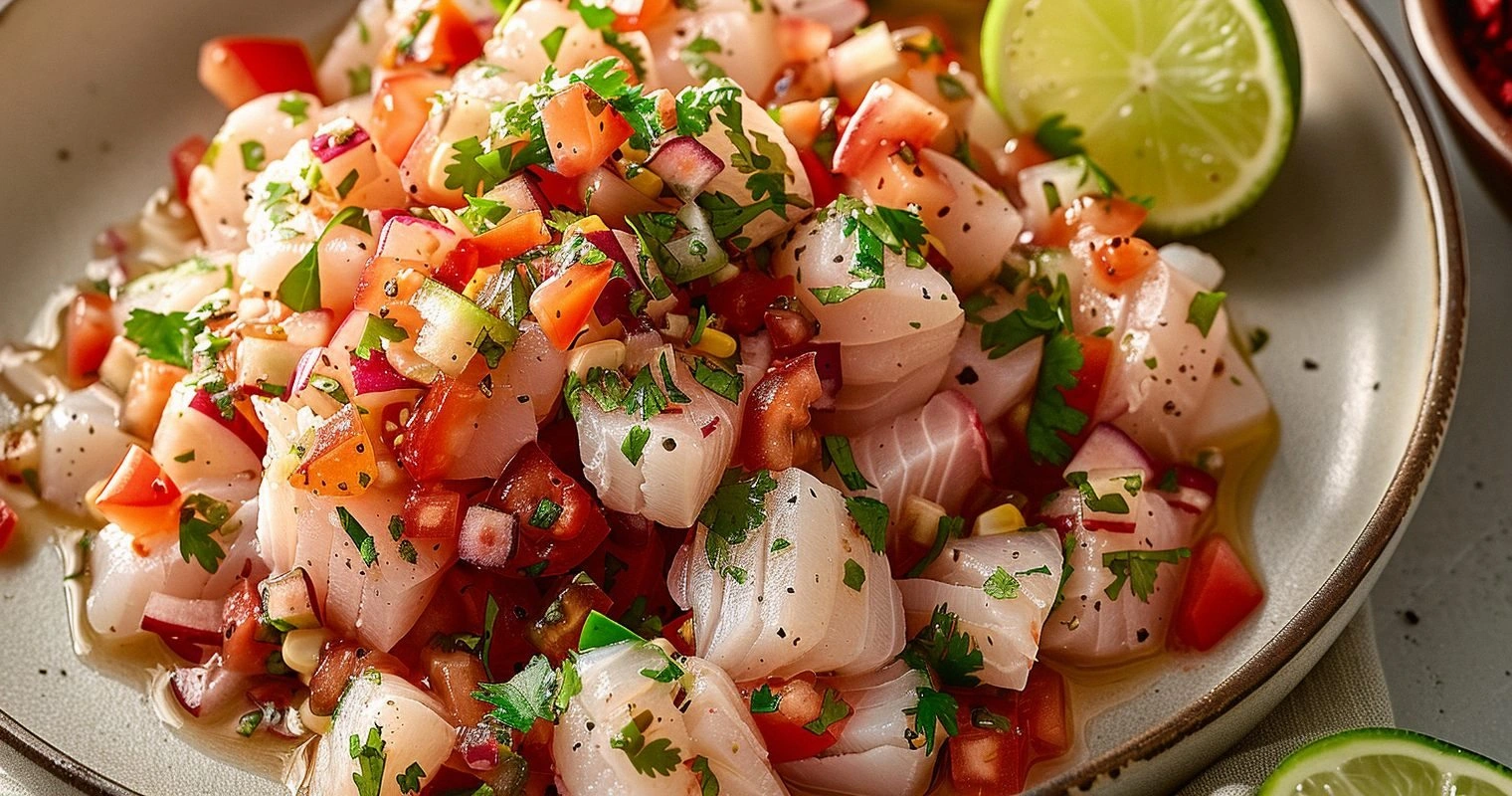
Chill for at least 30 minutes but no more than 4 hours. This resting period lets flavors meld and everything get properly cold. Serve in chilled glasses or on tostadas with avocado slices on the side. The ceviche should be bright, citrusy, with visible chunks of fish and vegetables, not a homogeneous mush. That first bite should transport you to a beach in Mexico, even if you're eating it in your kitchen while it's snowing outside.
That's it — you did it. But hold on, I've got a few more tricks that'll take this to another level...
Insider Tricks for Flawless Results
The Temperature Rule Nobody Follows
Here's the science that'll make you sound like you went to culinary school: keep everything below 40°F until the moment you serve. Warm fish in citrus turns mealy and develops that funky smell that clears rooms. I keep my serving bowls in the freezer, my plates in the fridge, and I serve ceviche over ice packs if it's going to sit out. A friend tried skipping this step for a party once — let's just say the flies had a better time than the guests.
Buy a cheap instant-read thermometer and check your fish before marinating. If it's above 38°F, put it back in the fridge for 30 minutes. Same with your citrus juice — ice-cold juice "cooks" more evenly and prevents that weird gray color that happens when fish gets warm-acid shocked. This isn't paranoia — it's the difference between restaurant-quality and "why does this taste funny?"
Why Your Nose Knows Best
Fresh fish smells like the ocean, not fishy. If your fish smells like anything other than clean seawater, walk away. I don't care if it's on sale or if the guy behind the counter swears it's fresh. One bad piece of fish will ruin your entire batch and possibly your weekend. The best test? If you have to question whether it's good, it isn't.
Same goes for your citrus — old limes taste like furniture polish. Roll them on the counter before juicing — they should feel heavy for their size and give slightly under pressure. If they're rock hard and light, they'll be dry and bitter. And please, for the love of all that's holy, don't use bottled lemon juice. It tastes like cleaning products and has the acidity consistency of a moody teenager.
The 5-Minute Rest That Changes Everything
After you drain the citrus, let the fish rest for exactly 5 minutes before adding vegetables. This brief pause lets the proteins finish setting up, creating that perfect tender-firm texture. Skip this step and your ceviche falls apart when you mix in the vegetables. Wait too long and it gets rubbery. Set a timer — this isn't the time to get distracted by Instagram.
During this rest, the fish continues to firm slightly from residual acid while the surface dries just enough to grab onto the olive oil and seasonings. It's like letting a steak rest after cooking — the difference seems subtle but the results are dramatic. Your ceviche will hold together better, taste more cohesive, and have that restaurant-quality texture that makes people ask for your secret.
Creative Twists and Variations
This recipe is a playground. Here are some of my favorite ways to switch things up:
Spicy Mango Madness
Fold in one ripe mango (diced small) with the vegetables, and swap the serrano for habanero. The sweet-spicy combo is addictive, especially with a cold beer. The mango adds tropical sweetness that plays beautifully against the citrus. Just make sure your mango isn't overripe — you want firm cubes that hold their shape, not mango mush.
Tomatillo Verde Version
Replace the tomatoes with 4 tomatillos (husked and diced small) and add an extra squeeze of lime. The tomatillos bring a tangy, slightly herbal note that's incredibly refreshing. This version pairs amazingly with tequila or mezcal. The green color is gorgeous, and the flavor is brighter than a spring morning.
Coconut Cream Dream
Stir in 2 tablespoons of coconut cream with the olive oil for a rich, tropical twist. This version is creamier and more luxurious, perfect for people who think traditional ceviche is too acidic. Serve it in coconut shells if you're feeling fancy. The coconut doesn't overpower — it just adds a subtle richness that makes this feel like vacation food.
Asian-Fusion Fusion
Swap the olive oil for sesame oil (use less — it's strong), add a splash of soy sauce, and replace the serrano with Thai chilies. Garnish with sesame seeds and serve on wonton chips. The umami from the soy sauce creates an entirely different flavor profile that's still recognizably ceviche. This is what happens when Mexico meets Tokyo in the best possible way.
Smoky Mezcal Magic
Add 1 tablespoon of mezcal to the marinade for subtle smoke that plays beautifully with the citrus. Don't worry about the alcohol — it cooks off with the acid. The smokiness adds incredible depth without being obvious. People will taste it and know something's different but won't be able to put their finger on what. It's like adding a secret ingredient that makes everyone ask for the recipe.
Mini Shrimp Version
Use cooked baby shrimp instead of fish for a different texture and flavor. Since they're already cooked, you just need to marinate them for 10 minutes to absorb flavor. This version is more accessible for people nervous about raw fish, and the sweet shrimp flavor pairs beautifully with the citrus. Kids especially love the bite-sized shrimp.
Storing and Bringing It Back to Life
Fridge Storage
Store ceviche in the coldest part of your fridge, in a glass container with plastic wrap pressed directly onto the surface. It'll keep for up to 24 hours, but honestly, it's best within 4 hours. After that, the vegetables start to lose their crunch and the flavors get muddled. If you must make it ahead, prep everything separately and mix just before serving. The fish will continue to firm up in the fridge, so under-marinate slightly if you're storing it.
Never leave ceviche at room temperature for more than 30 minutes — this isn't just about food safety, it's about texture. Warm ceviche gets mushy and develops off-flavors faster than you'd think. If you're serving it buffet-style, set the bowl over ice and replenish from the fridge. And please don't try to save ceviche that's been sitting out — when in doubt, throw it out. Your stomach will thank you.
Freezer Friendly
Don't. Just don't. Freezing completely destroys the delicate texture of both the fish and vegetables. The fish turns mushy when thawed, and the vegetables become sad, limp shadows of their former selves. If you have leftovers, eat them within 24 hours or move on. This is a make-it-and-enjoy-it dish, not a make-it-and-forget-it one.
What you can freeze is the citrus juice — portion it in ice cube trays and you'll always have fresh juice ready. You can also prep and freeze vegetables like diced onions and peppers for other recipes. But the finished ceviche? That's a same-day affair, which honestly is part of its charm.
Best Reheating Method
There is no reheating ceviche — the whole point is that it's served cold. If your ceviche has warmed up too much, you can refresh it by stirring in a few ice cubes for a minute, then removing them. This brings down the temperature without diluting the flavor. Don't leave the ice in — you want it cold, not watery.
If your ceviche has been in the fridge and seems a bit dull, brighten it up with a squeeze of fresh lime and a sprinkle of salt. Sometimes the flavors need a wake-up call after chilling. Add fresh cilantro if the original has wilted, and serve over fresh tostadas. It's not quite as good as fresh-made, but it's better than letting it go to waste.