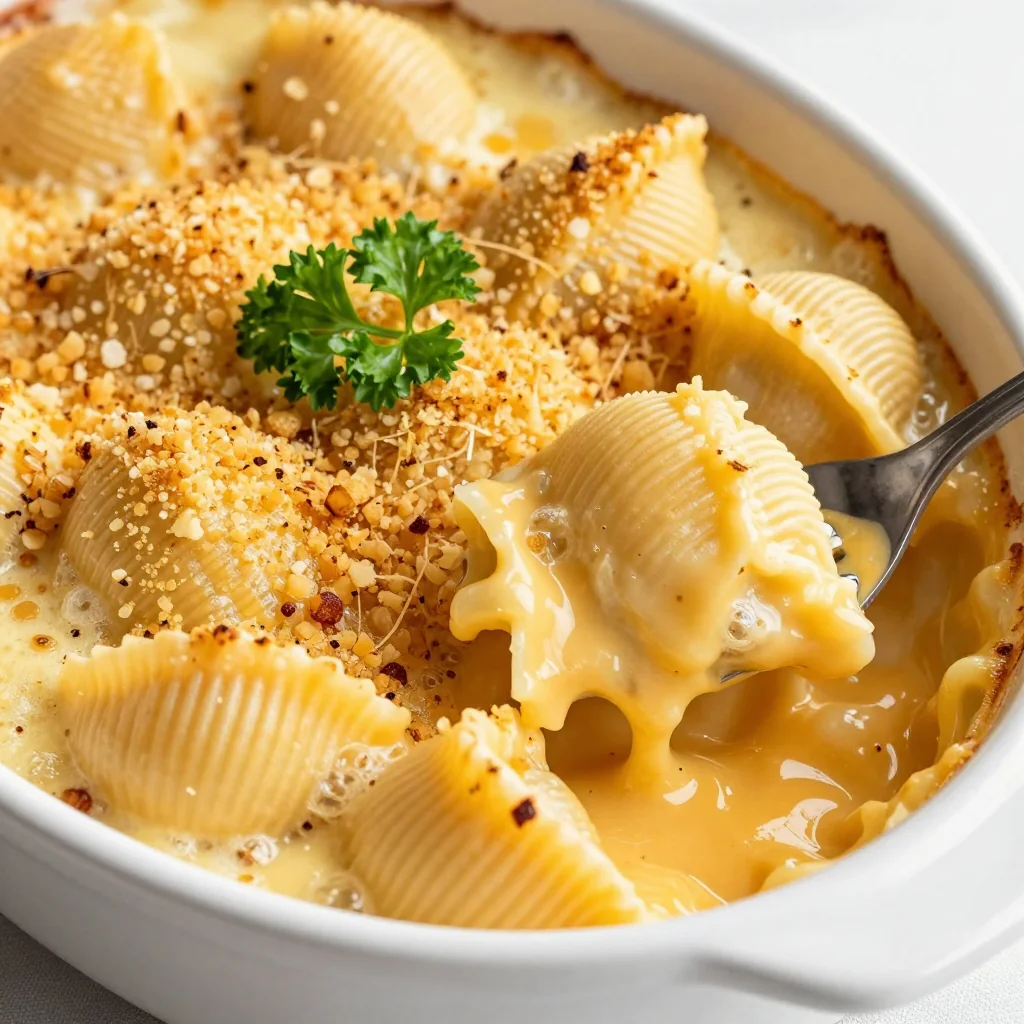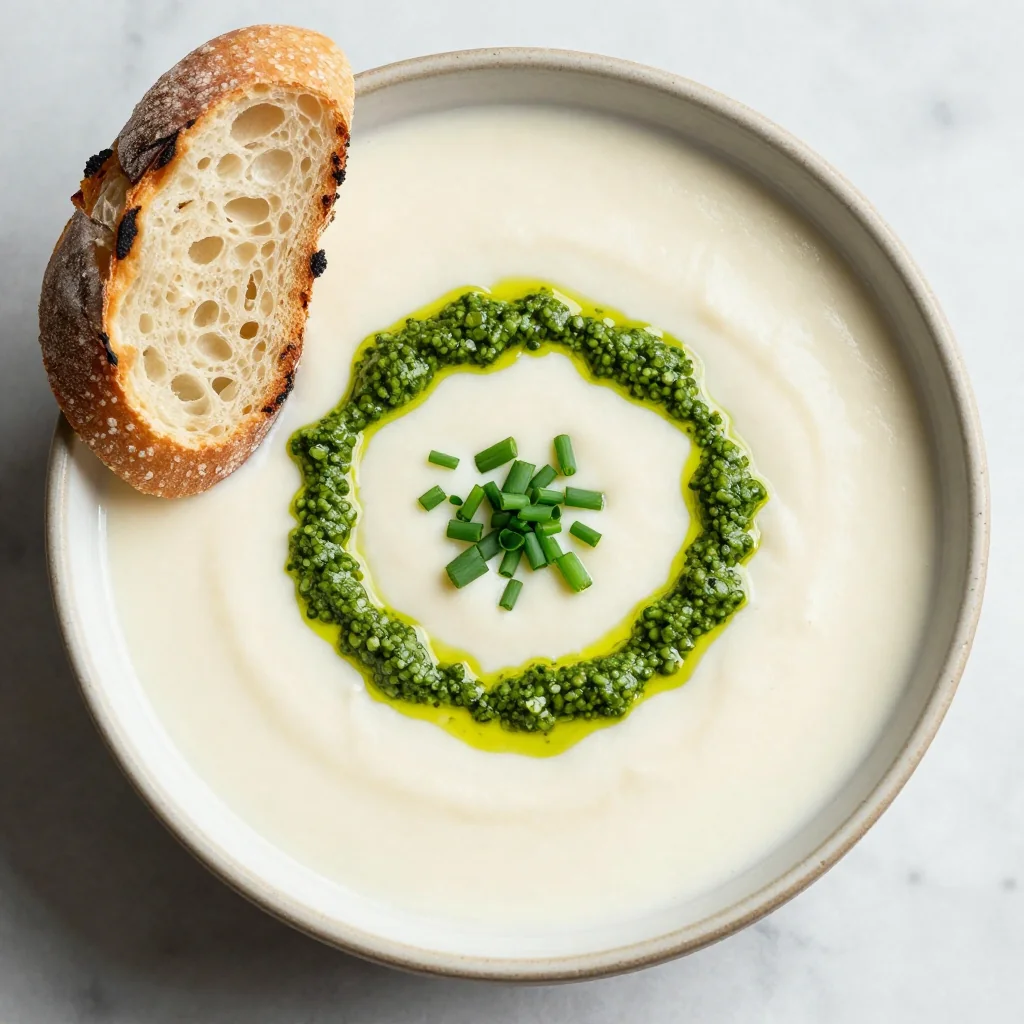
It started with a kitchen disaster that would have made a seasoned chef weep: I tried to make a quick seafood soup, only to find the broth boiling over and the onions charred to a crisp that tasted like burnt sugar. I stared at the scorched pot, the steam curling like a ghostly wisp, and thought, “If I can salvage this, I can turn it into something unforgettable.” That single moment sparked the idea for a crab stew that would make every spoonful a revelation. I’m talking about a dish that balances silky cream, briny crab, and a splash of Old Bay that sings against the subtle heat of dry sherry. The aroma alone—rich butter, caramelized onions, and a hint of citrus—will have your kitchen smelling like a seaside tavern on a summer night.
Picture yourself pulling this out of the pot, the whole kitchen smelling incredible, and a plate of steaming stew waiting. The first bite delivers a burst of sweet, buttery broth that coats the palate like velvet, followed by tender crab meat that breaks apart with a gentle snap, and a final sprinkle of parsley that adds a bright, herbal lift. I dare you to taste this and not go back for seconds. The sauce is thick enough to cling to the edges of a spoon, yet light enough to pour like a silky gravy. The combination of fresh vegetables and seasoned broth creates layers of flavor that dance from savory to subtly spicy, making each mouthful a new adventure.
What sets this version apart from every other recipe out there is the meticulous layering of flavor and the use of a few unconventional ingredients that elevate the dish from simple to sensational. I’m not just talking about adding more spices; I’m talking about the subtle infusion of dry sherry that gives a dry, nutty undertone, and the careful balance of heavy cream and half-and-half that creates a luxuriously creamy texture without tipping into heaviness. The use of lump crab meat instead of shredded or canned crab ensures that every bite delivers the authentic, sweet, and slightly briny flavor that only fresh crab can provide. The Old Bay seasoning isn’t just a garnish; it’s the backbone that ties the entire stew together, giving it that unmistakable New England character.
I’ll be honest—when I first tasted it, I ate half the batch before anyone else got a chance. The texture was buttery, the flavor profile was complex, and the finish was clean and bright. If you've ever struggled with crab stew, you're not alone—many people end up with a watery, bland result because they skip the roux or overcook the crab. This recipe is a playground of techniques that keep the crab tender and the broth rich. The next part of the recipe is where the magic happens: a simple roux, a slow simmer, and the careful addition of crab meat at just the right moment. Stay with me here—this is worth it.
Most recipes get this completely wrong. Here’s what actually works: a light roux, a balanced blend of cream and half-and-half, and the precise timing of adding crab so it stays juicy. Picture the broth simmering, the onions turning translucent, and the garlic releasing its aroma into the air, creating a scent that makes you feel like you’re at a seaside market. The next step? Add the dry sherry for that subtle, toasted note. And then the crab—there’s no room for error here. The entire dish will come together in about 45 minutes, but the payoff is a stew that feels like it was cooked by a master chef. Let me walk you through every single step—by the end, you'll wonder how you ever made it any other way.
What Makes This Version Stand Out
- Flavor Depth: The combination of Old Bay, dry sherry, and a touch of Worcestershire creates a complex flavor profile that feels both familiar and adventurous. The subtle bitterness of the sherry cuts through the richness of the cream, leaving a clean finish that invites another spoonful.
- Texture Precision: The roux is cooked just until it turns a light golden hue, ensuring it thickens the broth without adding a gritty texture. The crab is added at the very last moment, preserving its tender, juicy bite.
- Ingredient Quality: Using lump crab meat instead of shredded or canned crab guarantees a buttery, sweet flavor that is impossible to replicate with lower-quality substitutes.
- Simplicity in Method: Despite the sophisticated flavor, the cooking process is straightforward—no more than ten steps, all of which can be performed in a single pot. This makes the dish approachable for both seasoned cooks and beginners.
- Make‑Ahead Potential: The stew can be prepared a day ahead and reheated with a splash of water, allowing the flavors to meld further. It’s ideal for entertaining or a quick weekday dinner.
- Versatility: The stew pairs beautifully with crusty bread, a side of garlic sautéed greens, or even a light salad. The rich broth can be used as a base for a risotto or a creamy pasta sauce.
- Crowd‑Pleaser: Even the most skeptical seafood lovers will be won over by the buttery, savory broth and the delicate crab texture. The dish is a guaranteed hit at family gatherings or dinner parties.
Alright, let's break down exactly what goes into this masterpiece...
Inside the Ingredient List
The Flavor Base
The foundation of any great stew is its flavor base, and this recipe starts with a classic mirepoix of diced yellow onion, celery, and green bell pepper. The onion brings sweetness, the celery adds a subtle earthiness, and the bell pepper injects a bright, slightly sweet note that cuts through the richness of the cream. If you skip any of these, the stew will feel flat and lack depth. You can swap the bell pepper for a splash of tomato paste for a more robust, tomato-forward flavor, but the original combination provides a balanced, mellow backdrop.
The Texture Crew
The texture of the stew is defined by the roux and the careful timing of adding the crab meat. The roux, made from butter and flour, creates a silky, thick consistency that coats the spoon. It’s crucial to cook it just until it turns a light golden color to avoid a raw flour taste. The crab itself is the star; using lump crab ensures a tender, juicy bite that doesn’t fall apart. If you use shredded crab, it will lose that distinct, firm texture.
The Unexpected Star
Dry sherry might seem like an odd addition, but it brings a subtle nutty, toasted flavor that elevates the stew. The alcohol evaporates quickly, leaving behind a complex undertone that pairs beautifully with the Old Bay seasoning. If you don’t have dry sherry, you can use a dry white wine or even a splash of apple cider vinegar for a slightly different twist. The key is to add it after the roux has thickened, so the flavors meld without overwhelming the dish.
The Final Flourish
Fresh parsley is the finishing touch that adds brightness and a touch of herbal freshness. It’s sprinkled on top right before serving, giving the stew a pop of color and a subtle, peppery bite that cuts through the richness. If you’re allergic to parsley, a pinch of fresh dill or chives works wonderfully. The final touch is a drizzle of heavy cream and half-and-half, creating a velvety finish that feels indulgent yet balanced.
Everything's prepped? Good. Let's get into the real action...

The Method — Step by Step
- Step 1: Sauté the Mirepoix In a large, heavy‑bottom pot, melt 4 tablespoons of unsalted butter over medium heat until it begins to foam. Add 1 cup diced yellow onion, 1 cup diced celery, and 1/2 cup diced green bell pepper. Sauté for 6–8 minutes until the vegetables are translucent and the onion starts to caramelize, releasing a sweet aroma that will become the backbone of your stew. Keep the heat at medium to avoid burning the onions.
- Step 2: Add Garlic and Flour Stir in 2 minced garlic cloves, letting them cook for about 30 seconds until fragrant. Sprinkle 1/4 cup all‑purpose flour over the vegetables and stir vigorously to form a roux. Cook the roux for 2–3 minutes until it turns a light golden brown, indicating the flour has cooked through and eliminated its raw taste. This will thicken the broth without a gritty texture.
- Step 3: Build the Broth Slowly pour in 2 cups of vegetable broth, whisking constantly to prevent lumps. Bring the mixture to a gentle simmer, then reduce the heat to low. As the broth thickens, it should have a silky, gravy‑like consistency that coats the back of a spoon. This step is crucial—if the broth is too thin, the stew will lack body.
- Step 4: Season and Infuse Add 1 tablespoon Old Bay seasoning, 1 teaspoon Worcestershire sauce, and 2 tablespoons dry sherry. Stir until the seasonings are fully incorporated. The Old Bay provides a briny, smoky flavor, Worcestershire adds umami, and the sherry gives a subtle, toasted undertone. Allow the mixture to simmer for 5 minutes so the flavors meld.
- Step 5: Incorporate the Cream Base Reduce the heat to low and stir in 1 cup heavy cream and 1 cup half‑and‑half. The cream adds richness, while the half‑and‑half keeps the stew from becoming too heavy. Keep the mixture at a low simmer; a rolling boil can cause the dairy to separate. Watch the edges of the pot—they should start pulling away from the sides, signaling the stew is thickening beautifully.
- Step 6: Add the Crab Carefully fold in 1 pound of lump crab meat, gently breaking it into large chunks. The crab should be added at the very last moment to preserve its delicate texture. Let the stew simmer for an additional 3–4 minutes, just long enough to heat the crab through without overcooking it. The crab will release a subtle brine that infuses the broth further.
- Step 7: Final Touches Season with salt and freshly ground black pepper to taste. Add a pinch of fresh parsley, reserving some for garnish. Stir gently, ensuring the parsley is evenly distributed. The parsley adds a bright, herbal note that cuts through the richness of the cream.
- Step 8: Serve and Garnish Ladle the stew into bowls, ensuring each serving gets a generous portion of crab and a swirl of the creamy broth. Sprinkle the remaining parsley on top for a pop of color. Serve immediately with crusty bread or a side of sautéed greens to soak up the luscious sauce.
That's it — you did it. But hold on, I've got a few more tricks that'll take this to another level. These insider tips will help you refine the dish, troubleshoot common pitfalls, and elevate the overall dining experience.
Insider Tricks for Flawless Results
The Temperature Rule Nobody Follows
Maintaining a low simmer throughout the cooking process is essential for a silky broth. Many cooks let the pot come to a rolling boil, which can cause the cream to separate or the crab to overcook. Keep the heat low once you add the dairy, and use a thermometer to ensure the internal temperature stays below 185°F. This small adjustment keeps the stew smooth and prevents any unwanted graininess.
Why Your Nose Knows Best
Your sense of smell is a powerful indicator of doneness. As the stew simmers, the aroma will shift from buttery and floral to a rich, savory scent. When you notice a slight sharpness from the Old Bay, it’s a sign the broth has developed depth. Trust your nose, and you’ll know exactly when to add the crab and when to finish.
The 5‑Minute Rest That Changes Everything
After you remove the pot from heat, let the stew rest for five minutes. During this brief pause, the flavors will meld, and the crab will continue to absorb the broth’s richness without drying out. It also allows the roux to settle, resulting in a more cohesive texture. Serve immediately after the rest to enjoy the stew at its peak.
Keep the Broth Bright
If you find the broth slightly cloudy, it may be due to an overcooked roux. To avoid this, whisk constantly when adding the broth and keep the heat moderate. If the broth does become cloudy, a quick pass through a fine sieve will clear it, revealing a pristine, glossy sauce.
Add a Splash of Citrus
A tablespoon of freshly squeezed lemon juice added just before serving brightens the dish and balances the richness. The acidity cuts through the cream and enhances the crab’s natural sweetness. If you prefer a more subtle citrus note, use a splash of white wine instead.
Use a Non‑Stick Skillet for the Mirepoix
Sautéing the vegetables in a non‑stick skillet prevents sticking and makes cleanup a breeze. It also allows you to cook the vegetables at a slightly higher temperature without burning them, resulting in a deeper caramelized flavor. This small change can make a noticeable difference in the final taste.
Creative Twists and Variations
Spicy Cajun Crab Stew
Swap Old Bay for Cajun seasoning and add a pinch of cayenne pepper to give the stew a smoky, spicy kick. The heat pairs wonderfully with the sweet crab, creating a balanced flavor that’s perfect for a summer dinner. Serve with a side of grilled corn to keep the theme Southern.
Mediterranean-Style Crab Stew
Replace the Old Bay with a blend of oregano, thyme, and basil. Add diced tomatoes and olives for a Mediterranean twist. Finish with a drizzle of olive oil and a sprinkle of feta cheese for extra tang.
Creamy Coconut Crab Stew
Swap half-and-half for coconut milk and add a splash of lime juice. The coconut’s sweetness complements the crab’s briny flavor, while the lime adds a fresh, bright note. This version is perfect for those craving an exotic, tropical vibe.
Vegetarian Crab Stew (Canned Crab)
Use canned crab meat for a budget‑friendly version. Add a handful of spinach or kale to increase the vegetable content. The result is a hearty, plant‑based stew that still delivers that classic crab flavor.
Crab & Lobster Fusion Stew
Combine lump crab with chunks of fresh lobster meat for an indulgent, luxury twist. The lobster’s sweet, buttery flavor complements the crab’s texture, creating a decadent dish that feels like a special occasion.
Low‑Carb Crab Stew
Replace the flour with a tablespoon of xanthan gum or a small amount of almond flour to thicken the broth. Reduce the heavy cream to half-and-half only, and add extra vegetables like zucchini or mushrooms. This version keeps the dish low in carbs while maintaining richness.
Crab Stew with a Citrus Twist
Add a handful of diced orange segments and a splash of orange juice. The citrus adds a bright, refreshing flavor that cuts through the creaminess. Serve with a side of quinoa for a complete meal.
Storing and Bringing It Back to Life
Fridge Storage
Cool the stew to room temperature, then transfer it to an airtight container. Store in the refrigerator for up to 3 days. The creamy broth will thicken slightly, so stir well before reheating to restore its silky texture.
Freezer Friendly
Divide the stew into freezer‑safe portions, leaving about 2 inches of headspace. Freeze for up to 2 months. Thaw overnight in the refrigerator before reheating. The flavors will intensify, making the stew even more delicious.
Best Reheating Method
Reheat the stew over low heat, adding a splash of water or broth to loosen the consistency. Stir frequently to prevent scorching. Once the stew reaches a gentle simmer, taste and adjust seasoning before serving.