I still remember the night I almost ruined dinner for a group of friends because of a single, stubborn zucchini. I was chopping them into strips, the knife slipped, and the vegetables went flying across the counter like a green confetti storm. By the time I gathered them back together, the kitchen smelled of burnt garlic and a hint of lemon from the basil I’d forgotten to add. That disaster sparked a mission: to create a sauce so silky and aromatic that it would turn every zucchini into a star, not a casualty. Now, after countless experiments and a few too many taste tests, I’m ready to share the recipe that turned that kitchen fiasco into a culinary triumph. I promise you, this is hands down the best version you'll ever make at home, and I dare you to taste this and not go back for seconds.
Imagine a sauce that coats the pasta like velvet, each strand glistening with a glossy sheen of olive oil and cream, yet still crisp enough to bite into. Picture the scent of fresh basil and oregano rising from the pan, mingling with the subtle heat of crushed red pepper flakes. Hear the gentle sizzle as the zucchini browns to a golden caramel, the edges cracking like thin ice under a knife. Feel the warmth of the pot as it steams, filling the kitchen with a comforting, almost nostalgic aroma that reminds you of Sunday family dinners. Taste the creamy richness, the sharp bite of Romano cheese, and the sweet undertones of diced sweet onion, all balanced by the bright, herbal finish. If that sounds like a dream, stick around—this is the sauce that will make you rethink every other zucchini recipe you’ve ever tried.
What sets this sauce apart isn’t just the combination of ingredients; it’s the way each element is treated to preserve its natural flavor while enhancing the others. I’ve stripped away the usual gimmicks—no heavy cream overload, no excess salt, no overcooking the greens. Instead, I’ve focused on a method that lets the zucchini’s natural sweetness shine, the herbs’ brightness linger, and the cheese’s umami depth anchor the dish. The result? A sauce that is both light and indulgent, that pairs perfectly with any pasta shape, and that can be whipped up in less than an hour. Ready to see the secrets? Let me walk you through every single step—by the end, you'll wonder how you ever made it any other way.
If you've ever struggled with zucchini sauces—getting them mushy, too watery, or lacking depth—you're not alone. I’ve been there: a pot of overcooked veggies that turned into a soggy mess. But with the tweaks I’ll reveal, you’ll achieve a sauce that is silky, flavorful, and perfectly balanced. Picture yourself pulling this out of the oven, the whole kitchen smelling incredible, and watching your guests’ eyes light up as they taste the first bite. That moment is worth every second of effort, and I’m excited to share the exact techniques that make it happen.
What Makes This Version Stand Out
- Flavor: The blend of sweet onion, garlic, and crushed red pepper creates a layered taste profile that feels both comforting and adventurous.
- Texture: Zucchini is sautéed to a caramelized edge while remaining firm, giving the sauce a satisfying bite that contrasts with the creamy base.
- Ease: All steps can be completed in under 30 minutes, making it ideal for busy weeknights or last-minute gatherings.
- Freshness: Using fresh herbs—basil, oregano, and mint—adds a bright, aromatic quality that elevates the sauce beyond canned or pre-made versions.
- Versatility: The sauce works beautifully with spaghetti, penne, or even tossed with sautéed shrimp for an elevated seafood dish.
- Healthful: While it contains cream, the overall fat content is balanced by the nutrient-dense zucchini and herbs, making it a guilt-free indulgence.
- Make‑ahead: The sauce can be stored in the fridge for up to three days or frozen for up to a month without losing its flavor.
- Presentation: The glossy finish and bright green herbs make the dish visually stunning, perfect for impressing guests.
Alright, let's break down exactly what goes into this masterpiece.
Inside the Ingredient List
The Flavor Base
The foundation of any great sauce is its aromatic base. For this recipe, we start with diced sweet onion and minced garlic sautéed in extra‑virgin olive oil. The onion brings a subtle sweetness that balances the acidity of the herbs, while the garlic adds depth and a touch of heat. If you skip this step, the sauce will feel flat and underdeveloped, lacking the complex flavor that makes it memorable.
Tip: Use a sharp knife and a small cutting board to keep the onion pieces uniform. Uniform pieces ensure even cooking and a consistent flavor profile throughout the sauce.
The Texture Crew
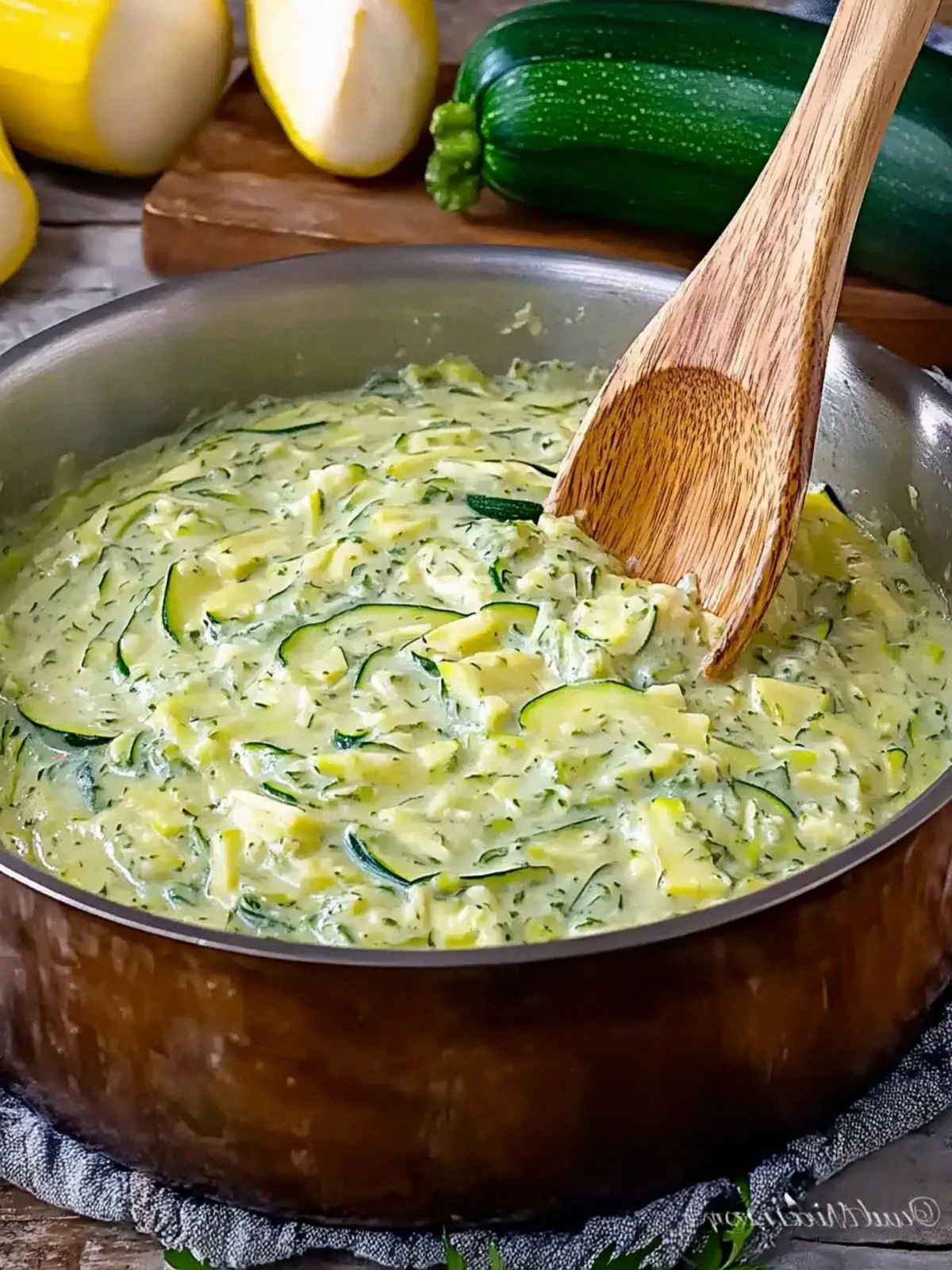
Zucchini is the star of this sauce, but how you handle it determines the final texture. We slice the zucchini into half‑moons, which allows the edges to develop a caramelized crust while the center stays tender. This contrast provides a satisfying bite that prevents the sauce from becoming mushy.
If you cut the zucchini too thin, it will steam rather than sauté, resulting in a watery sauce. Conversely, too thick a cut will leave the interior raw. Aim for slices about 1/8 inch thick for the perfect balance.
The Unexpected Star
Fresh herbs—basil, oregano, and mint—bring a bright, aromatic punch that sets this sauce apart. Basil offers a sweet, peppery note, oregano adds earthiness, and mint provides a refreshing coolness that cuts through the richness of the cream. Together, they create a complex bouquet that feels both familiar and surprising.
If you’re missing mint, a small amount of chopped parsley can work as a substitute, but it won’t provide the same coolness. For a more robust flavor, add a pinch of dried oregano as a backup.
The Final Flourish
The cream and Romano cheese bring a velvety richness that coats the pasta like velvet. The cream’s fat content allows the sauce to cling to each strand, while the cheese adds a sharp, salty finish that cuts through the sweetness of the zucchini. Together, they create a luxurious mouthfeel that feels indulgent without being overpowering.
If you prefer a lighter version, substitute half the cream with whole‑milk or a plant‑based alternative. Just remember that the cheese is key to achieving the signature depth of flavor; skip it, and the sauce will feel like a simple vinaigrette.
Everything's prepped? Good. Let's get into the real action.
The Method — Step by Step
- Prep the pasta. Bring a large pot of salted water to a rolling boil. Add the dry pasta and cook until al dente, about 9 to 11 minutes depending on the shape. Drain, reserving a cup of the starchy water for later. The pasta will absorb the sauce later, so don’t rinse it—keep it slightly sticky for better coating.
- Start the base. While the pasta cooks, heat the extra‑virgin olive oil in a large skillet over medium heat. Add the diced sweet onion and sauté until translucent, about 3 to 4 minutes. The onion should soften without browning, releasing its natural sweetness. Add the minced garlic, crushed red pepper flakes, and cook for an additional 30 seconds until fragrant.
- Sauté the zucchini. Toss the sliced zucchini into the skillet, stirring to coat each piece in the aromatic oil. Increase the heat to medium‑high and cook for 5 to 7 minutes, stirring occasionally. You’re looking for a golden caramelized edge—when the zucchini starts to pull away from the pan, it’s ready. The edges should crackle slightly, giving a satisfying snap.
- Season the mix. Sprinkle the kosher salt, ground black pepper, and fresh herbs—basil, oregano, and mint—over the vegetables. Stir to combine, letting the herbs wilt and release their oils. Taste the mixture; you should hear a bright, herbal chorus that balances the sweet onion and zucchini.
- Introduce cream and cheese. Pour in the heavy cream, stirring to create a silky sauce. Add the finely grated Romano cheese, allowing it to melt into the mixture. The sauce should thicken slightly, becoming glossy and rich. Keep the heat low to prevent the cream from curdling.
- Combine pasta and sauce. Add the drained pasta to the skillet, tossing to coat each strand. If the sauce feels too thick, add a splash of the reserved pasta water to loosen it. The water’s starch helps the sauce cling to the noodles, creating a cohesive, silky coat.
- Finish with a flourish. Sprinkle additional fresh herbs on top for a burst of color. Give the dish a final stir, allowing the flavors to meld for a minute. The aroma should be intoxicating—herbal, creamy, and slightly sweet.
- Serve immediately. Plate the pasta in warmed bowls, ensuring each portion is generous with sauce. Garnish with a dusting of Romano cheese if desired. Serve hot, and watch your guests reach for seconds—because this sauce is pure magic.
That’s it— you did it. But hold on, I've got a few more tricks that'll take this to another level.
Insider Tricks for Flawless Results
The Temperature Rule Nobody Follows
Many chefs skip the step of reducing the heat after adding cream, which leads to a curdled sauce. I always lower the heat to the lowest setting right after pouring in the cream and let it simmer gently for 2 minutes. This ensures the fat emulsifies properly, creating a silky, cohesive sauce that clings to the pasta. A friend once tried to speed things up with high heat and ended up with a lumpy mess—lesson learned.
Why Your Nose Knows Best
The aroma of sautéed onions and garlic is a reliable indicator of readiness. When the onions turn translucent and the garlic starts to release its scent, you’re at the right point to add zucchini. If you wait too long, the onions can brown and become bitter, altering the sauce’s flavor profile. Trust your nose—it’s the best judge of flavor progress.
The 5‑Minute Rest That Changes Everything
After you finish cooking the sauce, let it rest for 5 minutes before serving. This short rest allows the flavors to marry and the sauce to thicken slightly, resulting in a more cohesive coat on the pasta. It also gives the cream time to settle, preventing a watery consistency when you plate it.
Herb Timing Matters
Fresh herbs lose their potency if added too early. Add them in the last minute of cooking to preserve their bright, aromatic qualities. If you prefer a stronger herb flavor, sprinkle a little extra on top as a garnish right before serving.
The Secret of Salt
Salt is your best friend in balancing flavors. I sprinkle a pinch of kosher salt on the zucchini before cooking to draw out excess moisture and enhance the caramelization. Then, after the sauce is finished, taste and adjust—add a bit more if needed. A well‑seasoned sauce is the difference between a good dish and an unforgettable one.
Creative Twists and Variations
This recipe is a playground. Here are some of my favorite ways to switch things up:
Zesty Lemon Zucchini
Add a tablespoon of fresh lemon zest and a splash of lemon juice during the final simmer. The citrus brightens the sauce and cuts through the richness of the cream, offering a refreshing contrast.
Spicy Pesto Fusion
Replace half of the basil with fresh spinach and blend the herbs into a quick pesto. Stir the pesto into the sauce for a green, vibrant twist that adds a nutty undertone.
Mushroom Medley
Sauté sliced mushrooms with the zucchini for a meaty, earthy flavor. The mushrooms absorb the herbaceous sauce, making it perfect for a vegetarian main course.
Pine Nut Crunch
Toast pine nuts in a dry skillet until golden and sprinkle them over the finished dish. The nutty crunch provides a delightful textural contrast to the silky sauce.
Mediterranean Twist
Add chopped sun‑dried tomatoes and a splash of Kalamata olive oil. The tomatoes bring a sweet‑tangy depth, while the olive oil adds a briny finish reminiscent of a Mediterranean seaside.
Cheese Swap
Use a blend of Parmesan and Pecorino Romano for a sharper, more complex cheese profile. The combination adds depth without overpowering the delicate zucchini.
Storing and Bringing It Back to Life
Fridge Storage
Cool the sauce to room temperature, then transfer it to an airtight container. Store in the refrigerator for up to three days. When reheating, add a splash of milk or water to loosen the sauce, and warm gently on the stovetop, stirring frequently.
Freezer Friendly
Divide the sauce into freezer‑safe portions and seal tightly. Freeze for up to one month. Thaw overnight in the refrigerator, then reheat on the stove with a splash of cream or milk to restore its silky texture.
Best Reheating Method
Reheat the sauce on low heat, stirring constantly. A tiny splash of water or milk helps maintain the sauce’s consistency and prevents it from thickening too much. Finish with a pinch of salt to re‑balance the flavors after the thawing process.