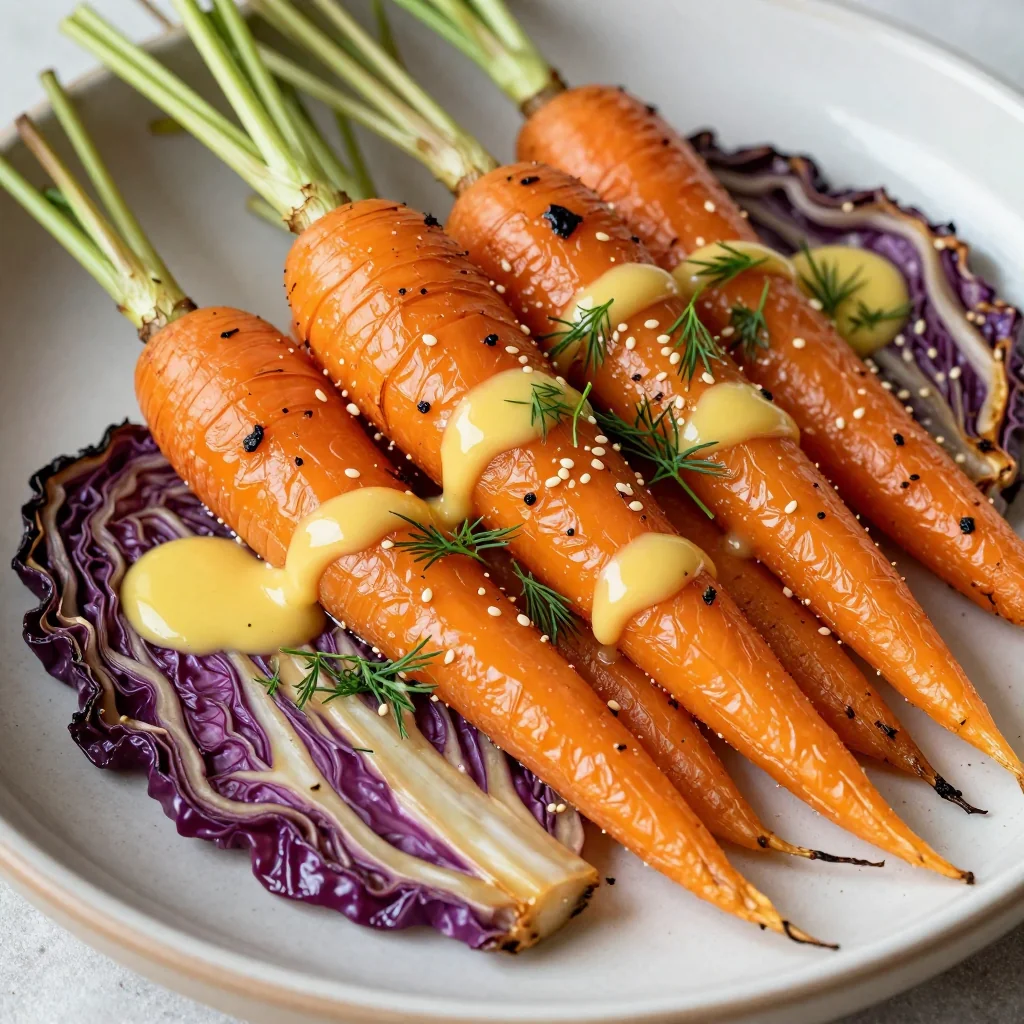
Love this? Pin it for later! 📌
Detox Lemon Roasted Carrots & Cabbage: The Post-Holiday Reset Your Body is Craving
After three consecutive holiday dinners, I found myself sprawled on the couch, jeans unbuttoned, wondering if I'd ever feel light and energized again. Sound familiar? That's exactly why I created this bright, zesty detox dish that transforms humble winter vegetables into something you'll actually crave.
This isn't your sad "diet food" scenario. We're talking caramelized edges, bright citrus notes, and that satisfying crunch that makes you forget you're doing something good for your body. My grandmother used to say the best medicine comes in the most delicious packages, and this recipe proves her right.
What started as a desperate attempt to use up holiday vegetables became my family's favorite January tradition. The magic happens when the natural sweetness of carrots meets the tangy brightness of lemon, creating a flavor profile that somehow feels both indulgent and cleansing. After testing this recipe on my most vegetable-skeptical relatives (looking at you, Uncle Bob), I can confidently say it converts even the staunchest veggie critics.
Why This Recipe Works
- One-Pan Wonder: Everything roasts together on a single sheet pan, meaning minimal cleanup when you're already dealing with post-holiday kitchen fatigue
- Prep-Ahead Friendly: Chop vegetables the night before and store in the fridge for a 5-minute morning assembly
- Customizable Heat Level: Control the detox power with adjustable lemon and spice levels to match your palate
- Meal-Prep Champion: Tastes even better the next day as flavors meld together beautifully
- Budget-Conscious: Uses inexpensive winter staples that won't break your post-holiday budget
- Nutrient-Dense: Packed with vitamins A, C, and K, plus fiber to support your body's natural detoxification processes
- Family-Friendly: The natural sweetness appeals to kids while sophisticated flavors satisfy adult palates
Ingredients You'll Need
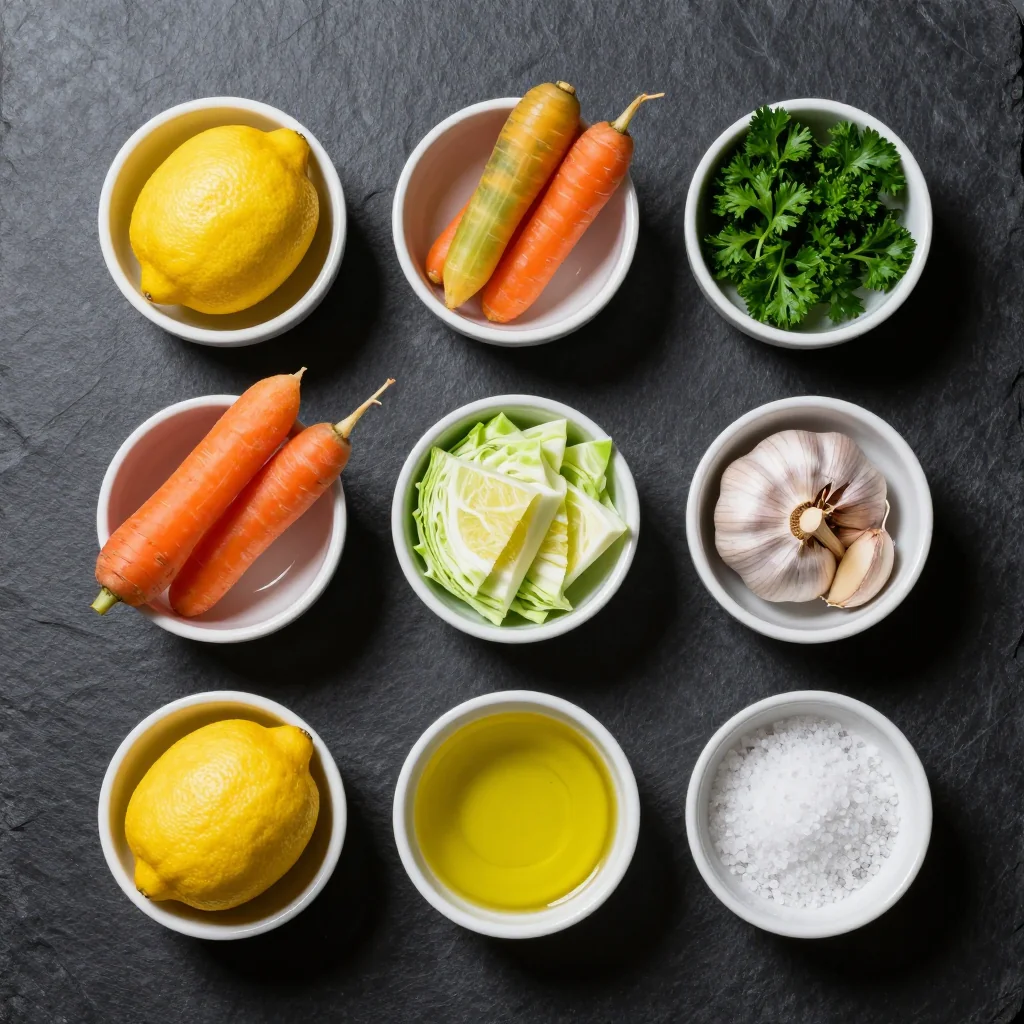
Quality ingredients make all the difference in this simple dish. Here's what to look for and why each component matters:
The Star Players
Rainbow Carrots (2 pounds): Skip the bagged baby carrots for this recipe. Fresh bunches with tops still attached offer superior sweetness and texture. Look for firm, smooth skins without soft spots. The different colors aren't just pretty – red carrots contain lycopene, purple ones have anthocyanins, and yellow ones are rich in lutein. If you can only find orange carrots, that's perfectly fine too. Pro tip: Save those carrot tops for pesto!
Green Cabbage (1 medium head, about 2 pounds): Choose heads that feel heavy for their size with tightly packed, crisp leaves. Avoid any with yellowing or brown spots. The natural sweetness of cabbage intensifies during roasting, creating those irresistible caramelized edges. Napa cabbage works as a substitute but will cook faster and have a more delicate texture.
Fresh Lemons (3 large): This is not the place for bottled lemon juice. Fresh lemons provide both juice and zest, offering essential oils that create that bright, clean flavor we're after. Look for lemons with thin, smooth skins – they're juicier. Roll them on the counter before juicing to maximize yield.
The Flavor Enhancers
Extra Virgin Olive Oil (1/3 cup): A good quality oil makes a difference here since we're using a generous amount. Look for cold-pressed oils in dark bottles. The oil helps carry fat-soluble vitamins and creates that gorgeous caramelization on the vegetables.
Fresh Garlic (6 cloves): Fresh is non-negotiable. The pungent, spicy flavor of fresh garlic mellows beautifully during roasting, adding depth without overwhelming the vegetables. Avoid pre-minced garlic in jars – it has a flat, one-dimensional taste.
Fresh Ginger (2-inch piece): This warming spice aids digestion and adds a subtle heat that complements the lemon perfectly. Look for firm, smooth pieces without wrinkles. Store extra ginger in the freezer – it grates beautifully when frozen.
Raw Honey (2 tablespoons): Just a touch helps balance the lemon's acidity and promotes beautiful caramelization. Local honey offers additional health benefits. Vegans can substitute maple syrup or agave.
The Detox Powerhouses
Turmeric (1 teaspoon): This golden spice contains curcumin, a powerful anti-inflammatory compound. Combine with black pepper to enhance absorption. Fresh turmeric works beautifully if you can find it – use a 1-inch piece, peeled and grated.
Black Pepper (1/2 teaspoon): Freshly cracked is best. It doesn't just add flavor – it enhances the bioavailability of turmeric's beneficial compounds.
Sea Salt (1 teaspoon): A good quality sea salt or Himalayan pink salt adds minerals and brings all the flavors together. Avoid iodized table salt, which can taste harsh.
How to Make Detox Lemon Roasted Carrots and Cabbage for After Holiday Meals
Preheat and Prep Pans
Position two racks in the upper and lower thirds of your oven and preheat to 425°F (220°C). Line two large rimmed baking sheets with parchment paper or silicone mats for easy cleanup. Using two pans prevents overcrowding, which is crucial for proper caramelization. While the oven heats, you can prep your vegetables.
Transform Your Carrots
Wash carrots thoroughly but don't peel them – the skin contains valuable nutrients and becomes tender during roasting. For large carrots, cut them diagonally into 1-inch pieces. This increases surface area for better caramelization. For thinner carrots, simply cut them in half lengthwise. The diagonal cut isn't just pretty – it creates more edges that will crisp and caramelize beautifully.
Tackle the Cabbage
Remove any damaged outer leaves from your cabbage, then cut it into 1-inch wedges, keeping the core intact. This prevents the leaves from falling apart during roasting. For extra-large cabbage heads, cut the wedges in half crosswise. The core becomes tender and adds a delightful texture contrast to the delicate leaves. Don't worry if it seems tough now – roasting transforms it completely.
Create the Magic Marinade
In a small bowl, whisk together olive oil, lemon juice and zest, minced garlic, grated ginger, honey, turmeric, black pepper, and sea salt. The mixture should be emulsified and slightly thick. Taste and adjust – it should be bright, zesty, and well-balanced. If it's too tart, add an extra teaspoon of honey. If it needs more punch, add another squeeze of lemon.
Coat Your Vegetables
Place carrots and cabbage in a large bowl, or divide between two bowls if your bowls are small. Pour the marinade over the vegetables and toss thoroughly with your hands, ensuring every surface is coated. Take your time here – well-coated vegetables roast more evenly and develop better flavor. The turmeric will stain your hands temporarily, but it washes off easily.
Arrange for Success
Spread vegetables in a single layer on your prepared baking sheets, ensuring pieces aren't touching. Overcrowding leads to steaming instead of roasting, preventing that gorgeous caramelization we're after. For cabbage wedges, place them cut-side down for maximum browning. Reserve any extra marinade left in the bowl – we'll use it later.
Roast to Perfection
Roast for 25 minutes, then remove pans and flip vegetables with a spatula. Rotate pans between racks for even cooking. Brush with reserved marinade for extra flavor. Return to oven and roast another 15-20 minutes until carrots are tender and caramelized at the edges, and cabbage has crispy, golden-brown spots. Total roasting time is 40-45 minutes.
The Final Flourish
Transfer roasted vegetables to a serving platter. While they're still hot, squeeze fresh lemon juice over the top and sprinkle with lemon zest for brightness. If desired, add a drizzle of good olive oil and some fresh herbs like parsley or dill. Serve immediately, though leftovers are fantastic cold or reheated.
Expert Tips
Temperature is Key
Don't be tempted to lower the oven temperature. The high heat is crucial for caramelization and developing those deep, complex flavors. If your vegetables are browning too quickly, move the rack to a lower position rather than reducing heat.
Patience with Spacing
If all your vegetables don't fit in a single layer, use three pans rather than crowding. This extra step takes 2 more minutes but transforms your results from soggy to spectacular.
Lemon Timing
Add half the lemon juice before roasting and save half for after. This creates layers of bright flavor – cooked lemon mellows while fresh juice adds bright top notes.
Make-Ahead Magic
Prep vegetables and marinade the night before, storing separately. In the morning, toss and roast. The flavors actually improve with this brief marination time.
Color Considerations
Mix different colored carrots for visual appeal, but keep in mind that purple carrots may bleed color onto lighter vegetables. If presentation is crucial, roast them separately.
Batch Cooking Bonus
Double or triple the recipe and roast on multiple pans. These vegetables keep beautifully and make fantastic additions to salads, grain bowls, and wraps throughout the week.
Variations to Try
Spicy Moroccan Version
Add 1 teaspoon each of ground cumin and coriander, plus 1/2 teaspoon of cayenne pepper to the marinade. Garnish with chopped preserved lemon and fresh mint for a North African twist.
Herb Garden Fresh
Swap the turmeric for 2 tablespoons each of chopped fresh rosemary and thyme. Add whole garlic cloves still in their skins for a more mellow, herbaceous flavor profile.
Sweet Comfort Version
Add 2 tablespoons of maple syrup instead of honey, and include 1 teaspoon of cinnamon. This warmer, sweeter version appeals to kids and those who prefer less tangy flavors.
Asian-Inspired Twist
Replace olive oil with sesame oil, add 2 tablespoons of tamari, and include 1 tablespoon of grated fresh turmeric. Finish with toasted sesame seeds and scallions.
Storage Tips
Refrigerator Storage
Store cooled vegetables in airtight containers in the refrigerator for up to 5 days. Line the container with paper towels to absorb excess moisture and prevent sogginess. For best results, store in shallow containers so vegetables cool quickly and evenly. The flavors actually improve after the first day as they meld together.
Freezer Instructions
While roasted vegetables can be frozen, the texture changes upon thawing. If you choose to freeze, spread cooled vegetables on a baking sheet and freeze until solid, then transfer to freezer bags. Use within 2 months for best quality. Thaw overnight in the refrigerator and reheat in a hot oven or skillet to restore some crispness. They're perfect for adding to soups or purees.
Reheating Methods
For best results, reheat in a 400°F oven for 8-10 minutes until heated through. A skillet over medium-high heat also works well – add a splash of olive oil and toss frequently. Avoid microwaving as it makes vegetables soggy. For a quick lunch, serve cold over greens with a simple vinaigrette or toss into quinoa bowls.
Frequently Asked Questions
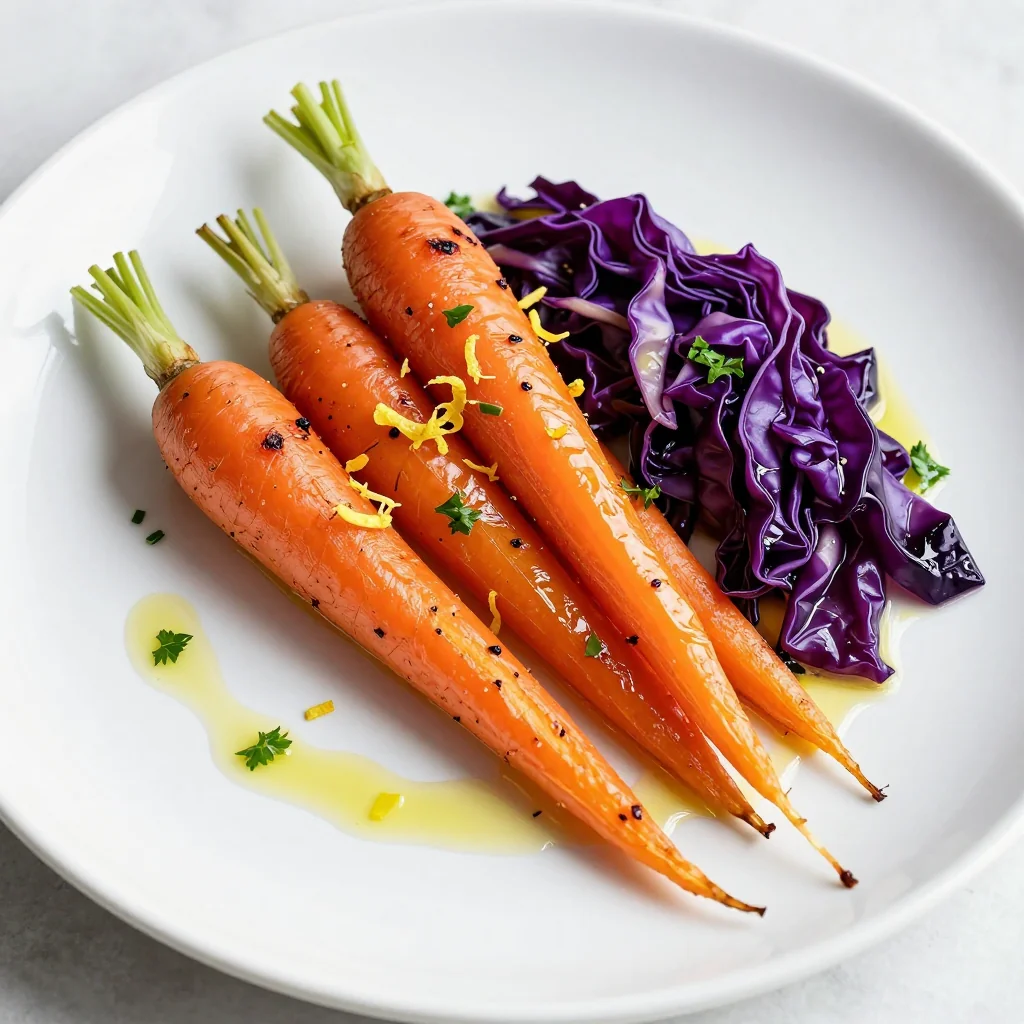
Detox Lemon Roasted Carrots & Cabbage
Ingredients
Instructions
- Preheat oven: Position racks in upper and lower thirds of oven. Preheat to 425°F (220°C). Line two large rimmed baking sheets with parchment paper.
- Prepare marinade: In a small bowl, whisk together olive oil, juice and zest of 2 lemons, minced garlic, grated ginger, honey, turmeric, black pepper, and sea salt until well combined.
- Coat vegetables: In a large bowl, toss carrots and cabbage with the marinade until every piece is well coated. Reserve any remaining marinade.
- Arrange on pans: Spread vegetables in a single layer on prepared baking sheets, ensuring pieces don't touch. Place cabbage wedges cut-side down for maximum caramelization.
- Roast: Roast for 25 minutes, then remove pans, flip vegetables, and brush with reserved marinade. Rotate pans between racks.
- Continue roasting: Roast another 15-20 minutes until carrots are tender and caramelized, and cabbage has crispy edges.
- Serve: Transfer to a serving platter, squeeze fresh lemon juice over top, garnish with herbs, and serve hot or at room temperature.
Recipe Notes
Don't overcrowd the pans – use three if necessary for even roasting. Vegetables keep for 5 days refrigerated and taste even better the next day. For meal prep, double the batch and portion into containers for easy weekday sides.