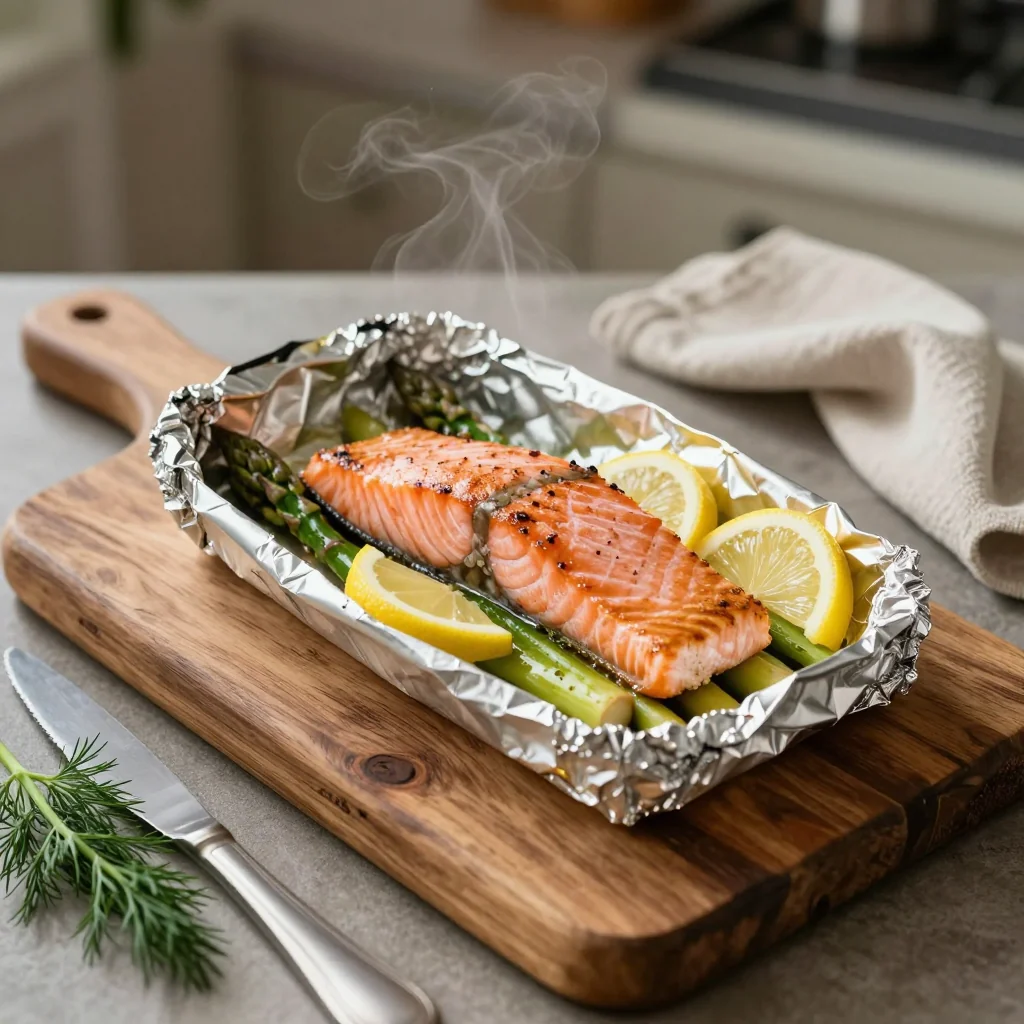
A bright, buttery salmon dish wrapped in foil that locks in flavor, perfect for a quick weeknight dinner.
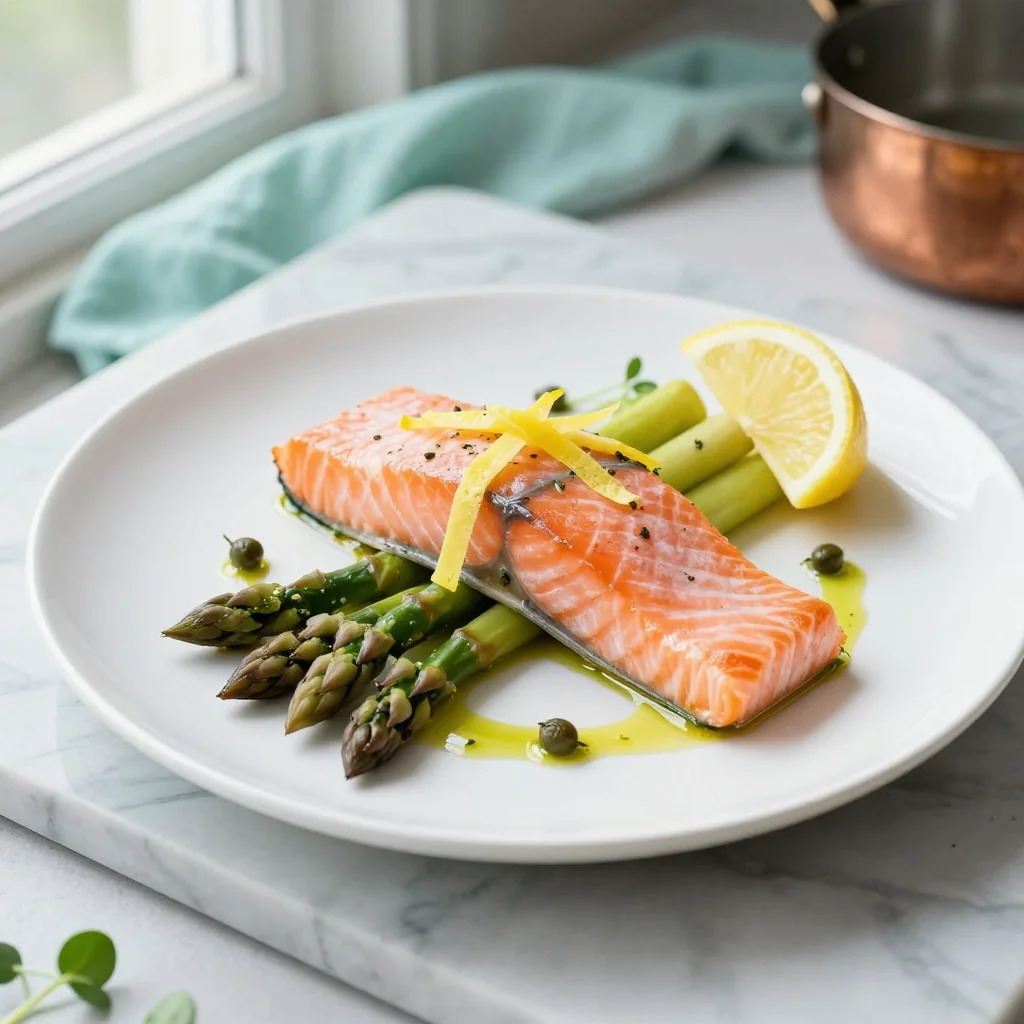
I still remember the first time I tasted a perfectly cooked salmon wrapped in foil, the steam swirling with citrus and fresh asparagus. It was a breezy summer evening on the coast of Maine, and the simple yet elegant presentation reminded me that the best meals often require the fewest steps. That memory sparked countless experiments in my kitchen, each one trying to capture that same balance of buttery fish, bright lemon, and crisp green spears.
This dish hails from the classic French technique of “en papillote,” where ingredients are sealed in parchment or foil to steam in their own juices. While the method is centuries old, it translates beautifully to modern, health‑focused cooking, especially when you substitute heavy butter with a drizzle of olive oil and let the lemon do the heavy lifting.
In this tutorial you’ll learn how to prep the salmon and asparagus, assemble the foil packets, and achieve a tender, flaky result every single time. I’ll also share my favorite seasoning blend, timing tricks, and plating ideas that turn a humble weeknight dinner into a restaurant‑worthy experience.
So grab your foil, fire up the oven, and let’s dive into a recipe that brings the sea to your table with minimal fuss and maximum flavor.
🌟 Why This Recipe Will Capture Your Heart
This salmon foil packet is more than a meal; it’s a celebration of simplicity, nutrition, and flavor harmony.
- ✨ Effortless Clean‑Up: The foil seals in juices and prevents splatters, meaning you spend less time washing dishes and more time savoring.
- ✨ Nutrient‑Rich: Salmon delivers omega‑3 fatty acids, while asparagus adds fiber, folate, and a subtle earthy crunch.
- ✨ Flavor Infusion: Lemon zest and juice permeate every bite, creating a bright, aromatic profile without the need for heavy sauces.
- ✨ Versatile Cooking Method: Whether you bake, grill, or even use a campfire, the packet holds up, making it ideal for indoor and outdoor adventures.
- ✨ Portion Control Made Simple: Each foil packet is a single serving, helping you keep calories in check and ensuring consistent results.
- ✨ Impressive Presentation: The sealed packet opens with a puff of steam, revealing a glossy, perfectly cooked salmon that looks as good as it tastes.
🥗 Ingredients
📝 Complete Ingredient List
For the Salmon Packets:
For the Asparagus:
For the Light Citrus Glaze (optional):
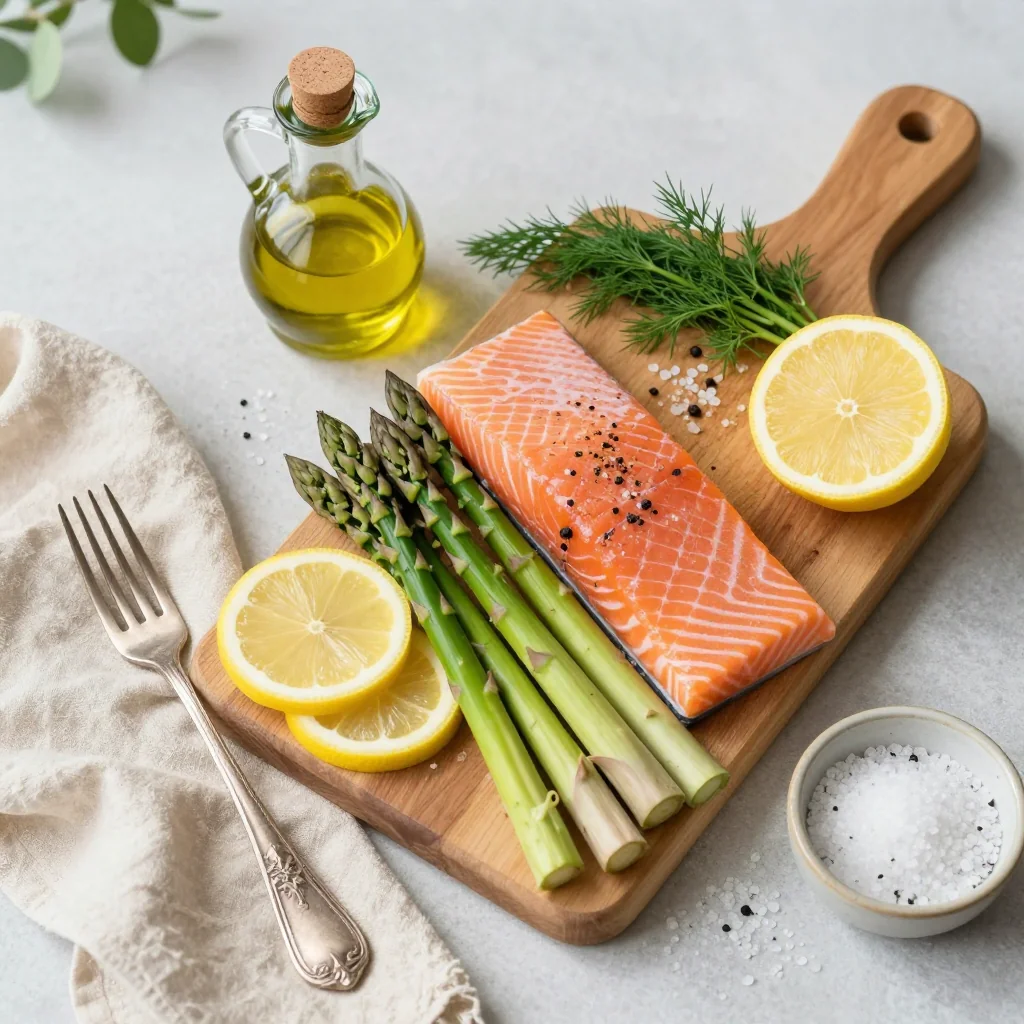
🔍 Focus on Key Ingredients
Salmon Fillet
Salmon is the star of this dish, providing a buttery texture and a rich source of omega‑3 fatty acids that support heart health. When selecting fillets, look for a vibrant pink hue and a firm flesh that springs back when pressed. Wild‑caught varieties tend to have a deeper flavor profile compared to farmed, though both work well if you prefer a milder taste.
Asparagus
Asparagus adds a bright, slightly grassy contrast to the richness of the salmon. Choose spears that are uniformly thick and have tight, closed tips; these will stay tender yet retain a pleasant snap after steaming. Trim the woody ends by bending each spear until it naturally snaps—this removes the tough portion without waste.
Lemon
Lemon provides acidity that cuts through the natural oil of the fish, brightening every bite. Using both zest and thin slices ensures aromatic oils are released during cooking, while the juice adds a subtle tang. For an extra burst, finish the dish with a drizzle of fresh lemon juice just before serving.
🔄 Quick Substitutions
| If you don’t have... | Use instead... |
|---|---|
| Fresh dill | Dried dill (¼ tsp) |
| Olive oil | Avocado oil |
| White wine | Chicken broth |
👨🍳 Step‑by‑Step Instructions
Follow these detailed steps to create perfectly steamed salmon packets that are both juicy and fragrant.
📋 Phase 1: Preparation and Mise en Place
Gather all ingredients and pre‑heat the oven before you start assembling the packets.
Preheat the Oven
Set your oven to 400°F (200°C) and let it fully preheat while you prep the fish and vegetables. A properly heated oven ensures the steam builds quickly inside each foil packet, cooking the salmon evenly.
Trim and Rinse Asparagus
Rinse the asparagus under cold water, snap off the woody ends, and pat dry with a kitchen towel. Cut any spears longer than 8 inches in half so that they fit neatly on the foil.
Season the Salmon
Pat the salmon fillets dry with paper towels. Drizzle each fillet with ½ tbsp of olive oil, then sprinkle sea salt, black pepper, and half of the fresh dill over the top. Lay a few thin lemon slices on each piece for an extra aromatic layer.
🔥 Phase 2: Assembly and Cooking
Create sealed foil packets that trap steam, flavor, and moisture.
Prepare Foil Sheets
Cut four large pieces of heavy-duty aluminum foil, each about 12 × 12 inches. Place a salmon fillet in the center of each sheet, then arrange a handful of asparagus spears alongside the fish.
Add Remaining Flavors
Drizzle ½ tbsp olive oil over the asparagus, sprinkle lemon zest, and add a pinch of red pepper flakes if you like a subtle heat. Fold the foil over the ingredients, sealing the edges tightly by folding them inward twice, creating a tight packet.
Bake the Packets
Place the sealed packets on a baking sheet and bake for 12‑15 minutes, depending on the thickness of your salmon. The fish is done when it flakes easily with a fork and the interior reaches an internal temperature of 145°F (63°C).
✨ Phase 3: Finishing Touches and Plating
Finish the dish with a quick glaze and beautiful presentation.
Make the Citrus Glaze (Optional)
While the salmon cooks, combine white wine, honey, and a squeeze of fresh lemon juice in a small saucepan. Simmer over medium heat for 3‑4 minutes until slightly thickened. Remove from heat.
Check for Doneness
Open one packet carefully to release steam. The salmon should be opaque and flake easily. If needed, return to the oven for another minute.
Plate the Dish
Transfer each salmon and asparagus bundle onto a warm plate. Drizzle the citrus glaze over the top, garnish with the remaining fresh dill, and add an extra lemon wedge for squeezing at the table.
Serve Immediately
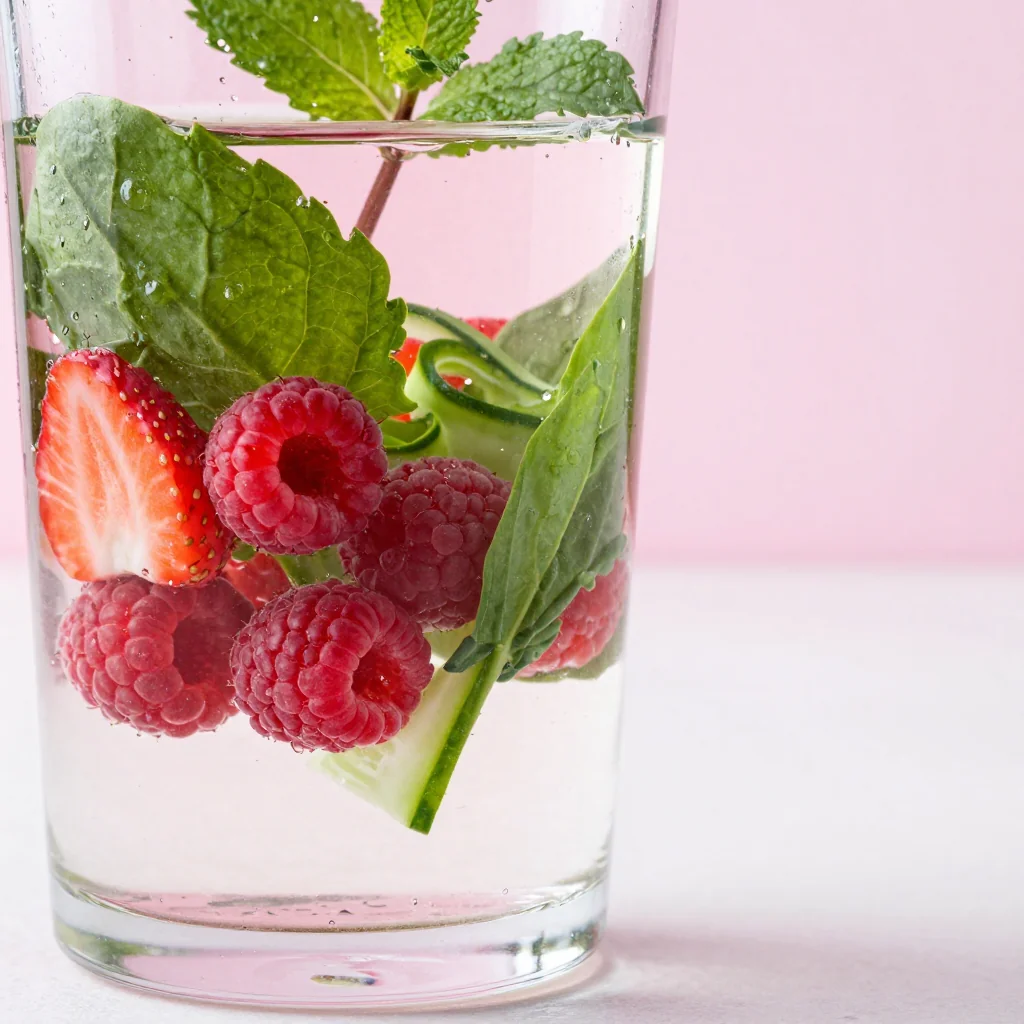
Serve the packets hot, encouraging guests to open them at the table for a dramatic steam reveal. Pair with a crisp white wine or sparkling water infused with cucumber for a refreshing finish.
💡 Expert Tips and Tricks
🛒 Choosing the Right Ingredients
When buying salmon, prioritize wild‑caught varieties for a richer flavor and higher omega‑3 content. Look for fillets that are firm to the touch and have a consistent pink color without any brown spots. For asparagus, select spears that are bright green with closed tips; the tighter the tip, the fresher the spear. Avoid any that are limp or have a woody, fibrous texture at the ends.
🔪 Preparation Techniques
Pat the salmon dry before seasoning; excess moisture can steam the fish rather than sear it, resulting in a soggy texture. Use a microplane to zest the lemon directly over the fillet to capture the essential oils. When trimming asparagus, snap the ends rather than cutting; this removes the tough portion naturally and preserves the tender middle.
🌡️ Mastering the Cooking Process
The foil packet acts as a miniature oven, so temperature control is crucial. Bake at 400°F (200°C) for 12‑15 minutes, adjusting time based on fillet thickness (thicker cuts need a minute or two more). If you prefer a slightly charred finish, open the packets for the final two minutes and place them under the broiler, watching closely to avoid burning.
🍽️ Presentation and Service
For a restaurant‑style reveal, serve each packet on a shallow white plate and let diners open them at the table. The steam carries the lemon aroma, creating an interactive experience. Finish with a sprinkle of fresh dill and a lemon wedge for a pop of color. Pair with a light side such as quinoa or a mixed green salad to balance the richness.
🏆 Pro Chef Secrets
Professional chefs differentiate their dishes through precision, timing, and subtle flavor layering.
- 🎯 Brining the Salmon: Lightly brine the fillets in a solution of 1 tbsp salt per cup of water for 10 minutes. This enhances moisture retention, resulting in a juicier final product.
- 🎯 Using a Flavor‑Infused Oil: Infuse the olive oil with crushed garlic and a pinch of thyme for 5 minutes before drizzling over the fish. The gentle infusion adds depth without overwhelming the delicate salmon.
- 🎯 Temperature Mapping: Place a thin metal probe in the center of the thickest part of the fillet. When it reads 145°F (63°C), the salmon is perfectly cooked—no guesswork needed.
- 🎯 Layered Citrus: Combine lemon zest, juice, and a splash of orange zest in the glaze. The orange adds a subtle sweetness that balances the acidity.
- 🎯 Controlled Steam Release: When opening the foil, do it over a shallow bowl to catch any excess liquid, which can be spooned back over the fish for added moisture.
- 🎯 Plate Temperature: Warm the serving plates in the oven for a few minutes before plating. A warm plate keeps the salmon at the ideal serving temperature longer.
“Cooking is about balance—balance of flavors, textures, and emotions.” — Thomas Keller
🔄 Variations and Adaptations
This recipe is a versatile canvas. Below are several ways to tailor it to different dietary preferences, flavor profiles, and occasions.
🥬 Vegetarian/Vegan Version
Replace salmon with thick slices of marinated tofu or tempeh. Marinate the tofu in soy sauce, maple syrup, and a splash of lemon juice for at least 30 minutes before assembling the packets. The tofu absorbs the citrus steam beautifully, providing a protein‑rich alternative.
- Substitution 1: 400 g firm tofu, sliced ½‑inch thick.
- Substitution 2: 300 g tempeh, cut into rectangles and lightly steamed before seasoning.
🌶️ Flavor Variations
Experiment with global spice blends to transform the dish’s character while keeping the foil‑steaming method intact.
Spicy Chipotle Version:
Add 1 tsp chipotle powder to the olive oil drizzle and a few slices of fresh jalapeño to the packet for a smoky heat.
Mediterranean Version:
Swap dill for fresh oregano, add sliced olives and a handful of cherry tomatoes, and finish with a drizzle of balsamic reduction.
Asian‑Inspired Version:
Use a splash of soy sauce, a teaspoon of grated ginger, and a sprinkle of toasted sesame seeds. Finish with a drizzle of honey‑soy glaze after baking.
⚠️ Dietary Adaptations
Gluten‑Free:
All ingredients are naturally gluten‑free. Ensure the white wine or broth used in the glaze is certified gluten‑free.
Lactose‑Free:
No dairy is required; this recipe is already lactose‑free.
Low‑Calorie:
Reduce olive oil to 1 tsp, omit honey from the glaze, and serve with a side of steamed cauliflower rice to keep the meal under 300 kcal per serving.
👶 Family/Kids Version
Kids often prefer milder flavors. Omit the red pepper flakes and use a sweeter glaze made with a touch more honey and orange juice. Cut the asparagus into bite‑size pieces and serve with a side of buttered noodles for a familiar comfort.
📦 Storage and Reheating
🧊 Conservation
Refrigerator:
- Duration: 3 days
- Recommended container: Airtight glass container or resealable bag.
- Tip: Store the glaze separately to avoid soggy asparagus.
Freezer:
- Duration: 2 months
- Method: Freeze the sealed foil packets (unopened) on a flat tray, then transfer to a zip‑top bag.
- Defrosting: Thaw overnight in the refrigerator before reheating.
💡 For best texture, reheat only once; repeated heating can dry out the fish.
♨️ Reheating
🔥 Oven (Recommended):
- Preheat to 325°F (160°C).
- Place the foil packet on a baking sheet.
- Reheat for 10‑12 minutes, until the interior reaches 140°F (60°C).
- Open the packet, drizzle any remaining glaze, and serve.
⚡ Microwave (Quick):
- Transfer the salmon and asparagus to a microwave‑safe dish.
- Cover with a microwave‑safe lid or vented plastic wrap.
- Heat on medium power for 2‑3 minutes, checking halfway.
- Stir gently to distribute moisture before serving.
🍳 Stovetop:
Add a splash of water to a skillet, cover, and gently steam the salmon for 5‑6 minutes over low heat. This method retains moisture and revives the lemon aroma.
🍷 Perfect Pairings
🥗 Side Dishes
- Quinoa Pilaf: Lightly flavored with lemon zest and parsley, it absorbs the citrus juices beautifully.
- Mixed Green Salad: Tossed with a vinaigrette of white wine vinegar, honey, and Dijon mustard for a refreshing contrast.
- Herbed Couscous: Fluffy couscous with chopped mint and a drizzle of olive oil complements the salmon’s richness.
🍷 Wine & Beverage Matches
- Sauvignon Blanc: Its crisp acidity mirrors the lemon and cuts through the salmon’s oil.
- Pinot Grigio: Light and mineral, it enhances the fresh herbs without overwhelming the palate.
- Non‑Alcoholic: Sparkling water infused with cucumber and a splash of lime offers a clean, palate‑cleansing option.
🍰 To Complete the Meal
Begin with a simple citrus‑yoghurt starter, followed by the salmon main, and finish with a light lemon sorbet or a vanilla bean panna cotta. The continuity of citrus notes ties the courses together while keeping the overall menu light and elegant.
❓ Frequently Asked Questions
Q: Can I use parchment paper instead of foil?
Yes, parchment works well for “en papillote.” It allows steam to escape slightly, producing a softer texture. If you prefer a tighter seal, foil is the better choice, but parchment is a great gluten‑free alternative.
Q: How do I know if the salmon is cooked perfectly?
The fish should flake easily with a fork and appear opaque throughout. An instant‑read thermometer should register 145°F (63°C) at the thickest part. If you prefer a slightly pink center, aim for 130‑135°F, but be aware of food safety guidelines.
Q: What if I don’t have fresh asparagus?
Frozen asparagus works in a pinch; thaw it first and pat dry. You may need to increase the cooking time by a minute or two to ensure it becomes tender. Alternatively, substitute with green beans or broccolini for a similar crunch.
Q: Can I add other vegetables?
Absolutely. Thinly sliced carrots, zucchini ribbons, or bell pepper strips all steam nicely in the packet. Keep the pieces uniform in size for even cooking, and adjust the seasoning to complement the added flavors.
Q: How can I make the dish spicier?
Increase the amount of crushed red pepper flakes, add a sliced jalapeño, or incorporate a dash of sriracha into the glaze. For a deeper heat, mix a teaspoon of harissa paste with the olive oil before drizzling over the salmon.
Q: Is it possible to prepare this recipe ahead of time?
Yes, you can assemble the foil packets up to 24 hours in advance and keep them refrigerated. Just be sure to seal them tightly and store them on a tray to prevent any leaks. Bake them directly from the fridge, adding a couple of minutes to the cooking time.
🎉 Let’s Get Cooking!
This Salmon with Asparagus and Lemon Foil Packet combines simplicity, nutrition, and elegance in one tidy package. By mastering the foil‑steaming technique, you’ll unlock a world of effortless meals that retain moisture, flavor, and visual appeal. Whether you’re feeding a busy family, impressing guests, or preparing a meal prep for the week, this recipe delivers consistent, restaurant‑quality results with minimal cleanup.
I encourage you to experiment with the suggested variations—swap herbs, add a dash of spice, or turn it vegetarian. Share your personal twists in the comments, and let the community inspire each other. Happy cooking, and may your kitchen always be filled with the bright aroma of lemon and fresh herbs!
Have you tried this recipe?
Leave a comment and rating below! Share your photos on Instagram with #FoilSalmonDelight to be featured on our blog.
Salmon with Asparagus and Lemon Foil Packet
A bright, buttery salmon dish wrapped in foil that locks in flavor, perfect for a quick weeknight dinner.
📝 Ingredients
Salmon Packets
Asparagus
Citrus Glaze (optional)
👨🍳 Instructions
Preheat oven to 400°F (200°C) while you prepare the ingredients.
Trim asparagus, pat dry, and cut longer spears in half.
Season salmon with olive oil, salt, pepper, dill, and lemon slices.
Place salmon and asparagus on foil sheets, drizzle with oil, zest, and optional pepper flakes.
Seal the foil packets tightly and place on a baking sheet.
Bake for 12‑15 minutes, checking for flaky, opaque flesh.
If using, simmer white wine, honey, and lemon juice to make a glaze.
Remove packets, drizzle glaze, garnish with fresh dill and extra lemon wedges.
Serve immediately with your chosen side dishes.
Enjoy and share your photos using #FoilSalmonDelight!
🥗 Nutrition Facts (per serving)
*Values are estimates based on standard ingredient sizes.



💬 Comments & Reviews
Leave a Comment
[Comments will appear here]