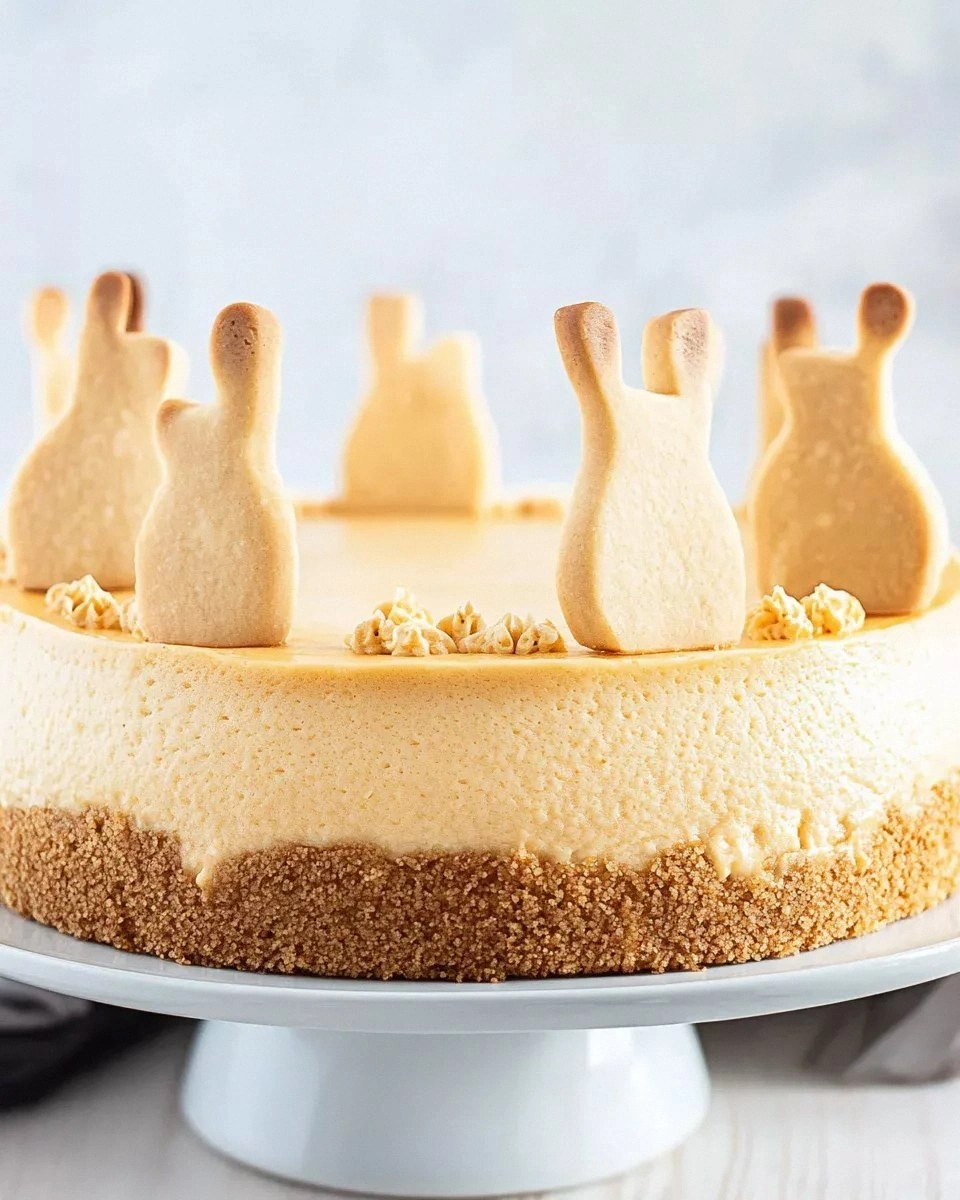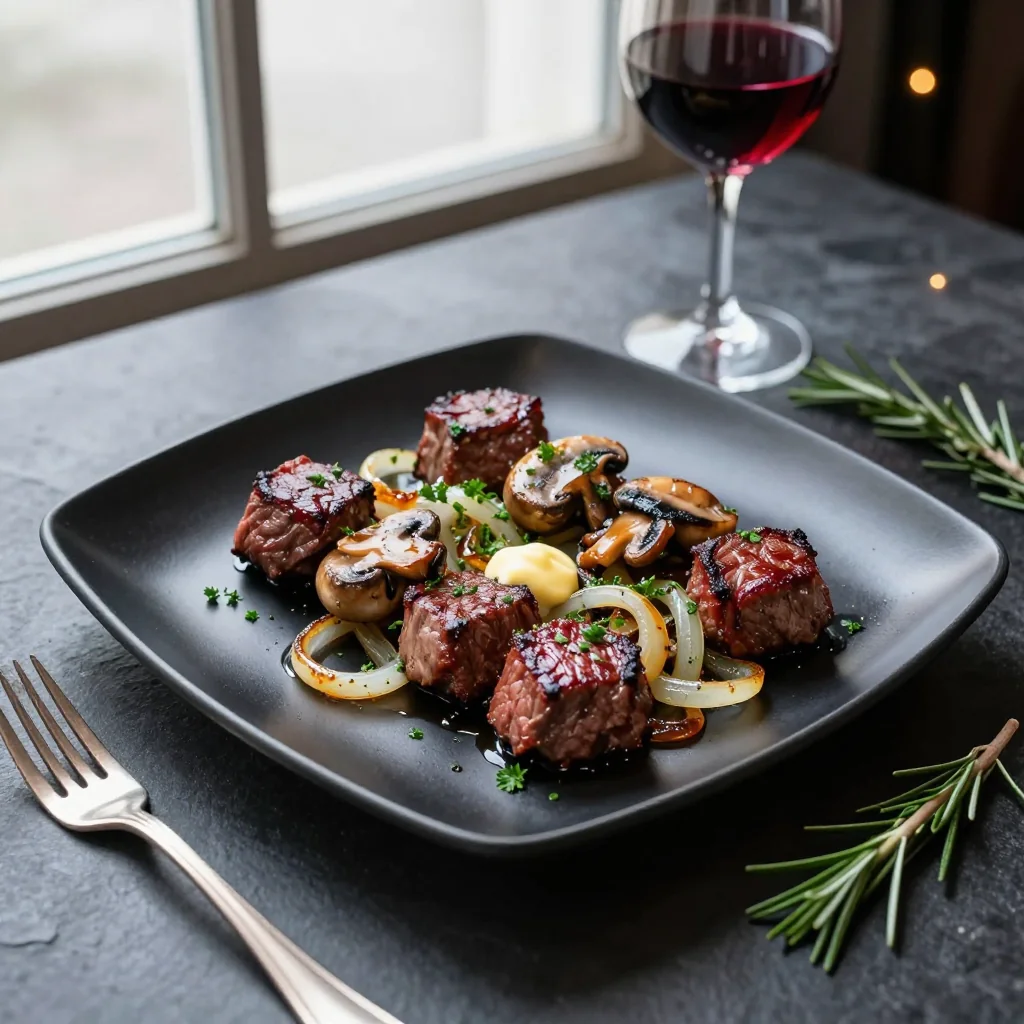
Okay, picture this: I was mid‑April, the house smelling like fresh‑cut grass, when my neighbor dared me to create something that would make the Easter table look like a runway. I laughed, grabbed the nearest butter, and set off on a culinary adventure that ended with a kitchen coated in pastel speckles and a lingering aroma that could convince even the most stoic aunt to break out the fancy china. The first attempt was a disaster—a bland, flat cake that tasted like a cardboard box left in the sun. I was about to give up when a sudden flash of inspiration hit me like a spring thunderstorm: what if I combined a classic sponge with a light, airy frosting and a cheeky speckled glaze?
The moment I whisked the first batch of egg whites, the kitchen filled with a soft, buttery perfume that reminded me of a bakery at dawn. I could hear the faint crackle of the mixer, see the glossy sheen of the batter, and feel the coolness of the butter melting into a silky pool. As the cake baked, the oven door whispered a low hum, and the timer ticked down like a countdown to a fireworks show. When I finally pulled the golden‑brown cake out, its edges were just the right shade of caramel, and the top was begging for a splash of color.
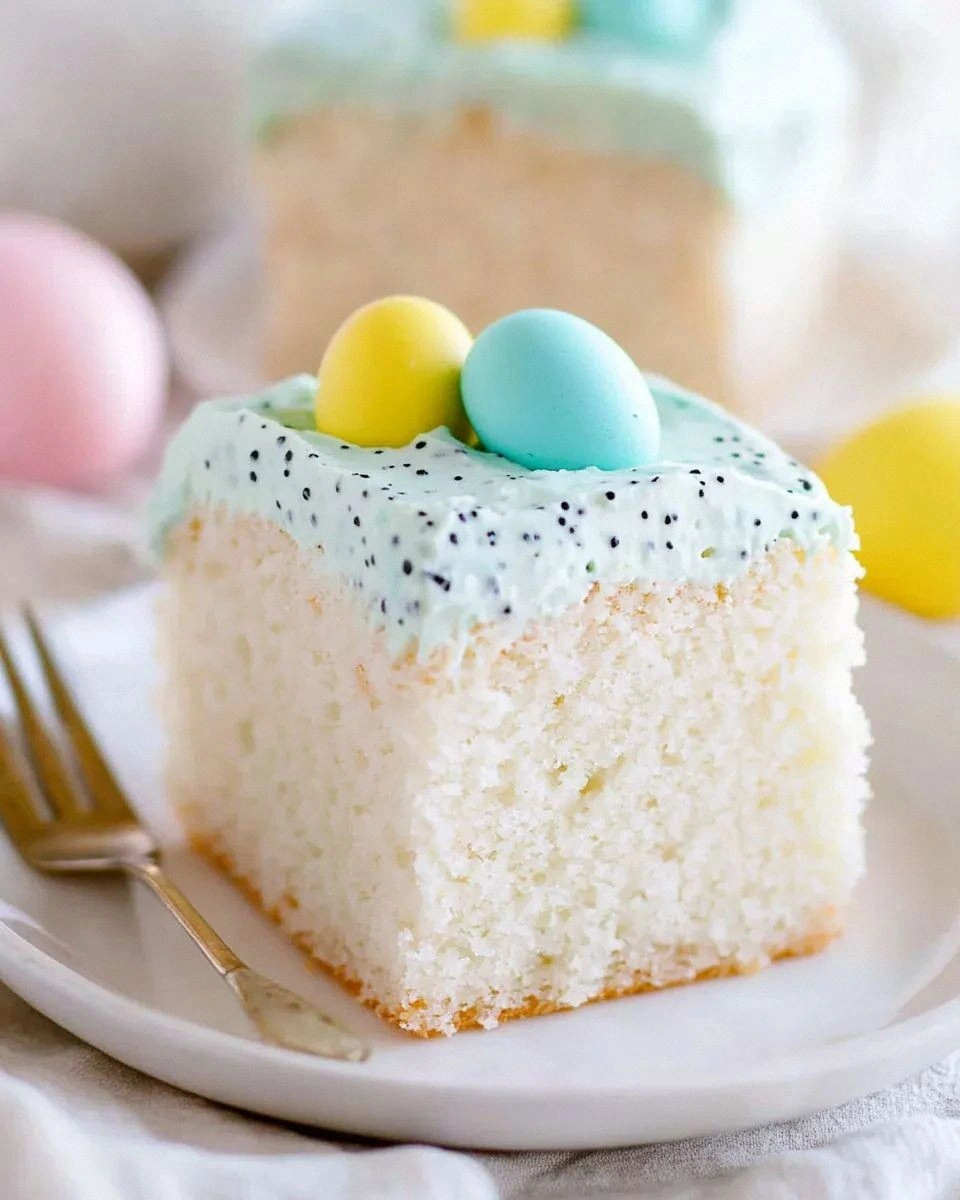
Most recipes for Easter cakes get the texture wrong—either too dense or too crumbly. This version, however, hits the sweet spot with a crumb that’s as tender as a spring breeze and a frosting that clings like a gentle hug. The secret? A double‑butter base, a whisper of almond extract, and a sky‑blue speckle that looks like a handful of tiny Easter eggs frozen in frosting. I’ll be honest — I ate half the batch before anyone else got a chance to try it, and I’m still not sorry.
What truly sets this treat apart is a tiny, almost mischievous addition: three drops of sky‑blue food coloring mixed into the frosting, creating a speckled effect that’s both whimsical and elegant. I dare you to taste this and not go back for seconds; the combination of buttery sponge, airy frosting, and that subtle cocoa‑kissed speckle will have you reaching for another slice before the first one even cools. Picture yourself pulling this out of the oven, the whole kitchen smelling incredible, and the first bite melting on your tongue like a cloud of spring sunshine.
Let me walk you through every single step — by the end, you’ll wonder how you ever made it any other way. Okay, ready for the game‑changer? This next part? Pure magic.
What Makes This Version Stand Out
- Flavor Explosion: The almond extract and a hint of cocoa create a depth that ordinary Easter cakes lack, making each bite a surprise party for your palate.
- Texture Harmony: A light, airy sponge meets a silky, buttery frosting that stays soft even after hours, thanks to the double‑butter technique.
- Simplicity Meets Sophistication: You only need basic pantry staples, yet the result looks like it came from a five‑star patisserie.
- Unique Speckle Effect: The sky‑blue speckles are not just decorative; they add a subtle citrus note that brightens the whole cake.
- Crowd‑Pleaser: Even the pickiest eaters, from toddlers to grandparents, can’t resist the gentle sweetness and playful look.
- Ingredient Quality: Using cake flour and unsalted butter ensures a tender crumb without any unwanted salty aftertaste.
- One‑Pan Efficiency: The entire cake bakes in a single pan, minimizing cleanup and maximizing flavor melding.
- Make‑Ahead Potential: The cake stays fresh for three days, and the frosting can be frozen for up to a month without losing its airy texture.
Alright, let's break down exactly what goes into this masterpiece...
Inside the Ingredient List
The Flavor Base
The first hero is the 1/4 cup unsalted butter melted into the batter. This butter provides a rich, creamy foundation that carries the almond extract’s floral notes. If you swap it for margarine, expect a waxy mouthfeel and a faint aftertaste that will ruin the delicate balance. For the best flavor, use European‑style butter with a higher butterfat content.
Next up, 1 cup granulated sugar does more than sweeten; it also helps create a tender crumb by breaking down the gluten in the flour. Using superfine sugar can speed up dissolution, but regular granulated works just fine. If you’re watching sugar, you can reduce it to ¾ cup, though the cake will lose some of its signature golden crust.
The Texture Crew
We rely on 1 1/2 cups cake flour for that feather‑light texture. Cake flour’s lower protein content means less gluten, giving you that melt‑in‑your‑mouth feel. If you only have all‑purpose flour, replace 2 tablespoons per cup with cornstarch to mimic cake flour’s softness.
The 2 teaspoons baking powder act as the leavening engine, creating those tiny air pockets that lift the cake. Over‑mixing the batter can deflate these bubbles, so fold gently after adding the dry ingredients. A common mistake is using baking soda instead—don’t do that unless you also add an acid like buttermilk.
Four large egg whites are the secret to the cake’s airy structure. Beating them to stiff peaks before folding into the batter creates a foam that expands in the oven, giving the cake its lofty height. If you’re short on time, a quick whisk on high speed for 3‑4 minutes will do, but be careful not to over‑beat or you’ll end up with a dry, rubbery texture.
The Unexpected Star
The second butter portion—1 cup unsalted butter—is reserved for the frosting, turning it into a cloud‑like spread that never melts away. This butter should be softened at room temperature, not melted, to retain that silky mouthfeel. If you accidentally melt it, chill it briefly before whipping to recover the texture.
Adding 1 teaspoon almond extract introduces a subtle nutty aroma that pairs beautifully with the cocoa speckles. It’s a small amount, but it packs a punch; too much can overwhelm the palate, so measure carefully.
For the frosting’s shine, 3 drops sky/light blue food coloring are mixed in. This tiny amount creates a speckled effect without turning the entire frosting blue. If you prefer a different hue, just adjust the drops accordingly, but keep it subtle for that Easter‑egg vibe.
The Final Flourish
The frosting’s sweet backbone is 2 cups powdered sugar, which dissolves effortlessly into the butter, creating a smooth, glossy finish. Sift it to avoid lumps—any grainy texture will ruin the frosting’s silkiness.
A splash of 2 tablespoons heavy whipping cream adds moisture and a luxurious mouthfeel, preventing the frosting from becoming too stiff. If you’re dairy‑free, substitute with coconut cream, but expect a faint coconut flavor.
We finish the frosting with a double dose of vanilla: 1 teaspoon vanilla extract for the batter and 1 1/2 teaspoons vanilla extract for the frosting. This layered vanilla approach gives depth, making each bite feel like a warm hug.
Lastly, a pinch of 1 teaspoon unsweetened cocoa powder is swirled into the frosting before the speckling, adding a subtle chocolate undertone that balances the sweetness and enhances the speckled contrast.
Everything's prepped? Good. Let's get into the real action...
The Method — Step by Step
-
Preheat your oven to 350°F (175°C) and grease a 9‑inch round cake pan with a thin layer of the 1/4 cup butter, then line the bottom with parchment. The butter not only prevents sticking but also adds a buttery crust to the edges. Feel the pan warm up as the oven heats; that gentle hum is the prelude to a perfect bake.
Kitchen Hack: For an even rise, tap the pan on the counter three times after pouring the batter to release any trapped air bubbles. -
In a medium bowl, whisk together the 1 cup granulated sugar, 0.25 cup melted butter, and 0.25 teaspoon salt until glossy. The mixture should look like a golden river flowing slowly; this is where the flavor foundation forms.
-
In a separate bowl, sift the 1.5 cups cake flour with the 2 teaspoons baking powder and 0.25 teaspoon salt. Sifting aerates the flour, preventing dense pockets in the final cake. If you skip this step, you’ll end up with a gritty texture that no one wants.
Watch Out: Over‑mixing the flour with the wet ingredients can develop gluten, leading to a tough cake. Fold gently until just combined. -
In a clean, dry bowl, beat the 4 egg whites on medium speed until they form soft peaks. Add a pinch of cream of tartar if you have it; it stabilizes the foam. When you lift the beaters, the peaks should stand up but still wobble slightly—this is the sweet spot.
-
Combine the wet sugar‑butter mixture with the dry flour mixture, alternating with 0.25 cup whole milk. Start and end with the dry ingredients, mixing just until no flour streaks remain. The batter should be smooth, glossy, and just a tad thick—like a thick pancake batter.
-
Gently fold the whipped egg whites into the batter in three additions, using a spatula and a lifting motion. This step is crucial; you’re preserving the air bubbles that will lift the cake. The batter will become lighter and fluffier with each fold, resembling a cloud ready to burst.
-
Pour the batter into the prepared pan, smoothing the top with a spatula. Bake for 25‑30 minutes, or until a toothpick inserted into the center comes out clean and the edges start pulling away from the pan. The kitchen will fill with a warm, buttery scent that tells you the cake is nearly ready.
Kitchen Hack: Rotate the pan halfway through baking for an even golden top, especially if your oven has hot spots. -
While the cake cools, prepare the frosting. In a large bowl, beat the 1 cup softened butter until pale and fluffy, about 2‑3 minutes on medium‑high. Add the 2 cups powdered sugar gradually, beating after each addition to keep the mixture smooth.
-
Stir in the 2 tablespoons heavy whipping cream, 1 teaspoon vanilla extract (for frosting), and the 1.5 teaspoons vanilla extract (extra flavor boost). Then, sift in the 1 teaspoon unsweetened cocoa powder and blend until fully incorporated. The frosting should be light, glossy, and have a faint chocolate aroma.
-
Drop the 3 drops of sky‑blue food coloring into a small spoonful of the frosting and swirl gently to create a speckled marbled effect. The speckles should look like tiny droplets of sky frozen in cream—no need to over‑mix; the contrast is what makes it magical.
-
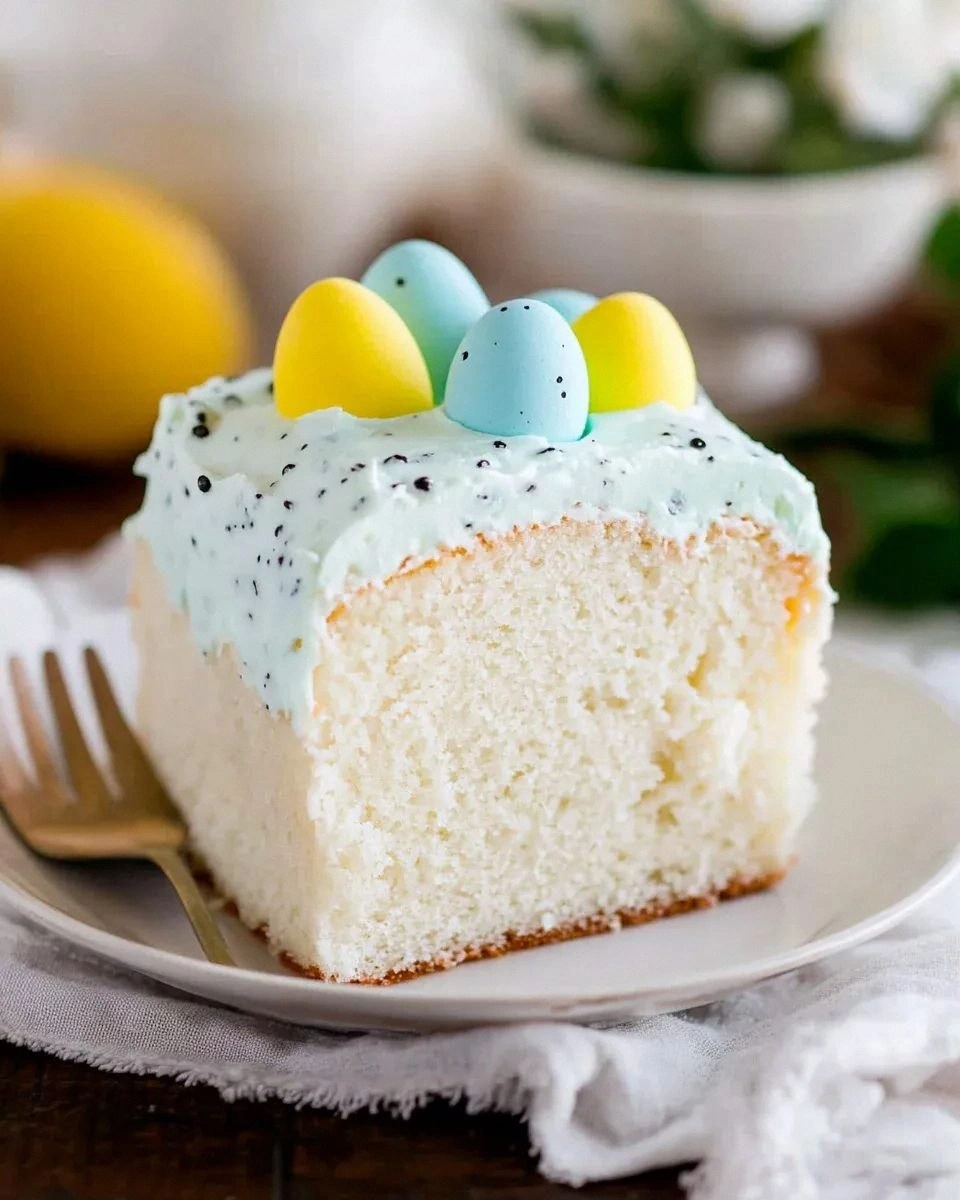
Once the cake has cooled completely on a wire rack, spread a thin crumb coat of frosting over the top and sides, then chill for 10 minutes to set. After chilling, apply a final generous layer of the speckled frosting, smoothing with an offset spatula. The final product should be glossy, with speckles catching the light like morning dew on Easter grass.
That’s it — you did it. But hold on, I’ve got a few more tricks that'll take this to another level...
Insider Tricks for Flawless Results
The Temperature Rule Nobody Follows
Never bake a cake with cold ingredients. Let the butter, milk, and eggs sit at room temperature for at least 30 minutes before you start. This ensures even mixing and a uniform rise. I once tried a rushed version and ended up with a dome that cracked like a dry leaf.
Why Your Nose Knows Best
When the cake is about 20 minutes in, start sniffing. If you detect a sweet, caramelizing aroma, the cake is nearing perfection. Trust that nose signal more than the timer; ovens vary, and your senses are the ultimate gauge.
The 5‑Minute Rest That Changes Everything
After the first frosting layer, let the cake rest for exactly five minutes before adding the final coat. This short pause lets the crumb settle, preventing the frosting from sliding off. A friend tried to skip this step once—let’s just say the frosting slid off like a bad haircut.
Silky Frosting Secrets
For an ultra‑silky frosting, sift the powdered sugar twice before adding it to the butter. This extra sift removes any clumps that could turn your frosting grainy. The result is a cloud‑like spread that holds its shape without cracking.
Speckle Control
When creating the speckled effect, use a tiny spoon to drop the blue coloring. Too much liquid will bleed, turning the frosting a uniform pastel. The tiny droplets are the stars; they give the cake that whimsical Easter‑egg appearance.
Creative Twists and Variations
This recipe is a playground. Here are some of my favorite ways to switch things up:
Lemon Zest Burst
Swap the almond extract for 1 teaspoon of freshly grated lemon zest and add a tablespoon of lemon juice to the batter. The citrus brightens the cake, making it perfect for spring brunches. Top with a light lemon glaze for an extra zing.
Chocolate‑Covered Delight
Replace the sky‑blue speckles with a drizzle of melted dark chocolate and sprinkle crushed chocolate-covered espresso beans on top. The bitter chocolate balances the sweet frosting, creating a sophisticated flavor contrast that adult guests love.
Berry‑Infused Frosting
Fold ¼ cup of pureed fresh strawberries into the frosting and swap the cocoa powder for a pinch of freeze‑dried raspberry powder. The pink hue pairs beautifully with the blue speckles, making a visually stunning cake that tastes like a berry meadow.
Nutty Crunch
Toast ¼ cup of finely chopped hazelnuts and fold them into the batter for a subtle crunch. The nutty aroma pairs wonderfully with the almond extract, giving the cake a deeper, more complex flavor profile.
Vegan Version
Replace both butters with equal parts coconut oil, use aquafaba (the liquid from a can of chickpeas) whipped to stiff peaks instead of egg whites, and swap milk for almond milk. The result is a plant‑based cake that still boasts that airy texture and speckled charm.
Spiced Autumn Twist
Add ½ teaspoon of ground cinnamon and a pinch of nutmeg to the batter, and swap the sky‑blue speckles for a warm amber food coloring. This version works beautifully for an Easter that falls in late April when the weather starts to turn.
Storing and Bringing It Back to Life
Fridge Storage
Cover the cake loosely with a dome‑shaped foil or store it in an airtight container. It will stay fresh for up to three days, and the frosting will retain its softness. Keep it away from strong‑smelling foods to avoid flavor transfer.
Freezer Friendly
Wrap the cake tightly in plastic wrap, then a layer of aluminum foil, and place it in a freezer‑safe bag. It freezes beautifully for up to two months. When you’re ready to serve, let it thaw in the fridge overnight, then bring it to room temperature for an hour.
Best Reheating Method
Before serving, place a slice on a microwave‑safe plate, add a tiny splash (about a teaspoon) of water, and microwave for 10‑15 seconds. The steam revives the crumb, making it taste freshly baked. Avoid over‑heating, or the frosting will melt.