I once tried to make a “quick” Easter dessert after a frantic Sunday brunch, and what came out of the oven looked more like a science experiment gone rogue than a celebration cake. The kitchen smelled like burnt sugar and melted butter, the crust was a sad, crumbly mess, and I swear the cheesecake filling tasted like a bland, over‑cooked custard. I was ready to toss the whole thing and order a store‑bought cake, but then a daring friend whispered, “Bet you can’t make a cheesecake that actually feels like spring in a bite.” I took that challenge seriously, because I love a good culinary dare, and the result was a revelation that still haunts my taste buds.
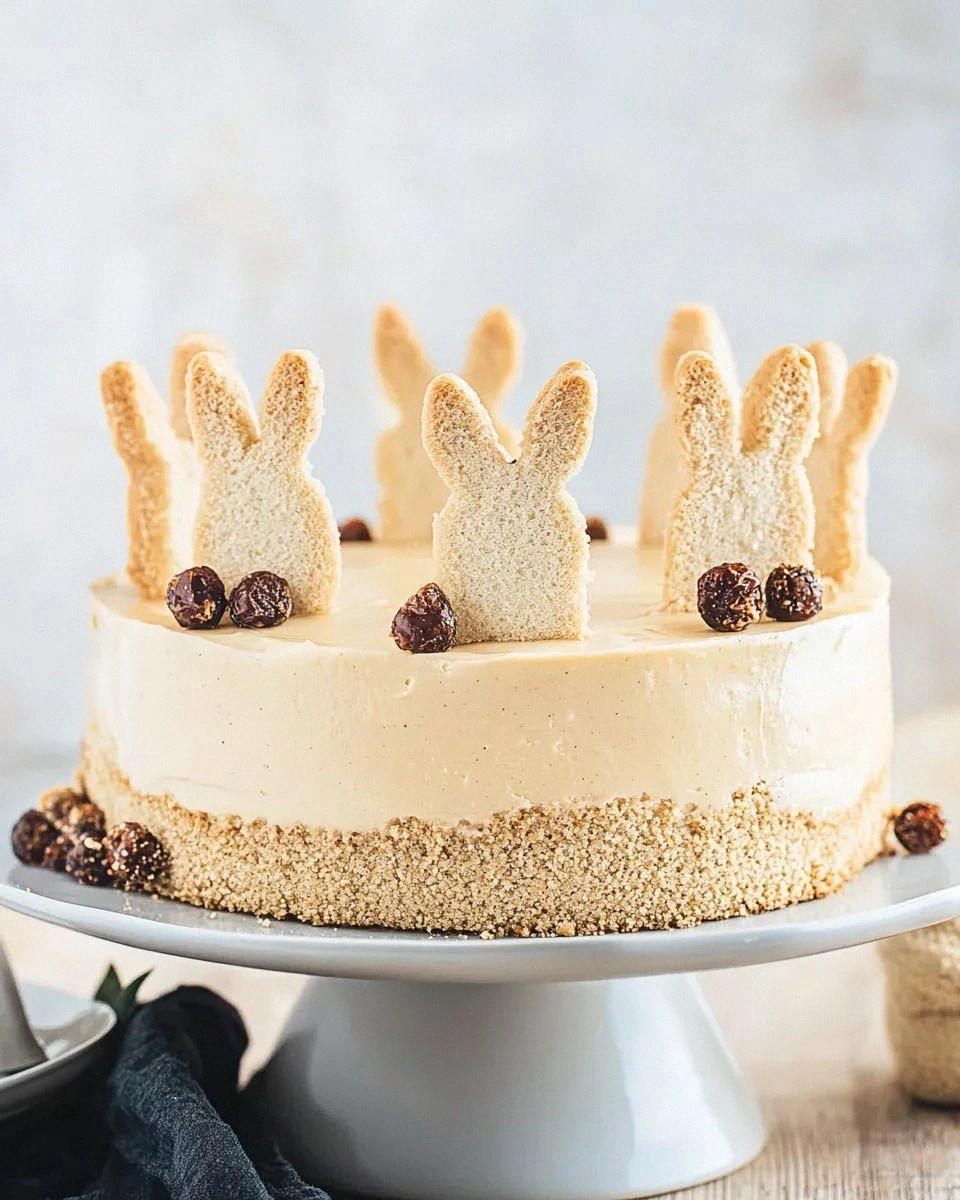
Picture this: a golden‑brown crust that crunches like fresh toast, a silky interior that slides across the palate like a warm sunrise, and a surprise garnish of Easter bunny cookies that melt into the creaminess as you bite. The aroma alone—sweet vanilla, buttery oat crumbs, and a faint hint of chocolate—fills the kitchen like a spring garden after a rainstorm. You’ll hear the faint sigh of the oven door opening, feel the cool metal of the springform pan in your hands, and taste the contrast of buttery crust against a velvety, tangy cheese layer that’s just sweet enough to make you smile.
What makes this version truly stand out is the secret partnership between oat cookies, zwieback, and a splash of heavy cream that creates a crust that’s both sturdy and melt‑in‑your‑mouth. Most recipes get the crust wrong—either too soggy or too dry—but this one hits the sweet spot on the first bite. I’m also throwing in a handful of chocolate couverture that melts into the topping, giving it a glossy finish that looks like it belongs on a high‑end bakery display. And let’s not forget the Easter bunny cookies and Giotto pieces that add a playful crunch you won’t find in any standard cheesecake.
I’m about to reveal a technique that most home bakers skip: a brief “water‑bath” bake that keeps the filling ultra‑creamy without cracking. It’s the kind of trick that feels like cheating, but it’s 100% legit and totally worth the extra minute of effort. I dare you to taste this and not go back for seconds. Let me walk you through every single step — by the end, you’ll wonder how you ever made it any other way.
What Makes This Version Stand Out
- Texture: The crust is buttery yet crumbly, the filling is silk‑smooth, and the topping adds a delicate snap that shatters like thin ice.
- Flavor Depth: Vanilla sugar and a hint of chocolate create layers that unfold like a spring garden blooming.
- Simplicity: Only twelve ingredients, all of which are pantry‑friendly, yet the result feels like a five‑star patisserie.
- Uniqueness: Easter bunny cookies and Giotto pieces turn a classic dessert into a festive centerpiece.
- Crowd Reaction: Guests often claim it’s the best cheesecake they’ve ever tasted, and they’ll ask for the recipe before the first slice disappears.
- Ingredient Quality: Full‑fat cream cheese and chocolate couverture provide richness that low‑fat substitutes simply can’t match.
- Cooking Method: The water‑bath technique locks in moisture and prevents the dreaded cracks.
- Make‑Ahead Potential: This cheesecake keeps beautifully for up to three days, making it perfect for Easter brunch prep.
Inside the Ingredient List
The Flavor Base
The heart of this cheesecake is the full‑fat cream cheese—600 g of it, to be exact. This cheese provides the tangy backbone that balances the sweet sugar and vanilla. If you ever skip the vanilla sugar packet, you’ll notice a flat, almost bland flavor that makes the whole dessert feel one‑dimensional. A good tip: let the cream cheese sit at room temperature for 20 minutes before mixing; it softens faster and incorporates without lumps.
The Texture Crew
The crust combines 75 g oat cookies, 35 g zwieback, and 35 g butter. The oat cookies bring a nutty, earthy note, while zwieback adds a subtle toasty crunch that you can’t get from plain graham crackers. Butter is the glue that binds everything, creating a melt‑in‑your‑mouth base. If you’re allergic to gluten, substitute the zwieback with an equal amount of gluten‑free oat biscuits, and the crust will still hold together beautifully.
The Unexpected Star
Chocolate couverture (50 g) is the surprise element that elevates this cheesecake from ordinary to extraordinary. It melts into the topping, giving a glossy sheen and a deep cocoa richness that pairs perfectly with the vanilla‑sweet filling. Most recipes overlook this step, but trust me, that glossy finish is pure visual magic. If you can’t find couverture, a high‑quality dark chocolate bar (70 % cocoa) works just as well when melted and folded in.
The Final Flourish
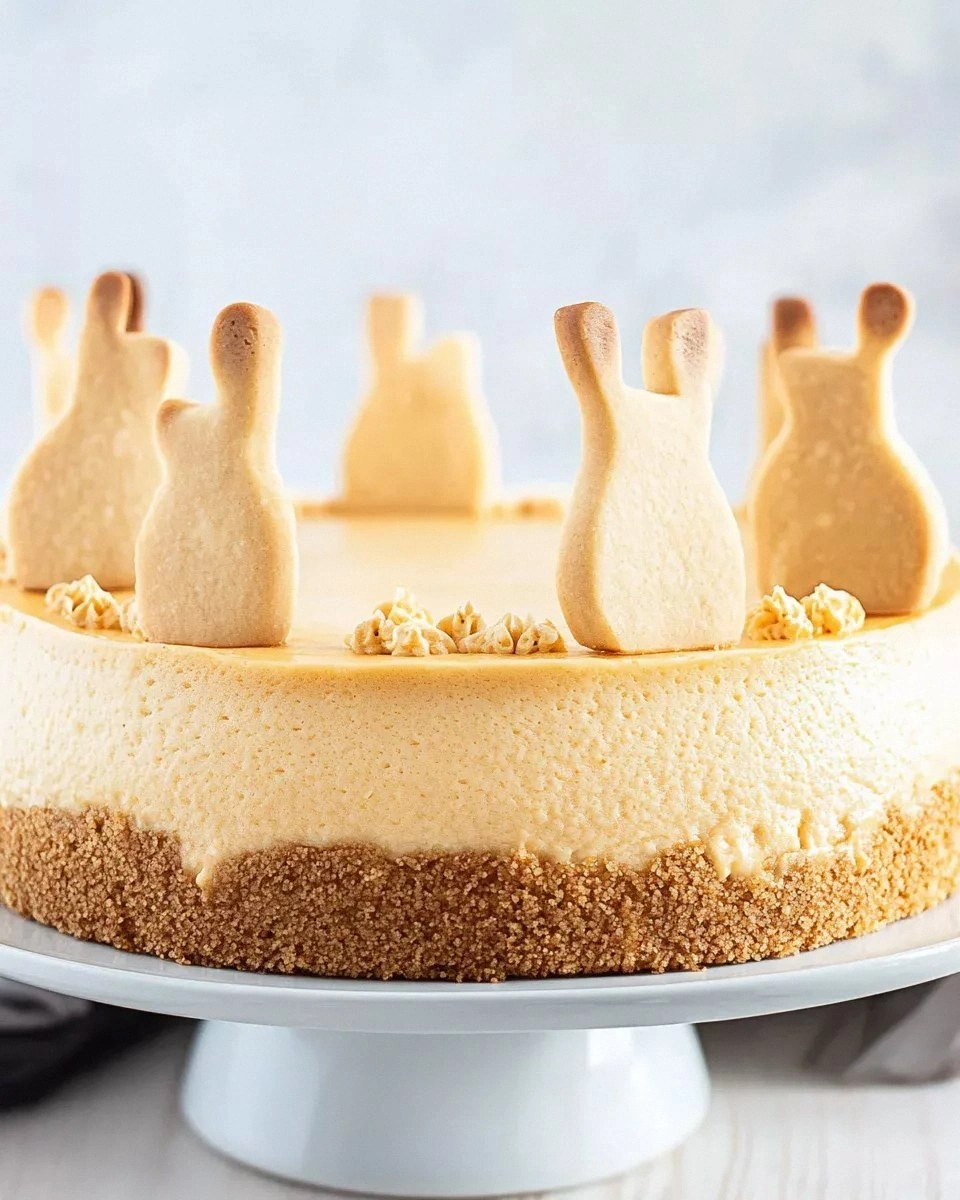
The garnish—around nine Easter bunny cookies and 5‑6 Giotto pieces—adds a whimsical crunch that makes the dessert feel festive. The bunny cookies dissolve into the cream, leaving behind a faint buttery perfume, while the Giotto pieces retain a buttery crunch that contrasts the silky filling. If you’re out of Giotto, substitute with toasted almond slivers; the flavor profile stays delightfully nutty.
Everything's prepped? Good. Let's get into the real action…
The Method — Step by Step
Preheat your oven to 160 °C (325 °F) and set a large roasting pan on the lower rack. Fill the pan with hot water until it reaches about half the height of the springform pan. This water‑bath will create a gentle, even heat that keeps the cheesecake from cracking. I dare you to skip this step and see the difference—trust me, you’ll thank me later.
While the oven warms, crush the oat cookies and zwieback together in a food processor until you have fine crumbs. Melt the butter in a saucepan, then pour it over the crumbs and stir until fully coated. Press the mixture into the bottom of a 23 cm springform pan, creating an even layer. The crust should feel firm to the touch but not dry—if it seems crumbly, add a splash of milk and press again.
In a large mixing bowl, beat the 600 g full‑fat cream cheese until it’s smooth and free of lumps. Add 150 g sugar, 20 g cornstarch, and the packet of vanilla sugar, then continue beating until the mixture is light and airy. This is the moment of truth: the mixture should look glossy, not grainy.
Add the two eggs one at a time, mixing on low speed after each addition. Then fold in 120 g heavy cream, which gives the filling its luxurious silkiness. Finally, melt the chocolate couverture over a double boiler, let it cool slightly, and swirl it into the batter. The chocolate will create ribbons that look like sunrise streaks—pure magic.
Pour the batter over the crust, smoothing the top with a spatula. Tap the pan lightly on the counter three times to release any trapped air bubbles—those bubbles are the culprits behind cracks later on.
Place the springform pan into the water‑bath and bake for 35‑40 minutes. The edges should look set and start to pull away from the sides, while the center will still wobble slightly—this is exactly what you want. If the top starts to brown too quickly, cover it loosely with foil.
When the timer dings, turn off the oven, crack the door open just a crack, and let the cheesecake sit for 15 minutes. This gradual cooling prevents a sudden temperature drop that could shatter the surface.
Remove the cheesecake from the water‑bath, let it cool completely on a wire rack, then refrigerate for at least 4 hours—or overnight for maximum flavor development. While it chills, crumble the remaining oat cookies and set aside the Easter bunny cookies and Giotto pieces for garnish.
That's it — you did it. But hold on, I've got a few more tricks that'll take this to another level…
Insider Tricks for Flawless Results
The Temperature Rule Nobody Follows
Never bake a cheesecake straight from the fridge. Let the batter sit at room temperature for 20‑30 minutes before it meets the oven. This tiny step ensures the batter bakes evenly, preventing the dreaded “pancake” edge. A friend once tried to skip this and ended up with a dense, rubbery center—let’s just say the party was over before it started.
Why Your Nose Knows Best
Around the 30‑minute mark, start sniffing. The aroma should shift from raw dairy to a sweet, buttery perfume with faint chocolate notes. If you detect a sour smell, the batter is over‑mixed, which can cause a grainy texture. Trust your nose; it’s the secret sensor most bakers ignore.
The 5‑Minute Rest That Changes Everything
After the cheesecake has cooled in the oven, let it rest on the counter for an extra five minutes before moving it to the fridge. This brief pause lets the structure set, making it easier to release from the springform without cracking the sides. I’ve seen novices yank the pan too soon and end up with a shattered masterpiece—don’t be that person.
Crumb Coat for Extra Stability
If you want an ultra‑smooth surface, spread a thin layer of whipped cream (about 30 g) over the top before the final chill. The cream acts as a “crumb coat,” sealing any tiny cracks that might appear during refrigeration. It also adds a subtle richness that pairs perfectly with the chocolate swirl.
Garnish Timing Is Everything
Add the Easter bunny cookies and Giotto pieces only after the cheesecake has fully chilled. If you sprinkle them too early, they’ll soften and lose their crunch. The final garnish should sit like tiny jewels on a glossy canvas, inviting guests to snap a photo before they dig in.
Creative Twists and Variations
This recipe is a playground. Here are some of my favorite ways to switch things up:
Citrus Burst
Replace the vanilla sugar with a teaspoon of lemon zest and add a splash of orange liqueur to the batter. The citrus cuts through the richness, giving the cheesecake a fresh spring vibe that pairs beautifully with the chocolate swirl.
Berry Infusion
Fold in 150 g of fresh raspberries or strawberries into the batter just before baking. The fruit releases gentle juices, creating pockets of tartness that contrast the sweet base. Top with a drizzle of berry coulis for an extra pop of color.
Nutty Delight
Swap half of the oat cookies for finely ground almonds and sprinkle toasted almond slivers on top before chilling. The nutty aroma adds depth, and the almond slivers stay crunchy, offering a textural surprise.
Coffee Kick
Dissolve a tablespoon of instant espresso powder in the heavy cream before folding it into the batter. The coffee notes enhance the chocolate, creating a mocha‑like experience that’s perfect for brunch.
Vegan Twist
Use a plant‑based cream cheese, coconut cream instead of heavy cream, and replace butter with coconut oil. The crust can be made with vegan oat cookies and gluten‑free zwieback. The result is a dairy‑free version that still holds its creamy integrity.
Storing and Bringing It Back to Life
Fridge Storage
Cover the cheesecake loosely with plastic wrap or a cake dome and store it in the refrigerator for up to three days. The flavor actually mellows and becomes more cohesive after a day, so the second day is often the best.
Freezer Friendly
Slice the cheesecake into serving portions, wrap each slice in parchment paper, then place them in a zip‑top freezer bag. They’ll keep for up to two months. When you’re ready to serve, let a slice thaw in the fridge for 4‑6 hours, then bring it to room temperature for 15 minutes before plating.
Best Reheating Method
If the cheesecake has become a little firm after refrigeration, place the whole cake on a low‑heat oven (150 °C) for 8‑10 minutes with a teaspoon of water in a shallow dish next to it. The steam gently revives the texture without drying it out.