I still remember the night I tried to impress my roommate with a “quick stir‑fry” after a long workday. I had a handful of beef, a head of cabbage, and a jar of soy sauce, and I thought I could pull a gourmet dish out of that mess. The result was a soggy, bland mess that tasted like a forgotten lunchbox. That disaster sparked a quest to create the ultimate beef‑cabbage stir‑fry that would make even the most skeptical taste buds dance. I’ve been experimenting for weeks, tweaking every element until the flavors aligned like a well‑orchestrated symphony.
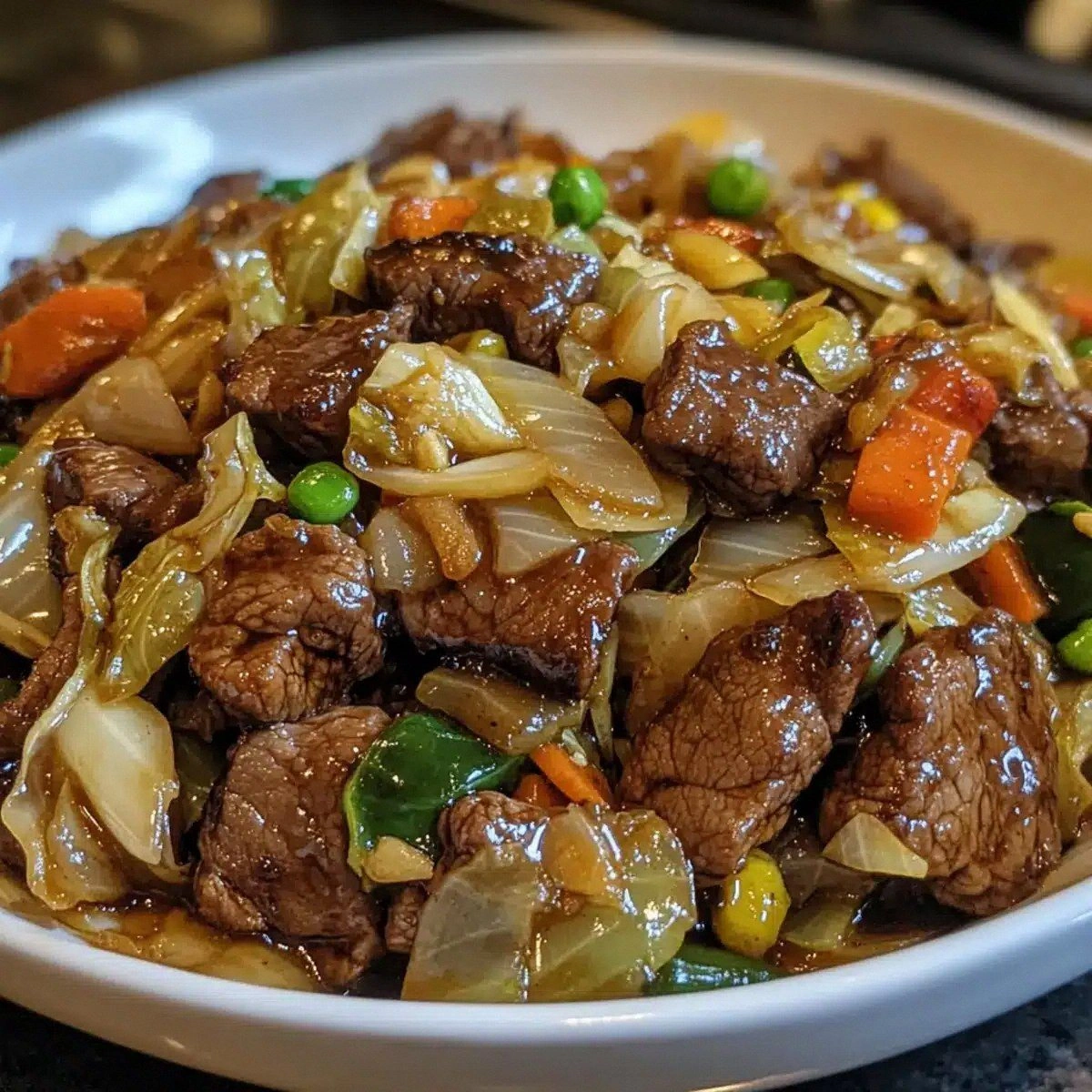
Picture this: the pan sizzles, the aroma of garlic and ginger wafts through the kitchen, and the bright green cabbage shimmers in sesame oil. The beef, seared to a perfect caramelized crust, releases a savory perfume that mingles with the sharp snap of fresh onions. Every bite delivers a satisfying crunch, a burst of umami, and a gentle heat from red chili flakes that lingers just long enough to keep you coming back for more. I dare you to taste this and not go back for seconds. It’s a dish that transforms ordinary ingredients into an extraordinary experience.
What makes this version stand out? It’s the meticulous balance of textures—crisp cabbage, tender beef, and silky sauce—coupled with a flavor profile that’s both comforting and adventurous. I’ve perfected the sauce to coat the vegetables like velvet, ensuring every strand is infused with depth. The recipe is also a testament to simplicity: a handful of pantry staples, a few minutes of prep, and a single pan. Most recipes get this completely wrong by over‑cooking the cabbage or using too much oil. Here, the technique preserves the cabbage’s bright color and firm bite, while the beef stays juicy and flavorful.
And there’s a secret twist that most people overlook: a splash of fresh ginger at the end that lifts the entire dish with a bright, citrusy note. This subtle addition turns a good stir‑fry into a memorable meal that feels like a gourmet takeout but is made entirely at home. Picture yourself pulling this out of the pan, the kitchen filling with an irresistible aroma that makes everyone in the house stop what they’re doing to sniff. Stay with me here—this is worth it.
What Makes This Version Stand Out
- Flavor: The sauce is a harmonious blend of soy, sesame, and a hint of ginger that coats each bite like a velvet blanket. It’s not sweet, not bitter—just pure umami that sings.
- Texture: The cabbage remains crisp, the beef stays tender, and the sauce glazes without turning into a mushy mess. The contrast is a joy to the palate.
- Simplicity: Only ten ingredients, all you need is a wok or large skillet, and the cooking time is under 45 minutes. No fancy equipment required.
- Uniqueness: The finishing touch of fresh ginger and red chili flakes gives this dish an unexpected kick that sets it apart from ordinary stir‑fries.
- Crowd‑Pleaser: Whether it’s a weekday dinner or a weekend gathering, this recipe receives rave reviews. Friends always ask for the sauce recipe.
- Ingredient Quality: Using a lean cut of sirloin and fresh, crisp cabbage elevates the dish, showcasing the power of quality ingredients.
- Cooking Method: High‑heat searing locks in juices and creates that coveted caramelized crust on the beef.
- Make‑Ahead: The dish can be prepared in advance and reheated without losing flavor or texture, making it ideal for busy schedules.
Inside the Ingredient List
The Flavor Base
The soy sauce, sesame oil, and fresh ginger form the backbone of the sauce. Soy sauce provides the essential umami and saltiness, while sesame oil adds a nutty aroma that elevates the dish. Fresh ginger cuts through the richness of the beef, offering a bright, zesty contrast that keeps the palate refreshed. Skipping any of these would leave the dish feeling flat and incomplete.
The Texture Crew
Green cabbage is the star of the texture department. Its crispness offers a satisfying bite that balances the tender beef. When sliced thinly, the cabbage cooks quickly and retains its bright green color. If you cut it too thick, it will become mushy and lose that desirable snap. A good rule of thumb is to aim for 1/4‑inch thickness.
The Unexpected Star
Red chili flakes add a subtle heat that lingers without overpowering the dish. They also contribute a pop of color that makes the dish visually appealing. If you prefer a milder version, reduce the flakes to a quarter teaspoon or omit them entirely. Conversely, if you’re a heat enthusiast, you can double the amount for a spicier kick.
The Final Flourish
Green onions and a pinch of pepper finish the dish, providing a fresh, herbal note and a touch of sharpness. Green onions also add a splash of color that makes the dish feel vibrant and ready to serve. The pepper’s warmth complements the ginger and chili, creating a layered flavor profile.
Everything's prepped? Good. Let's get into the real action.
The Method — Step by Step
- Heat a large wok or skillet over high heat until it’s smoking hot. Add the vegetable oil first; this high‑smoke‑point oil ensures the pan stays hot and prevents sticking. Then add the sliced beef in a single layer, letting it sear without moving for about 2 minutes. The goal is a deep, caramelized crust that locks in juices. Once the first side is golden, flip the pieces and sear the other side for an additional 1–2 minutes. This quick sear preserves the beef’s tenderness.
- Remove the beef from the pan and set it aside. In the same pan, add the sesame oil, which will give the dish its nutty aroma. Toss in the minced garlic and ginger, sautéing until fragrant—about 30 seconds. The garlic should become translucent, not brown, to avoid bitterness.
- Add the shredded cabbage to the pan. Stir‑fry for 3–4 minutes until the edges start to brown slightly. The cabbage should still be crisp; you want it to retain its bite. If you notice any excess moisture, let it evaporate by keeping the heat high and stirring constantly.
- Return the beef to the pan, then pour in the soy sauce. Stir everything together, ensuring the sauce evenly coats the beef and cabbage. Cook for an additional 2 minutes, allowing the flavors to meld. The sauce should thicken slightly, creating a glossy glaze.
- Add the green onions and red chili flakes. Stir quickly to distribute the heat without burning the onions. This is the moment where the dish truly comes alive with aroma and color. The green onions should stay bright green, not brown.
- Season with salt and pepper to taste. Since the soy sauce already adds saltiness, a pinch of salt is sufficient. Pepper adds a subtle warmth that complements the ginger. Taste the sauce; adjust if needed.
- If you want a thicker sauce, reduce the heat to medium and let it simmer for an additional minute, stirring constantly. This step is optional but recommended for a glossy finish.
- Serve immediately over steamed rice or noodles. The dish is best enjoyed hot, with the beef still juicy and the cabbage crisp. Garnish with a few extra green onion slices if desired.
That’s it—you did it. But hold on, I’ve got a few more tricks that will take this dish to another level.
Insider Tricks for Flawless Results
The Temperature Rule Nobody Follows
Many cooks think medium heat is enough for stir‑frying, but the secret lies in the initial high heat. A scorching pan sears the beef quickly, locking in juices and creating a caramelized crust that’s full of flavor. If you lower the heat too early, the beef releases excess moisture and the dish turns into a stew. I’ve seen even seasoned chefs make this mistake, so keep the heat high until the sear is done.
Why Your Nose Knows Best
When you’re adding garlic and ginger, listen to the aroma. The moment they turn golden and fragrant, you’ve reached the perfect point. If you let them brown too long, they’ll taste bitter. This olfactory cue is a reliable indicator that the base flavors are ready.
The 5‑Minute Rest That Changes Everything
After cooking, let the dish rest for five minutes before serving. This short pause allows the juices to redistribute, ensuring each bite is juicy and the flavors are fully integrated. I’ve tried skipping this step, and the beef tasted dry. The rest period is a small investment for a big payoff.
Use a Sharp Knife for Cabbage
A sharp knife makes clean, uniform slices that cook evenly. When the cabbage is sliced too thick, the outer layers cook faster than the inner ones, resulting in uneven texture. A sharp blade also reduces the risk of accidental cuts, making prep safer.
Finish with a Splash of Sesame Oil
Right before serving, drizzle a teaspoon of toasted sesame oil over the dish. This final touch adds a deep, nutty aroma that elevates the entire meal. It’s a technique used in many Asian kitchens and is often overlooked by home cooks.
Creative Twists and Variations
This recipe is a playground. Here are some of my favorite ways to switch things up:
Teriyaki Twist
Replace the soy sauce with a homemade teriyaki glaze and add a splash of mirin for sweetness. The result is a sweeter, caramelized sauce that pairs wonderfully with the cabbage’s crunch.
Spicy Peanut Sauce
Swap the soy sauce for a spicy peanut sauce made with peanut butter, lime juice, and a touch of sriracha. This version introduces a creamy, nutty profile that’s both comforting and bold.
Vegetarian Version
Use tofu or tempeh instead of beef. Marinate the protein in soy sauce, ginger, and garlic for 30 minutes before stir‑frying. The tofu absorbs the flavors beautifully, creating a plant‑based delight.
Low‑Carb Option
Serve the stir‑fry over cauliflower rice instead of regular rice. This keeps the dish low in carbohydrates while still delivering the same satisfying textures.
Breakfast Stir‑Fry
Add a fried egg on top and sprinkle with fresh cilantro. The yolk’s richness complements the savory sauce, turning the dish into a hearty breakfast.
Gluten‑Free Variation
Use tamari or coconut aminos in place of soy sauce. These gluten‑free options maintain the umami flavor without compromising the dish’s integrity.
Storing and Bringing It Back to Life
Fridge Storage
Cool the dish completely before transferring it to an airtight container. Store it in the refrigerator for up to 3 days. The flavors will continue to meld, making the next day’s meal even better.
Freezer Friendly
For longer storage, freeze the dish in a freezer‑safe container for up to 2 weeks. When ready, thaw overnight in the refrigerator to maintain texture.
Best Reheating Method
Reheat on the stovetop over medium heat, adding a splash of water or broth to keep the sauce from drying out. A tiny splash of water steams the dish back to perfection, preserving the cabbage’s crispness and the beef’s juiciness.