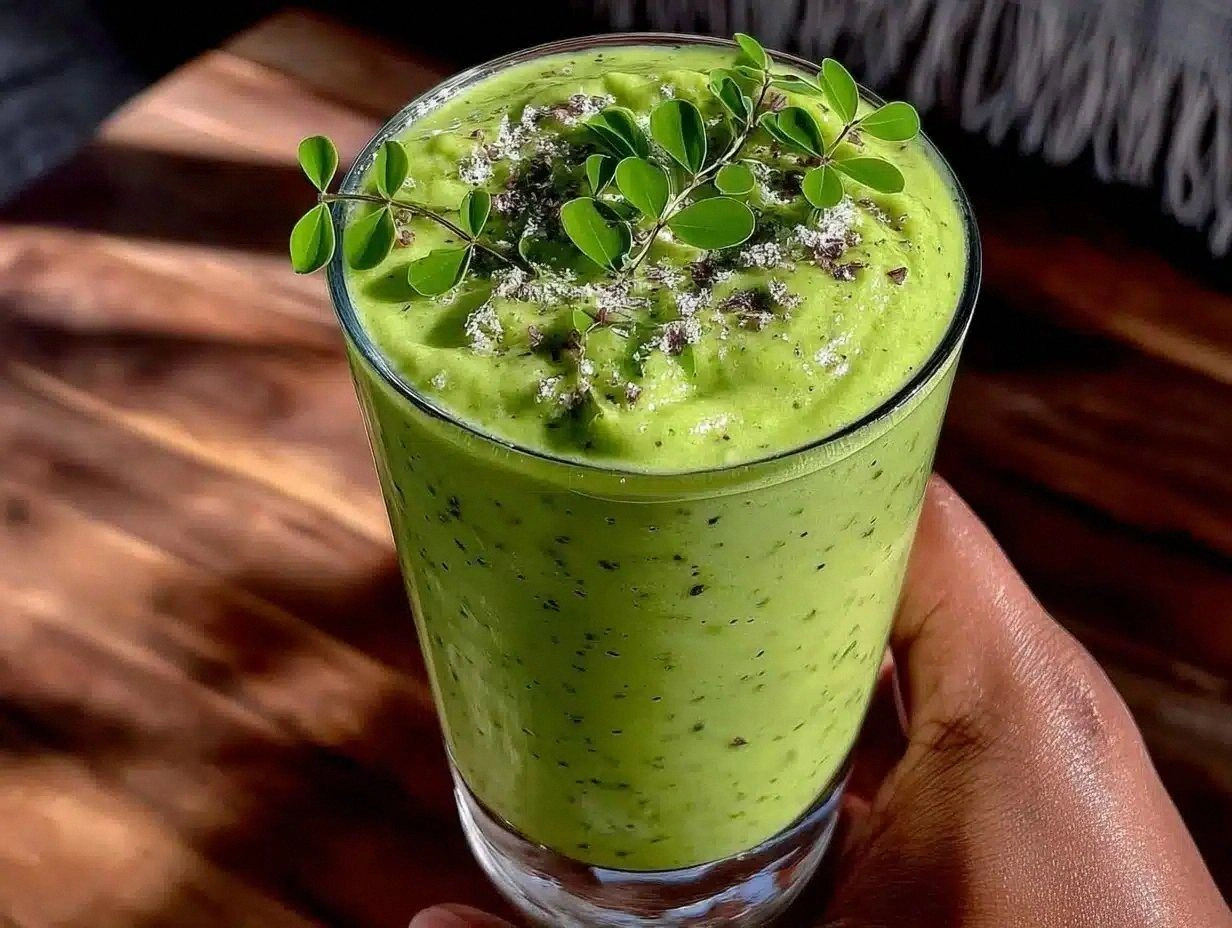
Picture this: I’m half‑asleep, the alarm blares like a marching band, and my brain is still stuck in a foggy dream where coffee is a mythical creature. I stumble into the kitchen, eyes half‑closed, and the only thing that could possibly rescue me is a green elixir that promises energy without the jittery crash. I tossed together whatever I could find—a handful of spinach, a banana that was about to turn into mush, and a mysterious green powder I’d bought on a whim. The result? A smoothie that tasted like a sunrise in a glass, and I swear the whole kitchen seemed to inhale the fresh aroma of possibility.
The first sip was a revelation: the bright, grassy notes of baby spinach danced with the earthy, almost citrusy whisper of moringa, while the banana’s natural sweetness wrapped everything in a silky hug. I could feel the subtle zing of lemon juice cutting through the richness of the Greek yogurt, and a tiny pop of chia seeds added a surprising textural surprise that kept me coming back for more. My taste buds were doing a happy jig, and my body? It felt like I’d just hit the “refresh” button on my metabolism. That moment made me realize I had stumbled onto a secret weapon for those mornings when you need a boost but don’t want to gulp down a sugary energy drink.
Most green smoothies out there either taste like lawn clippings or try too hard to mask the greens with a flood of fruit, leaving you with a cloying mess that feels more like dessert than fuel. This version, however, hits the sweet spot: it’s bright without being overpowering, creamy without drowning the fresh flavors, and it delivers a clean, sustained lift that keeps you focused through the toughest meetings. I’m going to be honest — I ate half the batch before anyone else got a chance to try it, and I dare you to taste this and not go back for seconds. The secret? A pinch of moringa powder that adds a subtle, nutty depth and a serious nutrient punch that most recipes completely overlook.
Okay, ready for the game‑changer? I’m about to walk you through every single step, from picking the perfect kale leaf to mastering the perfect blend consistency. By the end, you’ll wonder how you ever made a green smoothie any other way. Let’s dive in and turn your kitchen into a green‑energy laboratory.
What Makes This Version Stand Out
- Flavor Harmony: The lemon juice brightens the earthiness of moringa, while the banana provides just enough natural sweetness to keep the palate smiling.
- Creamy Texture: Greek yogurt and frozen banana create a velvety mouthfeel that rivals any dairy‑laden smoothie, without the heaviness.
- Protein Power: Each serving packs around 15‑20 grams of protein, making it perfect for post‑workout recovery or a mid‑morning pick‑me‑up.
- Fiber Boost: Spinach, chia seeds, and banana together deliver a whopping 8 grams of fiber, keeping you full and your digestion humming.
- Superfood Simplicity: Moringa powder adds a dense dose of vitamins A, C, and calcium without any complicated prep.
- Customizable Base: Swap water for almond milk, coconut milk, or even oat milk to tailor the flavor profile to your cravings.
- Zero Added Sugar (Optional Sweetener): The recipe is naturally sweet, but you can add a whisper of honey or maple syrup if you crave a touch more indulgence.
- Make‑Ahead Friendly: Blend it the night before, store in a mason jar, and give it a quick shake in the morning for a truly effortless boost.
Alright, let's break down exactly what goes into this masterpiece...
Inside the Ingredient List
The Flavor Base
Fresh baby spinach or kale (1 cup, packed) is the canvas of this drink. The leafy greens bring a subtle, slightly bitter note that balances the sweetness of the banana and the tang of the lemon. If you skip this, you’ll lose the vibrant green color and a hefty dose of iron and chlorophyll that makes the smoothie feel “real.” For a milder flavor, use baby spinach; for a heartier bite, kale works wonders. When shopping, look for leaves that are dark, crisp, and free of wilting spots — they’ll blend smoother and keep the taste fresh.
Moringa powder (1 teaspoon) is the star of the show. This “miracle tree” powder is packed with antioxidants, vitamins, and minerals, and it adds an almost nutty, slightly caramelized undertone that you won’t get from regular greens. I recommend the Organic India brand because it’s sourced from sustainably harvested leaves and is free from fillers. If you can’t find moringa, spirulina or wheatgrass powder can substitute, but expect a different flavor profile.
The Texture Crew
Frozen banana (1 small, sliced) brings natural sweetness and a creamy texture that mimics the richness of dairy. The cold temperature also helps keep the smoothie thick without needing ice. If you use a fresh banana, add a handful of ice cubes to achieve the same chill.
Greek yogurt (½ cup, plain, or dairy‑free coconut yogurt) adds a protein punch and a luxurious silkiness. The tang from the yogurt cuts through the earthiness of the greens, creating a balanced flavor. If you’re dairy‑free, a thick coconut yogurt works just as well, though it adds a faint coconut aroma.
The Unexpected Star
Fresh lemon juice (1 tablespoon) is the secret weapon that brightens the whole concoction. Its acidity lifts the moringa’s earthy notes and prevents the smoothie from feeling too “green.” When squeezing lemons, roll them on the countertop first; this releases more juice and makes the process easier.
Chia seeds (1 tablespoon) – optional give a subtle crunch and a boost of omega‑3 fatty acids. They also help thicken the smoothie if you let it sit for a few minutes, turning it into a quasi‑pudding texture that’s perfect for a quick breakfast bowl.
The Final Flourish
Filtered water or unsweetened almond milk (1 cup) is the liquid that ties everything together. Almond milk adds a nutty undertone and a creamy mouthfeel, while water keeps the calorie count low. Adjust the amount if you prefer a thinner or thicker consistency — start with ¾ cup and add more as needed.
Honey or maple syrup (1 teaspoon, optional) is the only sweetener you’ll ever need for this recipe. It adds a whisper of caramel sweetness without overwhelming the natural flavors. If you’re watching sugar, feel free to skip it; the banana and yogurt already provide enough sweetness.
Everything's prepped? Good. Let's get into the real action...
The Method — Step by Step
First, gather every ingredient on a clean countertop and give yourself a high‑five for being organized. Toss the fresh baby spinach or kale into the blender jar, making sure the leaves are loosely packed—not a compacted brick, because you want the blades to circulate air and break down the fibers evenly. As the greens hit the blades, you’ll hear a faint, satisfying whirr that tells you the motor is ready to work its magic. Power tip: If you have a high‑speed blender, start on low for 10 seconds to create a green “slurry” before adding the other components.
Kitchen Hack: Add a splash of the almond milk now to help the blades move more freely; you’ll get a smoother base.Next, sprinkle the moringa powder over the greens. This is the moment where the “miracle” truly begins. The powder will initially look like a faint green dust, but as the blender whirs, it will dissolve into a deep emerald hue. If you notice any clumps, stop the blender, give it a quick shake, and resume — clumps mean uneven flavor distribution, and we don’t want that.
Now, add the frozen banana slices. The cold fruit does two things: it chills the smoothie instantly, and it adds a natural sweetness that makes any additional sweetener optional. As the banana blends, you’ll hear a soft “whoosh” that signals the transition from a gritty green slurry to a silky puree. Watch Out: Over‑blending can turn the banana into a frothy mess that feels airy rather than creamy. Stop once you see a uniform, glossy texture.
Watch Out: If you use fresh banana instead of frozen, add a handful of ice cubes; otherwise the smoothie will be too thin and lose its chilled vibe.Time for the protein hero: Greek yogurt. Spoon it in, letting it cascade down the sides of the blender. The yogurt’s tang will mingle with the lemon juice later, creating a bright, balanced flavor profile. As the blades spin, you’ll notice the mixture turning from a pale green to a richer, deeper shade—this is the visual cue that the yogurt is fully incorporated.
Drizzle the fresh lemon juice over the blend. The citrus aroma will instantly lift the entire kitchen, a sensory snapshot that tells you you’re on the right track. Lemon also helps preserve the vibrant green color, preventing the dreaded brownish fade that many smoothies suffer from.
Throw in the chia seeds. They’re tiny, but they act like little sponges, soaking up any excess liquid and giving the smoothie a subtle body. If you prefer a smoother texture, you can let the blend sit for five minutes after blending; the chia will swell and thicken the drink without any extra effort.
Finally, pour in your chosen liquid—filtered water or unsweetened almond milk. Start with ¾ cup, blend, then assess the thickness. If the smoothie looks too thick (like a milkshake), add the remaining ¼ cup gradually. The goal is a pour‑able yet still slightly thick consistency that coats the back of a spoon.
Give the blender a final burst of 20–30 seconds on high. You’re looking for a glossy, uniform green that looks almost liquid gold. Taste a spoonful: the flavors should be balanced, the lemon bright, the moringa subtle, and the banana sweet. If you need a tad more sweetness, drizzle in the honey or maple syrup now and give it one quick pulse.
Kitchen Hack: For an ultra‑smooth finish, run the smoothie through a fine‑mesh sieve before serving; this removes any stray fibers and gives a silk‑like mouthfeel.
That's it — you did it. But hold on, I've got a few more tricks that'll take this to another level. Stay with me here — this is worth it.
Insider Tricks for Flawless Results
The Temperature Rule Nobody Follows
Cold ingredients are the secret to a thick, luxurious smoothie. Freeze your bananas overnight, keep your almond milk in the fridge, and even chill the blender jar for a minute before you start. The colder the components, the less you’ll need to add extra liquid, which means a richer, creamier texture without watering down the flavors. I once tried a room‑temperature blend and ended up with a watery mess that tasted more like a green tea than a power drink.
Why Your Nose Knows Best
The moment you open the lid after blending, trust the scent. A bright, citrus‑forward aroma means the lemon is doing its job; a muted, earthy smell might indicate you need a splash more lemon or a pinch of honey. Your nose is an early warning system—if it smells off, taste and adjust before you serve. I once added too much moringa and the scent turned bitter; a quick squeeze of lemon rescued the whole batch.
The 5‑Minute Rest That Changes Everything
Let the smoothie sit for five minutes after the final blend. During this pause, the chia seeds expand, the flavors meld, and any remaining air bubbles rise to the surface. The result is a smoother sip and a thicker body that feels almost like a light pudding. Skipping this rest is like serving a cake before it’s cooled—still good, but not at its peak.
Layering Sweetness Like a Pro
Instead of dumping a full spoonful of honey, add it in two stages: half before blending and half after tasting. This method prevents over‑sweetening and lets you fine‑tune the balance. I once added too much maple syrup early on, and the smoothie turned cloyingly sweet, masking the fresh greens. The two‑step approach saved the day.
Blend in Stages for Maximum Air‑Free Texture
Start low, then gradually increase speed. This prevents the blades from creating too much air, which can give the smoothie a foamy, “soda‑like” texture. A low‑speed start creates a smooth base; a high‑speed finish ensures everything is fully emulsified. If you hear a high‑pitched whine, you’re probably over‑blending—slow down and let the mixture settle.
Creative Twists and Variations
This recipe is a playground. Here are some of my favorite ways to switch things up:
Tropical Sunrise
Swap almond milk for coconut water, add a splash of pineapple juice, and throw in a handful of mango chunks. The result is a beach‑vibe smoothie that still packs the moringa’s nutrient punch. Perfect for a post‑yoga sunrise session.
Chocolate Green Power
Blend in a tablespoon of unsweetened cocoa powder and a dash of vanilla extract. The chocolate masks the earthiness of moringa while adding antioxidants from the cacao. Top with a few cacao nibs for a crunchy surprise.
Spicy Zing
Include a pinch of cayenne pepper and a drizzle of ginger‑infused honey. The heat awakens your metabolism and adds a bold contrast to the smooth green base. Great for cold mornings when you need an extra fire‑starter.
Nutty Delight
Replace the Greek yogurt with a scoop of almond butter and increase almond milk to 1½ cups. The nutty richness deepens the flavor, while the extra liquid keeps the texture silky. This version is perfect for those following a paleo or low‑carb plan.
Berry Boost
Add a half‑cup of frozen blueberries or raspberries. The berries introduce a tangy burst and a gorgeous violet swirl when blended. Antioxidants go through the roof, and the visual appeal is Instagram‑ready.
Protein Punch
Throw in a scoop of vanilla whey or plant‑based protein powder. This turns the smoothie into a post‑gym recovery drink without compromising the green flavor. Adjust the sweetener accordingly, as many protein powders are already sweetened.
Storing and Bringing It Back to Life
Fridge Storage
Transfer the smoothie to a sealed glass jar or a BPA‑free bottle and store it in the refrigerator for up to 24 hours. The chia seeds will continue to thicken, so give the jar a good shake before drinking. If it looks a little separated, that’s normal; a quick stir restores the creamy consistency.
Freezer Friendly
Portion the smoothie into individual silicone muffin cups or freezer‑safe bags. Freeze for up to 3 months. When you’re ready, thaw overnight in the fridge or run the container under warm water for a few minutes, then blend again for a fresh‑like texture.
Best Reheating Method
While smoothies are best served cold, if you prefer a warm, soothing drink on a chilly day, gently warm the frozen or refrigerated smoothie on the stovetop over low heat. Add a tiny splash of water or almond milk—just enough to steam it back to perfection without losing the bright green hue. Stir constantly and remove from heat as soon as it reaches a sip‑able temperature.