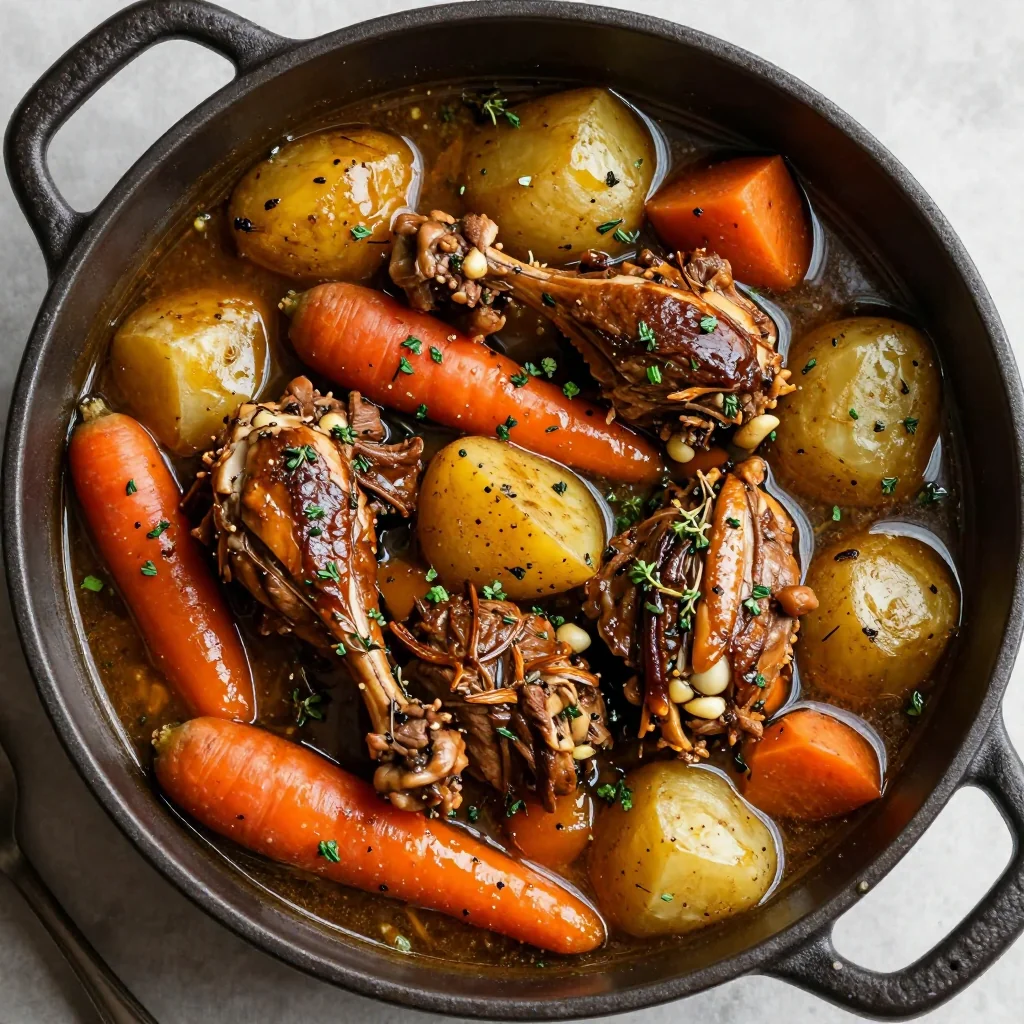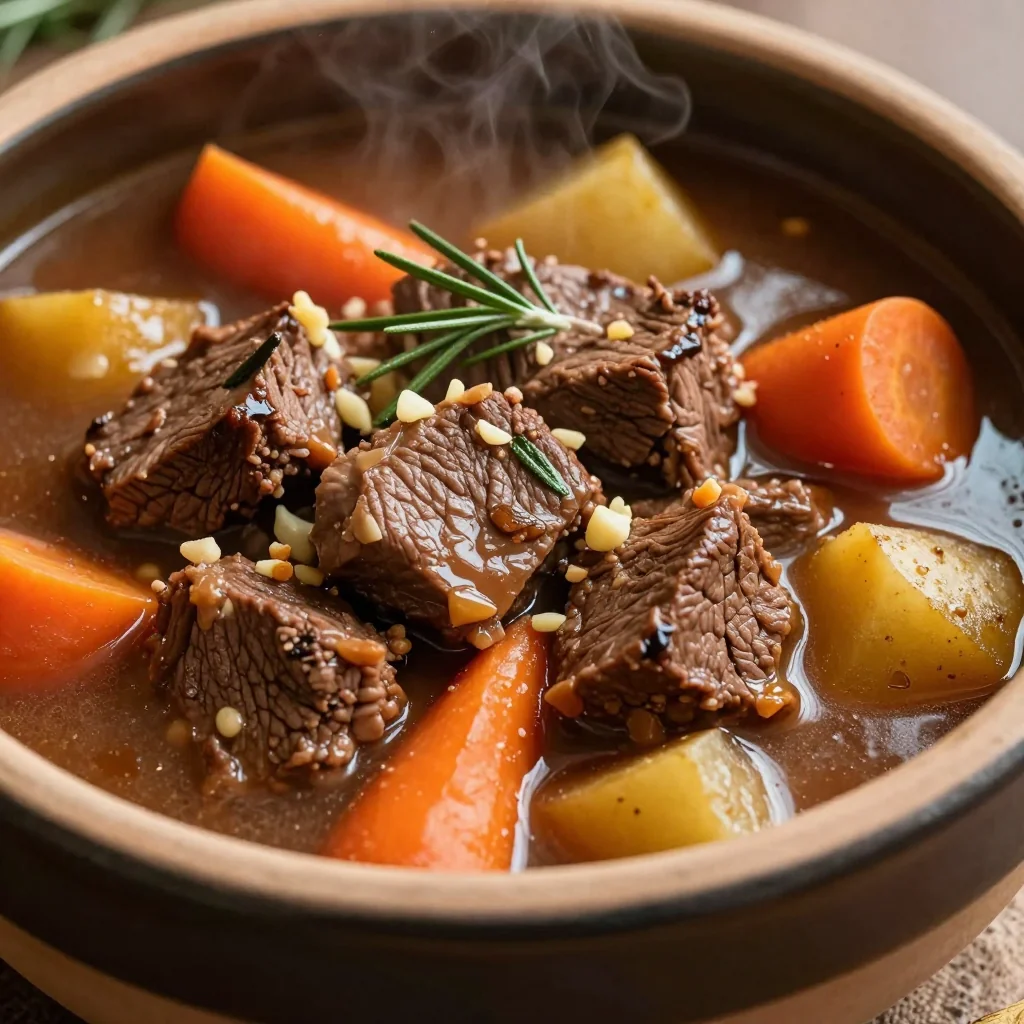
Love this? Pin it for later! 📌
Hearty Beef & Root Vegetable Stew with Garlic and Rosemary
There’s a moment—about twenty minutes after this stew starts to simmer—when the first tendrils of rosemary, garlic, and caramelized beef drift through the house. That’s the moment my kids magically appear in the kitchen, homework half-done, asking if dinner’s ready yet. It’s the same moment I know the week is about to get a little softer around the edges.
I first made this stew on a raw November afternoon when the sun set at 4:37 p.m. and my youngest had croup. We’d just moved to the northern edge of Vermont, where the wind whips across the orchard behind our house like it’s late for something important. I needed dinner to be more than food; I needed it to be a wool blanket in edible form. One pot, inexpensive cuts of beef, the knobbly vegetables languishing in the crisper, and a sprig of rosemary that had somehow survived the first frost—those were the only requirements. Three hours later, the stew tasted like patience. My husband ladled seconds. The baby laughed between coughs. We’ve repeated that Tuesday dinner every winter since, and somehow it still feels like discovery.
This is the recipe you want when the forecast threatens snow, when your teenager has finals, when the pipes groan, or when you simply need an excuse to stay inside and breathe. It scales beautifully for a crowd, improves overnight, and forgives almost every substitution you can throw at it. Make it once, and you’ll find yourself buying chuck roast “just in case.”
Why This Recipe Works
- Two-stage browning: Searing beef in batches creates fond that later dissolves into the richest gravy.
- Root veg timing: Adding vegetables in waves prevents mushy carrots and keeps parsnips sweet.
- Garlic trifecta: Fresh minced, smashed whole cloves, and a whisper of garlic powder for layered depth.
- Rosemary strategy: A full sprig bathes in the broth, then gets removed; a pinch of chopped leaves finishes bright.
- Stovetop or oven: Directions for both so you can slide it into a low oven and forget it.
- Freezer hero: Makes two complete dinners; freeze half in quart containers for up to four months.
- Kid-approved texture: Long, gentle simmer melts collagen so even the pickiest eater can chew effortlessly.
Ingredients You'll Need
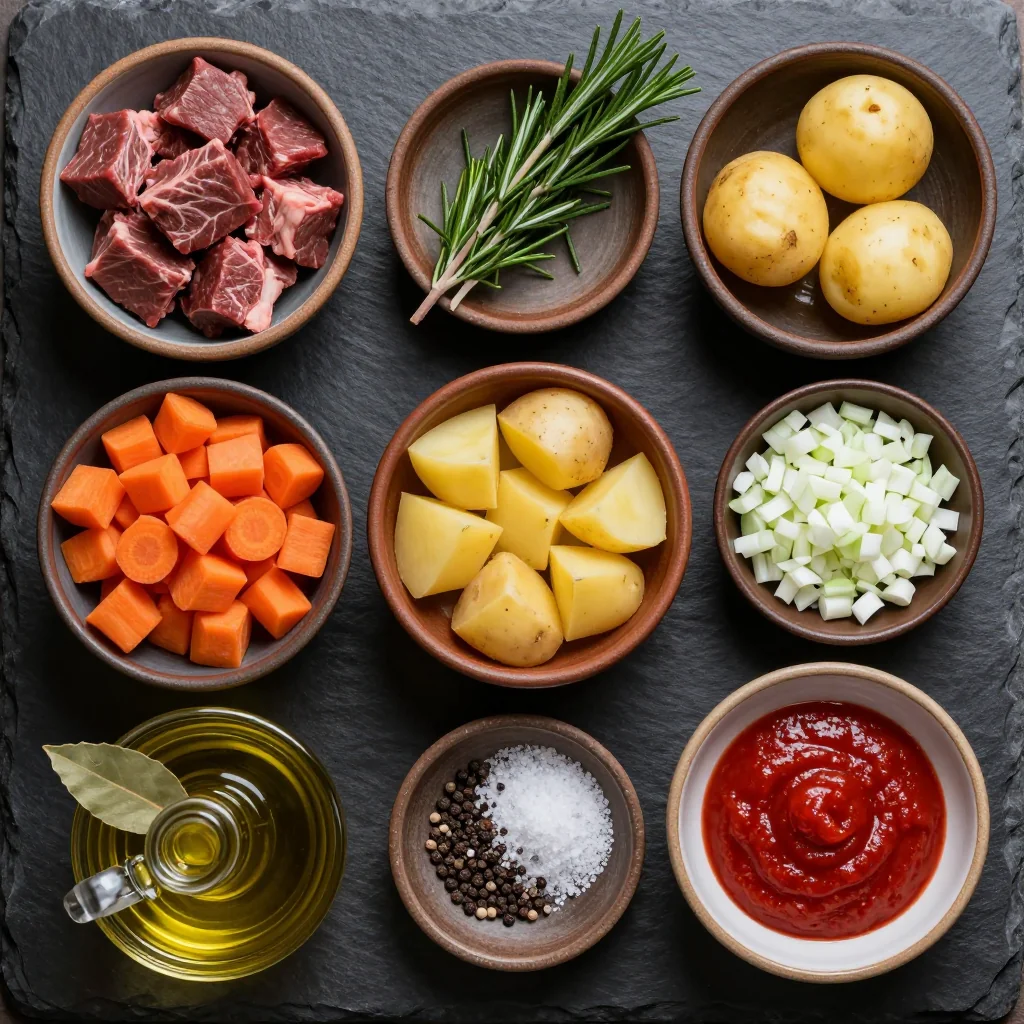
Great stew starts at the butcher counter. Ask for well-marbled chuck roast rather than pre-cut "stew beef," which can be a mish-mash of trimmings. You want a single muscle group so everything cooks at the same rate. At home, pat the meat very dry; moisture is the enemy of the mahogany crust that translates into flavor later.
Root vegetables should feel rock-hard. If a carrot bends, skip it. Look for parsnips no wider than your thumb—larger ones have woody cores. I like to pair orange carrots with yellow ones for subtle sweetness differences. Rutabaga adds a gentle peppery note, but turnips work if that’s what your market carries.
Beef stock is worth the splurge on a boxed brand with short ingredient list, or use homemade if you’re lucky enough to have it. Avoid bouillon cubes; they tilt the stew toward salt lick territory. Tomato paste in a tube keeps forever in the fridge and saves you from opening a whole can.
For the wine, choose a dry red you’d happily drink. A $10 Côtes du Rhône is perfect; anything oaky or fruity will skew the stew jammy. If you avoid alcohol, sub an equal amount of stock plus 1 tablespoon balsamic vinegar for acidity.
Fresh rosemary is non-negotiable in our house, but if your grocery only has sad sprigs, swap in 1 teaspoon dried rosemary and add it with the tomato paste so the oils bloom. Garlic powder sounds retro, but a pinch amplifies the fresh cloves without making the stew taste like Italian restaurant marinara.
How to Make Hearty Beef & Root Vegetable Stew with Garlic and Rosemary
Prep & pat the beef
Cut 3½ lb chuck roast into 1½-inch cubes, discarding silverskin but keeping fat. Pat dry with paper towels; season aggressively with 2 tsp kosher salt and 1 tsp black pepper. Let stand 20 minutes while you prep vegetables—this draws out surface moisture for better browning.
Build the flavor base
Heat 2 tbsp grapeseed oil in a heavy 7-quart Dutch oven over medium-high until shimmering. Brown one-third of the beef in a single layer, 3–4 minutes per side. Transfer to a rimmed plate; repeat with remaining beef, adding another tablespoon oil if the pot looks dry. Deglaze with ¼ cup red wine, scraping the fond with a wooden spoon until the bottom is mahogany glass.
Aromatic soffritto
Lower heat to medium. Add 2 diced yellow onions; cook 5 minutes until translucent edges appear. Stir in 4 minced garlic cloves, 2 tbsp tomato paste, and 1 tsp garlic powder; cook 2 minutes until paste darkens to brick red. The garlic should sizzle but not brown—this releases allicin without bitter edges.
Create the braising liquid
Return beef and any juices. Sprinkle 3 tbsp flour over all; toss to coat. The flour will thicken the stew later so it clings to the vegetables. Slowly pour in remaining wine and 4 cups beef stock, tucking in 2 bay leaves and a 4-inch rosemary sprig. Bring to a gentle simmer—never a boil—or the meat will seize and turn rubbery.
First simmer (the long one)
Cover, reduce to lowest flame, and simmer 1 hour 15 minutes. Alternatively, slide into a 325 °F oven—this gives more even heat. Check at the 45-minute mark; liquid should barely burp. If it looks low, add ½ cup hot water. The goal is to keep meat submerged while evaporating just enough to concentrate flavors.
Stage the vegetables
Remove bay leaves and rosemary sprig—it’s given its all. Add 4 carrots, 2 parsnips, and 1 small rutabaga, all cut into ¾-inch pieces. Simmer 25 minutes. Then stir in 1 lb baby Yukon Gold potatoes, halved, and 3 whole peeled garlic cloves. The staged approach keeps carrots from dissolving and potatoes from crumbling.
Final braise & finish
Continue simmering 20–25 minutes until potatoes yield to a fork and meat shreds with gentle pressure. If you prefer a thicker gravy, smash a few potato halves against the side of the pot; their starch will tighten the broth naturally. Stir in ½ tsp chopped fresh rosemary for brightness, taste, and adjust salt.
Rest & serve
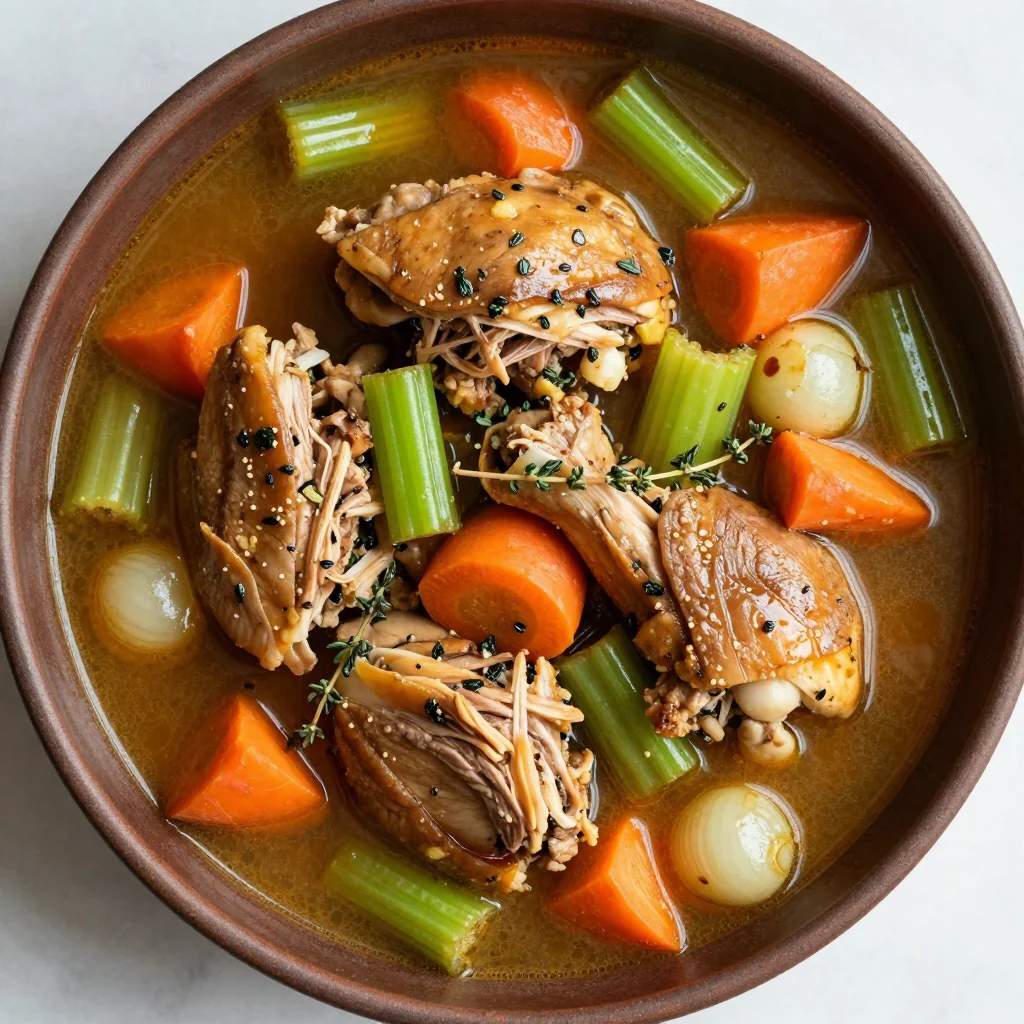
Turn off heat, cover, and let stand 10 minutes. This brief rest allows muscle fibers to reabsorb some juices so the stew doesn’t flood the bowl when ladled. Serve in deep earthenware, scattering each portion with a whisper of chopped parsley. Crusty bread is mandatory; a glass of the remaining wine, optional but recommended.
Expert Tips
Low & slow wins
Keep the liquid at a whisper. A rolling boil will turn beef into golf balls. If your burner won’t go low enough, slip a heat diffuser underneath or park the pot in a 275 °F oven.
Deglaze with confidence
Those sticky brown bits are caramelized proteins—pure umami. If the pot looks black instead of brown, lower the heat and add a splash of stock before continuing.
Chill for fat removal
Refrigerate overnight; the fat will solidify into a removable sheet. If you’re serving immediately, drag a clean paper towel across the surface—it absorbs grease without stealing broth.
Thicken naturally
No roux needed. Crushed potatoes or a spoonful of puréed roasted root veg give body without floury taste. For gluten-free diners, this keeps the recipe wheat-safe.
Make-ahead magic
Stew tastes best 24 hours later. Reheat gently, adding a splash of stock or water—gelatinized broth loosens as it warms. Taste for salt just before serving.
Double the rosemary?
Resist. As the stew reduces, rosemary oils concentrate. Too much and your dinner tastes medicinal. A final pinch of fresh leaves wakes everything up.
Variations to Try
- Irish twist: Swap half the potatoes for diced celeriac and add a 12-oz bottle of stout in place of wine. Finish with a handful of shredded sharp cheddar over each bowl.
- Mushroom umami: Stir in 8 oz baby bellas, quartered, during the last 30 minutes. They drink up broth and give meaty chew without extra meat.
- Moroccan route: Omit rosemary; add 1 tsp each cumin and coriander, ½ tsp cinnamon, and a drained can of chickpeas. Finish with chopped preserved lemon and cilantro.
- Slow-cooker savvy: Complete steps 1–4 on the stovetop, then transfer everything to a 6-quart slow cooker. Cook LOW 7–8 hours or HIGH 4–5 hours. Add potatoes during final 2 hours.
- Vegetable boost: Fold in 2 cups packed baby spinach once stew is off the heat. The residual heat wilts leaves in under a minute, adding color and nutrients without extra simmering.
- Spicy Kentucky: Add 1 diced chipotle in adobo and ½ tsp smoked paprika with the tomato paste. Finish with a drizzle of bourbon and chopped scallions.
Storage Tips
Cool the stew to lukewarm, then ladle into shallow containers so it chills quickly—this keeps it out of the bacterial danger zone. Refrigerate up to 4 days. For longer storage, freeze in 1-quart deli containers, leaving ½ inch headspace for expansion. Label with blue painter’s tape; it peels off cleanly. Stew keeps 4 months in a standard freezer, up to 1 year in a deep freeze.
Thaw overnight in the fridge, then reheat gently with a splash of broth or water. Microwaving works for single bowls; cover loosely to prevent splatter. If the gravy breaks (looks curdled), whisk in warm stock over low heat until smooth. Re-season—cold dulls salt perception, so you’ll almost always need a pinch more.
Frequently Asked Questions
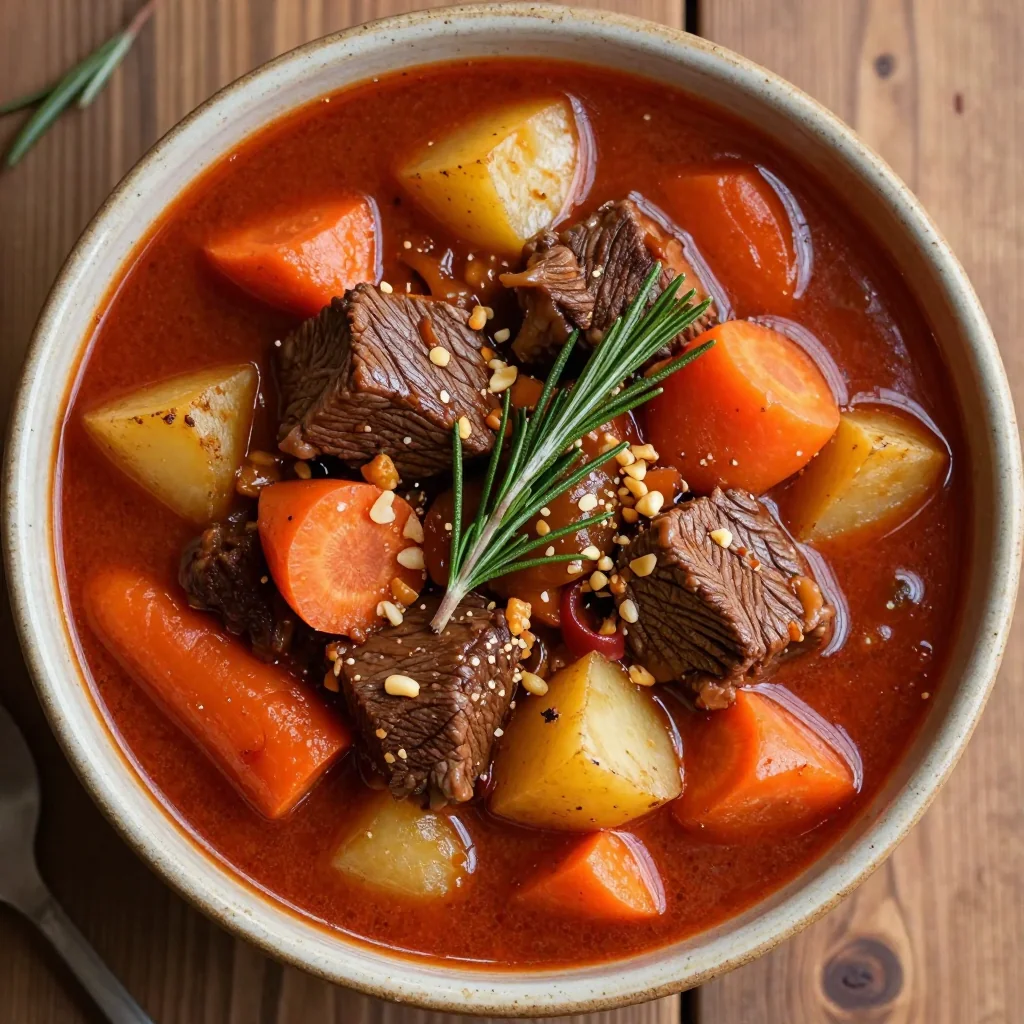
Hearty Beef & Root Vegetable Stew with Garlic and Rosemary
Ingredients
Instructions
- Season beef: Pat meat dry; toss with salt and pepper. Let stand 20 minutes.
- Brown: Heat 2 tbsp oil in Dutch oven over medium-high. Sear beef in 3 batches, 3–4 min per side. Deglaze with wine.
- Sauté aromatics: Lower heat; cook onions 5 min. Stir in minced garlic, tomato paste, garlic powder 2 min.
- Build stew: Return beef; sprinkle flour. Gradually add stock, bay, rosemary sprig. Simmer 1 hr 15 min covered.
- Add veg: Stir in carrots, parsnips, rutabaga; cook 25 min. Add potatoes and whole garlic; simmer 20–25 min more.
- Finish: Remove herbs. Adjust salt; stir in chopped rosemary. Rest 10 min before serving.
Recipe Notes
For a thicker gravy, mash a few potato pieces against the pot. Stew thickens as it cools; thin with stock when reheating.