
Picture this: the kitchen is a battlefield, the stove is a forge, and I’m the culinary warrior armed with a skillet and a dream. I had just finished a disastrous week of bland take‑out, and my taste buds were screaming for redemption. The moment I sliced the first piece of beef, the aroma hit me like a thunderclap—rich, meaty, and impossible to ignore. That scent alone said, “This is going to be epic.”
I was determined to turn a simple dish into a high‑protein triumph that would make my friends question their own cooking. I had a handful of ingredients that felt like a secret weapon: Greek yogurt, Dijon mustard, and a generous splash of beef broth. Each one was chosen not just for flavor but for the way it would elevate texture, depth, and nutrition. I knew that the right balance would create a sauce that clings to noodles like velvet, not a greasy slab. The goal was clear: a dish that feels luxurious but is also muscle‑building.
But I didn’t stop there. I added a dash of paprika for warmth, a pinch of pepper that would give it that subtle kick, and a handful of mushrooms that bring earthiness and umami. The combination of sautéed onions and garlic would create a fragrant base that is the foundation of any great Stroganoff. I wanted to challenge the traditional recipe by cutting down carbs but keeping the protein punch high. The result? A dish that’s as hearty as it is lean.
I dare you to taste this and not go back for seconds, because every bite will feel like a well‑timed punch in the gut. I’ll be honest—after the first spoonful, I was already halfway through the entire pot. Most recipes get this completely wrong. Here’s what actually works: a precise sear, a thickening roux, and a creamy finish that doesn’t drown the beef. Picture yourself pulling this out of the oven, the whole kitchen smelling incredible, and everyone asking for the secret. Let me walk you through every single step—by the end, you’ll wonder how you ever made it any other way.
What Makes This Version Stand Out
- Protein Power: With 25 grams per serving, this dish delivers a protein punch that keeps you full and satisfied. It’s built around lean sirloin and Greek yogurt, giving you the muscle fuel you need after a workout. The balanced macros make it a smart choice for anyone chasing fitness goals.
- Flavor Depth: The combination of Dijon mustard, paprika, and a splash of beef broth creates layers of savory complexity. Each ingredient is carefully balanced to avoid the clunky, one‑dimensional taste that plagues many Stroganoffs. The result is a sauce that’s both bold and nuanced.
- Texture Perfection: The beef is seared to a caramelized crust, while the mushrooms add a satisfying chew. The sauce coats the noodles like velvet, not clinging or separating. The finish is silky, thanks to the Greek yogurt, which keeps the dish from becoming dry.
- Ease of Prep: From chopping onions to simmering the sauce, every step is straightforward. No obscure techniques or hard‑to‑find ingredients. It’s a recipe that can be executed by anyone, even on a busy weekday.
- Make‑Ahead Friendly: This dish tastes even better the next day because the flavors have time to marry. It freezes well and reheats beautifully, making it a perfect meal‑prep option.
- Versatility: Swap the noodles for cauliflower rice or spiralized zucchini to keep it low‑carb. Use a different cut of beef or even chicken for a variation. The recipe’s structure allows for easy tweaks.
- Audience Appeal: Whether you’re a seasoned chef or a kitchen novice, this version offers something for everyone. The bold flavors and simple steps keep it approachable.
- Ingredient Quality: Each component is chosen for its ability to enhance flavor and nutrition. The beef sirloin provides a tender bite, while the Greek yogurt adds a tangy, creamy finish.
Inside the Ingredient List
The Flavor Base
The onion is the unsung hero that delivers a sweet, caramelized foundation when sautéed until translucent. It’s the first layer of flavor that the beef will soak up, ensuring each bite is packed with depth. If you skip the onion, the dish becomes flat and lacks the comforting warmth that makes Stroganoff comforting. You can use a small yellow onion or a sweet red one, depending on your taste preference. A tip: cut the onion into uniform wedges so they cook evenly.
Garlic is the second star in this base. Its aromatic oils release as it cooks, infusing the dish with a punch of flavor that balances the richness of the beef. Be careful not to burn the garlic; a quick sauté of 30 seconds is enough to coax out its essence. If you’re not a fan of garlic, you can reduce the amount to one clove, but you’ll lose some of the classic depth. A good rule of thumb: use fresh garlic for the brightest flavor, and store it in a cool, dry place to keep it potent.
The Texture Crew
Beef sirloin is chosen for its lean profile and tenderness. Slicing it against the grain ensures a buttery bite that doesn’t become chewy. When you sear the beef, watch for a deep brown crust; that’s the key to a rich flavor profile. If you’re on a budget, a sirloin tip can work as a substitute, but it may require a slightly longer cooking time to stay tender. A pro tip: let the sliced beef sit at room temperature for 10 minutes before searing for even cooking.
Mushrooms add an earthy umami that lifts the entire dish. Their moisture content also contributes to the sauce’s body, creating a silky consistency. Sautéing them until they’re golden brown releases their natural sugars, which caramelize and deepen the flavor. If you’re vegan, you can replace the beef with a hearty plant‑based protein, but keep the mushrooms for that savory hit. A quick trick: toss the mushrooms with a pinch of salt before sautéing; it helps them release moisture faster.
The Unexpected Star
Greek yogurt is the secret to achieving a creamy, tangy finish without adding heavy cream. Its protein content boosts the dish’s nutritional profile, making it a smart choice for a high‑protein meal. Because yogurt can curdle when heated, it’s added at the end of cooking, after the broth has been reduced. If you can’t find Greek yogurt, a low‑fat plain yogurt works, but the texture may be slightly thinner. A handy tip: whisk the yogurt before adding to ensure a smooth, lump‑free sauce.
Dijon mustard brings a bright, sharp bite that cuts through the richness of the beef and butter. It also helps emulsify the sauce, giving it a cohesive texture. If you prefer a milder flavor, try using whole grain mustard; it’s slightly less sharp but still provides depth. Keep in mind that mustard’s acidity can react with the flour roux, so add it after the flour has thickened. A small trick: toast the mustard in the pan for 30 seconds to mellow its sharpness.
The Final Flourish
Flour is the classic thickener that turns liquid broth into a silky sauce. It also helps bind the yogurt and mustard, creating a smooth finish. When making the roux, stir constantly to prevent lumps and ensure even browning. If you’re gluten‑free, a cornstarch slurry can replace the flour, but adjust the amount to avoid a gummy texture. A pro tip: sprinkle the flour over the browned beef and onions first, then stir to coat before adding liquid.
Egg noodles are the vehicle that carries every flavor in this dish. They absorb the sauce and provide a comforting, chewy bite that contrasts with the tender beef. If you want to cut carbs, try shirataki noodles or spiralized zucchini. Keep the noodles al dente; they’ll continue to soften when mixed with the hot sauce. A quick trick: rinse the noodles under cold water after boiling to stop the cooking process and keep them from sticking.
Everything’s prepped? Good. Let’s get into the real action and start building that sauce.
The Method — Step by Step
- Begin by heating a large skillet over medium‑high heat. Add the tablespoon of olive oil and let it shimmer. Once hot, add the sliced beef in a single layer, ensuring it doesn’t overcrowd the pan. Sear each side until a deep brown crust forms—about 1–2 minutes per side. This caramelization locks in flavor and gives the dish a luxurious look.
- Remove the beef and set it aside on a plate. In the same skillet, lower the heat to medium and add the tablespoon of butter. Let the butter melt, swirling the pan to coat the bottom evenly. Then add the chopped onion, stirring until translucent and fragrant—roughly 4–5 minutes. The onion’s sweetness will counterbalance the beef’s richness.
- Next, toss in the minced garlic. Cook for 30 seconds, watching for a golden aroma. Be cautious: garlic burns quickly, turning bitter. Once fragrant, stir in the sliced mushrooms. Sauté until they release moisture and brown—about 6–7 minutes. The mushrooms’ umami will deepen the sauce’s flavor profile.
- Return the seared beef to the skillet, spreading it out to re‑brown the edges. This step ensures the beef stays juicy while absorbing the aromatic base. Stir gently to combine everything, allowing the flavors to mingle for a minute.
- Now, sprinkle the two tablespoons of flour over the beef and vegetables. Stir vigorously, coating every piece. This creates a roux that thickens the sauce. Cook for 1–2 minutes, letting the flour toast slightly to eliminate raw taste. The roux should have a nutty aroma, signaling readiness.
- Pour in the cup of beef broth, whisking continuously to avoid lumps. Bring the mixture to a gentle simmer; you’ll notice the sauce beginning to thicken. Reduce the heat to low and let it simmer for 5 minutes, allowing the flavors to meld. The broth should reduce by about a quarter, concentrating the taste.
- Stir in the tablespoon of Dijon mustard and the teaspoon of paprika. These ingredients add brightness and depth. The mustard’s acidity helps emulsify the sauce, while paprika brings a warm, smoky note. Mix thoroughly to ensure a uniform sauce.
- Lower the heat to medium‑low and fold in the half cup of Greek yogurt. Stir slowly, ensuring the yogurt doesn’t curdle. The sauce should become silky and glossy. Taste and adjust seasoning with salt and pepper to your preference. This final touch gives the dish its signature creamy finish.
- Meanwhile, bring a pot of salted water to a boil. Add the eight ounces of egg noodles and cook until al dente—about 8 minutes. Drain and reserve a cup of pasta water for later.
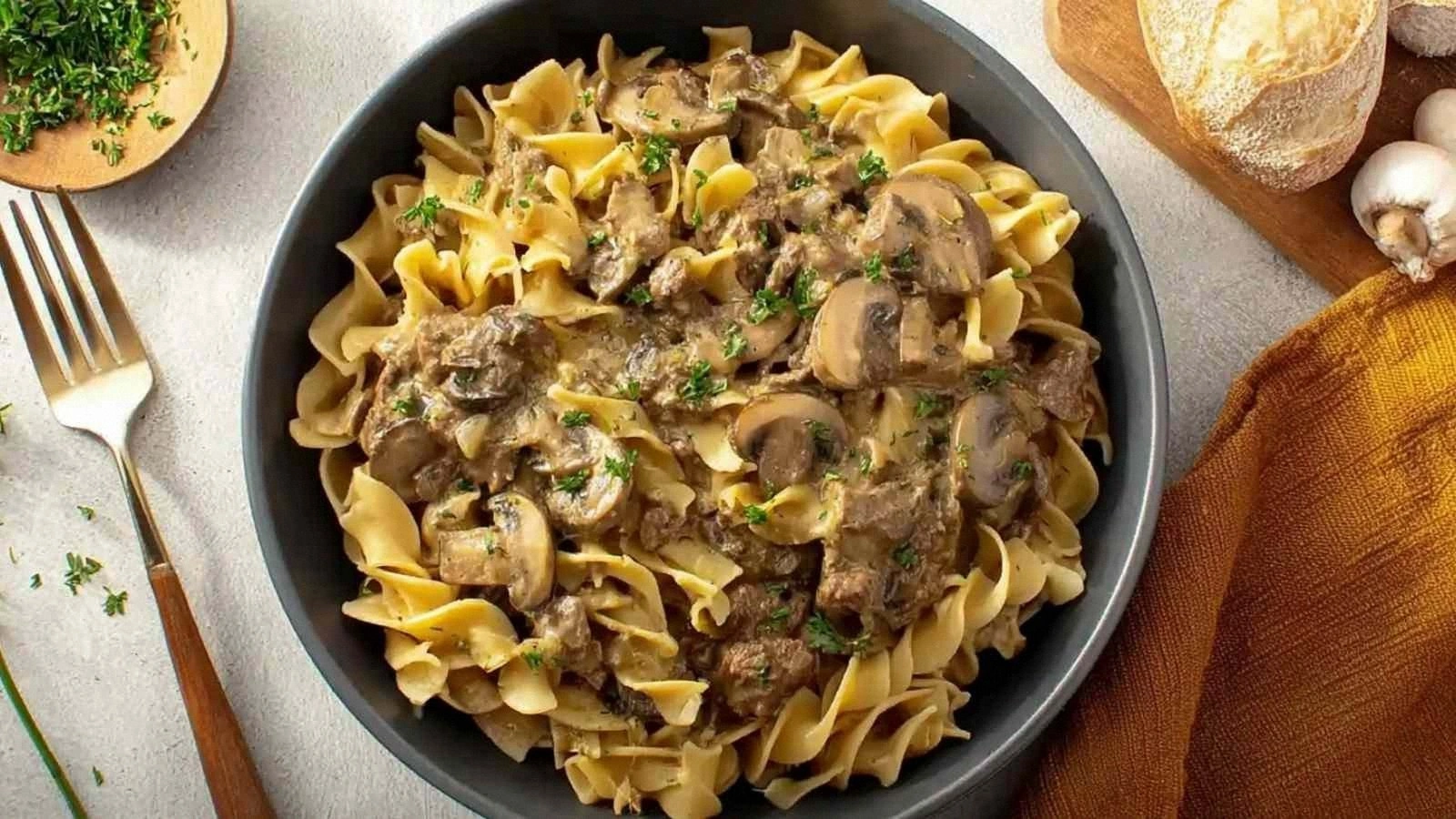
- Add the cooked noodles to the skillet, tossing to coat them in the luscious sauce. If the sauce seems thick, add a splash of reserved pasta water to loosen it. Let everything simmer together for 2 minutes, allowing the noodles to absorb the flavors fully. Sprinkle fresh parsley on top for a burst of color and freshness.
- Serve hot, ladling the sauce over the noodles. The dish should feel rich yet balanced, with a creamy coating that clings to every strand. This is the moment of truth—taste the harmony of protein, umami, and tang. Enjoy and savor the culmination of your culinary effort.
That’s it—you did it. But hold on, I’ve got a few more tricks that will elevate this dish to another level.
Insider Tricks for Flawless Results
The Temperature Rule Nobody Follows
Cooking at the right temperature is critical to achieving the perfect sear and sauce consistency. Too high, and the beef will burn; too low, and it will steam and lose flavor. Keep the skillet at medium‑high for the initial sear, then lower to medium when adding butter and aromatics. This approach ensures a caramelized crust without overcooking the interior. A friend once tried searing at high heat and ended up with a charred exterior and a soggy center—lesson learned.
Why Your Nose Knows Best
Trust your nose to gauge doneness. As the beef cooks, a rich, meaty aroma will fill the kitchen. When the onions turn translucent, the garlic’s scent will become sweet and nutty. The mushrooms will release their earthy perfume. If you smell a sharp, burnt note, it’s time to lower the heat. This sensory check is the quickest way to avoid overcooking.
The 5‑Minute Rest That Changes Everything
After cooking, let the dish rest for five minutes before serving. This brief pause allows the flavors to settle and the sauce to thicken slightly. It also gives the beef a chance to re‑absorb juices, ensuring each bite is juicy. I’ve seen dishes that are perfectly cooked on the stove but taste flat because they’re served immediately. The rest period turns them into a savory masterpiece.
The Perfect Pasta Water Trick
Reserve a cup of pasta water before draining. Its starch content helps bind the sauce to the noodles, creating a cohesive dish. If the sauce feels too thick, add a splash of this water to loosen it. This trick is especially useful when you’re aiming for a silky finish. I once used it to salvage a sauce that had thickened too much, and it worked like a charm.
The Quick Garnish Game
Fresh parsley not only adds color but also a bright, herbal note that cuts through richness. Chop it finely and sprinkle it over the finished dish. The green flecks provide a visual contrast, making the plate look inviting. A pinch of crushed red pepper can add a subtle heat if you like a bit of spice. This garnish is a simple way to elevate the presentation.
Creative Twists and Variations
This recipe is a playground. Here are some of my favorite ways to switch things up:
Low‑Carb Delight
Swap the egg noodles for zucchini noodles or cauliflower rice. The texture changes but the sauce still clings beautifully. This variation keeps the protein high while cutting carbs dramatically. It’s perfect for keto or paleo diets. The result is a light, yet satisfying meal.
Herb‑Infused Surprise
Add a handful of fresh rosemary or thyme during the sauté stage. The herbs infuse the beef with aromatic depth. Be careful not to overdo it; herbs can overpower the delicate yogurt finish. A pinch of dried oregano can also add a Mediterranean twist. This version pairs well with a side of roasted vegetables.
Cheesy Twist
Fold in a quarter cup of shredded sharp cheddar just before serving. The cheese melts into the sauce, creating a creamy, gooey texture. It adds a savory richness that complements the tangy yogurt. This variation is great for kids who love cheese. Just make sure the heat is low to prevent the cheese from separating.
Spicy Kick
Incorporate a teaspoon of cayenne pepper or a dash of hot sauce into the sauce. The heat will cut through the richness and add a bold flavor profile. Pair it with a cooling side like cucumber salad to balance the spice. This version is ideal for those who like a little fire in their meal.
Vegetarian Upgrade
Replace the beef with a protein‑rich lentil or chickpea mix. The lentils provide a meaty texture and absorb the sauce well. Keep the rest of the ingredients the same for a familiar flavor. This version is perfect for a plant‑based diet while still delivering the protein punch.
Mediterranean Flair
Swap the Dijon mustard for a spoonful of harissa or a splash of red wine vinegar. Add sun‑dried tomatoes for a sweet, tangy burst. The sauce becomes a Mediterranean‑inspired masterpiece. Serve over couscous or quinoa for a complete meal. This variation offers a unique flavor adventure.
Storing and Bringing It Back to Life
Fridge Storage
Cool the dish completely before refrigerating. Store it in an airtight container for up to three days. The sauce may thicken slightly, but it will reheat smoothly. When ready to eat, reheat over low heat, stirring gently to prevent separation. This method preserves the creamy texture and flavor.
Freezer Friendly
Place the cooled dish in a freezer‑safe container, leaving space for expansion. Freeze for up to two months. Thaw overnight in the fridge before reheating. When reheating, add a splash of water or broth to restore moisture. This technique keeps the dish fresh and convenient for busy days.
Best Reheating Method
The ideal way to reheat is on the stovetop over low heat, stirring frequently. If the sauce has thickened, add a tiny splash of water to bring it back to its silky consistency. Avoid microwaving, as it can separate the yogurt. A quick tip: cover the skillet to keep the steam in, ensuring even heating.