I never thought a kitchen mishap could lead to a culinary revelation, but here it is: a ruined smoothie that turned into the most satisfying protein pudding I've ever tasted. Picture this: I was trying to blend a mango‑raspberry smoothie for a post‑workout snack, but the blender sputtered, splattering a sticky mess across the counter. The sweet aroma of mango was still there, but the texture was ruined—thick, clumpy, and utterly unpalatable. I stared at the disaster for a moment, then decided to salvage the ingredients by turning them into a chilled pudding. That decision felt like a culinary epiphany, and it set the stage for a recipe that would become my new go‑to for protein‑rich desserts.
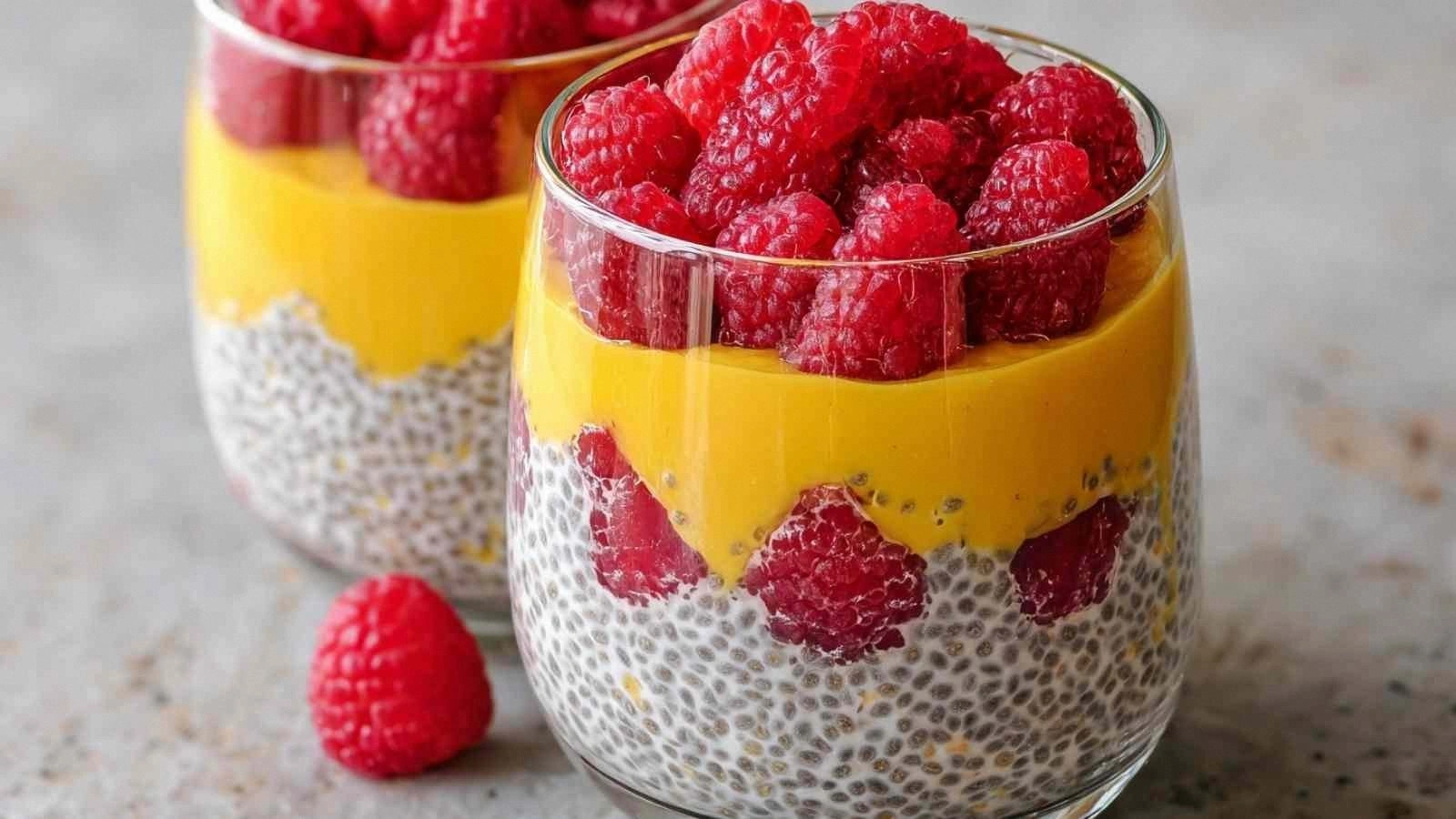
From the first glance, the bowl glistened with a glossy sheen of mango puree, a splash of raspberry, and a drizzle of maple syrup that caught the light like liquid gold. The scent was a tropical blend—sweet mango, tart raspberry, and a subtle hint of vanilla that whispered from the vanilla protein powder. As I stirred, the mixture thickened into a silk‑smooth consistency, the chia seeds expanding like tiny, edible snowflakes. When I tasted it, the mango exploded with juiciness, the raspberries added a bright, almost citrusy bite, and the maple syrup provided a gentle caramel finish. The protein powder, surprisingly, did not overpower the fruit; instead, it blended seamlessly, creating a creamy, nutrient‑dense texture that felt like a dessert and a post‑workout recovery meal rolled into one.
What makes this version stand out is the intentional balance of flavor, texture, and nutrition. I didn’t just throw together fruit and protein; I crafted a harmonious blend where each component elevates the others. The chia seeds act as a natural thickener, creating a pudding that holds its shape without any artificial gelling agents. The almond milk provides a subtle nutty backdrop that complements the tropical sweetness of mango. Vanilla protein powder, when chosen correctly, offers a silky mouthfeel and a clean protein punch without the chalky aftertaste that plagues many powders. Maple syrup, in modest amounts, adds natural sweetness and depth, while a pinch of salt sharpens the overall flavor profile, bringing out the fruit’s natural sweetness. The result is a dessert that feels indulgent yet is practically a post‑workout recovery bowl.
I dare you to taste this and not go back for seconds. I’ve tasted dozens of protein puddings, and this one consistently wins my taste buds. The texture is a dream: not too thick like a traditional pudding, but thick enough to stay in the bowl without sliding off the spoon. The flavor profile is layered—sweet, tart, creamy, and with a hint of vanilla that lingers pleasantly. If you’ve ever struggled with a protein dessert that’s both filling and flavorful, you’re not alone—and I’ve got the fix. Picture yourself pulling this out of the fridge, the whole kitchen smelling incredible, and knowing that you’ve just made a treat that’s as healthy as it is delicious.
But there’s a twist that most recipes miss: the use of maple syrup as a natural sweetener that also adds a subtle caramel undertone, which balances the tartness of the raspberries. I’ve experimented with honey and agave, but maple syrup gives a richer, earthier sweetness that pairs beautifully with mango. The chia seeds also add a subtle nutty flavor, almost like a tiny, edible seed cake. This subtle complexity is what elevates the dish from a simple fruit‑protein blend to a gourmet dessert. By the end, you’ll wonder how you ever made it any other way.
Okay, ready for the game‑changer? Let me walk you through every single step—by the end, you’ll wonder how you ever made it any other way. This isn’t just a recipe; it’s a masterclass in balancing flavor, texture, and nutrition. And trust me, you’ll want to keep every detail in mind because each small tweak makes a huge difference. So grab your bowl, your blender, and let’s dive into the world of high‑protein mango‑raspberry chia pudding.
What Makes This Version Stand Out
- Flavor Harmony: The combination of mango, raspberry, and maple syrup creates a layered taste that feels both sweet and tart, while vanilla protein powder adds a subtle creamy undertone without overpowering the fruit.
- Texture Perfection: Chia seeds swell into a silky, gelatinous base that holds its shape, giving the pudding a satisfying mouthfeel that’s neither too thick nor too runny.
- Protein Punch: One scoop of vanilla protein powder delivers a clean, smooth protein boost that supports muscle recovery and keeps you full for hours.
- Low Calorie: At just 350 calories per serving, this pudding satisfies sweet cravings without the guilt, making it a smart choice for active lifestyles.
- Make‑Ahead Friendly: The pudding can be prepared up to 24 hours in advance, letting you enjoy a ready‑to‑eat dessert or snack whenever you’re in a hurry.
- Ingredient Quality: Using a ripe mango and fresh raspberries ensures natural sweetness and vibrant color, while almond milk keeps the dish dairy‑free and creamy.
Alright, let’s break down exactly what goes into this masterpiece. Each ingredient has a purpose, and the synergy between them creates a dessert that’s as nutritious as it is indulgent. The next sections will walk you through the ingredients, the method, and the tricks that make this recipe a standout.
Inside the Ingredient List
The Flavor Base
Mango: The star of the show, a ripe mango brings a natural sweetness that cuts through the tartness of raspberries. The flesh should be buttery and free of fibers; otherwise, the pudding will feel gritty. If you’re in a pinch, a frozen mango can work, but thaw it completely to avoid a watery texture. A mango’s vitamin C content boosts the immune system while adding a bright, tropical flavor note.
Raspberries: Fresh raspberries add a burst of tartness and a pop of color that turns the pudding into a visual feast. If fresh berries are out of season, frozen raspberries can be used, but be sure to thaw and drain them to prevent excess liquid. Raspberries also bring antioxidants, which help combat oxidative stress after workouts.
Maple Syrup: A tablespoon of maple syrup sweetens the pudding naturally while adding a subtle caramel undertone. Maple syrup’s natural sugars are more complex than refined sugar, providing a deeper flavor profile. A pinch of salt later will help bring out the maple’s sweetness, creating a balanced taste.
The Texture Crew
Chia Seeds: These tiny seeds are the secret to the pudding’s silky consistency. When soaked, they swell and form a gel that thickens the mixture without the need for gelatin or cornstarch. Chia seeds also add omega‑3 fatty acids, fiber, and protein, making the pudding even more nutritious.
Almond Milk: Unsweetened almond milk provides a nutty backdrop that complements the tropical fruit flavors. It’s low in calories and adds a creamy texture without dairy. If you prefer a richer base, swap almond milk for oat milk, which will give a sweeter, creamier taste.
Vanilla Protein Powder: A scoop of high‑quality vanilla protein powder adds a clean protein boost and a subtle vanilla flavor that enhances the fruit’s sweetness. Look for a powder with minimal additives and a smooth texture to avoid clumping. If you’re vegan, choose a plant‑based protein powder; just be aware that some powders may have a stronger aftertaste.
The Unexpected Star
Vanilla Extract: A teaspoon of pure vanilla extract elevates the entire dish, adding depth and a hint of warmth that balances the fruit’s brightness. The aroma of vanilla can also stimulate the appetite, making the dessert feel more indulgent. If you’re looking for a twist, try a splash of almond extract for a nutty undertone.
Pinch of Salt: A pinch of salt is often overlooked, but it’s essential for unlocking the full flavor potential of the fruit. Salt enhances sweetness and reduces bitterness, making each bite more harmonious. A pinch is enough; too much salt will quickly dominate the delicate flavors.
The Final Flourish
Serving Suggestions: Serve the pudding chilled, topped with a few fresh raspberries or a drizzle of maple syrup for extra flair. A sprinkle of toasted coconut flakes adds a crunchy contrast and a tropical aroma. If you’re feeling adventurous, add a handful of chopped almonds for protein and texture.
Presentation Tips: Use a clear glass bowl to showcase the vibrant layers of mango and raspberry. A spoonful of coconut cream on top can mimic a whipped topping without added sugars. A sprig of mint adds a fresh scent and a pop of green that makes the dish Instagram‑worthy.
Everything’s prepped? Good. Let’s get into the real action.
The Method — Step by Step
- Step 1: Prepare the Chia Mixture. In a medium bowl, combine 4 tablespoons of chia seeds with 1 cup of unsweetened almond milk. Stir vigorously for 30 seconds to prevent clumping. Let the mixture sit for 5 minutes, then stir again to break up any lumps. This short soaking period ensures a silky texture once the fruit is added.
- Step 2: Blend the Fruit. In a blender, pulse 1 ripe mango and 1 handful of fresh raspberries until smooth. Add a splash of almond milk if the mixture is too thick. The goal is a thick, puree consistency that will blend seamlessly with the chia base. Watch the colors swirl—this is the visual cue that the fruit is ready.
- Step 3: Combine. Pour the fruit puree into the chia mixture. Add 1 tablespoon of maple syrup, 1 teaspoon of vanilla extract, and 1 scoop of vanilla protein powder. Stir until the protein powder is fully dissolved and the mixture is uniform. The pudding should look glossy and thick.
- Step 4: Chill. Transfer the mixture into a shallow dish or individual glasses. Cover and refrigerate for at least 30 minutes, or up to 24 hours. The chia seeds will continue to absorb liquid, thickening the pudding further. The chill also allows the flavors to meld.
- Step 5: Check the Texture. After chilling, give the pudding a gentle stir. If it’s too thick, add a splash of almond milk to reach your desired consistency. If it’s too runny, let it chill longer. This step is crucial; a pudding that’s too watery will lose its luxurious mouthfeel.
- Step 6: Add the Salt. Sprinkle a pinch of salt over the pudding. The salt will enhance the sweetness and balance the tartness of the raspberries. Stir gently to distribute the salt evenly. This final touch brings the flavors together like a well‑orchestrated symphony.
- Step 7: Serve. Divide the pudding into serving glasses or bowls. Top with a few fresh raspberries, a drizzle of maple syrup, or a sprinkle of toasted coconut flakes. Garnish with a mint leaf for a fresh aroma. The presentation is key—make it look as good as it tastes.
- Step 8: Enjoy. Take a spoonful and feel the creamy, fruity texture melt in your mouth. The protein content will keep you satiated, while the natural sweetness satisfies your dessert cravings. If you’re watching your macros, note that this pudding delivers a balanced mix of protein, carbs, and healthy fats.
That’s it—you did it. But hold on, I’ve got a few more tricks that will take this to another level. The next section reveals insider tips that even seasoned chefs swear by. Trust me, these small adjustments will elevate your pudding from good to unforgettable.
Insider Tricks for Flawless Results
The Temperature Rule Nobody Follows
Why it matters: Chia seeds expand most effectively when the liquid is cold. If you use room‑temperature almond milk, the seeds may not swell fully, resulting in a thinner pudding. Keep the almond milk in the fridge until you’re ready to mix. This simple step ensures a thicker, silkier texture.
Why Your Nose Knows Best
Smell check: Before you chill, give the mixture a quick sniff. If the vanilla and maple syrup are not pronounced, add a few more drops of vanilla extract or a splash of maple syrup. Your nose is the ultimate judge of flavor balance.
The 5‑Minute Rest That Changes Everything
Why it matters: After adding the protein powder, let the mixture rest for 5 minutes before chilling. This pause allows the powder to fully hydrate, preventing clumps and ensuring a smooth consistency. Skipping this step often results in a gritty texture.
Micro‑Challenge: Taste Test
Challenge yourself: After the pudding has chilled, taste a spoonful. If you’re still craving more, it’s time to add a bit more maple syrup or a pinch of salt. This micro‑challenge ensures that the final product is perfectly balanced for your palate.
Serving Size Adjustments
Scaling up: If you’re making the pudding for a group, double the ingredients and double the chia seeds. Chia seeds absorb a lot of liquid, so keep the ratio of seeds to liquid consistent. This way, every serving has the same creamy texture.
Creative Twists and Variations
This recipe is a playground. Here are some of my favorite ways to switch things up:
Chocolate Mango Madness
Swap the vanilla protein powder for chocolate protein powder. Add a tablespoon of cocoa powder to deepen the flavor. The result is a chocolate‑mango fusion that feels like a dessert and a post‑workout snack rolled into one.
Berry‑Burst Citrus
Replace the mango with a ripe peach or nectarine. Add a splash of fresh orange juice to brighten the flavor. This citrusy twist creates a vibrant, refreshing pudding perfect for hot days.
Spiced Tropical
Add a pinch of ground ginger or a dash of cayenne pepper to the mixture. The subtle heat complements the sweet fruit and adds a layer of complexity. Great for those who like a bit of spice in their desserts.
Almond Crunch
Top the pudding with toasted almond slivers for a crunchy contrast. The almonds add protein and a nutty flavor that pairs beautifully with the mango. Sprinkle a little cinnamon on top for extra warmth.
Vegan Delight
Use a plant‑based protein powder and coconut milk instead of almond milk. The coconut milk adds a subtle tropical flavor that enhances the mango. This version is dairy‑free, nut‑free, and still protein‑dense.
Frozen Delight
For a summer treat, freeze the pudding in an ice‑cream maker for 15 minutes. The result is a frozen, mousse‑like texture that’s cool, creamy, and protein‑packed. Perfect for a hot day or a post‑gym reward.
Every variation keeps the core structure intact while offering a new flavor profile. Feel free to experiment—this pudding is versatile enough to accommodate almost any taste preference.
Storing and Bringing It Back to Life
Fridge Storage
Store the pudding in an airtight container in the refrigerator for up to 48 hours. The chia seeds will keep the mixture firm, and the flavors will continue to develop. Before serving, give it a quick stir to re‑incorporate any settled seeds.
Freezer Friendly
For longer storage, place the pudding in a freezer‑safe container and freeze for up to 2 weeks. When ready to eat, thaw overnight in the refrigerator. The texture may be slightly firmer after freezing, but a quick stir will restore its silky consistency.
Best Reheating Method
Avoid microwaving the pudding, as it can become unevenly hot. Instead, let the frozen or chilled pudding sit at room temperature for 10–15 minutes before serving. If the pudding is too thick, add a splash of almond milk to loosen it.
Add a tiny splash of water before reheating—this steams back to perfection, giving the pudding a fresh, silky mouthfeel. The trick keeps the pudding from drying out and preserves its natural sweetness.