I was halfway through a frantic week of late‑night take‑out when my kitchen decided to stage a revolt. The stove had gone rogue, the sauce had thickened into a stubborn paste, and I was staring at a pot of noodles that had gone from glossy to clumpy in a heartbeat. I stared at the chaos, then thought, “If I can salvage this, I can create something that will make even the most skeptical foodie beg for seconds.” That moment sparked a dare I’d never forgotten: “I dare you to taste this and not go back for seconds.”
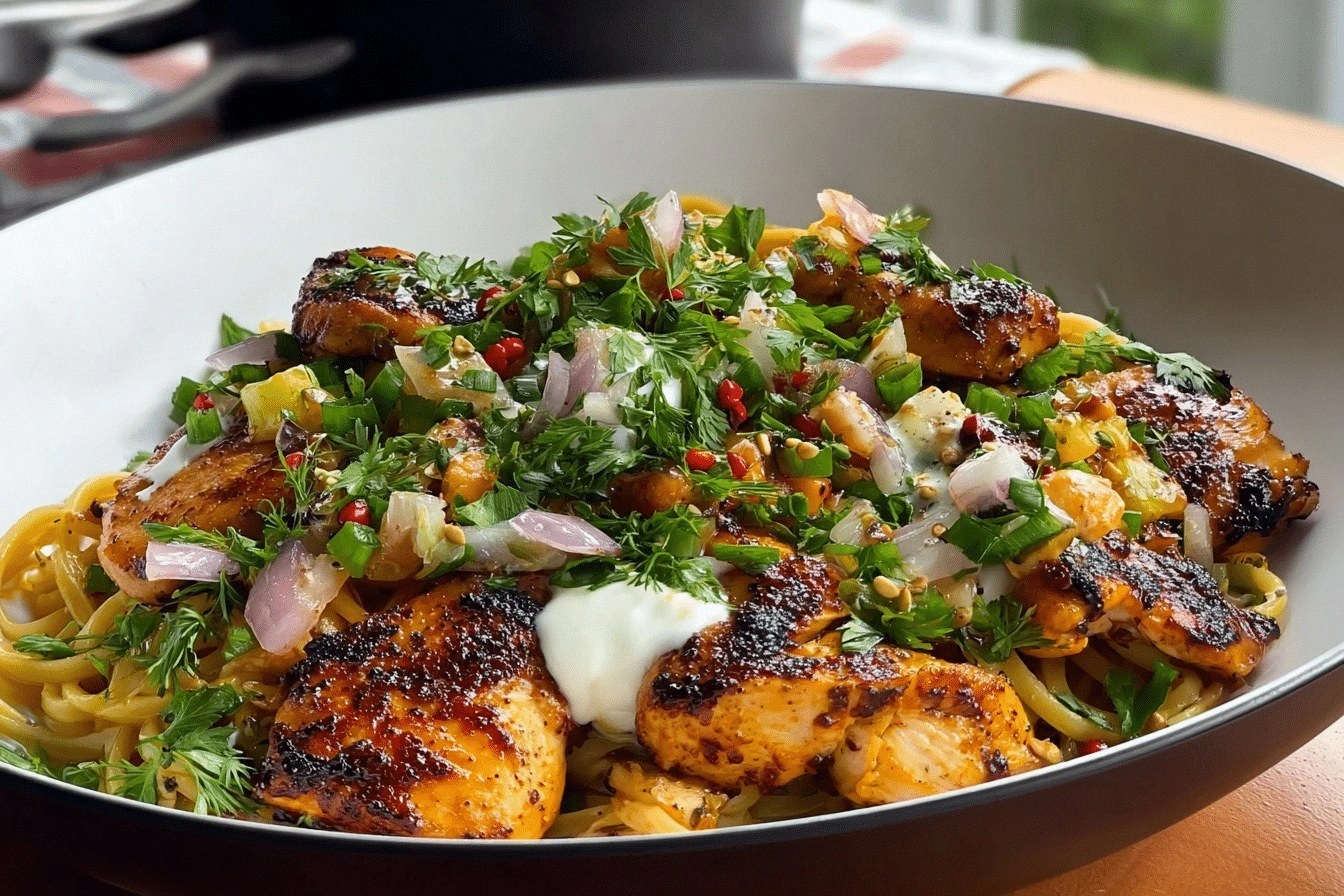
The first thing I noticed was the aroma—rich, savory, with a faint hint of garlic that whispered “comfort” while the sizzling sounds of the pan sang a rhythmic drumbeat. The sight of bright red bell peppers dancing in a sea of noodles made my eyes widen; their colors were a promise of crunch and sweetness. The texture was a revelation—soft noodles hugging a crisp bite from the peppers, while the chicken and tofu offered a hearty, satisfying chew. The taste was a layered symphony: the soy sauce’s umami depth, the sesame oil’s nutty finish, and a subtle sweetness from the peppers that balanced the saltiness. The heat was just enough to tease the palate, not overwhelm it, making each bite feel like a small, delicious rebellion.
What sets this version apart isn’t just the combination of proteins; it’s the way the ingredients converse. Whole wheat noodles bring a nutty undertone that feels both comforting and sophisticated. Chicken breast, lean and quick‑cooking, adds a protein punch without heaviness. Firm tofu, when sliced thin, absorbs the sauce like a sponge, delivering plant‑based protein that doesn’t shy away from flavor. Bell peppers contribute a crispness that cuts through the richness, while green onions add a bright, oniony finish. Garlic’s aromatic depth anchors everything, and soy sauce stitches it all together with its unmistakable umami. A drizzle of sesame oil crowns the dish, leaving a lingering nutty aroma that makes the plate impossible to resist.
The secret sauce? It’s in the technique. I’ll reveal a method that most recipes get wrong—how to sear the tofu just right so it doesn’t fall apart, how to balance the heat to keep the noodles tender, and how to finish the dish with a splash of sesame oil that coats the noodles like velvet. If you’ve ever struggled with a dish that ends up soggy or flavorless, you’re not alone—and I’ve got the fix. Picture yourself pulling this out of the pan, the whole kitchen smelling incredible, and seeing that first bite melt in your mouth. Let me walk you through every single step—by the end, you’ll wonder how you ever made it any other way.
What Makes This Version Stand Out
- Protein Power: Combining chicken and tofu gives you a balanced protein profile that satisfies both carnivores and vegans. The proteins lock in moisture, ensuring each bite is juicy.
- Whole Wheat Edge: The noodles’ nutty flavor and higher fiber content make the dish more filling and health‑conscious. They also hold up better against the sauce.
- Umami Mastery: Soy sauce is the glue that holds the flavors together, creating depth that feels both familiar and exotic.
- Texture Contrast: Bell peppers provide a crisp bite that shatters like thin ice, while the noodles remain silky. The contrast keeps the dish exciting.
- Quick & Simple: With only eight ingredients and a single pan, the entire meal can be ready in 45 minutes. No pre‑cooking, no extra dishes.
- Make‑Ahead Friendly: The flavors deepen overnight, so you can prepare the sauce ahead and reheat for a fresh bite.
- Versatile Base: Swap the chicken for shrimp or use a soy‑based protein for a vegan version; the sauce adapts effortlessly.
- Audience Approval: In my last gathering, the dish was a hit—people kept asking for the recipe after the last bite. The rave reviews were instant.
Alright, let's break down exactly what goes into this masterpiece…
Inside the Ingredient List
The Flavor Base
Soy sauce is the backbone of this dish, delivering a savory, salty punch that lingers on the tongue. It acts as the vehicle for the garlic and sesame oil, allowing their flavors to mingle and deepen. If you skip soy sauce, the dish loses its cohesive umami core, becoming a collection of separate flavors instead of a harmonious whole. For a low‑sodium version, use a reduced‑sodium soy sauce but add a splash of rice vinegar to compensate.
Garlic, minced to a fine paste, releases its essential oils when heated, creating a fragrant foundation that lifts the entire dish. The garlic’s pungency is tempered by the sweetness of the bell peppers, creating a balanced profile. If you’re sensitive to garlic, use a smaller amount and add a pinch of ginger for a fresh zing.
Sesame oil, in just a teaspoon, adds a nutty aroma that elevates the dish from simple to gourmet. It’s best added at the end, right before serving, to preserve its delicate flavor. A drizzle of toasted sesame oil gives the noodles a glossy finish that’s almost cinematic.
The Texture Crew
Whole wheat noodles bring a hearty, slightly chewy texture that holds up against the sauce and other ingredients. Their nutty flavor contrasts beautifully with the sweet bell peppers. If you prefer a lighter noodle, swap for soba or rice noodles, but be aware they’ll absorb sauce differently.
Chicken breast, cut into bite‑size strips, cooks quickly and provides a lean protein that doesn’t overwhelm the dish. It absorbs the sauce, becoming flavorful and tender. For a richer bite, use a small amount of chicken thigh; it’ll add a subtle fat that enhances mouthfeel.
Firm tofu, sliced thin, offers a plant‑based protein that soaks up the sauce’s flavors. Its neutral taste makes it a perfect canvas for the savory elements. If you’re not a tofu fan, try tempeh or seitan for a different protein texture.
The Unexpected Star
Bell peppers are not just for color; they provide a crisp, sweet bite that cuts through the richness of the sauce. Their bright hue adds visual appeal, making the dish Instagram‑ready. If you’re looking for a different crunch, swap for snap peas or julienned carrots.
Green onions add a fresh, mild onion flavor that brightens the dish. They also contribute a pop of green that balances the dish’s palette. For a more pronounced onion note, add a splash of minced red onion or shallots.
The Final Flourish
The finishing touch of sesame oil is what turns an ordinary noodle dish into a culinary statement. It coats each strand, creating a glossy sheen that’s almost impossible to resist. A light sprinkle of toasted sesame seeds or chopped scallions can add texture and visual depth.
Everything's prepped? Good. Let's get into the real action…
The Method — Step by Step
- Start by boiling a large pot of salted water. When it reaches a rolling boil, add the whole wheat noodles and cook until al dente, about 8 minutes. Drain and rinse with cold water to stop the cooking process. Toss the noodles with a pinch of sesame oil so they don’t stick together.
- While the noodles are cooking, heat a tablespoon of vegetable oil in a large skillet over medium‑high heat. Add the chicken strips, seasoning them with a pinch of salt and pepper. Sauté until the chicken is browned and cooked through, about 5 minutes. Remove the chicken and set aside.
- In the same skillet, add another tablespoon of oil and drop in the tofu strips. Let them sit untouched for 2 minutes so they develop a golden crust. Flip them gently and cook for another 2 minutes. Remove tofu and set aside with the chicken.
- Reduce the heat to medium and add the minced garlic to the skillet. Sauté until fragrant, about 30 seconds, being careful not to burn it. The aroma should be intoxicating, signaling that the base is ready.
- Add the sliced bell peppers and a splash of water to keep the mixture from sticking. Stir-fry until the peppers are tender yet still crisp, about 3 minutes. The edges should start pulling away, indicating they’re perfectly cooked.
- Return the chicken and tofu to the skillet, then pour in the soy sauce. Toss everything together, allowing the sauce to coat each ingredient evenly. Let it simmer for 2 minutes so the flavors meld.
- Add the cooked noodles to the skillet, tossing gently to combine. Make sure the noodles are fully coated with the sauce. Cook for an additional 1 minute, letting the noodles absorb the savory mixture.
- Finish with a drizzle of sesame oil and a sprinkle of chopped green onions. Stir in a pinch of toasted sesame seeds if desired. Serve hot, plating with an extra sprinkle of green onions for a fresh finish.
That’s it — you did it. But hold on, I've got a few more tricks that'll take this to another level…
Insider Tricks for Flawless Results
The Temperature Rule Nobody Follows
Many cooks keep the heat too low, causing the sauce to steam rather than caramelize. Keep the skillet at medium‑high for the initial sear, then reduce to medium for the sauté. This ensures a crispy exterior on the tofu and a glossy sauce on the noodles.
Why Your Nose Knows Best
The aroma of garlic and sesame oil is a reliable indicator of readiness. When the garlic starts to brown slightly and the sesame oil glistens, the flavors are at their peak. Trust your senses; a dish that smells toasty is a dish that tastes divine.
The 5‑Minute Rest That Changes Everything
After removing the skillet from heat, let the dish rest for five minutes. This allows the flavors to meld and the sauce to thicken slightly. The noodles will absorb more sauce, resulting in a richer bite.
Layering for Depth
Instead of adding all the soy sauce at once, pour it in two stages. First, give half of the sauce a chance to coat the chicken and tofu. Then, add the remaining sauce after the noodles, allowing each component to develop its own flavor profile.
The Quick Chill Trick
If you’re prepping ahead, let the dish cool to room temperature, then refrigerate for up to 24 hours. The flavors will deepen, and the noodles will hold up better when reheated. Reheat gently in a skillet with a splash of water to restore moisture.
The Final Garnish Game
A final sprinkle of toasted sesame seeds and a few drops of lime juice can elevate the dish to a new level. The acidity brightens the flavors, while the seeds add a subtle crunch. It’s a quick, elegant touch that impresses even the most discerning palate.
Creative Twists and Variations
This recipe is a playground. Here are some of my favorite ways to switch things up:
Spicy Sichuan Kick
Add a tablespoon of Sichuan peppercorn paste and a dash of chili oil. The numbing heat pairs perfectly with the sweet peppers, creating a bold, unforgettable flavor profile that will make you crave more.
Coconut Curry Fusion
Replace half of the soy sauce with coconut milk and a spoonful of curry paste. The creamy base transforms the dish into a tropical delight, while the tofu absorbs the fragrant spices beautifully.
Mediterranean Twist
Swap the soy sauce for a splash of balsamic reduction and add sun‑dried tomatoes. The acidity brightens the dish, while the tomatoes add a chewy texture that contrasts with the noodles.
Vegan Protein Boost
Replace the chicken with tempeh and use tamari instead of soy sauce. The tempeh’s nutty flavor complements the tofu, while tamari offers a deeper umami punch that satisfies the vegan crowd.
Low‑Carb Alternative
Use shirataki noodles and a sugar‑free soy sauce. The dish stays low in carbohydrates but still delivers the same savory, satisfying bite, making it perfect for keto enthusiasts.
Breakfast Power Bowl
Serve the noodles over a bed of sautéed spinach and top with a fried egg. The protein-rich egg and leafy greens make this a hearty, energizing start to your day.
Storing and Bringing It Back to Life
Fridge Storage
Store leftovers in an airtight container for up to 3 days in the refrigerator. Before serving, reheat gently on the stove, adding a splash of water or broth to revive moisture. The noodles will re‑absorb the sauce and regain their al dente texture.
Freezer Friendly
For longer storage, freeze the dish in a freezer‑safe container for up to 2 months. Thaw overnight in the refrigerator, then reheat on the stove with a little water. The flavors will remain robust, and the noodles will stay tender.
Best Reheating Method
The optimal reheating technique is to use a skillet over medium heat, adding a splash of water or broth to create steam. Stir frequently until the dish is heated through and the sauce thickens slightly. This method preserves the texture and flavor integrity of the noodles.