Love this? Pin it for later! 📌
There's something magical about the first snowfall of December—how it blankets the world in quiet anticipation of what's to come. Last New Year's Eve, as I watched those first flakes drift past my kitchen window, I found myself craving more than just the usual champagne toast. I wanted to create something that would make the moment linger, something that would welcome the new year with warmth and sweetness. That's when these honey glazed donuts were born.
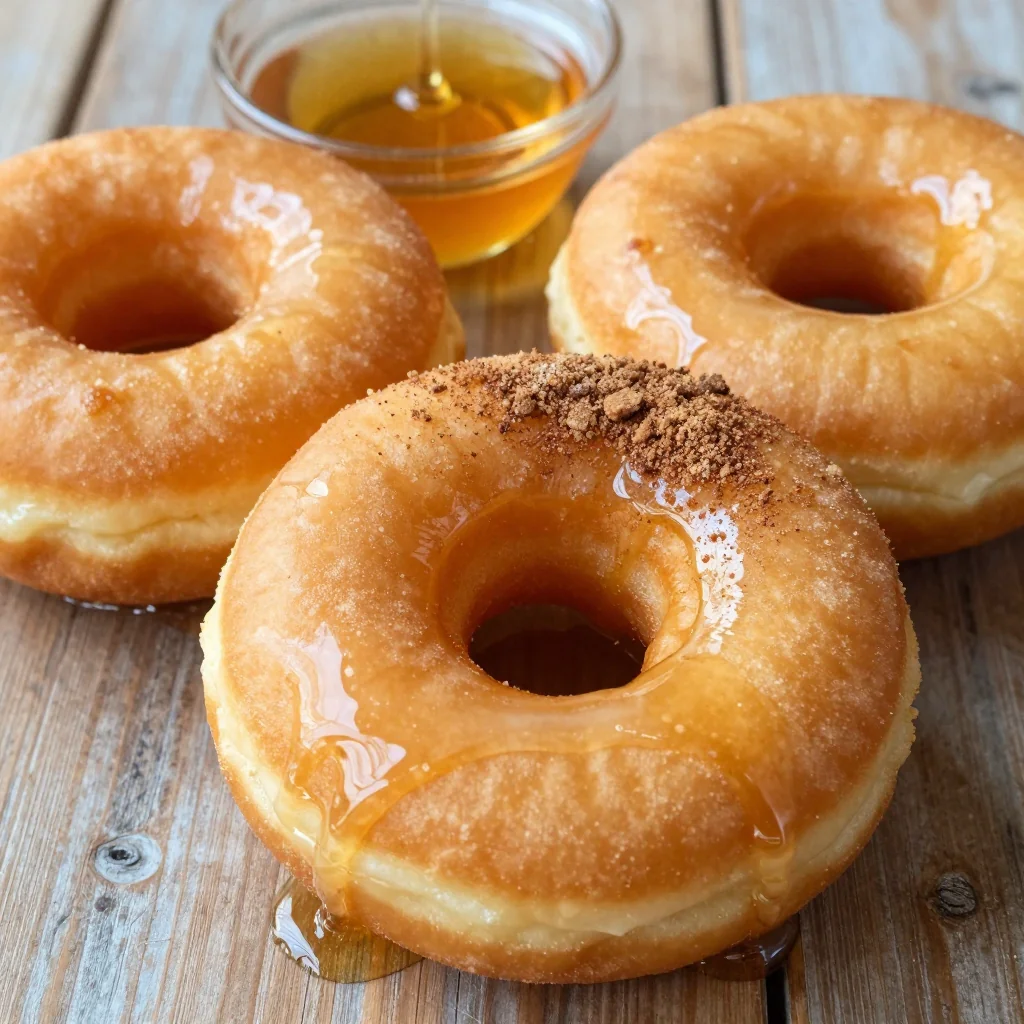
What started as a spontaneous baking session quickly became a cherished tradition. The aroma of yeasted dough mingling with honey's golden sweetness filled every corner of my home, drawing family members away from their screens and into the kitchen. We laughed as we shaped the donuts, some perfect rings and others delightfully wonky. The honey glaze, with its amber sheen, caught the twinkle of fairy lights we'd strung across the kitchen. When we finally bit into those warm, pillowy circles, the outside year seemed to melt away—replaced by pure, uncomplicated joy.
Now, these honey glazed donuts have become our New Year's signature treat. They're easier to make than you might think, requiring just a bit of patience as the dough rises. The result? Bakery-quality donuts that taste like hope and celebration in every bite. Whether you're hosting a New Year's brunch or simply want to greet January 1st with something special, these donuts promise to make your celebration sweeter.
Why This Recipe Works
- Perfectly Balanced Sweetness: The honey glaze delivers natural sweetness without overwhelming the delicate yeast dough
- Make-Ahead Friendly: Prep the dough the night before for stress-free New Year's morning frying
- Foolproof Technique: My tested method ensures light, airy donuts every single time
- Customizable Glaze: Add citrus zest, spices, or even a splash of bourbon to make it your signature
- Family Tradition Maker: Kids love cutting the shapes; adults love the sophisticated honey flavor
- Instagram-Worthy Results: That glossy honey coating photographs beautifully for your NYE posts
Ingredients You'll Need
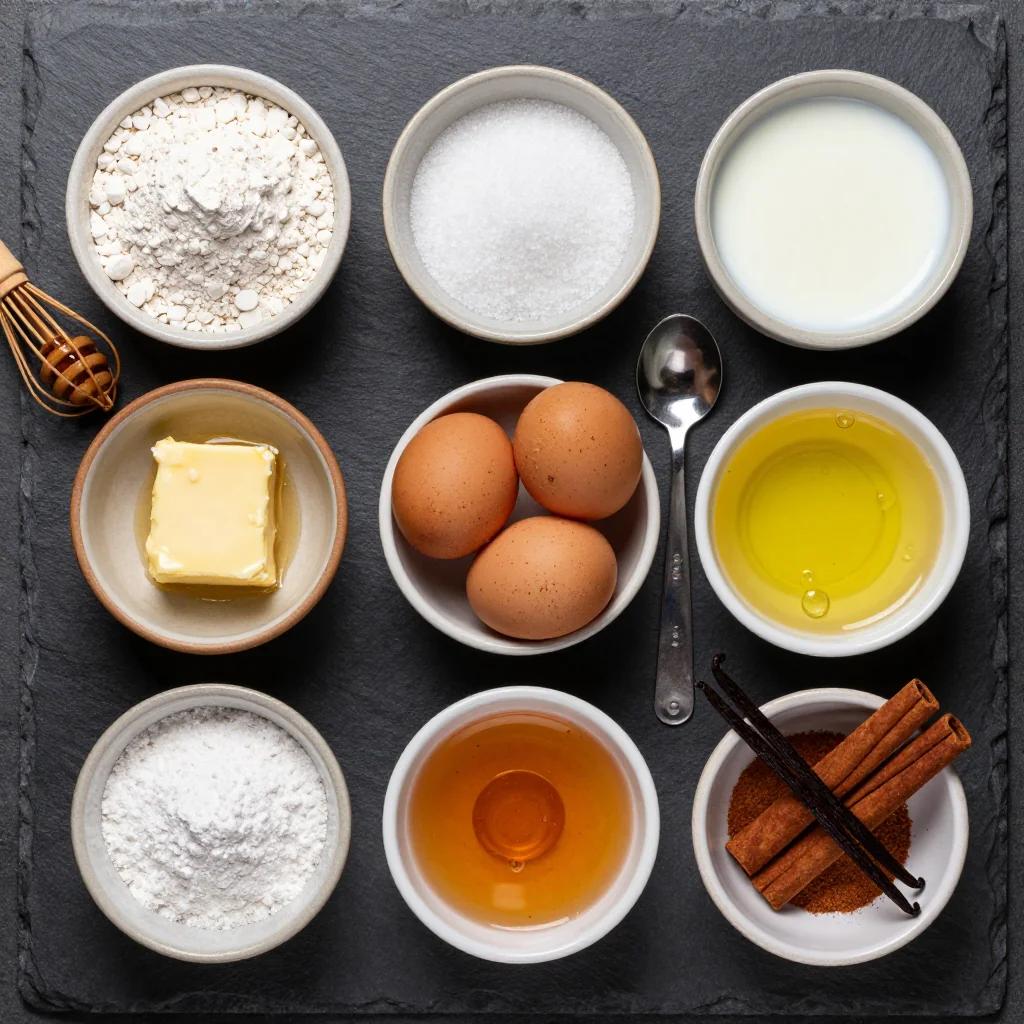
Before we dive into the magic of donut-making, let's talk ingredients. Quality matters here—this isn't the time for bargain-bin flour or that honey that's been sitting in your pantry since 2019. Each component plays a crucial role in creating donuts that'll make your guests swear you've secretly enrolled in pastry school.
All-Purpose Flour: I prefer King Arthur or Bob's Red Mill for their consistent protein content. You want flour that'll develop enough gluten to give your donuts structure without turning them chewy. If you're in a pinch, bread flour works but reduce the amount by 2 tablespoons per cup to avoid overly dense results.
Active Dry Yeast: Freshness is everything. Check the expiration date, and if it's been open longer than 4 months, buy new. I keep mine in the freezer to extend its life. Quick tip: if you're unsure about your yeast's vitality, proof it in warm water with a pinch of sugar—if it doesn't foam within 10 minutes, it's time to toss it.
Whole Milk: Full-fat milk creates the richest, most tender crumb. If you're dairy-free, oat milk works surprisingly well, though the donuts won't brown quite as beautifully. Whatever you choose, make sure it's at room temperature—cold milk shocks the yeast and slows down the rise.
Local Honey: This is where the magic happens. Skip the generic bear-shaped bottle and seek out local wildflower honey if possible. The floral notes will shine through in both the dough and the glaze. Orange blossom honey adds a citrusy brightness that's particularly lovely for New Year's.
Unsalted Butter: European-style butter with its higher fat content makes these donuts extra luxurious. Make sure it's properly softened—leave it out overnight rather than microwaving, which can create hot spots that melt unevenly into your dough.
Eggs: Room temperature eggs incorporate more easily into the dough. If you forgot to take them out ahead of time, place them in a bowl of warm water for 10 minutes while you prep other ingredients.
Pure Vanilla Extract: Splurge on the good stuff here. The artificial variety leaves a chemical aftertaste that competes with the honey. Nielsen-Massey or homemade vanilla extract are my go-tos.
Ground Nutmeg: Just a whisper transforms ordinary donuts into something that tastes like childhood and comfort. Freshly grated is divine, but ground works perfectly—just make sure it's not been sitting in your spice rack since the last millennium.
How to Make Honey Glazed Donuts From Scratch For A Sweet New Year's Treat
Activate the Yeast
In the bowl of your stand mixer (or a large mixing bowl if you're going old-school), combine 1/2 cup warm whole milk (105-110°F), 2 1/4 teaspoons active dry yeast, and 1 tablespoon honey. Let this mixture stand for 5-7 minutes until it's foamy and smells like a brewery. This step is crucial—if your yeast doesn't foam, your donuts won't rise properly. The honey feeds the yeast, creating a stronger rise and adding subtle sweetness to the dough itself.
Create the Dough Base
To your activated yeast mixture, add 1/4 cup melted and cooled unsalted butter, 2 large eggs (beaten), 1/3 cup honey, 1 teaspoon vanilla extract, and 1/4 teaspoon ground nutmeg. Mix on medium speed until everything is beautifully combined. The mixture will look like a sweet, fragrant soup—don't worry, that's exactly what we want at this stage.
Incorporate the Flour
Add 3 1/2 cups all-purpose flour and 1 teaspoon salt to your wet ingredients. Mix on low speed for 2-3 minutes until a shaggy dough forms. Increase speed to medium and knead for 8-10 minutes. The dough should pull away from the sides of the bowl and become smooth and elastic. If it's still sticky after 8 minutes, add flour 1 tablespoon at a time—be patient, as adding too much flour will create dense donuts. The perfect dough should feel like a soft, supple earlobe when you gently press it.
First Rise
Transfer your dough to a lightly oiled bowl, turning once to coat the top. Cover with plastic wrap and let rise in a warm, draft-free spot for 1 to 1 1/2 hours, or until doubled in size. I like to preheat my oven to 200°F, then turn it off and place the bowl inside with the door cracked. This creates the perfect environment for yeast to work its magic. While you wait, clean up your kitchen and maybe start a pot of coffee—the aroma of rising dough and brewing coffee is pure domestic bliss.
Roll and Cut
Punch down the risen dough (this is oddly satisfying) and turn it out onto a lightly floured surface. Roll to 1/2-inch thickness—no thinner, or your donuts will be crispy rather than pillowy. Using a 3-inch round cutter, cut out donuts, then use a 1-inch cutter for the centers. Gather scraps, reroll once, and cut again. Overworking the dough creates tough donuts, so be gentle. Place cut donuts on parchment-lined baking sheets, cover with kitchen towels, and let rise for 30-45 minutes until puffy and slightly jiggly when you shake the pan.
Heat the Oil
While your donuts are having their second rise, heat 2-3 inches of vegetable oil in a heavy-bottomed pot to 350°F. Use a candy thermometer to maintain temperature—too low and your donuts will be greasy, too high and they'll burn before cooking through. I prefer using a Dutch oven for its heat retention. If you don't have a thermometer, test by dropping a small piece of dough into the oil—it should sizzle immediately and turn golden in about 60 seconds.
Fry to Perfection
Carefully lower 2-3 donuts into the hot oil, being careful not to crowd the pot. Fry for 60-90 seconds per side until golden brown. Use a slotted spoon or spider to flip and remove. The donuts should puff dramatically and develop a beautiful golden crust. Drain on a wire rack set over a baking sheet. Between batches, let the oil return to temperature and skim off any brown bits—they can burn and impart bitter flavors to subsequent donuts.
Create the Honey Glaze
While donuts cool slightly, whisk together 2 cups powdered sugar, 1/3 cup honey, 2-3 tablespoons milk, 1 teaspoon vanilla extract, and a pinch of salt. The glaze should be thick enough to coat the back of a spoon but thin enough to set into a smooth shell. Add milk 1 teaspoon at a time to achieve the right consistency. For extra shine, add 1 tablespoon light corn syrup—this is the secret bakery trick for that magazine-worthy finish.
Glaze and Set
Dip the top of each warm donut into the glaze, letting excess drip off for 3-4 seconds. Place glazed-side-up on your wire rack. The glaze will set into a beautiful, crackly shell within 15-20 minutes. For a thicker coating, dip twice, letting the first layer set for 5 minutes before the second dip. Sprinkle with chopped nuts, edible flowers, or gold sanding sugar while the glaze is still wet for special occasion flair.
Serve and Celebrate
These donuts are at their absolute peak when served warm, about 30 minutes after glazing. The contrast between the slightly crisp exterior and cloud-soft interior is pure poetry. Arrange on a platter with fresh berries and serve alongside champagne for a New Year's brunch that feels both indulgent and hopeful. Leftovers (if you have any!) make incredible bread pudding or French toast the next morning.
Expert Tips
Perfect Oil Temperature
Maintain 350°F by adjusting heat as needed. Too hot? Remove pot from heat for 30 seconds. Too cool? Increase heat gradually. Consistent temperature equals perfectly cooked donuts.
Overnight Option
After the first rise, cover and refrigerate dough overnight. Let stand at room temperature for 30 minutes before rolling and cutting. Perfect for New Year's morning!
Glaze Consistency
Glaze too thick? Add milk 1/2 teaspoon at a time. Too thin? Whisk in 1 tablespoon powdered sugar. The perfect glaze should ribbon off your spoon.
Donut Hole Bonus
Don't discard those centers! Fry them for 30-45 seconds, shake in cinnamon sugar, and serve as irresistible donut holes. Kids (and adults) go crazy for them.
Prevent Greasy Donuts
Oil temperature dropping causes grease absorption. Fry in small batches, let oil recover between, and drain on a wire rack, not paper towels which trap steam.
Flavor Variations
Add 1 teaspoon orange zest to the dough for citrus notes, or 1/2 teaspoon cardamom for Scandinavian flair. Mix-ins should be minimal to maintain structure.
Variations to Try
Lavender Honey Donuts
Steep 1 tablespoon culinary lavender in your milk for 10 minutes, then strain. Add to dough for a floral note that pairs beautifully with the honey glaze.
Maple Bourbon Version
Replace honey in glaze with maple syrup and add 1 tablespoon bourbon. The alcohol cooks off, leaving complex flavor perfect for adult celebrations.
Spiced Winter Donuts
Add 1 teaspoon cinnamon, 1/2 teaspoon ginger, and 1/4 teaspoon cloves to your flour. Top glaze with crystallized ginger pieces for holiday warmth.
Citrus Burst Donuts
Add 2 tablespoons lemon zest and 1 teaspoon lemon extract to dough. Glaze with honey-lemon mixture and top with candied lemon peel for brightness.
Champagne Celebration
Replace milk in glaze with champagne for extra sparkle. Add edible gold leaf or gold sanding sugar for ultimate New Year's luxury.
Chocolate Honey Swirl
Drizzle melted dark chocolate over glazed donuts in artistic patterns. The bitter chocolate balances honey's sweetness beautifully.
Storage Tips
These donuts are best enjoyed fresh, but life (and New Year's celebrations) don't always cooperate with our timing. Here's how to keep them at their peak:
Room Temperature: Store unglazed donuts in an airtight container at room temperature for up to 2 days. Glazed donuts should be consumed within 24 hours for optimal texture. Place a paper towel in the container to absorb moisture and prevent sogginess.
Refrigeration: I don't recommend refrigerating glazed donuts as the cold causes the glaze to weep and become sticky. If you must, store unglazed donuts for up to 3 days, then refresh in a 300°F oven for 5 minutes before glazing and serving.
Freezing: Freeze unglazed donuts on a baking sheet until solid, then transfer to freezer bags for up to 2 months. Thaw at room temperature for 1 hour, then warm in a 300°F oven for 5-7 minutes before glazing. The glaze can be made ahead and stored covered in the refrigerator for up to 5 days—just bring to room temperature and whisk before using.
Make-Ahead Magic: The dough can be prepared through the first rise, then refrigerated overnight. Let stand at room temperature for 30 minutes before rolling and cutting. You can also fry donuts the evening before, store unglazed at room temperature, then glaze and serve warm the next morning—a game-changer for New Year's brunch hosting.
Frequently Asked Questions
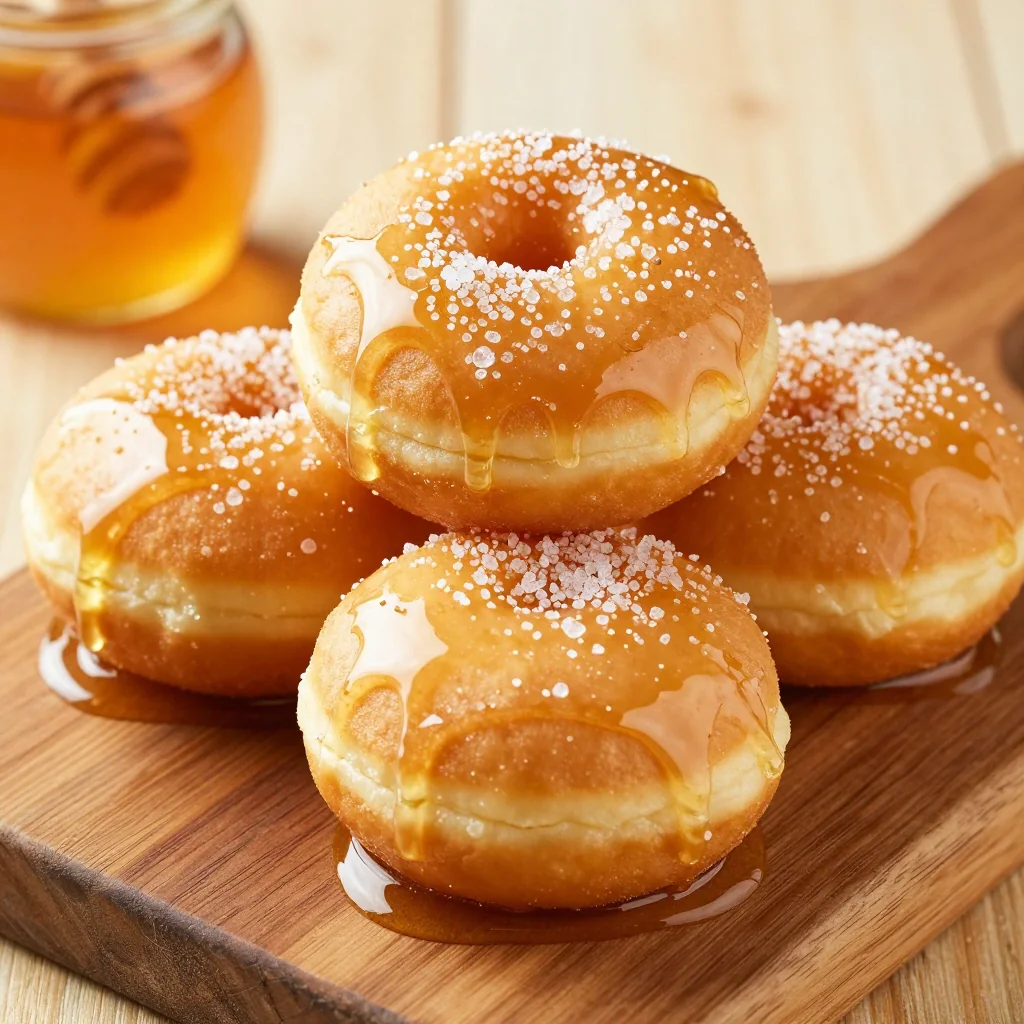
Honey Glazed Donuts From Scratch For A Sweet New Year's Treat
Ingredients
Instructions
- Activate Yeast: In mixer bowl, combine warm milk, yeast, and 1 tablespoon honey. Let stand 5-7 minutes until foamy.
- Make Dough: Add butter, eggs, 1/3 cup honey, vanilla, and nutmeg. Mix to combine. Add flour and salt, knead 8-10 minutes until smooth and elastic.
- First Rise: Place in oiled bowl, cover, and let rise 1-1.5 hours until doubled.
- Roll and Cut: Roll dough 1/2-inch thick, cut with 3-inch cutter, remove centers with 1-inch cutter.
- Second Rise: Let cut donuts rise 30-45 minutes until puffy.
- Fry: Heat oil to 350°F. Fry donuts 60-90 seconds per side until golden. Drain on wire rack.
- Glaze: Whisk powdered sugar, honey, milk, vanilla, and salt. Dip warm donuts in glaze, let set 15-20 minutes.
- Serve: Enjoy warm for best texture and flavor.
Recipe Notes
For best results, use a candy thermometer to maintain oil temperature. Donuts are best served warm but can be stored unglazed for 2 days at room temperature or frozen for up to 2 months.