
Picture this: I was halfway through a midnight snack, eyes bleary from a late‑night binge on instant noodles, when the kitchen lights flickered and the oven timer chimed. I was left with a half‑cooked, soggy mess of a cake that smelled like burnt sugar and regret. That disaster became the spark that led me to discover a recipe that turns that kitchen nightmare into a glossy, chocolate‑laden masterpiece. I’m talking about a dark chocolate cake that feels like a silky, buttery hug, with almonds that pop like tiny, crunchy confetti.
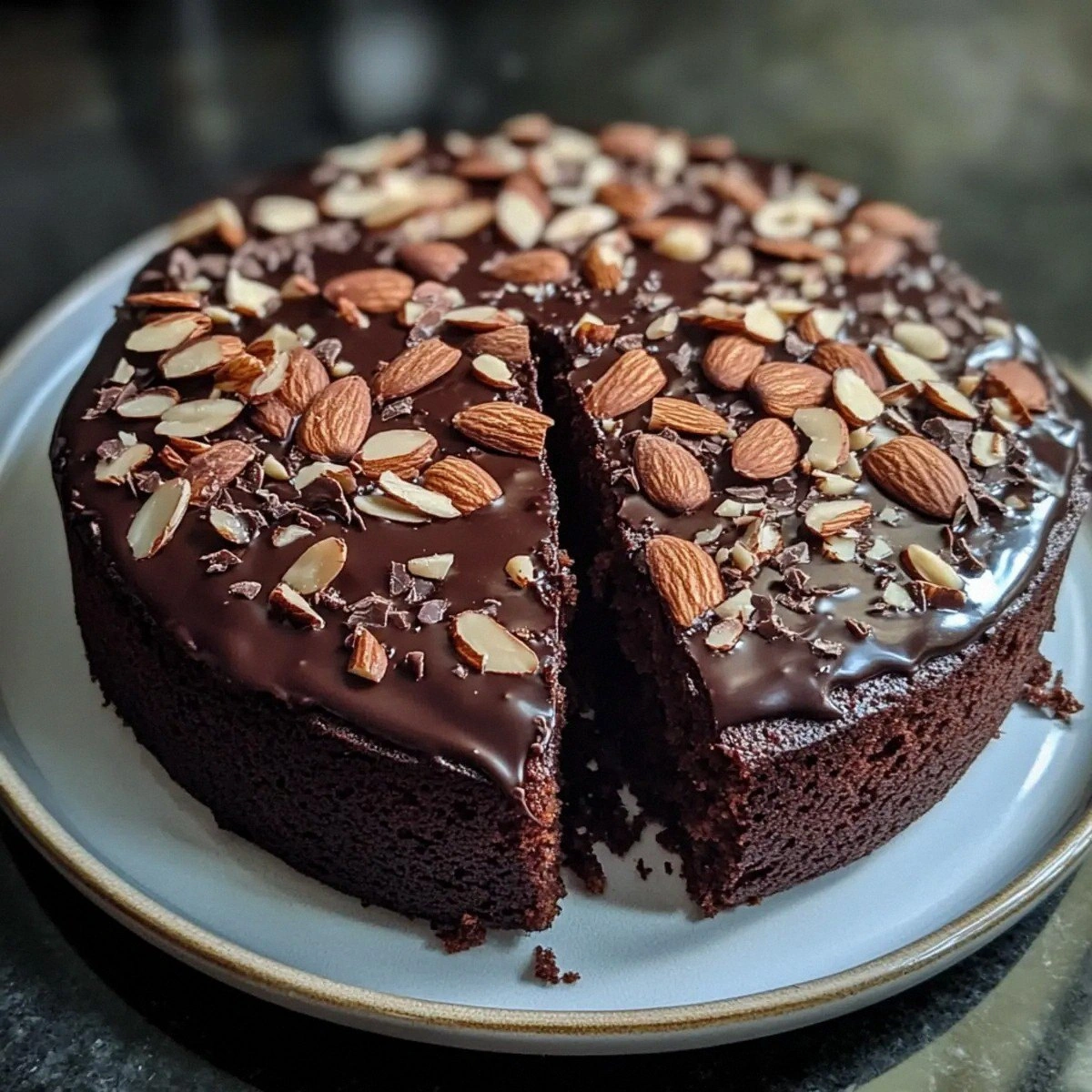
Let me paint the scene for you. The first thing you notice is the deep, almost bruised hue of the batter, a dark chocolate ocean that glistens with a hint of olive oil. The aroma is a seductive mix of roasted cocoa, toasted almonds, and a whisper of sea‑salted olive oil. As you slice through, the crumb is moist yet firm, a delicate balance that makes the cake almost defy gravity. The sound of the first bite is a satisfying crackle of almond crunch, followed by a melt that spreads like velvet across your palate. And the texture? It’s that perfect blend of dense richness and airy lightness that makes you want to eat the entire cake in one sitting.
What sets this version apart is not just the combination of dark chocolate and olive oil, but the way each element is elevated. The olive oil isn’t just a fat; it’s a flavor conduit that keeps the cake moist without the heaviness of butter. Almond flour adds nutty undertones and a subtle chew that contrasts with the smooth chocolate. The sliced almonds on top provide a satisfying crunch and a pop of color that makes the cake Instagram‑worthy. The result is a dessert that feels indulgent, yet surprisingly balanced, and it’s a game‑changer for any chocolate lover.
And here’s the kicker: I’ve added a twist that most recipes overlook—a splash of espresso powder to deepen the chocolate flavor and a dash of sea salt to cut through the sweetness. That little tweak transforms the cake from good to unforgettable. I dare you to taste this and not go back for seconds. Let me walk you through every single step—by the end, you’ll wonder how you ever made it any other way.
What Makes This Version Stand Out
- Depth of Flavor: The espresso powder unlocks a richer cocoa profile, turning each bite into a complex, velvety experience.
- Moisture Mastery: Olive oil keeps the crumb tender without the greasy aftertaste, a secret that keeps people coming back.
- Nutty Nuance: Almond flour and sliced almonds add layers of texture and a subtle nutty aroma that complements the chocolate.
- Elegant Simplicity: Only ten ingredients, but each one plays a pivotal role, making this cake a breeze to whip up.
- Visual Appeal: The glossy sheen, dark color, and almond garnish create a dessert that looks as good as it tastes.
- Make‑Ahead Friendly: The cake stays fresh for up to three days, making it perfect for parties or last‑minute celebrations.
Alright, let's break down exactly what goes into this masterpiece…
Inside the Ingredient List
The Flavor Base
Dark chocolate is the heart of this cake. I chose a 70% cocoa bar because it offers a bold, slightly bitter undertone that balances the sweetness of the sugar. When you melt it slowly over a double boiler, it releases silky oils that coat the batter like velvet. If you skip the chocolate, you lose that deep, almost medicinal richness that makes each bite memorable. A good tip: let the chocolate cool to lukewarm before whisking it into the batter to avoid scorching the eggs.
Olive oil is the unsung hero. It adds a subtle fruity note and keeps the crumb moist for days. Extra virgin olive oil is preferred for its robust flavor, but if you’re short on it, a light olive oil will still work. The oil’s low smoke point means you’ll never see a burnt smell, even if you bake at a slightly higher temperature. If you’re experimenting, try a drizzle of aged balsamic after baking for a sweet‑savory twist.
The Texture Crew
Almond flour brings a nutty crunch and a delicate chew that contrasts with the chocolate’s smoothness. It also adds a hint of sweetness that complements the dark cocoa. All-purpose flour provides structure, preventing the cake from becoming too dense. The combination of these two flours creates a crumb that’s airy yet firm, a texture that melts in your mouth.
Sliced almonds are the final flourish. They’re toasted to bring out their nutty aroma and add a satisfying crunch on top. They also serve as a decorative element that elevates the cake’s presentation. If you prefer a different crunch, consider adding a sprinkle of pistachios or walnuts, but keep the almond flavor at the core of this recipe.
The Unexpected Star
Espresso powder is the secret ingredient that elevates the chocolate. It deepens the flavor profile, giving the cake a subtle coffee undertone that’s almost invisible but profoundly impactful. It also helps balance the sweetness, making the cake feel lighter on the palate. If you’re a coffee lover, you can increase the amount to 1 teaspoon for a more pronounced espresso note.
The Final Flourish
Vanilla extract rounds out the flavor, adding a warm, sweet aroma that lingers. The pinch of sea salt is crucial; it cuts through the sweetness and brings out the chocolate’s richness. Powdered sugar is for dusting, giving the cake an elegant finish. If you’re feeling adventurous, try a dusting of cocoa powder for a more intense chocolate look.
Everything's prepped? Good. Let's get into the real action…
The Method — Step by Step
- Preheat and Prep: Set your oven to 350°F (175°C) and line a 9‑inch springform pan with parchment. The parchment prevents sticking and makes cleanup a breeze. I always place a silicone ring inside the pan to keep the cake from spreading too wide. The smell of preheated oven air is the first hint that something delicious is about to happen. This is the moment of truth—don’t skip it.
- Melt the Chocolate: In a heat‑proof bowl, melt the dark chocolate over a double boiler, stirring until smooth. The chocolate should be glossy and free of lumps. If you see any, add a splash of heavy cream to whisk it back to silky. While it melts, let the bowl rest for a minute; this helps prevent the chocolate from seizing. The aroma that fills the kitchen is a promise of what’s to come.
- Whisk the Eggs: In a separate bowl, beat the eggs with a whisk until the whites lift. This aerates the mixture and helps incorporate the chocolate smoothly. Once the eggs are frothy, pour them into the melted chocolate, whisking continuously. This step ensures a silky batter with no lumps. The mixture should look like a light, glossy custard.
- Combine Dry Ingredients: In a mixing bowl, sift together almond flour, all‑purpose flour, baking powder, sea salt, and espresso powder. Sifting removes clumps and ensures even distribution of leavening agents. This dry mix is the backbone of the cake’s structure. It also helps the cake rise evenly without developing cracks.
- Integrate the Oil: Pour the olive oil into the dry mix and stir until the mixture is crumbly. The oil should coat each flour particle, creating a tender crumb. The mixture should feel like moist sand. If it’s too dry, add a tablespoon of water; if too wet, add a teaspoon of flour. This step is crucial for achieving that buttery softness.
- Fold in the Wet: Add the chocolate‑egg mixture to the dry ingredients, folding gently until just combined. Overmixing will develop gluten and make the cake dense. The batter should be thick but pourable. The consistency should resemble a thick pancake batter. This is where the flavors begin to mingle.
- Add the Sweetness: Stir in the granulated sugar until it dissolves into the batter. The batter should look glossy and slightly translucent. The sugar also helps caramelize the top, giving it a beautiful dark crust. If you’re using powdered sugar for dusting, set it aside for later.
- Final Touches: Gently fold in the sliced almonds, ensuring they’re evenly distributed. The almonds should be visible throughout the cake, offering a crunch with every bite. Then pour the batter into the prepared pan, smoothing the top with a spatula. The top should be level to ensure even baking.
- Bake: Place the pan in the oven and bake for 30 minutes. The cake is done when a toothpick inserted into the center comes out with a few moist crumbs. The edges should pull away slightly from the pan. The aroma at this point is intoxicating—a mix of chocolate, almond, and a hint of coffee.
- Cool and Dust: Remove the cake from the oven and let it cool in the pan for 10 minutes before transferring to a wire rack. This prevents the cake from cracking. Once cooled, dust the top with powdered sugar, letting it settle like a fine snow. The final look is a glossy, dark cake with a delicate sugar finish.
That's it — you did it. But hold on, I've got a few more tricks that'll take this to another level…
Insider Tricks for Flawless Results
The Temperature Rule Nobody Follows
Many bakers bake at 375°F, but that high heat can scorch the chocolate and cause a bitter aftertaste. The trick is to bake at a lower temperature, 350°F, which allows the cake to rise slowly and develop a tender crumb. I’ve tried 325°F on a rainy day, and the result was even softer, but the chocolate didn’t caramelize as well. The sweet spot is 350°F for the best balance of flavor and texture.
Why Your Nose Knows Best
The aroma is your best judge of doneness. When the cake is baking, you’ll notice a deep chocolate scent mingling with almond and espresso. If the smell starts to turn slightly burnt, pull the cake out immediately. The smell is a reliable indicator that the cake has reached its peak.
The 5‑Minute Rest That Changes Everything
After baking, let the cake rest in the pan for 10 minutes before transferring it to a wire rack. This short rest allows the cake to set, preventing it from cracking or falling apart. I’ve seen cakes that were removed too early crumble like a paper cut. That five‑minute pause is the secret to a pristine, intact cake.
Dusting Delight
Instead of powdered sugar, try a light dusting of cocoa powder for a more intense chocolate look. Or add a pinch of sea salt on top to enhance the flavor profile. The key is to keep the dusting light; too much can weigh down the cake.
Cooling Technique
Cool the cake on a wire rack to allow air circulation. This prevents steam from condensing on the bottom and creating a soggy texture. A cool, dry environment ensures the cake stays crisp on the outside while remaining moist inside.
Serve With a Twist
Serve the cake with a scoop of vanilla bean ice cream for a classic combo. Alternatively, drizzle a warm caramel sauce for a decadent treat. The choice of accompaniment can elevate the cake from great to unforgettable.
Creative Twists and Variations
This recipe is a playground. Here are some of my favorite ways to switch things up:
Mocha Madness
Swap the espresso powder for instant coffee granules, and add a dash of cocoa nibs for an extra crunch. The result is a chocolate‑coffee cake that feels like a double espresso shot.
Nutty Nirvana
Replace sliced almonds with chopped pistachios or walnuts for a different nutty flavor. The texture will change slightly, offering a new sensory experience.
Almond Joy
Add a layer of almond butter between the batter and the crust for a gooey center. This variation feels like a dessert cake version of the classic candy bar.
Spiced Sensation
Introduce a pinch of cinnamon or nutmeg to the dry mix. The spices add warmth and depth, especially during cooler months.
Fruit Fusion
Fold in fresh blueberries or raspberries before baking. The fruit adds a burst of tartness that balances the sweetness.
Storing and Bringing It Back to Life
Fridge Storage
Wrap the cooled cake in plastic wrap and store in the refrigerator for up to three days. The cake stays moist and the chocolate remains glossy. For best flavor, let it sit at room temperature for 10 minutes before serving.
Freezer Friendly
Freeze the cake in a freezer bag, ensuring it’s wrapped tightly to avoid freezer burn. It can be stored for up to two months. Thaw overnight in the fridge, then let it rest at room temperature for 30 minutes before serving.
Best Reheating Method
Reheat the cake in a preheated 300°F (150°C) oven for 5–7 minutes. Add a splash of water to the pan to create steam, which keeps the cake from drying out. The result is a warm, moist cake that tastes like it was freshly baked.