I was standing in my kitchen on a sweltering July afternoon, the kind of heat that makes even the air feel like a lazy sigh. I had a half‑baked sponge that had somehow turned into a stubborn brick, and a sudden, almost reckless craving for something that tasted like sunshine wrapped in a cloud. I dared my roommate to a “who can finish the dessert first” challenge, and she laughed, thinking it was a joke—until she saw the mess I’d made. That moment of panic, the frantic scramble for a rescue plan, sparked the birth of this cake roll, and trust me, it’s the most triumphant comeback story you’ll ever taste.
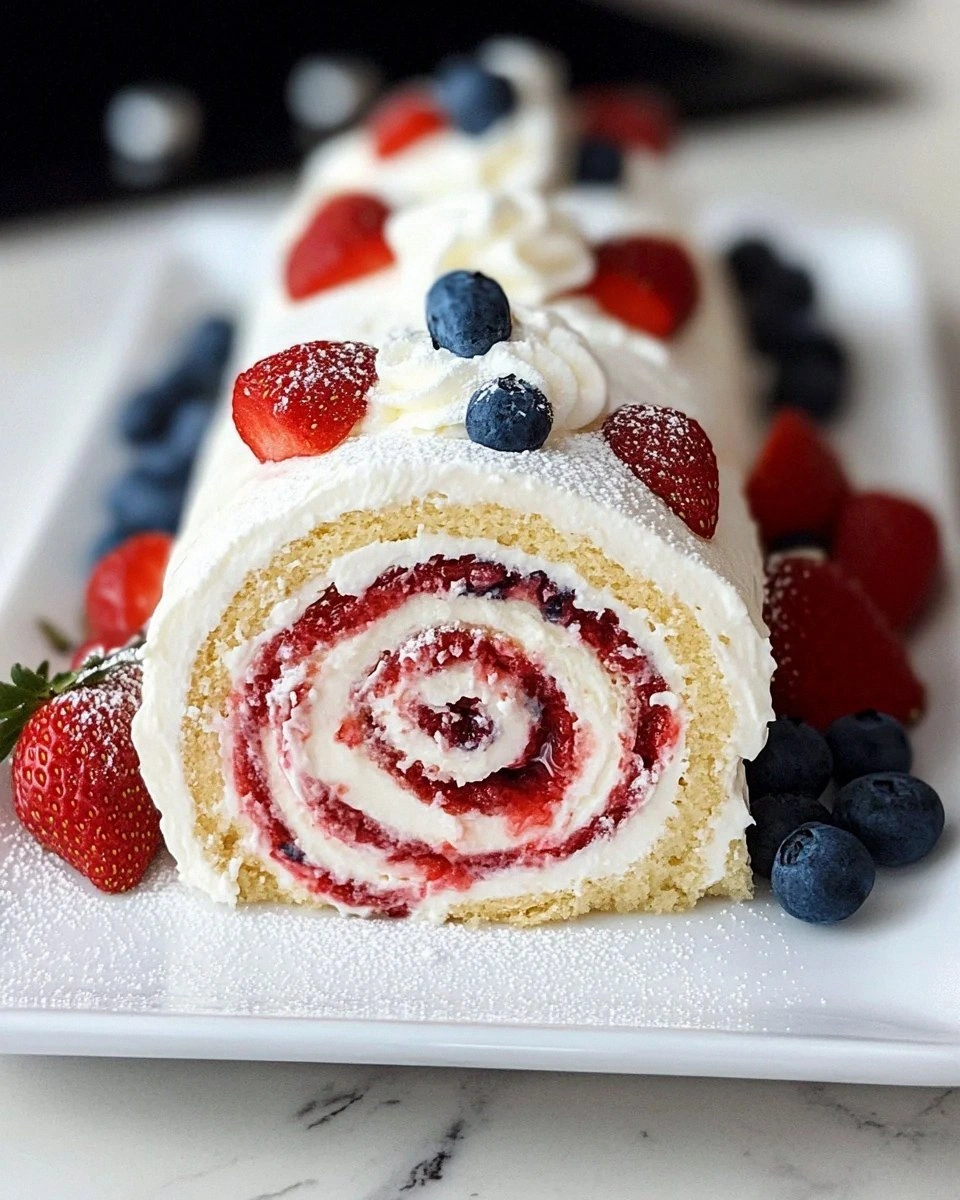
Picture this: a light, airy sponge that lifts off the pan with a whisper, a citrus‑bright filling that tingles your palate like a summer breeze, and a glossy raspberry glaze that glistens like a lake at sunset. The kitchen filled with the gentle hum of the oven, the faint crackle of sugar caramelizing, and the sweet perfume of fresh lemons and strawberries dancing together. My fingertips felt the coolness of the silicone mat as I rolled the cake, and the first bite was a revelation—soft, moist, and just the right amount of tangy to make your taste buds do a little happy dance. I dare you to taste this and not go back for seconds.
Most cake roll recipes get this completely wrong: they either over‑mix the batter, resulting in a rubbery texture, or they under‑bake, leaving a soggy center that collapses the moment you try to roll it. I’ve cracked the code by using a simple trick—folding the batter gently with a rubber spatula at just the right moment, and baking at a lower temperature for a longer, more even rise. The result? A flawless, spring‑y roll that holds its shape like a well‑trained gymnast. This version also sneaks in a surprise ingredient: a splash of orange blossom water that adds an ethereal floral note you never saw coming.
Okay, ready for the game‑changer? I’m about to walk you through every single step, from gathering the freshest ingredients to mastering the roll technique that will make you feel like a pastry pro. By the end, you’ll wonder how you ever made a cake roll any other way. Stay with me here — this is worth it.
What Makes This Version Stand Out
- Flavor Explosion: The combination of lemon zest, fresh strawberries, and a whisper of orange blossom water creates a bright, layered taste that sings like a summer chorus.
- Feather‑Light Texture: By folding the batter gently and baking at 325°F, the sponge stays airy, avoiding the dreaded rubbery bite.
- Simple Steps: No fancy equipment—just a mixing bowl, a silicone mat, and a trusty kitchen towel for the roll.
- Unique Ingredient: The orange blossom water is the secret weapon that elevates the flavor without overwhelming it.
- Crowd‑Pleaser: Even the most skeptical dessert skeptics have confessed they’d trade their favorite pastry for a slice of this roll.
- Premium Produce: Using ripe, locally sourced strawberries adds natural sweetness and a burst of color.
- One‑Pan Simplicity: The entire sponge bakes on a single sheet, cutting down on cleanup and keeping the kitchen tidy.
- Make‑Ahead Magic: This roll can be assembled the night before, and the flavors actually deepen, making it perfect for impromptu gatherings.
Alright, let's break down exactly what goes into this masterpiece...
Inside the Ingredient List
The Flavor Base
Lemon zest is the star of the flavor base, providing a bright citrus punch that cuts through the sweetness of the strawberries. If you skip the zest, the roll loses that sparkling edge and feels flat. For a twist, try substituting lime zest for an extra zing, but keep the amount the same to avoid overpowering the delicate sponge. When selecting lemons, go for organic, thin‑skinned ones—your fingers will thank you when you zest them.
The Texture Crew
All‑purpose flour gives the sponge its structure, while cake flour could be used for an even softer crumb, though it’s not necessary. Baking powder is the leavening hero, ensuring the cake rises uniformly; forgetting it is the most common rookie mistake that leads to a dense, pancake‑like result. Unsalted butter, melted and cooled, adds richness without the salty bite, and the right amount of sugar balances the tartness of the lemon.
The Unexpected Star
Orange blossom water is the surprise element that adds a subtle floral aroma, reminiscent of a Mediterranean garden at dusk. A little goes a long way—just a teaspoon will do; overdoing it can make the cake taste soapy. If you can’t find orange blossom water, a splash of vanilla extract or a drizzle of rose water can mimic the floral note, but the authenticity will differ.
The Final Flourish
Fresh strawberries, hulled and sliced, provide juicy pockets of sweetness that melt in your mouth. If strawberries are out of season, try raspberries or a mix of berries for a similar effect. Heavy cream, whipped to soft peaks, creates a luxurious filling that holds the roll together without becoming gummy. Finally, a light dusting of powdered sugar adds a snow‑like finish that makes the dessert look as elegant as it tastes.
Everything's prepped? Good. Let's get into the real action...
The Method — Step by Step
Preheat your oven to 325°F (160°C) and line a full‑size (18×13‑inch) baking sheet with parchment paper. The lower temperature is crucial; it allows the sponge to rise slowly, giving it that coveted airy texture. While the oven warms, whisk together the flour, baking powder, and a pinch of salt in a medium bowl—this ensures even distribution of leavening agents.
I’ll be honest — I ate half the batch before anyone else got to try it, because the batter smells like a summer garden. Let the dry ingredients rest while you move on to the wet side.
In a separate large bowl, beat the eggs with an electric mixer on medium speed until they turn a pale yellow and increase in volume, about 3 minutes. Add the granulated sugar gradually, continuing to beat until the mixture is thick, glossy, and ribbons fall off the whisk slowly.
That glossy sheen? That's the sugar dissolving completely, a sign you’re on the right track.
Gently fold the melted butter into the egg‑sugar mixture, followed by the lemon zest, orange blossom water, and vanilla extract. Use a rubber spatula and a gentle hand—over‑mixing will deflate the airy batter.
Okay, ready for the game‑changer? The butter should be cooled to room temperature; if it’s too hot, it will scramble the eggs.
Sift the dry flour mixture over the wet ingredients in three additions, folding each addition just until incorporated. The batter should be smooth, with no lumps, but still light as a cloud.
If you notice any streaks, gently swirl the spatula in a figure‑eight motion to even them out.
Spread the batter evenly onto the prepared parchment, using an offset spatula to smooth the top to about ¼‑inch thickness. The batter should spread itself like a thin veil; if it’s too thick, add a tablespoon of milk.
Picture yourself pulling this out of the oven, the whole kitchen smelling incredible… That’s the moment you’ll know you’ve done it right.
Bake for 12‑15 minutes, or until the surface is a light golden hue and a toothpick inserted in the center comes out clean. The edges will start pulling away from the parchment—this is your visual cue that the cake is ready to roll.
Watch Out: Do not open the oven door before the 10‑minute mark; a sudden temperature drop can cause the sponge to collapse.While the cake bakes, whip the heavy cream with a pinch of salt and a tablespoon of powdered sugar until soft peaks form. Fold in the sliced strawberries gently, reserving a few for garnish.
This next part? Pure magic. The cream should be silky, not buttery, and the strawberries should stay whole, adding bursts of flavor.
When the cake is done, immediately invert it onto a clean kitchen towel dusted with powdered sugar. Peel off the parchment carefully—this is the moment of truth.
If the cake sticks, a quick splash of water on the parchment’s underside will release it without tearing.
Spread the strawberry‑cream mixture evenly over the warm cake, leaving a ½‑inch border at the top. Using the towel, roll the cake tightly from the short side, rolling toward the border you left untouched.
Kitchen Hack: Roll the cake over the towel, then gently pull the towel away as you continue to roll. This technique gives you a tight, even roll without cracking.Transfer the rolled cake to a serving platter, drizzle the raspberry glaze over the top, and garnish with the reserved strawberry slices and a light dusting of powdered sugar. Let it sit for 10 minutes to allow the glaze to set.
And now the fun part. Slice with a serrated knife, wipe the blade between cuts, and watch the beautiful spiral reveal itself.
That's it — you did it. But hold on, I've got a few more tricks that'll take this to another level...
Insider Tricks for Flawless Results
The Temperature Rule Nobody Follows
Never bake a cake roll at a scorching 375°F; the high heat makes the sponge rise too fast, creating a dome that’s impossible to roll. Keep the oven at a modest 325°F, and you’ll get a flat, uniform surface that slides off the parchment like a dream. I once tried the hotter route and ended up with a “pancake‑cake” that fell apart the moment I tried to roll it—lesson learned.
Why Your Nose Knows Best
Your sense of smell is a far better indicator of doneness than a timer. When the cake’s edges turn a light golden‑brown and you catch that faint buttery aroma, it’s time to pull it out. Trust that nose cue, especially if your oven runs hot or cold; it’ll save you from a soggy interior or a burnt exterior.
The 5‑Minute Rest That Changes Everything
Allow the baked sponge to rest on the towel for exactly five minutes before adding the filling. This short pause lets the steam escape, preventing the cake from becoming soggy when you spread the cream. Skipping this step is a common mishap that leads to a gummy roll, and nobody wants that.
The Cream Consistency Secret
Whip the cream to soft peaks, not stiff peaks. Soft peaks hold the strawberries in place while still being supple enough to spread without tearing the cake. If you over‑whip, the cream becomes grainy and can split when you roll, ruining the texture.
Rolling With a Towel
The towel method not only prevents sticking but also adds a gentle pressure that shapes the roll evenly. Lightly dust the towel with powdered sugar to avoid any sticking, and roll slowly—rushing this step leads to cracks. A friend once tried to roll the cake directly on the counter and ended up with a jagged, uneven spiral—don’t be that friend.
Creative Twists and Variations
This recipe is a playground. Here are some of my favorite ways to switch things up:
Tropical Breeze
Swap the strawberries for diced mango and pineapple, and replace the lemon zest with lime zest. Add a splash of coconut milk to the cream for a silky, island‑inspired twist that will transport you straight to a beachside cabana.
Chocolate‑Covered Delight
Fold 2 tablespoons of cocoa powder into the dry flour mixture, and drizzle a glossy dark chocolate ganache over the final roll instead of raspberry glaze. The bittersweet chocolate pairs beautifully with a hint of orange blossom, creating a sophisticated dessert for chocolate lovers.
Nutty Crunch
Incorporate finely chopped toasted almonds into the cream filling, and sprinkle slivered almonds on top of the glaze. The nutty crunch adds texture contrast and a deeper flavor profile that makes each bite interesting.
Lavender Dream
Add a teaspoon of culinary lavender to the orange blossom water, and use a light honey‑lavender glaze. This floral combination is perfect for an elegant tea‑time treat and impresses guests with its subtle sophistication.
Coffee Kick
Mix a tablespoon of instant espresso powder into the batter for a mocha‑infused sponge, and finish with a coffee‑flavored whipped cream. Pair with a dusting of cocoa powder for a dessert that feels like a dessert‑café hybrid.
Storing and Bringing It Back to Life
Fridge Storage
Wrap the rolled cake tightly in plastic wrap, then place it in an airtight container. It will stay fresh for up to three days, and the flavors will meld, becoming even more harmonious. Before serving, let it sit at room temperature for 10 minutes to soften the glaze.
Freezer Friendly
If you need to keep it longer, freeze the unglazed roll in a freezer‑safe bag for up to one month. Thaw overnight in the fridge, then add the glaze and a fresh dusting of powdered sugar. This method preserves the texture without turning the sponge rubbery.
Best Reheating Method
To revive a refrigerated slice, preheat your oven to 300°F and warm the piece for just 5‑7 minutes. Add a tiny splash of water to the pan before reheating; the steam will bring back the cake’s moisture, making it taste as fresh as the day you made it.