Love this? Pin it for later! 📌
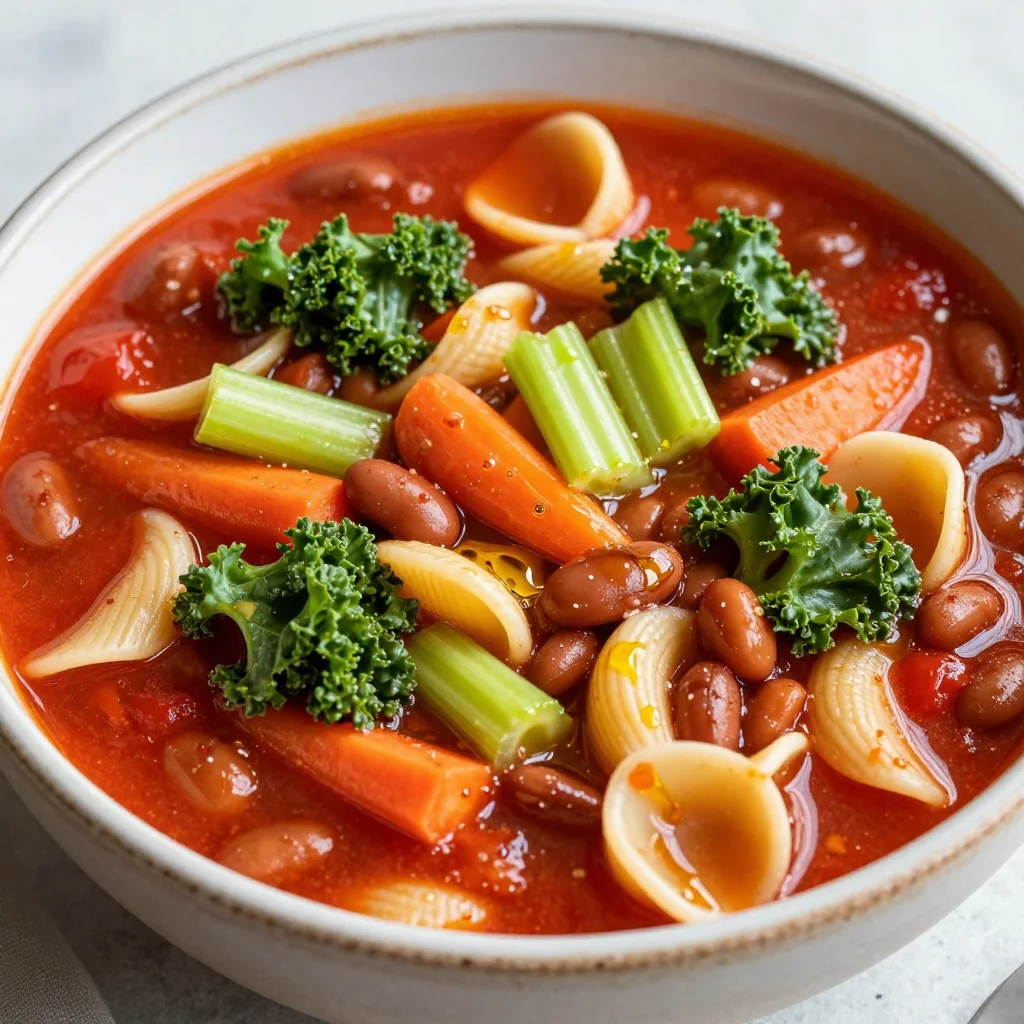
Every January, I swear I’m going to stock my pantry like a proper grown-up—bags of silky cannellini beans, glittering tins of San Marzano tomatoes, tiny pasta shapes that look like confetti. And every January life happens: the Polar Vortex rolls in, the kids’ snow days pile up, and suddenly dinner has to materialize from whatever is still clinging to the shelves after the holidays. Last year, instead of viewing my half-empty larder as a failure, I turned it into a ritual. Out came the dented can of chickpeas I bought on sale, the lone sweet potato that had seen better days, the Parmesan rind I’d been hoarding like gold. Ninety minutes later my kitchen smelled like an Italian nonna’s hearth and eight bowls of the most soul-warming minestrone were steaming on the table. We ladled it up with a snowfall of Pecorino and a drizzle of new-year optimism, and just like that, January didn’t feel like a punishment anymore. This “Pantry Minestrone” has since become our annual reset button—proof that abundance can start with what you already have.
Why This Recipe Works
- Zero-waste magic: Clears out lingering produce, beans and pasta for a guilt-free fridge reboot.
- One-pot comfort: Minimal dishes, maximum flavor thanks to a layered soffritto base.
- Meal-prep hero: Flavor improves overnight; freeze portions for up to 3 months.
- Plant-powered protein: Three forms of beans deliver 17 g protein per serving.
- Budget brilliance: Costs about $1.25 per bowl when you shop pantry staples.
- Customizable canvas: Swap veggies, pasta shapes and herbs with what you have on hand.
- Fresh-start symbolism: Nourishing, vibrant and light—exactly what your body craves post-holiday.
Ingredients You'll Need
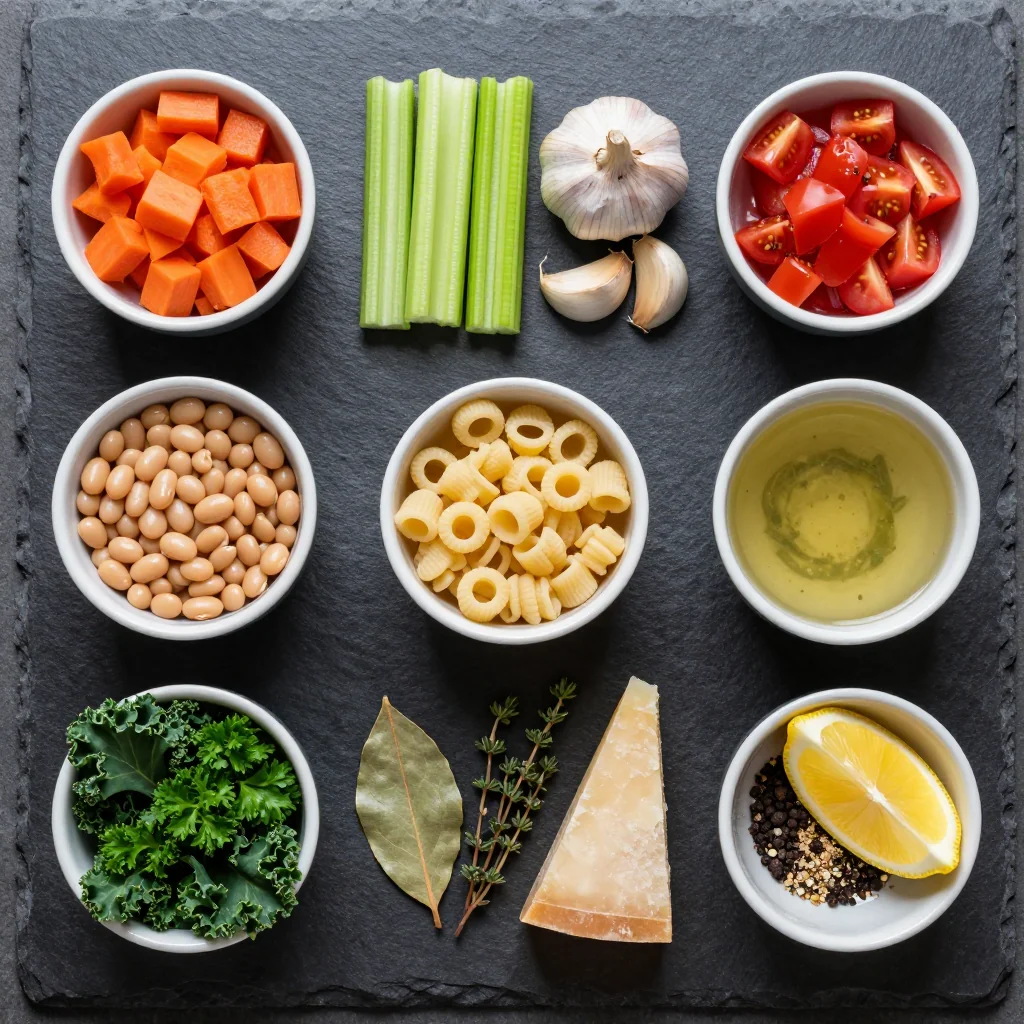
Before we dive in, pull everything out of the cupboard and take inventory—there’s something therapeutic about seeing potential in chaos. You’ll notice I list ranges for most produce; that’s intentional. A slightly shriveled zucchini still brings moisture, while a lone kale stem is pure mineral-packed gold. If you’re missing one item, keep calm and read on for swaps.
Olive oil – 3 Tbsp, preferably extra-virgin. The oil perfumes the soup and carries fat-soluble vitamins. A grassy, peppery oil will shine, but even a basic store brand works because we build flavor in layers.
Onion – 1 medium yellow or sweet. Dice small; it melts into the soffritto. In a pinch, frozen diced onion (no need to thaw) or a handful of sliced leeks.
Carrots – 2 medium, peeled and chopped into ¼-inch coins. They add subtle sweetness. Parsnip is a lovely cold-weather substitute.
Celery – 2 stalks plus any leaves. Celery leaves taste like herbal rain; scatter them in at the end.
Garlic – 4 cloves, smashed and minced. Feel free to roast a head while the oven is on another night, then squeeze out cloves for deeper flavor.
Tomato paste – 2 Tbsp. Buy the tube kind; it lives forever in the fridge and prevents half-used-can guilt.
Crushed tomatoes – 1 (28 oz) can. San Marzano if you’re feeling fancy, but any plum tomato variety crushed in their own juice works. Fire-roasted adds smoky depth.
Beans – 3 cups total, cooked. I mix 1 cup chickpeas (heft), 1 cup cannellini (creaminess), 1 cup kidney (color). Canned are fine; rinse to remove 40 % of the sodium.
Low-sodium vegetable broth – 4 cups. Chicken broth is fine for omnivores. In a true pantry bind, dissolve 4 tsp Better-Than-Bouillon in 4 cups hot water.
Water – 2 cups. Allows pasta to cook without turning soup into stew. Swap with white wine for brightness.
Bay leaves & Parmesan rind – These are your umami anchors. If you’ve been tossing rinds, start collecting them in a zip bag in the freezer.
Pasta – 1 cup small shapes: ditalini, orzo, stelline, even broken spaghetti. Whole-wheat ups fiber; gluten-free brown-rice pasta works but cooks faster—add later.
Vegetables – 2 cups quick-cooking mix-ins. I love zucchini half-moons and green beans. Frozen mixed veggies are lifesavers.
Greens – 2 packed cups chopped kale, spinach, or chard. Stir in during last 3 minutes for vibrant color.
Fresh herbs – ½ cup chopped parsley or basil. Dried herbs (1 tsp each oregano & thyme) go in with the tomatoes.
Lemon juice & zest – Brightens the broth. Vinegar works in a pinch.
Maple syrup – 1 tsp. Optional, but it balances tomato acidity and makes kids devour their veggies.
Crushed red-pepper flakes – ¼ tsp for gentle warmth; more if you want sinus-clearing heat.
Salt & freshly ground black pepper – Add gradually; canned broth and beans bring sodium to the party.
To serve: Extra-virgin olive oil, shaved Parm, crusty bread, or a scoop of pesto for swirl-top glam.
How to Make Pantry Minestrone for a Fresh New Year Start
Warm the pot & bloom the oil
Place a heavy 5-quart Dutch oven or stockpot over medium heat for 60 seconds. When the rim feels hot to a hovered hand, pour in 3 Tbsp olive oil and swirl to coat. Heating the vessel first prevents sticking and jump-starts the soffritto.
Build the aromatic base
Add diced onion, carrot and celery plus a generous pinch of salt. Sauté 6–7 minutes until veggies sweat and edges turn translucent, scraping with a wooden spoon. Add garlic; cook 60 seconds until fragrant. Push veggies to the center, creating a bare spot; dollop in tomato paste. Let it toast for 90 seconds—this caramelizes sugars and removes metallic tang.
Deglaze with tomatoes
Pour in ½ cup of the crushed tomatoes, scraping browned bits (fond) from the pot. Stir remaining tomatoes, bay leaves, dried herbs and Parmesan rind into the mix. Simmer 3 minutes; the rind will soften and release glutamates that amplify savoriness.
Add liquids & beans
Stir in broth and water, increase heat to high, and bring to a lively bubble. Reduce heat to maintain a gentle simmer. Add all beans; simmer 10 minutes for flavors to marry. Taste and season with 1 tsp salt, ½ tsp pepper, and red-pepper flakes.
Cook pasta to al dente
Scatter in pasta and quick-cooking veggies (zucchini, green beans). Stir frequently for 8–9 minutes, or until pasta is just tender with a slight bite. If soup thickens too much, splash in ½ cup hot water; broth should coat pasta, not hide it.
Wilt in greens & finish bright
Add chopped kale and cook 2–3 minutes until vibrant and wilted. Remove bay leaves and melted Parmesan rind. Stir in parsley, lemon zest, lemon juice and optional maple syrup. Adjust salt, pepper or chili to taste.
Rest 10 minutes
Off heat, cover partially and let stand. This brief rest allows starch from beans and pasta to thicken broth to silky perfection.
Ladle & garnish
Serve hot with a swirl of olive oil, shaved Parmesan, and crusty whole-grain bread. Drizzle pesto or sprinkle toasted pine nuts for extra panache.
Expert Tips
Low-sodium hack
Rinse canned beans under cold water for 30 seconds; studies show it removes up to 40 % of sodium without compromising texture.
Pasta timing
Cook pasta separately if you plan leftovers; combine when reheating to prevent bloated noodles.
Overnight upgrade
Refrigerate soup overnight; flavors meld and broth thickens. Thin with broth or water when reheating.
Freeze smart
Portion cooled soup into silicone muffin trays; freeze, then pop out “soup pucks” and store in bags for single servings.
Rind repository
Save Parmesan rinds in a dated freezer bag; they add umami to soups, stews and even risotto for up to 6 months.
Brightness balance
If your tomatoes are very acidic, add a pinch of baking soda (⅛ tsp) or the optional maple syrup; both neutralize acid without sugary taste.
Variations to Try
- Tuscan White Bean & Rosemary: Swap chickpeas for additional cannellini, add 2 sprigs fresh rosemary, and finish with a splash of white balsamic.
- Spicy Southwest: Sub black beans, corn, and diced peppers; season with cumin & smoked paprika. Serve with avocado and lime.
- Spring Green: Use peas, asparagus tips, and spinach; replace pasta with orzo and finish with fresh mint and lemon zest.
- Protein-Power: Stir in shredded rotisserie chicken or Italian turkey sausage during the last 5 minutes for omnivore households.
Storage Tips
Refrigerator: Cool soup completely, transfer to airtight containers, and refrigerate up to 5 days. Keep pasta separate if you dislike absorption.
Freezer: Freeze soup (minus pasta) in labeled quart bags, flat for space efficiency, up to 3 months. Thaw overnight in fridge, then simmer and add freshly cooked pasta.
Reheat: Warm gently over medium-low, stirring often. Add splashes of broth or water to loosen. Microwave works in 60-second bursts with a loose lid to prevent eruptions.
Frequently Asked Questions
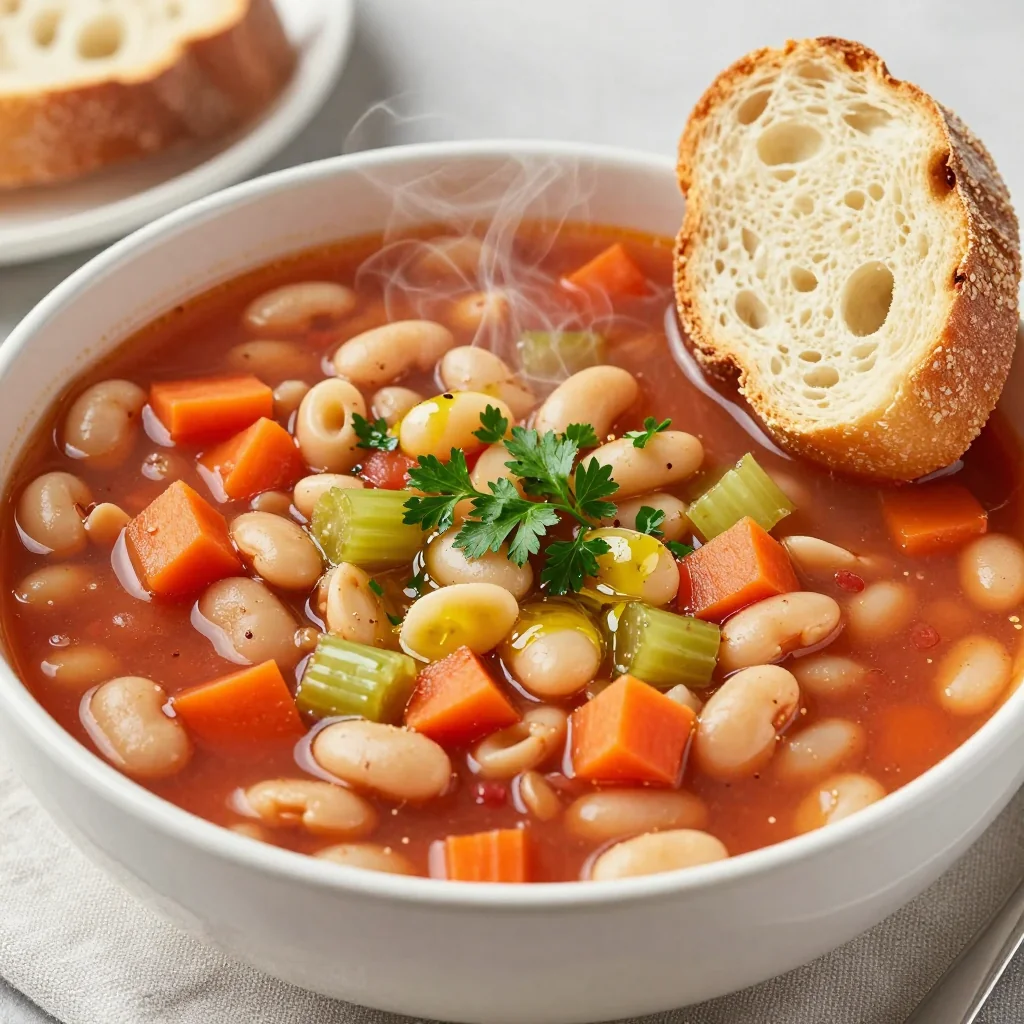
Pantry Minestrone for a Fresh New Year Start
Ingredients
Instructions
- Heat the pot: Warm a 5-quart Dutch oven over medium heat. Add olive oil and swirl.
- Sauté aromatics: Cook onion, carrot, celery with a pinch of salt 6–7 min until translucent. Add garlic 1 min.
- Caramelize tomato paste: Clear center, add paste; toast 90 sec. Stir in crushed tomatoes, bay, rind, dried herbs; simmer 3 min.
- Simmer base: Add broth, water, beans; bring to gentle boil. Season with salt, pepper, chili. Simmer 10 min.
- Add pasta & veggies: Stir in pasta and quick-cooking vegetables; cook 8–9 min until al dente.
- Finish greens: Add kale; cook 2–3 min. Remove bay & rind. Stir in parsley, lemon, maple syrup. Adjust seasoning.
- Rest: Off heat, cover 10 min. Serve hot with olive oil, Parmesan, and crusty bread.
Recipe Notes
Pasta will continue to absorb broth as it sits. Store leftovers in separate containers for best texture, or thin with hot broth when reheating.