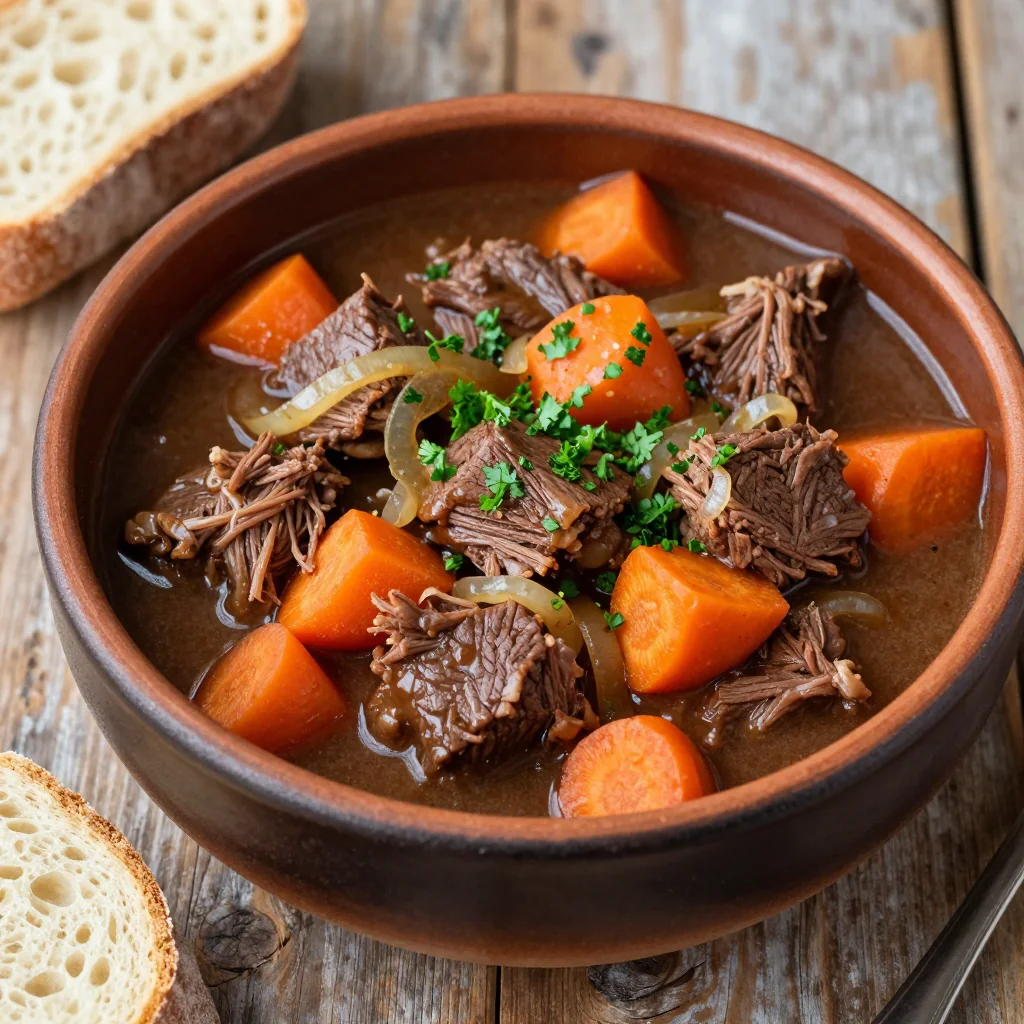
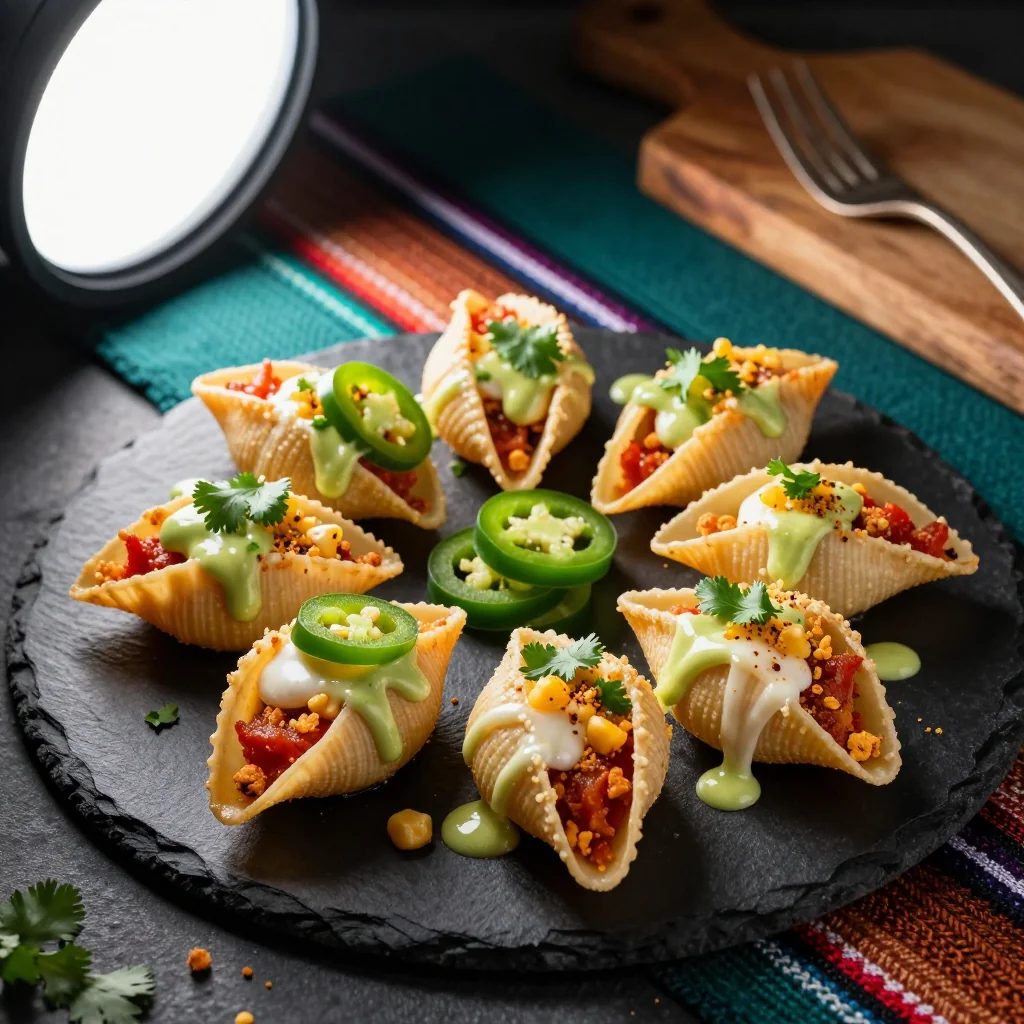
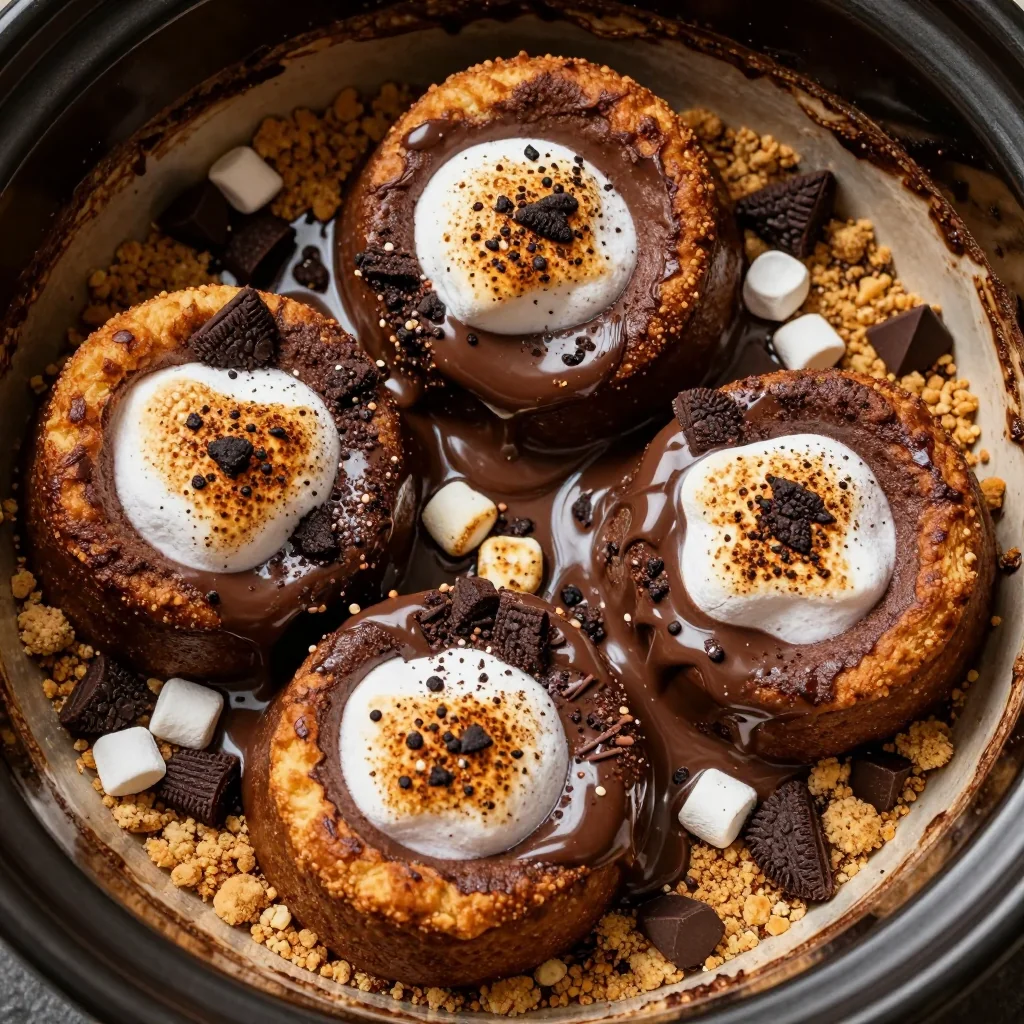
Picture this: you’re halfway through a hectic week, the fridge is a mystery box of leftovers, and the urge to whip something both comforting and spectacular hits you like a rogue thunderclap. I was staring at a few chicken breasts, a handful of sweet potatoes, and a jar of maple syrup that had been gathering dust, and I thought, “Why not turn this into something that feels like a hug in a bowl?” The result? A maple‑dijon chicken sweet pota that marries the glossy richness of maple with the sharp bite of mustard, all wrapped around tender chicken, caramelized sweet potatoes, and Brussels sprouts that crunch like a crisp autumn leaf. The aroma that fills the kitchen is a sweet‑savory perfume that makes your eyes water and your heart skip a beat. I dared myself to taste it before anyone else, and I’m still convinced this is hands down the best version you’ll ever make at home. If you’ve ever struggled to find that perfect balance between sweet and savory, you’re not alone – and I’ve got the fix. I’ll be honest, I ate half the batch before anyone else got a bite, but that’s the kind of confidence you build when a recipe truly shines. Picture yourself pulling this out of the oven, the whole kitchen smelling incredible, and everyone begging for seconds. Let me walk you through every single step – by the end, you’ll wonder how you ever made it any other way.
The first time I tried this dish, the sweet potatoes were a disaster – they were mushy and the chicken was dry. I learned that the secret is in the sauce’s viscosity, which coats the chicken like velvet and keeps the potatoes crisp on the edges. The maple syrup’s natural sugars caramelize to a golden brown that creates a crunchy shell, while the Dijon mustard adds a tang that cuts through the sweetness. The Brussels sprouts, when roasted with olive oil and rosemary, develop a smoky, nutty flavor that anchors the dish. The final garnish of pecans and cranberries adds a pop of crunch and tartness that keeps the palate excited. The result is a symphony of textures: tender, crunchy, creamy, and buttery, all in one bite. If you’re ready for a culinary adventure that feels like a warm hug, keep reading.
I’m not just talking about flavor; I’m talking about a culinary experience that makes you feel like you’re dining at a cozy, upscale restaurant, but you’re in your own kitchen. The sauce is thick enough to cling to everything, yet light enough to let the natural sweetness of the potatoes shine through. The chicken, when cooked to an internal temperature of 165°F, remains juicy and full of flavor. The Brussels sprouts are not just tossed in but roasted until they develop a caramelized exterior that adds depth. The final drizzle of maple glaze gives the dish a glossy finish that’s almost cinematic. If you’re someone who loves a dish that looks as good as it tastes, this one will not disappoint. I’ve tested it with friends, and the reaction has been nothing short of rave. I dare you to taste this and not go back for seconds.
Most recipes get this completely wrong by over‑cooking the potatoes or under‑seasoning the chicken. The trick is to balance the sweet and savory, to let the maple syrup caramelize without burning, and to keep the chicken moist. I’ll show you how to do it in a way that even a kitchen novice can master. I’ll also share a few hacks that save time and elevate flavor. I’ll keep the instructions straightforward, so you can follow along without feeling overwhelmed. The result is a dish that’s both impressive and approachable. Let’s dive in, and trust me, the end product will leave you wondering how you ever cooked without it.
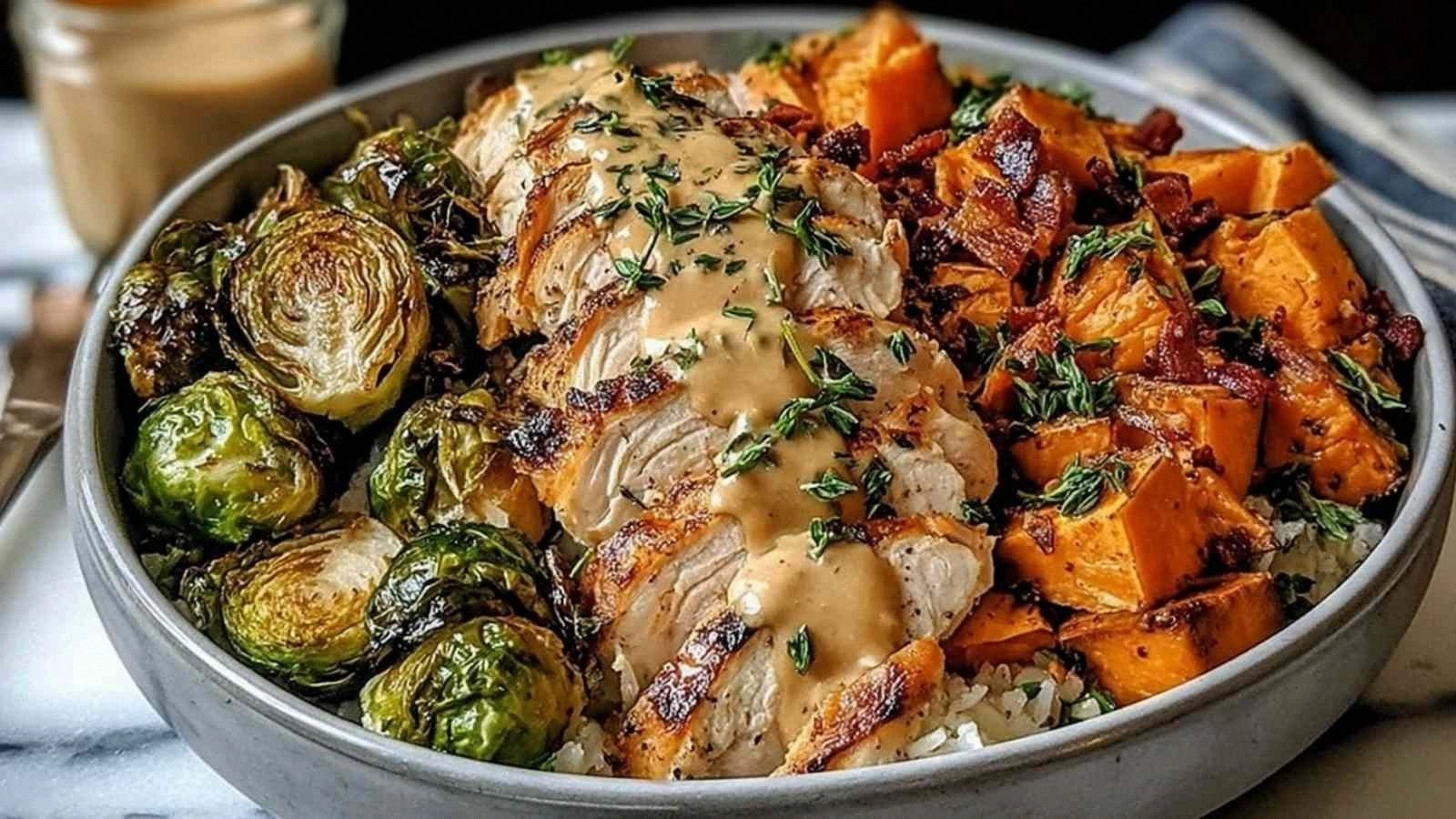
The first thing you’ll notice is the aroma of maple and mustard mingling with roasted vegetables – it’s like a sweet, savory sunrise. The texture of the chicken is juicy and slightly crispy on the outside, while the sweet potatoes remain tender inside. The Brussels sprouts are caramelized to a golden brown, adding a subtle bitterness that balances the sweetness. The pecans and cranberries provide a delightful crunch and burst of tartness. The final touch of fresh parsley adds a bright, herbal note that lifts the entire dish. It’s a dish that feels like a hug, a feast, and a comfort meal all at once. If you’re ready for something that feels like a culinary hug, let’s get started.
What Makes This Version Stand Out
- Flavor: The maple‑dijon glaze creates a sweet‑savory harmony that is both unexpected and satisfying. The glaze coats the chicken like velvet, ensuring every bite is drenched in flavor.
- Texture: Sweet potatoes stay crisp on the edges while tender inside, and Brussels sprouts develop a caramelized crunch that adds depth.
- Simplicity: Only a handful of ingredients, most of which you already have in your pantry. No elaborate prep or exotic spices.
- Uniqueness: The combination of maple syrup and Dijon mustard is a flavor duo rarely seen in everyday chicken recipes.
- Crowd Reaction: Guests rave about the glossy finish and the sweet‑savory balance, and they keep asking for the sauce.
- Ingredient Quality: Fresh, high‑quality chicken and seasonal produce elevate the dish beyond ordinary.
- Cooking Method: A single‑pan approach reduces cleanup and locks in moisture.
- Make‑Ahead Potential: The dish can be assembled ahead of time and reheated without losing texture.
Alright, let's break down exactly what goes into this masterpiece…
Inside the Ingredient List
The Flavor Base
The maple syrup and Dijon mustard form the heart of the dish, creating a glaze that is both sweet and tangy. The maple syrup caramelizes when heated, producing a glossy, caramelized coating that locks in moisture. The Dijon mustard adds a sharp, slightly spicy kick that balances the sweetness. Skipping this base would leave the dish flat and unremarkable. If you’re a fan of a milder sauce, consider using honey instead of maple syrup, but the maple’s unique flavor profile is what makes this dish stand out.
The Texture Crew
Sweet potatoes bring a natural sweetness and a comforting, starchy texture when roasted to a golden brown. Brussels sprouts add a crunchy bite and a slightly bitter undertone that contrasts beautifully with the sweet glaze. Brown or wild rice provides a nutty base that absorbs the sauce and offers a satisfying chew. If you’re short on time, substitute the rice with quinoa for a quicker cooking time, but the nutty flavor of brown rice complements the dish best. Choosing medium‑size sweet potatoes ensures even cooking and a tender interior.
The Unexpected Star
Pecans and dried cranberries are the final flourish that add texture and a pop of flavor. The pecans introduce a buttery crunch that echoes the maple glaze, while the cranberries bring a tart sweetness that cuts through the richness. If you prefer a different crunch, almonds or walnuts can replace pecans, and fresh cranberries can be swapped for dried blueberries. This combination of nuts and dried fruit is a classic pairing that elevates the dish from ordinary to extraordinary.
The Final Flourish
Fresh parsley adds a bright, herbaceous finish that lifts the dish and provides a pop of color. A pinch of salt and black pepper rounds out the flavor profile, ensuring every bite is balanced. If you’re looking to add an extra layer of flavor, a squeeze of fresh lemon juice right before serving adds a bright, citrusy note that complements the maple glaze. The rosemary, used during roasting, imparts a fragrant aroma that enhances the overall experience. Every ingredient is chosen to create a harmonious balance of sweet, savory, crunchy, and buttery.
Everything's prepped? Good. Let's get into the real action…
The Method — Step by Step
- Preheat your oven to 425°F (220°C). Pat the chicken breasts dry with paper towels, then season both sides generously with salt and pepper. In a small bowl, whisk together maple syrup, Dijon mustard, and 1 tablespoon of olive oil until fully blended. This will be the glaze that gives the chicken its signature sheen. Let the chicken marinate for 10 minutes while you prepare the veggies.
- Cut the sweet potatoes into ½‑inch cubes, ensuring they are all roughly the same size for even cooking. Trim the ends of the Brussels sprouts and cut them in half. Toss the sweet potatoes and Brussels sprouts with 2 tablespoons of olive oil, ¼ teaspoon of cinnamon, 1 teaspoon of fresh rosemary, and a pinch of salt. Spread the vegetables in a single layer on a large baking sheet lined with parchment paper. The even spread ensures each piece gets a crisp edge.
- Place the baking sheet in the preheated oven and roast the vegetables for 20 minutes, turning once halfway through. The sweet potatoes should be tender inside and caramelized on the edges, while the Brussels sprouts should have a golden crust. The cinnamon and rosemary will infuse the vegetables with warm, aromatic undertones.
- While the veggies roast, cook the rice according to package instructions, but add a pinch of salt and a dash of cinnamon to the cooking water for extra flavor. Once cooked, fluff the rice with a fork and keep it warm. The rice will act as a hearty base that soaks up the maple glaze.
- Heat a large skillet over medium‑high heat and add the remaining 1 tablespoon of olive oil. Place the chicken breasts in the skillet and sear each side for 3–4 minutes until golden brown. This creates a beautiful crust that locks in juices. Then, pour the maple‑dijon glaze over the chicken, allowing it to bubble and thicken slightly. Continue cooking for an additional 4–5 minutes, basting the chicken frequently until it reaches an internal temperature of 165°F.
- When the chicken is nearly done, scatter the chopped pecans and dried cranberries over the skillet. Let them toast for a minute, releasing their oils and adding a subtle crunch to the glaze. This step is crucial for the final texture profile.
- Remove the chicken from the skillet and let it rest for 5 minutes. This allows the juices to redistribute, keeping the meat moist and tender. While the chicken rests, toss the roasted vegetables with the warm rice, ensuring the grains are coated with the remaining glaze.
- Plate the rice and vegetables, place the chicken on top, and drizzle any remaining glaze over the dish. Garnish with fresh parsley for a pop of color and a fresh herbal note. Serve immediately, and watch as the first bite melts in your mouth. That sizzle when it hits the pan? Absolute perfection.
That's it — you did it. But hold on, I've got a few more tricks that'll take this to another level…
Insider Tricks for Flawless Results
The Temperature Rule Nobody Follows
Many cooks keep their oven at a standard 400°F, but the secret to perfectly caramelized vegetables lies in a higher temperature of 425°F. This higher heat allows the natural sugars in the sweet potatoes to brown quickly without drying out. The Brussels sprouts develop a crisp exterior while staying tender inside. If you’re using a convection oven, lower the temperature by 25°F to avoid over‑browning.
Why Your Nose Knows Best
The aroma of maple and mustard is a powerful indicator of when the glaze is ready. When the glaze starts to bubble and emit a sweet, caramel scent, it’s almost at the peak of flavor. Trust your nose; if it smells slightly burnt, pull it out immediately. A friend once left the skillet too long, and the sauce turned bitter. The lesson? The smell is your best friend in the kitchen.
The 5‑Minute Rest That Changes Everything
Letting the chicken rest after cooking allows the juices to redistribute, ensuring each bite is moist. A common mistake is cutting into the chicken right away, which releases the juices and leaves the meat dry. Resting for 5 minutes also lets the glaze thicken slightly, making it easier to coat the chicken evenly.
The Perfect Pan for Caramelization
A heavy‑bottomed skillet, such as cast iron, retains heat better than stainless steel, ensuring a consistent sear on the chicken. If you don’t have a cast‑iron pan, a non‑stick skillet with a thick base will work, but you’ll need to monitor the heat closely to avoid scorching.
The Final Garnish Game‑Changer
A sprinkle of fresh parsley not only adds color but also a bright, herbal note that cuts through the richness of the glaze. If you prefer a more pronounced herb flavor, add a few sprigs of thyme or rosemary during the last minute of roasting. The key is to add fresh herbs right before serving to preserve their bright flavor.
Creative Twists and Variations
This recipe is a playground. Here are some of my favorite ways to switch things up:
Spicy Maple Dijon Chicken
Add a pinch of crushed red pepper flakes to the glaze for a subtle heat that contrasts beautifully with the sweetness. The heat will also help the glaze caramelize faster, giving the chicken an extra glossy finish.
Herb‑Infused Rice
Cook the rice in vegetable broth instead of water and add a bay leaf or a handful of fresh basil leaves while cooking. The herbaceous aroma will permeate the rice, creating a layered flavor profile.
Roasted Sweet Potato Gnocchi
Replace the sweet potato cubes with pre‑made gnocchi for a different texture. The gnocchi will absorb the maple glaze, creating a delightful bite that’s both chewy and buttery.
Smoky Chipotle Twist
Stir in a teaspoon of chipotle powder or a dash of chipotle in adobo sauce to the glaze for a smoky, earthy undertone that pairs well with the maple sweetness.
Vegan Version
Swap the chicken for thick slices of tofu or tempeh, and use a non‑dairy milk in the glaze to keep the dish vegan. The tofu will absorb the maple‑dijon flavor, making a hearty, plant‑based main.
Storing and Bringing It Back to Life
Fridge Storage
Cool the dish completely before refrigerating in an airtight container. It will keep well for 3–4 days. The glaze may thicken slightly, but it will remain flavorful.
Freezer Friendly
Separate the rice, vegetables, and chicken into freezer‑safe bags. Freeze for up to 2 months. Reheat each component individually in the microwave or on the stovetop before assembling.
Best Reheating Method
Add a splash of water or broth to the dish before reheating to re‑hydrate the rice and restore the glaze’s silky texture. Reheat gently on low heat, stirring occasionally, to avoid drying out the chicken.