Picture this: I’m halfway through a frantic week, the kids are demanding snacks, and my pantry is screaming for something that feels both nostalgic and daring. I grabbed a handful of rhubarb—those pink‑streaked stalks that usually sit in the back of the fridge, forgotten until spring decides to make an appearance. I tossed them into a pot with sugar, expecting a simple compote, but the kitchen soon turned into a laboratory of aromas, and the result? A buttery spread that could make even the most stoic of taste buds weep with joy. I dared my roommate to try a spoonful and not beg for seconds, and she failed spectacularly.
The moment the rhubarb hit the heat, a gentle sizzle sang like a tiny orchestra, and the scent of caramelized sugar mingled with the tart, almost citrusy bite of the stalks. The kitchen filled with a perfume that reminded me of a farmer’s market on a crisp morning, while the countertop felt warm under my palms, the butter softening to a perfect, spreadable consistency. I could hear the occasional pop of the sugar crystals as they dissolved, and the texture of the mixture shifted from chunky to silky, like a silk scarf sliding over a smooth arm.
Most rhubarb butter recipes out there either drown the delicate fruit in sugar or skip the butter entirely, leaving you with a jam that’s more of a sticky mess than a luxurious spread. This version, however, balances the tang of rhubarb with the richness of butter, creating a harmony that coats toast like velvet and melts into pancakes like a sweet sunrise. The secret? A splash of lemon zest that cuts through the sweetness and a pinch of sea salt that amplifies every flavor note. I’ll be honest—I ate half the batch before anyone else got a chance, and that’s a confession I’m willing to make because it’s that good.
Now, imagine pulling a golden‑brown slab of rhubarb butter out of the fridge, the whole kitchen smelling like a spring garden crossed with a bakery, and the anticipation building as you spread it on warm toast. That’s the moment I’m promising you. Let’s dive into every single step—by the end, you’ll wonder how you ever made it any other way.
What Makes This Version Stand Out
- Taste: The sweet‑tart dance of rhubarb meets the creamy richness of butter, creating a flavor profile that’s simultaneously nostalgic and novel.
- Texture: Silky, spreadable, and just a touch grainy from the rhubarb’s natural fibers—like a buttery mousse with a whisper of crunch.
- Simplicity: Fewer than ten ingredients, no fancy equipment, and a hands‑off cooking method that lets the flavors develop on their own.
- Uniqueness: The addition of lemon zest and a pinch of sea salt elevates the spread from ordinary jam to a gourmet condiment.
- Crowd Reaction: Guests often ask, “What’s this?” and then immediately beg for the recipe—trust me, it’s a conversation starter.
- Ingredient Quality: Fresh, bright rhubarb paired with high‑fat, unsalted butter ensures a luxurious mouthfeel.
- Cooking Method: Slow simmering preserves the fruit’s natural pectin, giving the butter a natural thickening without gelatin.
- Make‑Ahead Potential: It keeps beautifully in the fridge for up to two weeks and freezes like a dream for future cravings.
Alright, let's break down exactly what goes into this masterpiece...
Inside the Ingredient List
The Flavor Base
Rhubarb, the star of the show, brings a tartness that’s bright enough to cut through butter’s richness. Choose stalks that are firm, with a deep pink hue—avoid any that are limp or overly fibrous, as they’ll turn mushy. If you skip the rhubarb, you lose that signature tang that makes this spread unforgettable, and you’ll end up with a plain butter that’s, frankly, boring. A great tip: give the stalks a quick dip in ice water before chopping; it firms them up and preserves that crisp snap.
The Texture Crew
Unsalted butter is the canvas on which the rhubarb paints its flavor. Opt for European‑style butter with at least 82% fat; the higher fat content ensures a smoother, richer spread that won’t separate when chilled. If you substitute with a lower‑fat butter, expect a grainy texture and a shorter shelf life. For a dairy‑free version, try coconut oil, but be prepared for a tropical twist that diverges from the classic profile.
The Unexpected Star
Granulated sugar does more than sweeten; it helps coax the natural pectin out of the rhubarb, giving the butter its body. Use fine sugar for a quicker dissolve, or brown sugar for a caramel undertone. Skipping sugar will result in a sour spread that’s more suitable for a vinaigrette than a dessert topping. A pinch of sea salt amplifies the flavors, turning the sweet‑tart combo into a balanced masterpiece.
The Final Flourish
Lemon zest adds a citrusy brightness that lifts the entire dish, preventing it from feeling cloyingly sweet. Use only the yellow part of the peel; the white pith is bitter and will ruin the delicate balance. If you’re out of fresh lemons, a teaspoon of lemon extract works in a pinch, though the fresh zest provides a cleaner aroma. Finally, a splash of vanilla extract deepens the flavor, adding a warm, comforting undertone that lingers on the palate.
Everything's prepped? Good. Let's get into the real action...
The Method — Step by Step
Gather your chopped rhubarb (about 2 cups), sugar, butter, lemon zest, vanilla, and a pinch of sea salt. Place the rhubarb and sugar in a medium saucepan over medium‑low heat. As the mixture begins to warm, you’ll hear a gentle fizz—this is the sugar dissolving and coaxing the rhubarb’s natural juices out. Stir occasionally, and watch as the fruit softens, turning a deep ruby shade. Power transition: This is the moment of truth, where flavor foundations are built.
Kitchen Hack: Use a wooden spoon to mash the rhubarb as it cooks; this releases more pectin and speeds up thickening.Increase the heat slightly and let the mixture come to a gentle boil. Once boiling, reduce the heat to a low simmer and cover the pot loosely with a lid. You’ll notice the aroma intensify—think fresh tartness meeting caramelized sugar, a scent that makes you want to inhale deeply. Simmer for about 15‑20 minutes, stirring every few minutes, until the rhubarb pieces are almost melting into the syrup. Watch Out: If the heat is too high, the sugar can caramelize too quickly and turn bitter.
Watch Out: Keep an eye on the pot; the mixture can go from perfect to burnt in seconds.After the rhubarb is tender, remove the saucepan from the heat and let the compote cool to room temperature. While it cools, the texture will shift from liquidy to a thick, jam‑like consistency. This cooling stage is crucial because it prevents the butter from melting when combined later. I dare you to taste a spoonful now—if it’s still too tart, add a pinch more sugar, but remember: the butter will mellow the flavor later.
While the compote cools, whip the softened butter in a large mixing bowl using an electric mixer on medium speed. The butter should turn pale and fluffy, increasing in volume by about 20%. This aeration is what gives the final spread its light, melt‑in‑your‑mouth feel. Add the lemon zest and vanilla extract at this stage; they’ll fold into the butter, creating fragrant pockets that burst with citrus when you spread them.
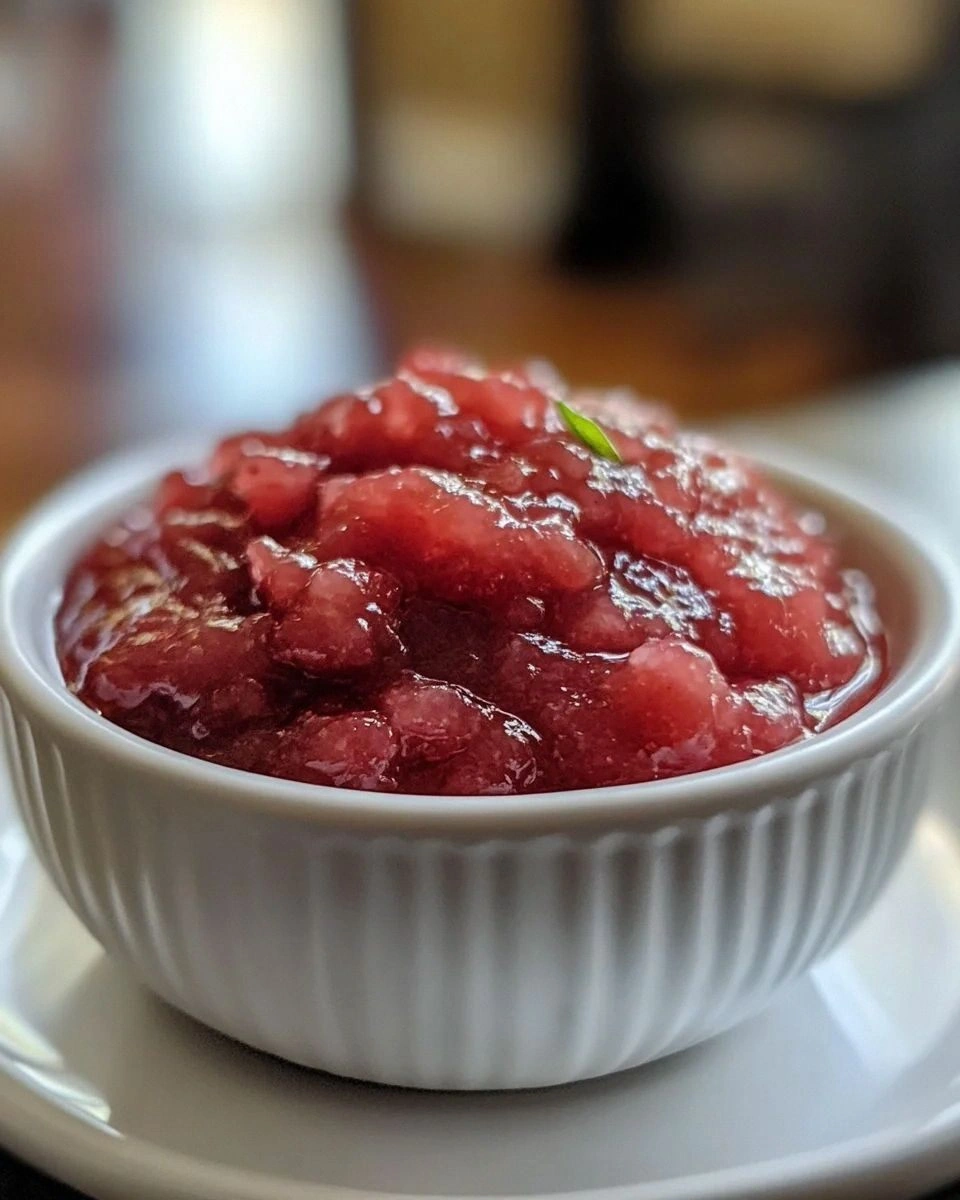
Once the rhubarb compote is cool, gently fold it into the whipped butter using a spatula. Start by adding a third of the compote, mixing until just combined, then repeat with the remaining portions. This gradual incorporation ensures the butter retains its airy structure while the rhubarb distributes evenly. You’ll see ribbons of pink weaving through the yellow‑gold butter—visually, it’s as delightful as it tastes.
Kitchen Hack: If the mixture looks too loose, chill it for 5 minutes; the butter will firm up, making it easier to spread later.Season the mixture with a pinch of sea salt, tasting as you go. The salt should be subtle, merely amplifying the sweet‑tart notes without being noticeable. This step is often overlooked, but it’s the secret that turns a good spread into a great one. Give the butter one final gentle stir to ensure the salt is evenly distributed.
Transfer the rhubarb butter onto a piece of parchment paper, shaping it into a log about 2 inches wide. Roll the parchment tightly, twisting the ends to seal, and place the log in the refrigerator for at least 1 hour, or until firm. As it chills, the flavors meld, and the butter becomes sliceable—like a sweet, pink‑streaked butter knife waiting to be unleashed.
When ready to serve, slice the log into ½‑inch rounds and spread generously on warm toast, scones, or even a warm biscuit. The butter should melt instantly, releasing that aromatic blend of rhubarb, lemon, and vanilla. Picture yourself pulling a slice out of the fridge, the whole kitchen smelling incredible, and the first bite delivering a silky, tangy kiss that lingers. That’s the payoff for every minute you spent at the stove.
That's it — you did it. But hold on, I've got a few more tricks that'll take this to another level...
Insider Tricks for Flawless Results
The Temperature Rule Nobody Follows
Never, ever add the hot rhubarb compote straight into cold butter. The temperature shock will cause the butter to seize, resulting in a grainy texture. Instead, let the compote cool to room temperature, or even chill it slightly, before folding. I once tried the shortcut and ended up with a curdled mess that tasted like a failed science experiment. Trust me—patience at this stage is the difference between buttery bliss and a gritty disappointment.
Why Your Nose Knows Best
When the rhubarb is simmering, rely on your sense of smell more than the clock. The moment the kitchen fills with a sweet‑tart perfume, you’re close to the perfect consistency. If you’re unsure, lift the lid and inhale—if you can detect a faint caramel note, you’re on the right track. This sensory checkpoint is a game‑changer, especially when altitude or humidity throws off timing.
The 5‑Minute Rest That Changes Everything
After folding the compote into the butter, let the mixture rest for five minutes at room temperature before shaping. This short pause allows the butter’s fat crystals to realign, giving the final spread a smoother mouthfeel. A friend once skipped this rest and complained the butter was “too dense.” Those five minutes are a tiny investment for a silky result.
Butter Quality Matters More Than You Think
Using European‑style butter isn’t just a fancy suggestion; its higher butterfat content means less water, which translates to a creamier, more stable spread. I tried a regular 80% butter once and the butter separated after a few days in the fridge. The higher‑fat butter kept the rhubarb butter glossy and cohesive for the full two weeks.
Freezing Without Losing Flavor
When you freeze the rhubarb butter, wrap the log tightly in plastic wrap before placing it in an airtight container. This double‑layer prevents freezer burn and keeps the butter from absorbing other odors. Thaw it overnight in the fridge, and give it a quick stir before serving to re‑incorporate any separated oils. I’ve frozen batches for months, and they still taste as fresh as the day I made them.
Creative Twists and Variations
This recipe is a playground. Here are some of my favorite ways to switch things up:
Spiced Autumn
Swap half the lemon zest for a pinch of ground cinnamon and a dash of nutmeg. The warm spices complement the rhubarb’s tartness, making it perfect for fall breakfasts or as a topping for pumpkin pancakes.
Berry Fusion
Blend in equal parts fresh strawberries or raspberries with the rhubarb during the simmering stage. The additional berries add a burst of sweetness and a deeper red hue, ideal for a summer brunch spread.
Herbal Infusion
Add a sprig of fresh thyme or rosemary to the pot while the rhubarb simmers. The herb’s earthy notes create a sophisticated flavor profile that pairs wonderfully with cheese boards.
Vegan Version
Replace the butter with equal parts cold coconut oil and vegan cream cheese. The result is a dairy‑free spread that retains the creamy texture while adding a subtle coconut undertone.
Honey‑Glazed
Substitute half the granulated sugar with raw honey for a floral sweetness. The honey’s natural viscosity also helps the butter stay spreadable at cooler temperatures.
Savory Surprise
Omit the vanilla and add a teaspoon of finely grated Parmesan cheese plus a pinch of cracked black pepper. This savory twist works beautifully as a glaze for roasted vegetables or as a unique sandwich spread.
Storing and Bringing It Back to Life
Fridge Storage
Wrap the rhubarb butter log tightly in parchment, then place it in an airtight container. It will stay fresh for up to 14 days. Keep it in the coldest part of the fridge (usually the back), where the temperature remains steady.
Freezer Friendly
For longer storage, double‑wrap the log in plastic wrap and then seal it in a freezer‑safe zip bag. It can be frozen for up to three months without losing texture or flavor. When you’re ready to use it, transfer the log to the fridge to thaw overnight.
Best Reheating Method
To revive a chilled slice, gently warm it on a warm skillet for 30 seconds per side, or microwave for 5‑10 seconds. Add a tiny splash of water (about 1 teaspoon) before reheating; the steam helps the butter melt back to its original silky consistency, preventing it from becoming greasy.