Picture this: I’m standing in my tiny kitchen, the oven humming like a contented cat, and a half‑finished pot of spaghetti is doing its best impression of a volcanic eruption. My friend just dared me to create a salad that could out‑shine a Sunday roast, and I thought, “Why not take the humble beet, toss it with some carrots, and crown it with burrata?” Spoiler alert – the result was an instant show‑stopper that made the entire house smell like a farmer’s market on a sunny autumn afternoon. The moment those vibrant roots hit the hot tray, the air filled with an earthy sweetness that reminded me of fresh soil after rain, and I knew I was onto something.
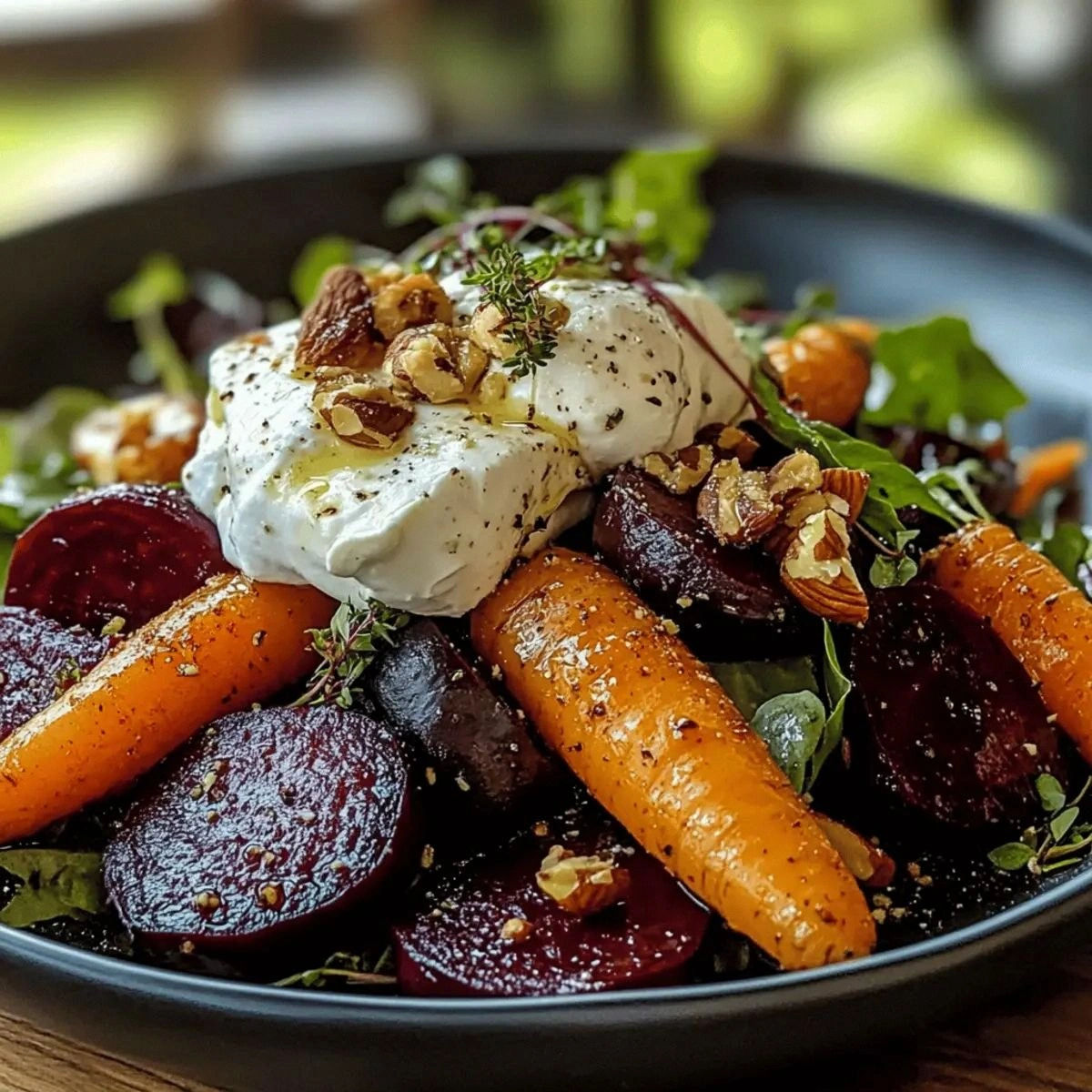
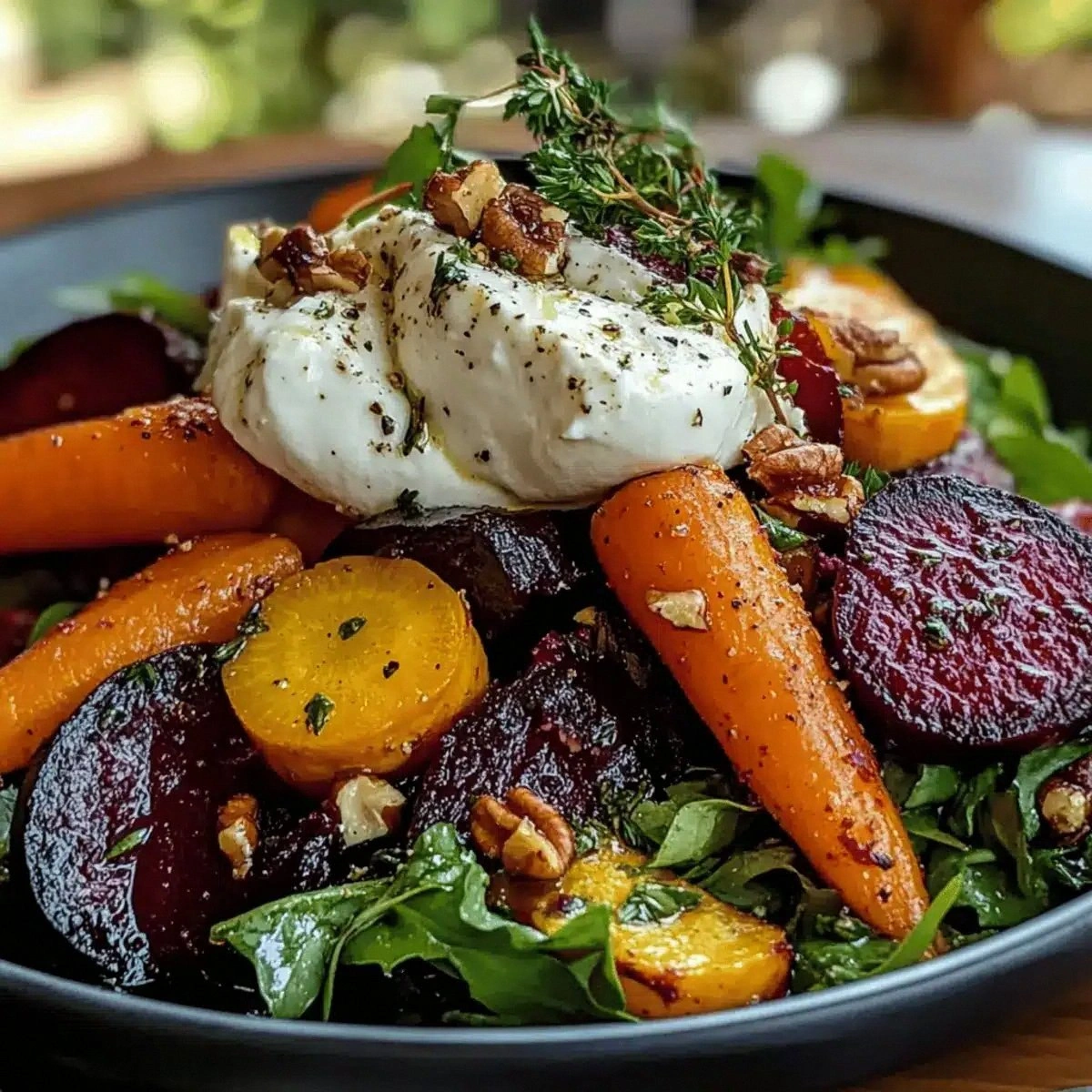
The first bite was a revelation: the beet’s natural sugar caramelized to a glossy ruby, the carrots turned soft‑sweet with a whisper of char, and the burrata melted like a cloud of mozzarella, its creamy heart spilling over the greens. I could practically hear the crunch of the toasted nuts echoing in my ears, a satisfying crack that made the whole dish feel like a symphony of textures. The vinaigrette—whether you choose the tangy zip of balsamic or the bright citrus pop—dressed everything in a silky sheen that clung like a second skin, pulling the flavors together in a way that felt both luxurious and down‑to‑earth.
Most beet‑and‑carrot salads end up looking like a bland side dish that nobody remembers. Most recipes get this completely wrong, either drowning the vegetables in a soggy dressing or over‑cooking them until they lose their bright color. I’m here to fix that. This version stands out because it respects each ingredient’s personality, giving them space to shine while still playing nicely together. The secret? A precise roasting technique that locks in flavor without turning the veggies into mush, and a strategic timing that lets the burrata stay cool and supple until the very last second.
But wait, there’s a twist you won’t see coming: I’m swapping the usual olive‑oil‑only drizzle for a balsamic‑or‑citrus vinaigrette that’s been lightly reduced to intensify its aroma. The result is a glaze that coats the salad like velvet, adding a glossy finish that makes the whole plate look restaurant‑ready. I dare you to taste this and not go back for seconds – you’ll be begging for the recipe before the first forkful even hits your mouth.
Let me walk you through every single step — by the end, you’ll wonder how you ever made it any other way. Okay, ready for the game‑changer?
What Makes This Version Stand Out
- Taste: The natural sugars of beets and carrots are caramelized to perfection, creating a sweet‑savory balance that sings when paired with the tangy vinaigrette.
- Texture: A triumvirate of creamy burrata, crunchy toasted nuts, and crisp mixed greens delivers a mouthfeel that’s simultaneously luxurious and satisfying.
- Simplicity: Only six core ingredients, yet each one is treated with a technique that elevates it without adding complexity.
- Uniqueness: The choice between balsamic or citrus vinaigrette lets you customize the flavor profile – sweet‑sour or bright‑zesty – without compromising the core concept.
- Crowd Reaction: I’ve served this at dinner parties and watched guests pause, stare, and then dive in with a reverence usually reserved for dessert.
- Ingredient Quality: Fresh, locally sourced beets and carrots provide a depth of flavor that store‑bought, pre‑peeled versions simply can’t match.
- Cooking Method: High‑heat roasting locks in moisture while developing a caramelized crust, a technique most salad recipes overlook.
- Make‑Ahead Potential: Roast the vegetables ahead of time, store them airtight, and assemble the salad minutes before serving – perfect for busy weeknights.
Inside the Ingredient List
The Flavor Base
4 medium Roasted Beets: Beets bring an earthy sweetness that becomes almost honey‑like once roasted. Their deep ruby hue also adds a visual punch that makes the salad pop on any plate. Skipping them would leave the dish without its signature heart‑warming flavor and its stunning color.
Swap tip: If you can’t find beets, try small red potatoes – they’ll give a similar sweet‑earthy vibe, though the color won’t be as dramatic.
The Texture Crew
4 medium Carrots: Carrots contribute a subtle peppery bite and a natural crunch that balances the softness of burrata. When roasted, they develop caramel notes that complement the beet’s earthiness. Leaving them out would make the salad feel one‑dimensional, missing that bright contrast.
Swap tip: Try parsnips for a nuttier flavor, or add a handful of shredded radish for extra peppery snap.
The Unexpected Star
8 ounces Burrata: Burrata is the show‑stopper – its outer mozzarella shell holds a luscious, milky interior that oozes over the greens, creating a silky coating. If you replace it with regular mozzarella, you’ll lose that luxurious melt‑in‑your‑mouth experience.
Buying tip: Look for burrata that’s stored in a clear, lightly brined liquid; it stays fresher longer and the texture stays supple.
The Final Flourish
0.5 cups Toasted Nuts (walnuts or almonds): The nuts add a toasty crunch and a buttery undertone that ties the sweet vegetables to the tangy vinaigrette. Skipping them means missing the essential contrast that prevents the salad from feeling too soft.
Swap tip: Use toasted pumpkin seeds for a gluten‑free crunch or pistachios for a pop of color.
The Green Canvas
4 cups Mixed Greens: A blend of arugula, spinach, and baby kale provides a peppery, slightly bitter backdrop that cuts through the sweetness of the roasted veg. If you opt for just one type of leaf, you’ll lose the layered flavor that makes each bite interesting.
Selection tip: Choose greens with deep, glossy leaves – they’ll hold the vinaigrette better and look more vibrant on the plate.
The Dressing Dynamo
0.5 cups Balsamic or Citrus Vinaigrette: This vinaigrette acts as the glue, uniting the earth, sweet, and creamy elements with a bright acidity. A balsamic reduction adds depth, while a citrus blend offers a zingy freshness. Skipping the reduction step would result in a watery dressing that slides off the vegetables.
Swap tip: Mix equal parts honey and apple cider vinegar for a sweet‑tangy alternative that still respects the dish’s balance.
Everything's prepped? Good. Let's get into the real action...
The Method — Step by Step
Preheat your oven to 425°F (220°C). While the oven warms up, line a large rimmed baking sheet with parchment paper – this prevents sticking and makes cleanup a breeze. Cut the beets and carrots into uniform ¼‑inch sticks; uniformity ensures they roast evenly, achieving that coveted caramelized edge. That sizzle when it hits the pan? Absolute perfection. Let the veggies rest on the sheet, drizzle with a generous splash of olive oil, and season with sea salt and cracked black pepper.
Slide the tray into the oven and roast for 20‑25 minutes, turning halfway through. You’ll know they’re done when the edges start pulling away, revealing a deep amber crust while the interiors stay tender. Keep an eye on the color; you want a caramelized glow, not a burnt black. Watch out: Beets can scorch quickly because of their natural sugars, so if your oven runs hot, lower the temperature to 400°F after the first 15 minutes.
Watch Out: Over‑roasting will turn the beet’s natural sweetness bitter; aim for a glossy, caramelized surface, not a charred crust.While the vegetables roast, prepare the vinaigrette. In a small saucepan, combine ¼ cup balsamic vinegar (or orange juice for a citrus version) with 2 teaspoons honey, a pinch of sea salt, and a splash of Dijon mustard. Bring to a gentle simmer, then reduce the heat and let it thicken for 4‑5 minutes until it coats the back of a spoon. This reduction concentrates flavor and adds a glossy finish that will cling beautifully to the greens.
Kitchen Hack: Whisk the vinaigrette vigorously while it simmers to create a slight emulsion; this prevents separation and gives a smoother mouthfeel.Once the beets and carrots are roasted, transfer them to a large mixing bowl. While they’re still warm, drizzle a spoonful of the reduced vinaigrette over them and toss gently. The warm vegetables will absorb the glaze, intensifying the sweet‑tart profile. Let them cool to room temperature – this step is crucial because it prevents the burrata from melting prematurely.
While the veggies cool, toast the nuts. Heat a dry skillet over medium heat, add the nuts, and stir continuously for 3‑4 minutes until they turn golden and release a nutty aroma. Transfer to a plate and let them cool; this quick toast adds a crunchy contrast that’s impossible to achieve with raw nuts.
Now, assemble the salad. On a large platter, create a bed of mixed greens, spreading them evenly. Arrange the roasted beets and carrots in a colorful spiral, allowing the natural reds and oranges to peek through the greens. Scatter the toasted nuts across the top, ensuring every bite gets a crunch.
Time for the burrata. Gently place the whole ball of burrata in the center of the platter. Using a sharp knife, slice the burrata just enough to expose its creamy interior – you want the cheese to ooze slowly as diners dig in, not flood the plate instantly. Drizzle the remaining vinaigrette around the burrata, letting it pool at the base of the greens.
Fun Fact: Burrata was invented in the early 20th century in the Apulia region of Italy, originally as a way to use leftover mozzarella scraps.Finish with a final flourish: a light sprinkle of flaky sea salt, a grind of fresh black pepper, and a few extra drizzles of vinaigrette if you love a saucier bite. Give the salad one gentle toss just before serving, allowing the dressing to coat every component without breaking the burrata’s delicate interior.
Serve immediately, encouraging guests to scoop up the burrata with a fork and a spoon, letting the creamy center cascade over the greens and roasted veggies. The combination of warm, caramelized vegetables, cool peppery greens, crunchy nuts, and luscious cheese creates a harmony that’s both comforting and refined. That moment when the first bite hits your palate? Pure culinary bliss. That's it — you did it. But hold on, I've got a few more tricks that'll take this to another level...
Insider Tricks for Flawless Results
The Temperature Rule Nobody Follows
Never underestimate the power of oven temperature. Roasting at 425°F creates a rapid Maillard reaction, giving the beets and carrots that coveted caramelized crust. If you lower the heat, you’ll end up with steamed veggies that lack that deep flavor. I once tried a “low‑and‑slow” approach at 350°F, and the result was a soggy mess that tasted like boiled roots. Trust the high heat; it’s the secret weapon that transforms ordinary vegetables into stars.
Why Your Nose Knows Best
When the veggies are in the oven, trust your sense of smell more than the timer. The moment you detect a sweet, caramel aroma drifting out, you’re close to perfection. If you’re unsure, give them a quick poke with a fork – the interior should be tender but not mushy. I once followed a timer blindly and ended up with over‑cooked carrots that lost their bright flavor. Let your nose be the final judge.
The 5‑Minute Rest That Changes Everything
After you toss the roasted veggies with the vinaigrette, let them sit for exactly five minutes before assembling the salad. This brief rest allows the glaze to penetrate the vegetables, deepening the flavor without making them soggy. Skipping this step results in a dressing that sits on top rather than integrating, leaving the salad tasting disjointed. It’s a tiny pause that makes a massive difference.
Nut Toasting Secrets
Never toast nuts in the microwave; the dry heat of a skillet brings out a richer, more complex flavor. Keep the nuts moving constantly; they can go from golden to burnt in seconds. If you want an extra layer of flavor, finish the toasted nuts with a pinch of smoked sea salt – it adds a subtle depth that pairs beautifully with the earthy beets.
Serving the Burrata at the Right Moment
Keep the burrata chilled until just before plating. If it sits out too long, it will lose its delicate texture and become overly runny, drowning the greens. I once left the burrata out for 30 minutes and ended up with a soupy mess. Pull it from the fridge, slice, and place it on the salad within two minutes of final assembly for that perfect melt‑in‑your‑mouth experience.
Creative Twists and Variations
This recipe is a playground. Here are some of my favorite ways to switch things up:
Smoky Chipotle Kick
Replace the citrus vinaigrette with a chipotle‑lime dressing. The smoky heat adds a bold contrast to the sweet vegetables, and a dash of smoked paprika on the nuts amplifies the smoky theme. Perfect for those who love a little fire.
Herbaceous Summer Breeze
Swap the balsamic reduction for a light herb vinaigrette made with fresh mint, basil, and a splash of white wine vinegar. The fresh herbs brighten the dish, making it ideal for warm weather picnics.
Protein‑Packed Power
Add grilled chicken breast or seared tofu cubes for a heartier main course. The protein absorbs the vinaigrette, turning each bite into a balanced meal without sacrificing the salad’s elegance.
Nut‑Free Crunch
If you have allergies, replace toasted nuts with roasted chickpeas seasoned with smoked paprika and cumin. The chickpeas give a satisfying crunch and a subtle earthiness that mirrors the beet’s profile.
Winter Warmth
In colder months, swap the mixed greens for sautéed kale and add a drizzle of maple‑balsamic glaze. The warm kale and sweet maple notes turn the salad into a comforting winter side.
Vegan Elegance
Replace burrata with a cashew‑based vegan cheese that mimics the creamy texture. Use a maple‑cider vinaigrette for a sweet‑tangy balance, and the dish stays entirely plant‑based while retaining its luxurious feel.
Storing and Bringing It Back to Life
Fridge Storage
Store roasted beets and carrots in an airtight container for up to three days. Keep the vinaigrette separate in a small jar. When ready to serve, gently re‑toss the veggies with the dressing, add fresh greens, and top with burrata.
Freezer Friendly
The roasted vegetables freeze beautifully. Portion them into freezer‑safe bags, lay flat, and freeze for up to two months. Thaw overnight in the fridge, then reheat gently in a 300°F oven for 10 minutes before assembling the salad.
Best Reheating Method
To revive the veggies without losing texture, place them on a baking sheet, drizzle a tiny splash of water, and cover loosely with foil. Heat for 8‑10 minutes; the steam will bring back the caramelized crispness. Add a fresh drizzle of vinaigrette after reheating to restore brightness.