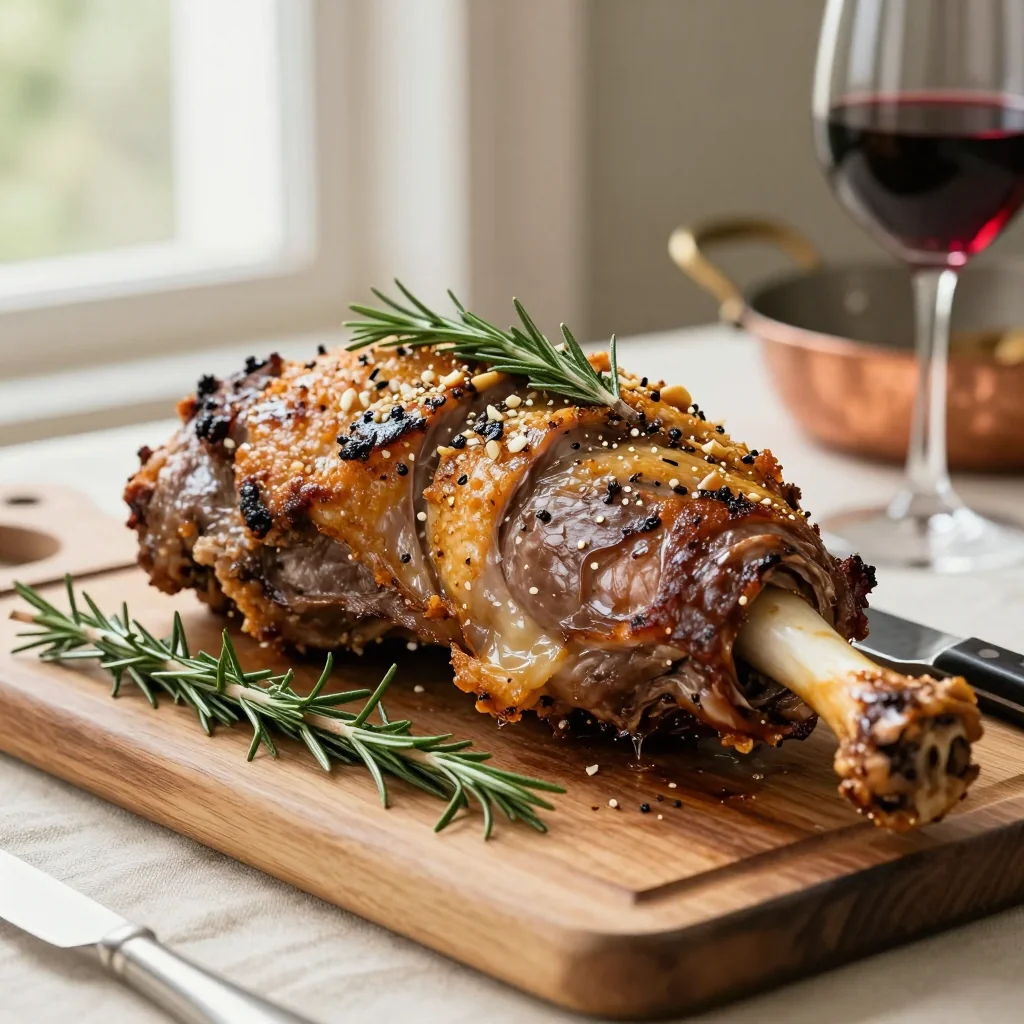
A fragrant, succulent centerpiece that turns any gathering into a celebration of flavor.
When I was a teenager, the first time I tasted a perfectly roasted leg of lamb at my grandmother’s countryside cottage, the aroma of rosemary and garlic wafted through the kitchen and lingered in my memory forever. The tender, juicy meat that fell off the bone with a single fork‑pull was a revelation, and I promised myself I would someday recreate that magic in my own home.
This classic French-inspired dish has its roots in rustic farm cooking, where shepherds would slow‑roast lamb over an open fire, seasoning it simply with herbs from the surrounding hills. Today, it stands as a timeless centerpiece for holiday feasts, dinner parties, and any occasion that calls for a touch of elegance.
In this article, I’ll walk you through every nuance—from selecting the best cut of lamb to mastering the perfect herb rub, and finally achieving a caramelized crust that sings with flavor. You’ll learn why a slow, low‑heat roast preserves moisture, how to balance the bright bite of garlic with the earthy depth of rosemary, and the secret technique of resting the meat to lock in juices.
Ready to bring a piece of culinary heritage to your table? Let’s dive in and make a roast that will become the star of your next gathering.
🌟 Why This Recipe Will Win Your Heart
This lamb roast isn’t just a dish; it’s an experience that blends tradition, flavor, and effortless elegance.
- ✨ Unforgettable Aroma: The combination of rosemary and garlic creates a fragrant bouquet that fills your kitchen, building anticipation before the first bite.
- ✨ Juicy, Tender Meat: Slow roasting at a moderate temperature ensures the protein stays moist, while the occasional basting locks in flavor.
- ✨ Simple Ingredient List: Only a handful of pantry staples are needed, making it accessible for both novice cooks and seasoned chefs.
- ✨ Versatile Pairings: Whether you serve it with roasted vegetables, a fresh salad, or a rich red wine reduction, the lamb adapts beautifully.
- ✨ Impressive Presentation: A golden, herb‑crusted leg looks stunning on any platter, turning a simple dinner into a celebratory feast.
- ✨ Budget‑Friendly Luxury: High‑impact flavor without the need for exotic ingredients—just quality lamb and fresh herbs.
🥗 Ingredients
📝 Complete Ingredient List
For the Lamb:
For the Pan‑Sauce (optional):
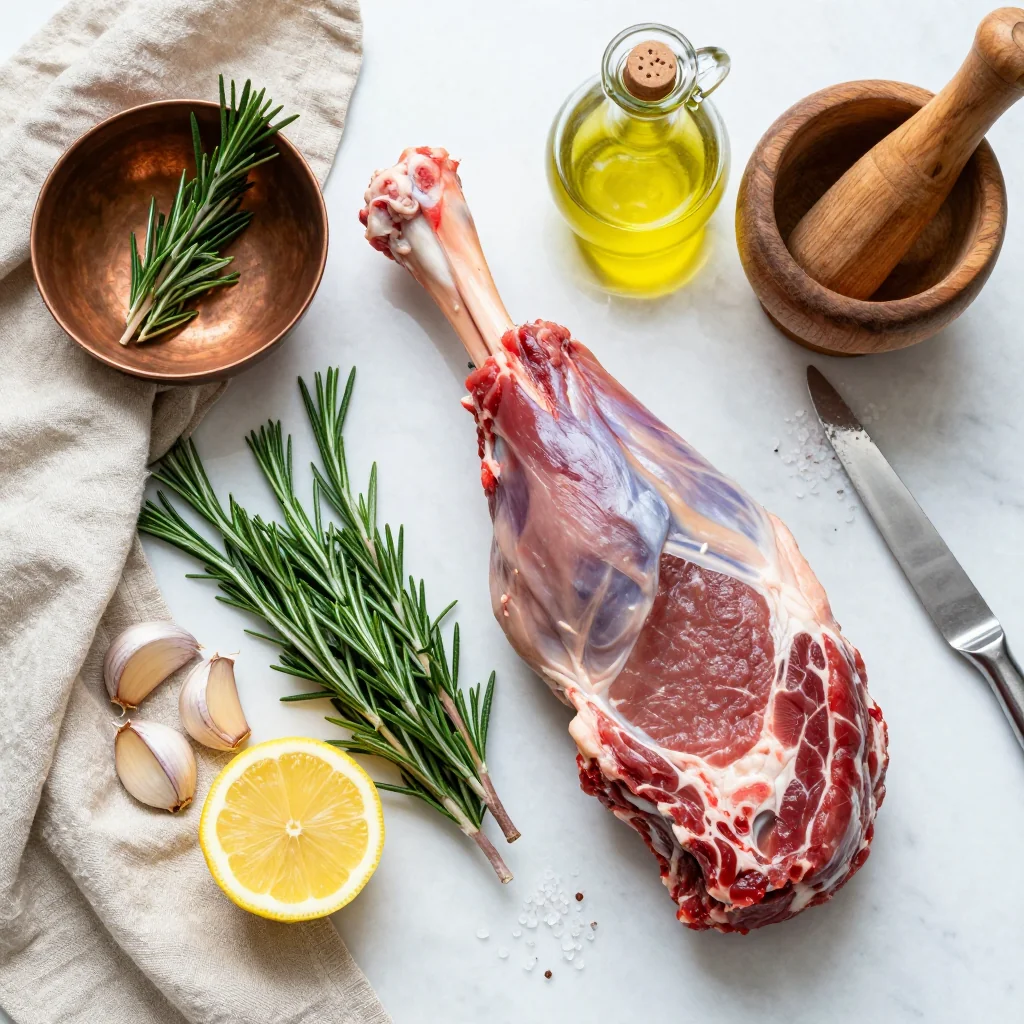
🔍 Focus on Key Ingredients
Lamb Leg
The leg of lamb is a prime cut that offers a perfect balance of meat and a thin layer of fat. Choose a piece that is roughly 2.5 kg for six generous servings. Look for a deep ruby color and a firm texture; the meat should feel slightly springy to the touch, indicating freshness. The bone adds flavor and helps the meat stay moist during the long roast.
Fresh Rosemary
Rosemary’s piney, slightly citrusy notes complement the richness of lamb beautifully. When selecting rosemary, opt for vibrant green needles that are not wilted. Strip the leaves from the woody stems and give them a gentle rub between your palms to release the essential oils before mixing with the garlic and oil.
Garlic
Garlic provides a warm, aromatic backbone. Use fresh, firm cloves; older garlic can become bitter when roasted. Crushing the cloves lightly with the flat side of a knife releases their juices without turning them mushy, ensuring a mellow, sweet flavor that infuses the meat throughout the cooking process.
🔄 Quick Substitutions
| If you don’t have... | Use instead... |
|---|---|
| Fresh rosemary | Dried rosemary (½ tsp) |
| Olive oil | Vegetable oil or melted butter |
| Red wine | Beef broth with a splash of balsamic vinegar |
👨🍳 Step‑by‑Step Instructions
Follow these detailed steps to create a perfectly roasted leg of lamb that’s juicy, fragrant, and beautifully caramelized.
📋 Phase 1: Preparation & Mise en Place
Gather all ingredients, preheat the oven, and prepare the herb rub.
Prepare the Herb Rub
In a medium bowl, combine the olive oil, finely chopped rosemary leaves, minced garlic cloves, sea salt, black pepper, and lemon zest. Stir until a cohesive paste forms. The oil acts as a carrier, allowing the aromatics to penetrate the meat during roasting, while the salt begins to break down muscle fibers, ensuring tenderness.
Trim and Pat Dry the Lamb
Place the leg of lamb on a clean cutting board. Trim any excess silver skin and large pieces of fat, leaving a thin layer (about 5 mm) for moisture. Pat the surface dry with paper towels—dry meat browns better, creating that coveted crust.
Apply the Rub
Using your hands, massage the herb rub all over the lamb, making sure to coat the entire surface, including any crevices. The rub should form a thin, even layer that will turn golden during roasting.
🔥 Phase 2: Roasting
Low‑and‑slow cooking creates a tender interior while the high‑heat finish adds a caramelized crust.
Preheat Oven and Set Up Roasting Pan
Preheat your oven to 150 °C (300 °F). Place a rack in a large roasting pan and pour a splash of water (about 100 ml) into the bottom of the pan to keep the environment moist. This prevents the drippings from burning and makes a flavorful base for the optional pan‑sauce.
Roast the Lamb
Place the seasoned lamb on the rack, fat side up, and insert a meat thermometer into the thickest part of the muscle (avoiding the bone). Roast for about 1 hour 30 minutes, or until the internal temperature reaches 60 °C (140 °F) for medium‑rare. The low temperature allows the connective tissue to break down gently, resulting in melt‑in‑your‑mouth tenderness.
Increase Heat for a Final Sear
After the initial low‑heat period, raise the oven temperature to 220 °C (425 °F) and roast for an additional 15‑20 minutes, or until the exterior turns a deep golden‑brown. This high‑heat burst creates a crisp, aromatic crust that locks in juices.
✨ Phase 3: Resting, Sauce, and Plating
Resting ensures juices redistribute; the sauce adds a glossy finish.
Rest the Lamb
Remove the lamb from the oven and transfer it to a cutting board. Tent loosely with foil and let it rest for 15 minutes. Resting allows the fibers to reabsorb the juices, preventing a dry slice.
Make the Pan‑Sauce (optional)
While the meat rests, place the roasting pan on the stovetop over medium heat. Discard excess fat, then deglaze with the red wine, scraping up browned bits. Reduce by half, whisk in butter, lemon juice, and parsley. Strain if desired for a silky finish.
Carve and Plate
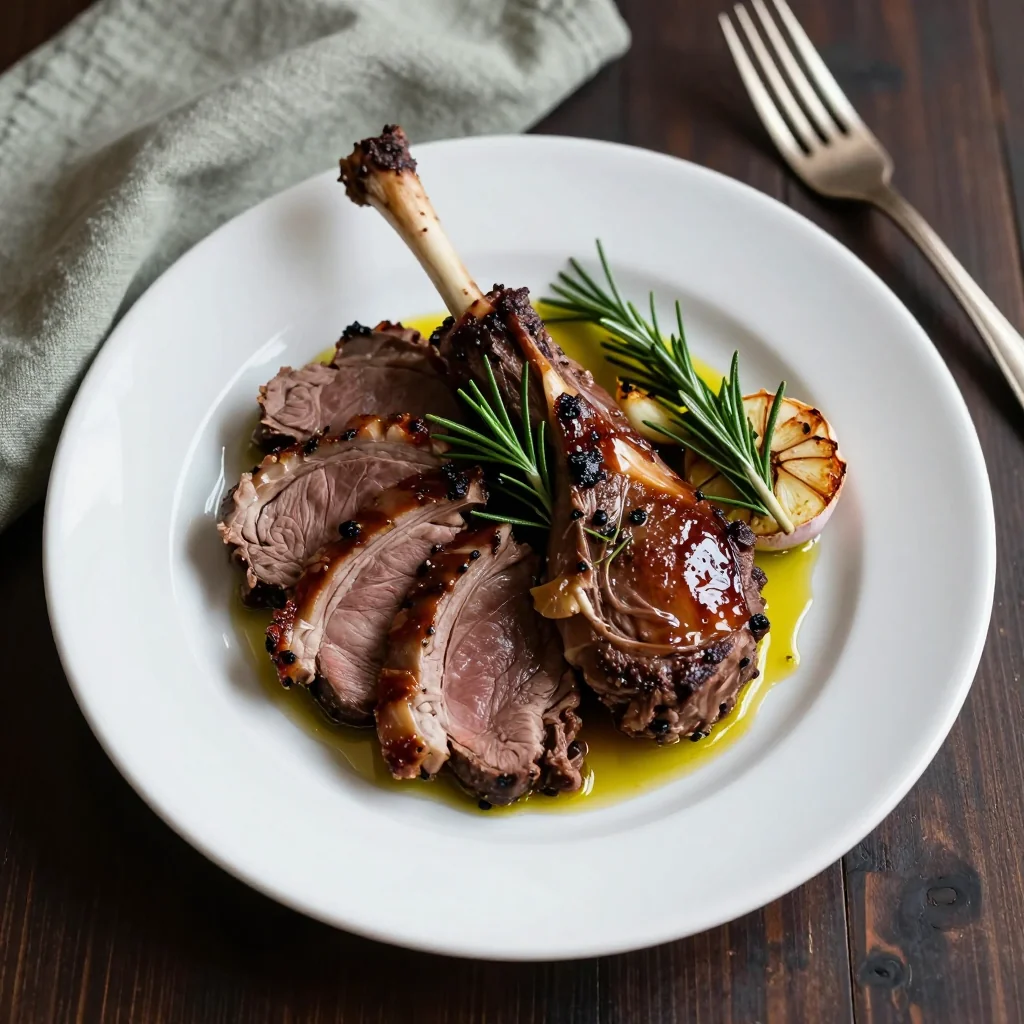
Slice the lamb against the grain into 1‑cm thick slices. Arrange on a warm serving platter, drizzle with pan‑sauce, and garnish with a sprig of rosemary and a few lemon wedges for brightness.
Serve
Present the roast alongside roasted root vegetables, a crisp green salad, or buttery mashed potatoes. Pair with a full‑bodied red wine such as a Bordeaux or a Rhône blend to complement the herbaceous notes.
💡 Expert Tips & Tricks
🛒 Choosing the Best Ingredients
When buying lamb, select a piece with a uniform shape and a thin, even layer of fat. The fat should be creamy white, not yellowed, which indicates freshness. If possible, ask the butcher to trim any tough silverskin—this connective tissue can become chewy if left on. Fresh rosemary should have bright green needles and a fragrant scent; wilted leaves signal age. For garlic, choose firm, unblemished cloves that feel heavy for their size, indicating high moisture content.
🔪 Preparation Techniques
Before applying the rub, score the fat in a crosshatch pattern; this not only looks attractive but also helps the fat render more evenly. Use a sharp chef’s knife to mince the garlic finely—larger pieces can burn during the high‑heat finish. When massaging the rub, work it into every crevice, especially around the bone, to ensure flavor penetrates deeply.
🌡️ Mastering the Cooking Process
Invest in a reliable instant‑read meat thermometer; the difference between 58 °C (136 °F) and 62 °C (144 °F) can shift the lamb from rare to medium‑well. Keep the oven door closed during the low‑heat phase to maintain a steady temperature. If your oven runs hot, consider lowering the temperature by 10 °C and extending the cooking time slightly.
🍽️ Presentation & Service
For a restaurant‑style finish, slice the lamb on a warm plate and drizzle the pan‑sauce in a thin, elegant line. Garnish with a few fresh rosemary leaves and a dusting of flaky sea salt. Serve the slices slightly overlapping for visual depth, and place lemon wedges on the side for guests who enjoy a citrus lift.
🏆 Pro Secrets
Professional chefs distinguish themselves by mastering subtle details that elevate a dish from good to unforgettable.
- 🎯 Brining the Lamb (optional): Submerging the leg in a light brine (water, salt, sugar, and a sprig of rosemary) for 4‑6 hours enhances moisture retention. The salt alters muscle proteins, allowing them to hold more water during cooking, which results in a juicier roast.
- 🎯 Using a Bone‑In Cut: The bone acts as an insulator, slowing heat transfer to the meat closest to it. This creates a gradient of doneness that is prized in professional kitchens, giving a tender center while the outer layers develop flavor.
- 🎯 Resting on a Wire Rack: Instead of tenting directly on the cutting board, place the meat on a wire rack during the rest period. This prevents steam from softening the crust, preserving the crisp exterior.
- 🎯 Deglazing with Wine at High Heat: After removing the lamb, increase the stovetop to high and add the red wine while the pan is still hot. The rapid evaporation concentrates flavors and lifts caramelized bits, forming the base of a richer sauce.
- 🎯 Finishing with Butter Emulsion: Whisk cold butter into the reduced sauce off the heat. This technique, called "monter au beurre," creates a glossy, velvety texture that clings to the meat beautifully.
- 🎯 Slicing Against the Grain: Identify the direction of the muscle fibers and cut perpendicular to them. This shortens the fibers, making each bite feel more tender and less stringy.
“The secret to great lamb is respect for the meat’s natural flavor and a patient hand.” — Chef Thomas Keller
🔄 Variations & Adaptations
This recipe is a flexible canvas that welcomes creativity. Below are several ways to tailor it to different dietary preferences and flavor profiles.
🥬 Vegetarian/Vegan Version
Swap the leg of lamb for a large cauliflower head or a firm tofu block marinated in the same herb rub. Roast at 200 °C (390 °F) for 45‑60 minutes, turning halfway, until golden and tender. The rosemary‑garlic infusion works equally well with plant‑based proteins.
- Substitution 1: 1 kg cauliflower, cut into florets, brushed with olive oil and herb rub.
- Substitution 2: 800 g extra‑firm tofu, pressed, sliced, and marinated for 30 minutes before roasting.
🌶️ Flavor Variations
Play with complementary spices and herbs to shift the palate from classic to exotic.
Spicy Version
Add 1 tsp crushed red pepper flakes to the rub and finish the sauce with a dash of smoked paprika for a subtle heat that pairs wonderfully with a chilled rosé.
Mediterranean Version
Incorporate 2 tbsp chopped Kalamata olives and 1 tbsp capers into the pan‑sauce, and serve with a side of lemon‑herb couscous for a sun‑kissed Mediterranean feel.
Asian‑Inspired Version
Replace rosemary with 2 tbsp finely chopped fresh cilantro, add 1 tbsp soy sauce to the rub, and finish with a drizzle of sesame oil and toasted sesame seeds.
⚠️ Dietary Adjustments
Gluten‑Free
All ingredients are naturally gluten‑free; just ensure the broth or wine used for the sauce is certified gluten‑free.
Lactose‑Free
Omit the butter from the pan‑sauce or replace it with a plant‑based butter alternative.
Low‑Calorie
Trim excess fat from the lamb, reduce olive oil to 30 ml, and serve with a light herb‑yogurt drizzle instead of the butter‑rich sauce.
👶 Family/Kids Version
Kids often prefer milder flavors. Reduce the garlic to 3 cloves, omit the rosemary stems, and serve the sliced lamb with a sweet apple‑cabbage slaw. The natural sweetness of the slaw balances the savory meat, making it more appealing to younger palates.
📦 Storage & Reheating
🧊 Conservation
In the Refrigerator:
- Duration: 3–4 days
- Recommended container: airtight glass or BPA‑free plastic container
- Tip: Store the meat on a rack inside the container to keep the crust from getting soggy.
In the Freezer:
- Duration: Up to 3 months
- Method: Slice the lamb, wrap each portion tightly in parchment, then place in a freezer‑safe zip‑lock bag.
- Defrosting: Transfer to the refrigerator 24 hours before reheating for even thawing.
💡 For best texture, reheat only the portion you plan to serve; repeated heating can dry out the meat.
♨️ Reheating
🔥 Oven (Recommended):
- Preheat to 150 °C (300 °F).
- Place sliced lamb in a shallow oven‑proof dish, cover loosely with foil.
- Heat for 10‑12 minutes, or until warmed through.
- Remove foil, add a splash of broth, and broil for 2 minutes to revive the crust.
⚡ Microwave (Quick):
- Arrange slices on a microwave‑safe plate, cover with a microwave‑safe lid.
- Heat on medium power for 1 minute, stir, then continue in 30‑second bursts.
- Check temperature; avoid overcooking to prevent rubbery texture.
🍳 Skillet:
Heat a drizzle of olive oil over medium heat, add the slices, and sauté for 2‑3 minutes, turning once, until the meat is hot and the edges regain crispness.
🍷 Perfect Pairings
🥗 Side Dishes
- Roasted Root Vegetables: Carrots, parsnips, and beets tossed in olive oil and thyme complement the lamb’s earthiness.
- Herb‑Infused Couscous: Light, fluffy couscous flavored with lemon zest and chopped parsley adds a bright contrast.
- Garlic‑Lemon Green Beans: Quickly sautéed beans with garlic and a squeeze of lemon provide crunch and acidity.
🍷 Wine & Beverage Pairings
- Red Wine – Bordeaux Blend: Its firm tannins and dark fruit notes echo the richness of the lamb.
- Red Wine – Rhône Syrah: Peppery spice and plum flavors enhance the rosemary aromatics.
- Non‑Alcoholic: Sparkling pomegranate juice with a sprig of rosemary offers a festive, refreshing alternative.
🍰 Completing the Meal
Begin with a light citrus salad, followed by the lamb as the main course. Finish with a classic French tarte Tatin or a silky vanilla panna cotta to round out the dining experience with a touch of sweetness.
❓ Frequently Asked Questions
Q: Can I use a boneless leg of lamb instead?
Yes, a boneless leg works well, but you’ll need to adjust cooking time slightly—generally 10‑15 minutes less—because the bone conducts heat. Keep the herb rub on the surface and consider inserting a meat thermometer into the thickest part to monitor doneness accurately.
Q: How do I know when the lamb is perfectly medium‑rare?
Insert an instant‑read thermometer into the center of the meat, avoiding the bone. For medium‑rare, aim for 60 °C (140 °F). Remember that the temperature will rise about 3‑5 °C during resting, so pull the lamb from the oven a few degrees below your target.
Q: Is it necessary to make the pan‑sauce?
The sauce is optional but highly recommended. It captures the caramelized drippings, concentrates the flavors, and adds a glossy finish that elevates the dish. If you skip it, a simple squeeze of fresh lemon over the sliced lamb also works nicely.
Q: What if I don’t have a roasting rack?
You can create a makeshift rack by placing a bed of thickly sliced onions, carrots, and celery in the pan. This lifts the lamb, allows air circulation, and the vegetables become a flavorful base for the sauce.
Q: Can I add other herbs to the rub?
Absolutely. Thyme, sage, or even a hint of mint can complement the rosemary. Use no more than 1‑2 tsp of additional dried herbs to avoid overpowering the lamb’s natural flavor.
Q: How far in advance can I prepare the lamb?
You can season the lamb up to 24 hours ahead. Keep it uncovered in the refrigerator; this dry‑aging step intensifies flavor and helps the skin dry for a crispier crust.
🎉 To Your Oven!
Bringing a perfectly roasted leg of lamb to your table is a rewarding adventure that combines technique, patience, and the joy of sharing a timeless classic. From the fragrant rosemary‑garlic rub to the succulent, melt‑in‑your‑mouth interior, every step builds layers of flavor that will impress family and friends alike. Remember, the secret lies in low‑and‑slow cooking, proper resting, and a final high‑heat finish that creates that coveted crust.
If you try this recipe, I’d love to hear how it turned out. Share your photos, note any tweaks you made, and let the community know which side dishes you paired it with. Your feedback helps us refine the guide and inspires other home cooks to explore new horizons.
Have you tried this recipe?
Leave a comment and rating below! Share your photos on Instagram with #LambLegFeast to be featured on our blog.
Roasted Leg of Lamb with Rosemary and Garlic
A fragrant, herb‑crusted lamb roast that’s tender inside and caramelized outside.
📝 Ingredients
For the Lamb
For the Pan‑Sauce (optional)
👨🍳 Instructions
- 1
Combine olive oil, minced garlic, chopped rosemary, sea salt, pepper, and lemon zest into a smooth rub.
- 2
Pat the leg of lamb dry, trim excess silverskin, and massage the rub evenly over the meat.
- 3
Preheat oven to 150 °C, place a rack in a roasting pan with a splash of water, and set the lamb fat‑side up.
- 4
Insert a meat thermometer, roast for about 1 hour 30 minutes until internal temperature reaches 60 °C.
- 5
Increase oven temperature to 220 °C and roast an additional 15‑20 minutes for a golden crust.
- 6
Remove the lamb, tent with foil, and rest for 15 minutes.
- 7
Deglaze the pan with red wine, reduce, whisk in butter, lemon juice, and parsley for a pan‑sauce.
- 8
Slice the lamb against the grain, arrange on a platter, drizzle with sauce, and garnish.
- 9
Serve with your choice of sides and a glass of red wine.
- 10
Enjoy the succulent, herb‑infused flavors and share your experience!
🥗 Nutrition (per serving)
*Nutritional values are estimates based on standard ingredients.