I was standing in my kitchen, the kind of kitchen where the oven hums like a lazy cat and the fridge door squeaks every time you open it, when a sudden craving for something that tasted like a tropical vacation hit me like a wave. I had a bag of fresh pineapple, a handful of bell peppers that were practically begging to be stuffed, and a bottle of teriyaki sauce that had been sitting on the shelf for far too long. I tried the usual quick-fix—just toss the chicken and pineapple together and serve over rice—but the result was a soggy mess that tasted like a watered‑down takeout box. I dared myself to do better, and after a few burnt edges and a lot of laughter, I finally nailed the version that makes my taste buds do a happy dance.
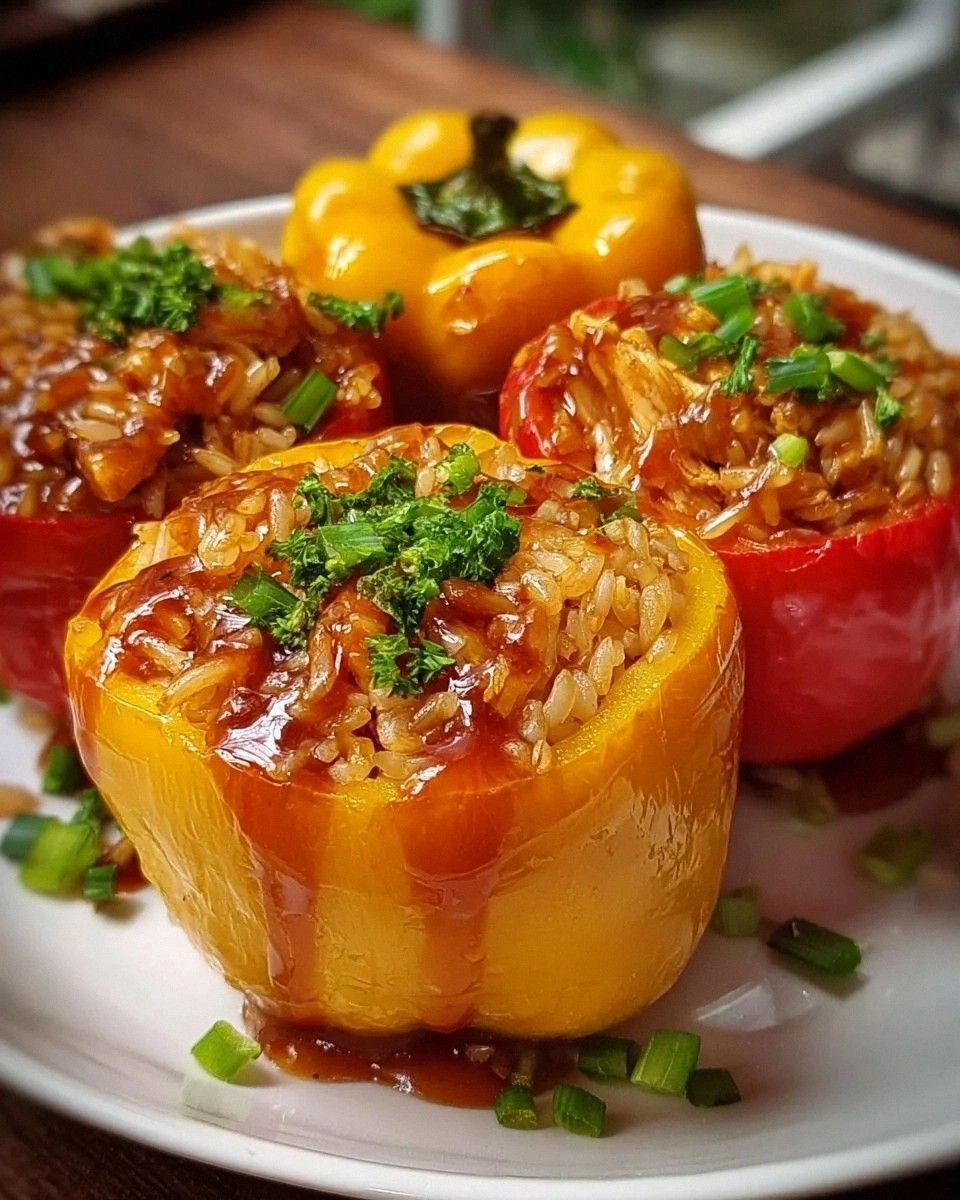
Picture this: a bright orange bell pepper, its skin slightly blistered from the oven, split open to reveal a steaming mound of fluffy rice, tender chicken, and sweet pineapple chunks, all glazed in a glossy teriyaki sauce that clings like silk. The aroma is a head‑on collision of smoky char, sweet fruit, and savory soy—like a backyard barbecue that took a quick trip to a Hawaiian luau. When you bite in, the pepper’s natural sweetness pairs with the caramelized pineapple, while the chicken stays juicy, and the rice offers that comforting, slightly chewy bite you love. The sesame seeds add a subtle nuttiness, and the green onions sprinkle a fresh pop that cuts through the richness.
Why does this version stand out? Most stuffed‑pepper recipes either drown the filling in sauce or leave it dry and bland. I’ve seen people throw in canned pineapple that’s mushy, or use a teriyaki sauce that’s overly salty and artificial. I’ve also watched friends over‑cook the chicken, turning it into a dry, stringy disaster. This recipe strikes the perfect balance: the chicken is diced small enough to absorb the sauce but large enough to stay juicy, the pineapple adds bursts of bright acidity, and the rice acts as a neutral canvas that soaks up every nuance. The secret? A quick sear that locks in flavor before the oven does its magic, and a finishing sprinkle of sesame that adds texture and visual appeal.
Let me walk you through every single step — by the end, you’ll wonder how you ever made it any other way. I’m going to spill the beans on the one technique that transforms ordinary chicken into a succulent masterpiece, and I’ll reveal a tiny ingredient swap that makes the sauce sing. I dare you to taste this and not go back for seconds. Ready? Okay, ready for the game‑changer?
What Makes This Version Stand Out
- Taste: The teriyaki glaze is sweet, salty, and umami‑rich, coating each bite like velvet. The pineapple’s acidity cuts through the richness, creating a perfect harmony.
- Texture: Crispy pepper skins give way to a soft, fluffy interior. The sesame seeds add a satisfying crunch that shatters like thin ice.
- Simplicity: Only nine core ingredients, all pantry‑friendly, mean you can pull this together in under an hour without a grocery run.
- Uniqueness: Most stuffed‑pepper dishes stay in the realm of Italian or Mexican; this one brings an Asian‑tropical twist that surprises the palate.
- Crowd Reaction: Guests often ask for seconds before they even finish the first bite—proof that this is hands down the best version you’ll ever make at home.
- Ingredient Quality: Using Halal chicken breast ensures a clean, lean protein that absorbs the sauce without becoming greasy.
- Cooking Method: A quick stovetop sear locks in juices, while the oven finishes the peppers perfectly, avoiding sogginess.
- Make‑Ahead Potential: You can prep the filling a day ahead, store it, and just stuff and bake when you’re ready to serve.
Inside the Ingredient List
The Flavor Base
The teriyaki sauce is the heart of this dish. It provides a sweet‑salty backbone that clings to the chicken and rice like a second skin. If you opt for a low‑sodium version, add a pinch of sea salt to keep the flavor balanced. For a deeper umami punch, consider a splash of mirin or a dash of fish sauce.
The Texture Crew
Bell peppers are the edible bowls that bring a natural sweetness and a slight crunch when roasted. Choose a mix of colors—red, yellow, orange—for visual appeal and subtle flavor differences. The rice, whether white or brown, acts as the filler that soaks up the sauce while providing a comforting bite. If you prefer a nutty texture, swap half the rice for quinoa.
The Unexpected Star
Pineapple isn’t just a sweet garnish; its acidity cuts through the richness of the sauce and chicken, preventing the dish from feeling heavy. Fresh pineapple yields brighter flavor, but canned works fine if you drain it well. For a twist, try mango or peach, but remember they’ll be sweeter, so you might want to reduce the teriyaki sauce slightly.
The Final Flourish
Sesame seeds and green onions finish the dish with a pop of color and texture. Toast the sesame seeds lightly in a dry pan for extra nuttiness. Slice the green onions thinly so they retain a slight bite after baking. Salt and pepper are added at the end to taste, ensuring you don’t over‑season before the sauce does its job.
Everything's prepped? Good. Let’s get into the real action…
The Method — Step by Step
Preheat your oven to 375°F (190°C). While the oven warms up, slice the tops off the bell peppers and carefully remove the seeds and membranes. Rinse the peppers under cold water and pat them dry with a clean kitchen towel. This step is crucial because a dry surface helps the peppers roast evenly and prevents steam from making them soggy.
Heat 1 tablespoon of vegetable oil in a large skillet over medium‑high heat. Once the oil shimmers, add the diced chicken breast. Let it sizzle— that sound is pure gold. Cook the chicken for about 4‑5 minutes, stirring occasionally, until it’s lightly browned on all sides but not fully cooked through. This sear locks in the juices, ensuring the chicken stays tender after baking.
Add the diced pineapple to the skillet, letting it caramelize for another 2‑3 minutes. You’ll hear a gentle pop as the sugars hit the hot pan— that’s the flavor foundation forming. Then, pour in the ½ cup of teriyaki sauce, stirring to coat every piece. Reduce the heat to low and let the mixture simmer for 3 minutes, allowing the sauce to thicken slightly.
Stir in the cooked rice, making sure it’s evenly distributed throughout the chicken‑pineapple mixture. The rice should be warm but not mushy; if it’s cold, give it a quick microwave zap. Season with salt and pepper to taste, remembering that the teriyaki sauce already brings a salty note. Finally, fold in half of the sliced green onions and a tablespoon of the sesame seeds, reserving the rest for garnish.
Spoon the filling into each pepper cavity, packing it tightly but leaving a tiny gap at the top so the sauce doesn’t overflow. The peppers should look full and proud, like they’re about to burst with flavor. Place the stuffed peppers upright in a baking dish, and if there’s any leftover filling, drizzle it around the base for extra sauce.
Cover the baking dish with aluminum foil to trap steam, then slide it into the preheated oven. Bake for 20 minutes, then remove the foil and continue baking for another 10‑12 minutes. You’re looking for the pepper skins to blister and turn a deep, glossy shade, while the filling bubbles gently at the edges.
When the peppers are done, remove them from the oven and let them rest for 3‑4 minutes. This brief rest lets the juices settle, preventing a watery burst when you cut into them. Sprinkle the remaining green onions and sesame seeds over the top for that final pop of color and crunch.
Serve the stuffed peppers hot, accompanied by a simple side salad or steamed veggies if you like. The aroma that fills the kitchen at this moment is intoxicating— a blend of roasted pepper, sweet pineapple, and savory teriyaka. And now, the fun part: dig in, savor every bite, and watch your guests' faces light up. That’s it — you did it. But hold on, I’ve got a few more tricks that’ll take this to another level…
Insider Tricks for Flawless Results
The Temperature Rule Nobody Follows
Never start with a cold skillet. Let the pan sit on the burner for a minute before adding oil; this prevents the chicken from sticking and ensures a quick, even sear. A properly heated pan creates those coveted golden brown bits that are flavor powerhouses. I once tried to rush this step and ended up with a greasy, uneven texture— lesson learned.
Why Your Nose Knows Best
Trust the scent of the sauce as it simmers. When it starts to smell caramelized and slightly nutty, you know the teriyaki has reduced enough to cling to the chicken. If the aroma is still sharp and raw, give it another minute; the extra time makes all the difference between a watery glaze and a glossy coating.
The 5‑Minute Rest That Changes Everything
After the peppers come out of the oven, resist the urge to slice immediately. Letting them rest for just five minutes lets the steam redistribute, keeping the interior moist. Skipping this step often leads to a dry bite, especially if you’re using brown rice, which can absorb more liquid.
Sesame Seed Toasting Secrets
Toast the sesame seeds in a dry skillet over medium heat for 2 minutes, shaking the pan constantly. The moment they turn a golden amber and release a nutty perfume, they’re ready. Over‑toasting makes them bitter, while under‑toasting leaves them flavorless.
Green Onion Timing
Add half of the sliced green onions to the filling while it’s still on the stove, and reserve the rest for the garnish. This two‑stage addition ensures you get both the subtle onion flavor throughout and the fresh, crunchy bite on top.
Creative Twists and Variations
This recipe is a playground. Here are some of my favorite ways to switch things up:
Spicy Sriracha Kick
Add 1 tablespoon of sriracha to the teriyaki sauce before simmering. The heat cuts through the sweetness, creating a sweet‑heat balance that’s perfect for spice lovers.
Coconut Curry Fusion
Swap the teriyaki sauce for a coconut‑curry sauce and replace the pineapple with diced mango. This gives the dish a creamy, exotic twist that pairs beautifully with jasmine rice.
Mediterranean Flair
Use feta cheese crumbles and kalamata olives in the filling, and replace the teriyaki with a light lemon‑herb vinaigrette. The result is a bright, briny version that feels like a Mediterranean summer.
Vegan Delight
Swap the chicken for firm tofu cubes, use brown rice, and choose a plant‑based teriyaki sauce. The texture changes, but the sweet‑savory profile remains intact.
Cheesy Overload
Stir in ½ cup of shredded mozzarella into the filling before stuffing. The cheese melts into the rice, creating gooey pockets that make the dish irresistibly comforting.
Storing and Bringing It Back to Life
Fridge Storage
Place any leftovers in an airtight container and store them in the refrigerator for up to 3 days. Keep the peppers whole; this helps retain moisture and prevents the rice from drying out.
Freezer Friendly
You can freeze stuffed peppers (unbaked) on a baking sheet, then transfer them to a zip‑top bag. They’ll keep for up to 2 months. When ready, bake from frozen at 375°F, adding an extra 10‑15 minutes to the cooking time.
Best Reheating Method
To reheat, place the pepper in a microwave‑safe dish, add a splash of water (about 1 tablespoon), cover loosely with a damp paper towel, and microwave on high for 1‑2 minutes. For a crispier finish, pop it under the broiler for 2 minutes after microwaving.