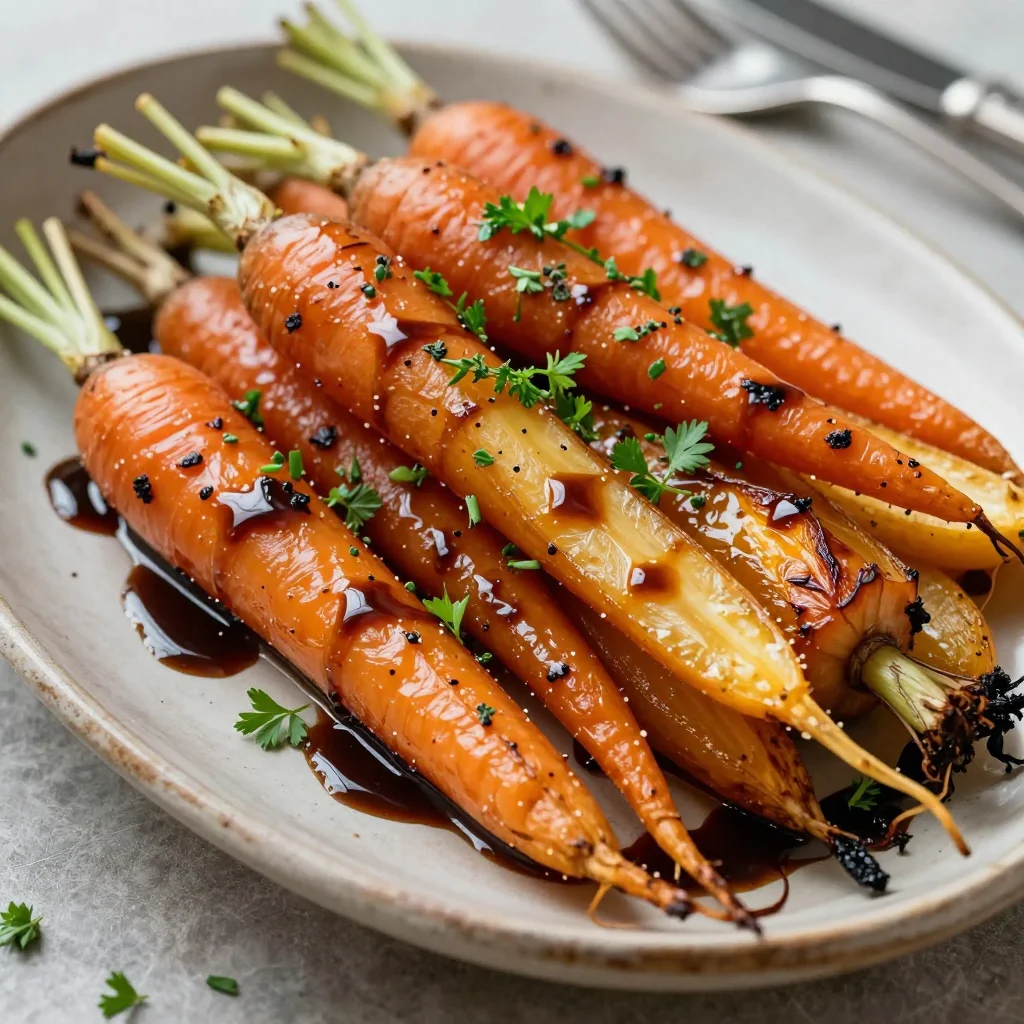
Love this? Pin it for later! 📌
Picture this: it's the first chilly Sunday of October, the farmers' market is bursting with color, and the air smells faintly of woodsmoke and caramelized onions. My canvas tote is sagging with candy-stripe beets, knobby carrots in sunset hues, and a softball-sized rutabaga that still has dirt clinging to its waxy skin. By the time I get home my fingers are cold but my mind is racing with possibility. I pre-heat the oven, pull out my largest rimmed sheet pan, and start chopping. Ninety minutes later the kitchen windows have fogged, the dog is curled in a patch of late-afternoon light, and a tray of burnished vegetables sits on the stovetop, their edges crinkled and blistered, the balsamic glaze still bubbling like lava. One bite—earthy parsnip, sweet beet, herbaceous rosemary—and I am reminded why this is the dish I bring to every Friends-giving, the one I make when I want to feed a crowd without breaking a sweat, the one that turns even the most devoted meat-lover into a vegetable evangelist.
Today I'm sharing my forever-favorite method for roasted root vegetables with balsamic glaze and fresh herbs. It's gluten-free, vegan, week-night-easy yet holiday-worthy, and it scales from a quiet dinner for two to a buffet for twenty without a single adjustment beyond the size of your pan. If you can chop, toss, and set a timer, you can master this recipe—and once you do you'll never look at a turnip the same way again.
Why This Recipe Works
- High-heat roasting caramelizes the natural sugars, giving you crisp edges and creamy centers without any deep-frying.
- A two-stage glaze—half before roasting, half after—creates a lacquered finish that sticks to every ridge and cranny.
- Seasonal flexibility means you can swap in whatever root vegetables look freshest or are languishing in your crisper drawer.
- Fresh herbs added twice—woody stems roast with the veg for depth, delicate leaves finish for brightness.
- One-pan clean-up keeps weeknight dishes minimal; parchment paper is optional but makes scrubbing obsolete.
- Meal-prep superstar: roast on Sunday, reheat for salads, grain bowls, omelets, or sandwich fillings all week.
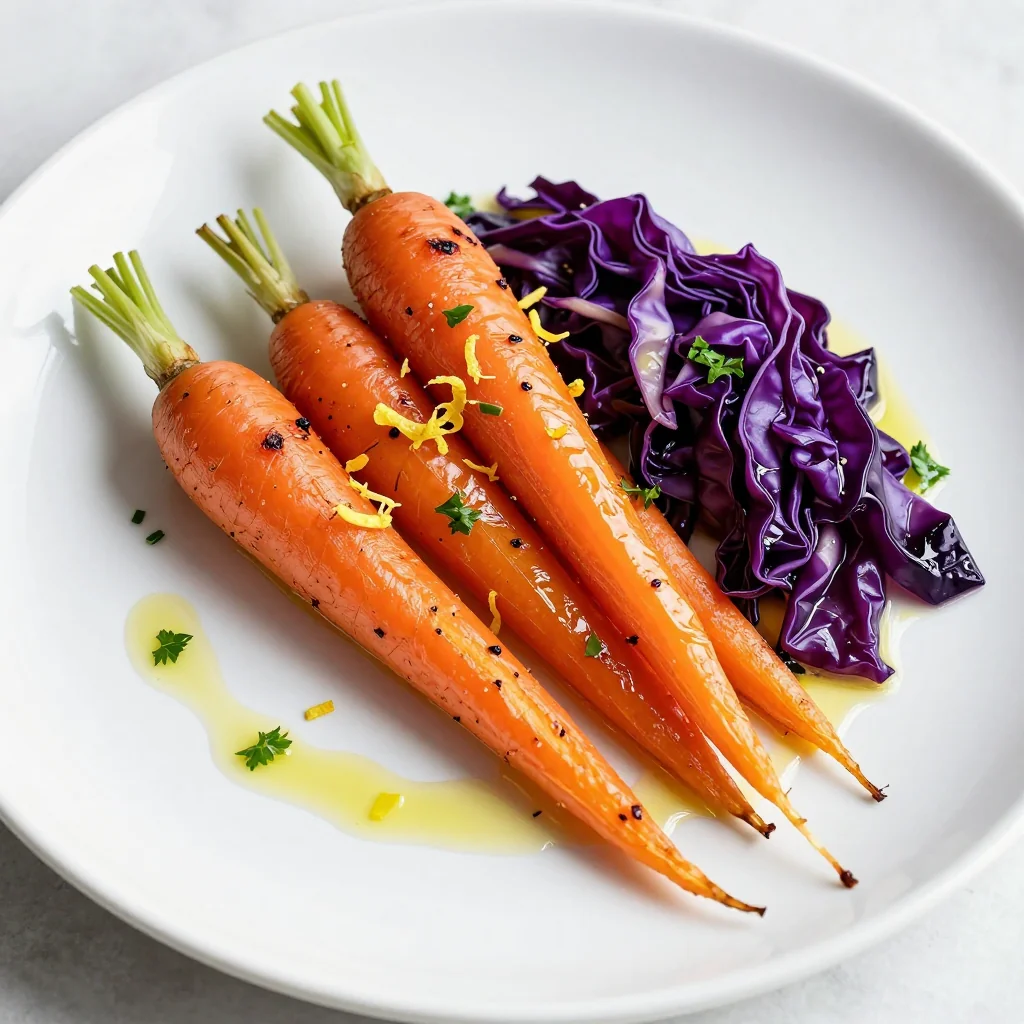
- Stunning color contrast—ruby beets, golden parsnips, amethyst carrots—means no garnish required.
Ingredients You'll Need
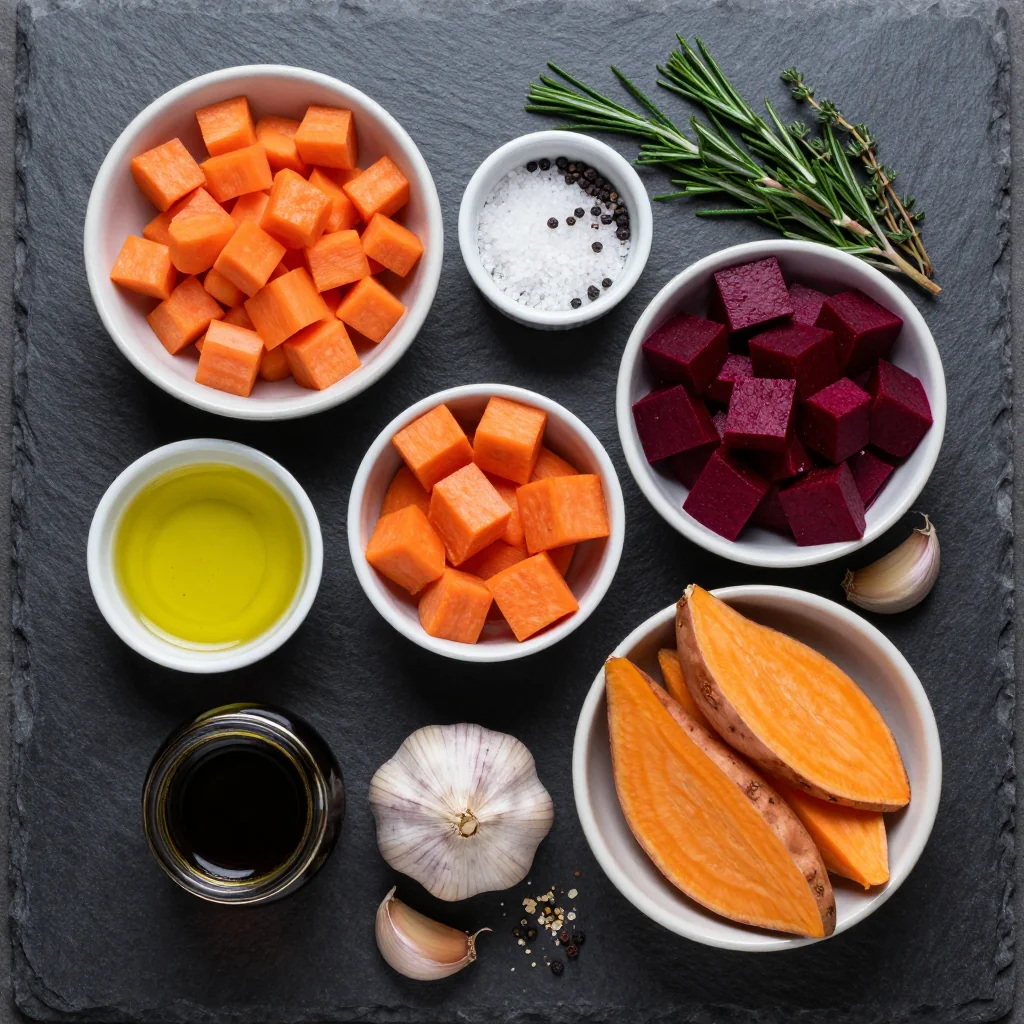
Start with the heaviest, ugliest vegetables you can find—these are often the sweetest because cold weather converts starches to sugars. Look for firm skin, no soft spots, and vibrant tops still attached; the greens are a freshness timestamp. If you shop at a farmers' market, ask for "seconds" or "uglies"—they roast just as well and cost half the price.
Root Vegetables: My signature mix is 3 medium carrots, 2 parsnips, 1 large rutabaga, 1 small celery root, 2 red beets, and 1 golden beet. Carrots bring candy-like sweetness; parsnips add a spicy, almost nutmeg note; rutabaga offers subtle cabbage earthiness; celery root perfumes the tray with celery seed aroma; beets paint everything ruby and honeyed. Feel free to sub in sweet potatoes, turnips, or purple daikon—aim for about 3 lbs total once peeled.
Onion & Garlic: One large red onion, cut through the root into eighths, petals separate into petals for maximum edge-char. Six cloves of garlic, smashed but unpeeled; the skin acts like a steam packet, yielding mellow, spreadable cloves you can smoosh onto crusty bread.
Fat: 3 Tbsp extra-virgin olive oil for everyday deliciousness, plus 1 Tbsp for the glaze. The oil conducts heat, prevents sticking, and encourages browning. If you are oil-free, substitute 2 Tbsp aquafaba plus 1 tsp soy sauce for color.
Balsamic Glaze: ¼ cup good balsamic vinegar (look for 4% acidity and "aged" on the label) simmered with 1 Tbsp maple syrup until reduced by half. The syrup tempers acidity and helps the glaze cling. In a pinch, use pomegranate molasses or reduced orange juice with a splash of sherry vinegar.
Fresh Herbs: 4 sprigs woody rosemary and 4 sprigs thyme go onto the hot pan at the beginning; their resinous oils perfume the oil. After roasting, shower everything with ¼ cup chopped flat-leaf parsley and 2 Tbsp minced chives for verdant freshness. Sage or oregano can stand in for rosemary; tarragon or dill make lovely chive substitutes.
Seasonings: 1 tsp kosher salt, ½ tsp freshly cracked black pepper, and a whisper (⅛ tsp) of smoked paprika for subtle campfire nuance. Finish with flaky sea salt so you hit tiny briny pockets with each bite.
How to Make Roasted Root Vegetables with Balsamic Glaze and Fresh Herbs
Expert Tips
High Heat is Non-Negiotiable
425 °F strikes the balance between caramelizing sugars and cooking interiors through. Lower temps steam veg; higher temps scorch before centers soften.
Do Not Crowd the Pan
Airflow equals crisp edges. If vegetables touch, they steam. Use two pans or roast in batches, then reheat together with final glaze.
Color-Code Your Cutting Board
Beets bleed. Keep them separated until the last second to preserve the sunset streaks on parsnips and carrots.
Glaze Timing Matters
Adding all glaze at the start scorches sugars; adding at the end keeps it glossy. Splitting ensures both depth and shine.
Freeze Before Glazing
Roast a double batch, cool, freeze on trays, then bag. Reheat from frozen with fresh glaze for a 15-minute side later.
Rotate, Don't Shake
A quick flip with a spatula preserves the caramelized surface; shaking the pan can break delicate edges.
Variations to Try
- Miso-Maple: Whisk 1 tsp white miso into the glaze for salty umami balance. Finish with sesame seeds and scallions.
- Honey-Sriracha: Replace maple syrup with honey and add ½ tsp sriracha to the glaze for sweet heat.
- Moroccan Spiced: Add ½ tsp each cumin and coriander plus ¼ tsp cinnamon to the oil. Finish with chopped dates and toasted almonds.
- Citrus-Herb: Replace 1 Tbsp oil with orange-infused olive oil and add 1 tsp orange zest to the final garnish.
- Autumn harvest: Swap half the root veg for 1-inch cubes of butternut squash and Brussels sprout halves; roast 20 min initially instead of 25.
- Protein-Packed: Add a drained can of chickpeas to the bowl in Step 4 for crunchy, protein-rich bites.
Storage Tips
Refrigerator: Cool completely, then store in an airtight container up to 5 days. Reheat in a 400 °F oven for 8 minutes or in a hot skillet for 4 minutes to regain crisp edges. Microwave works in a pinch, but edges stay soft.
Freezer: Spread cooled vegetables on a parchment-lined tray, freeze until solid, then transfer to freezer bags up to 2 months. Reheat directly from frozen on a sheet pan at 425 °F for 15 minutes, adding fresh glaze halfway through.
Make-Ahead for Entertaining: Roast vegetables 4 hours early and keep covered at room temperature. Twenty minutes before serving, glaze and reheat in a 425 °F oven until hot and sticky.
Frequently Asked Questions
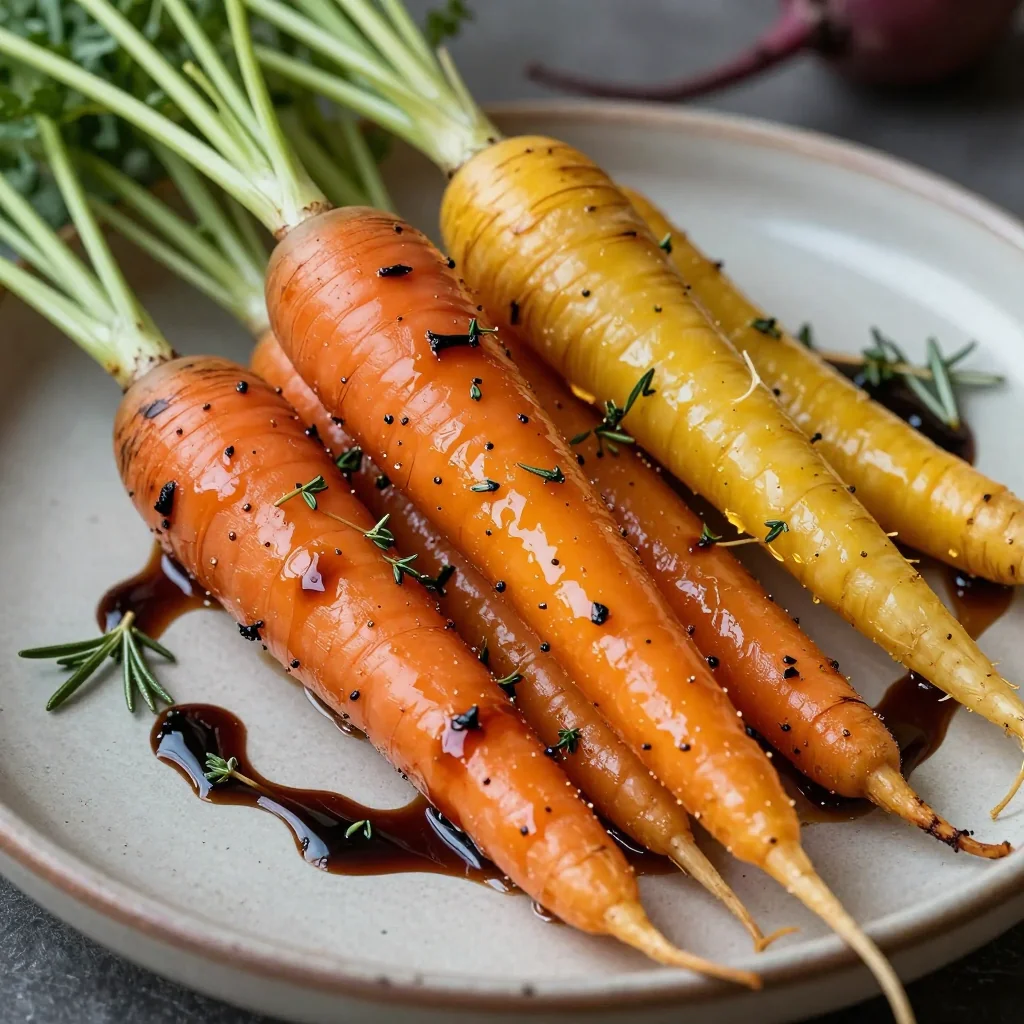
Roasted Root Vegetables with Balsamic Glaze and Fresh Herbs
Ingredients
Instructions
- Preheat oven: Set racks in upper & lower thirds; heat to 425 °F. Line two sheet pans with parchment.
- Make glaze: Simmer balsamic vinegar and maple syrup 6–8 min until reduced by half; set aside.
- Toss vegetables: In a large bowl combine carrots, parsnips, celery root, rutabaga, onion, garlic, olive oil, salt, pepper, and paprika.
- Add beets: Separately coat beets with 1 tsp oil & ½ tsp glaze; fold into vegetable mixture.
- Season & arrange: Divide veg between pans; tuck herb sprigs underneath. Roast 25 min.
- Flip & glaze: Flip veg, rotate pans, drizzle 1 Tbsp glaze on each tray; roast 20 min more.
- Final roast: Toss with remaining glaze, roast 5–7 min until sticky edges form.
- Serve: Rest 5 min, then sprinkle with parsley, chives, and flaky sea salt.
Recipe Notes
For extra crispy edges, broil the vegetables 1–2 minutes after the final roast—watch constantly. If your beets bleed, a quick rinse under warm water will remove the magenta tint from lighter vegetables.