When I was in the middle of a backyard barbecue, my friend dared me to turn an ordinary rosé into something that would make everyone at the table raise their glasses in disbelief. I grabbed a bottle, a handful of fresh fruit, and a splash of pomegranate juice, and the result was a vibrant, ruby‑glimmering punch that felt like summer in a glass. The moment I poured the first swirl, the air filled with a citrusy perfume that danced with the faint sweetness of the berries, and the clink of the glasses sounded like applause. I could hear the chatter of people, the hiss of the grill, and the faint buzz of a distant lawnmower—all of which became the soundtrack to my culinary experiment.
That night, I tasted the sangria and realized it wasn’t just a drink; it was a story. The rosé’s dry backbone cut through the fruit’s natural sugar, creating a balance that felt both daring and comforting. The pomegranate juice added a deep, almost velvety color and a subtle tartness that lifted the entire flavor profile. The plums, with their soft, almost buttery flesh, softened the acidity, while the raspberries and blackberries delivered a burst of bright, tart notes that made my taste buds dance. Every sip was a revelation, a reminder that the simplest ingredients can become extraordinary when treated with love and a touch of daring.
I swear, if you’ve ever tried a bland sangria that felt like a watered‑down punch, you’re not alone. Most recipes get this completely wrong, focusing on too much sweetness or neglecting the balance of acidity. What makes this version stand out is the deliberate pairing of a dry rosé with a splash of pomegranate juice and a splash of white vermouth, a combination that elevates the drink from ordinary to unforgettable. The fresh fruit isn’t just garnish; it’s the heart of the sangria, each bite offering a new layer of flavor. Picture yourself pulling this out of the fridge, the whole kitchen smelling incredible, and a crowd of friends raising their glasses in a chorus of “Wow!”
Let me walk you through every single step—by the end, you’ll wonder how you ever made it any other way. I dare you to taste this and not go back for seconds. The secret? It’s in the timing, the quality of the ingredients, and a few small tricks that I’ve learned from years of kitchen experiments. This is hands down the best version you’ll ever make at home, and I’m about to share every detail with you, from the first splash of rosé to the final garnish of mint and lemon slices. Stay with me, because this next part? Pure magic.
What Makes This Version Stand Out
- Flavor Depth: The dry rosé provides a crisp backbone that allows the fruit flavors to shine without overpowering them. The added pomegranate juice introduces a subtle, earthy sweetness that balances the tartness of the berries.
- Texture Contrast: The plums offer a soft, juicy mouthfeel that contrasts beautifully with the crispness of the rosé, while the raspberries and blackberries add a burst of juiciness that lingers on the palate.
- Visual Appeal: The deep rose color is enhanced by the jewel tones of the berries and the bright green of the mint, making every glass a feast for the eyes.
- Make‑Ahead Potential: This sangria can be prepared a day ahead, allowing the flavors to meld and the fruit to infuse the wine fully, which actually improves the taste.
- Crowd‑Pleaser: The combination of sweet and tart notes is universally loved, making it perfect for parties, brunches, or a quiet evening by the window.
- Ingredient Quality: Using a high‑quality dry rosé and fresh, seasonal fruit ensures that each sip feels premium and authentic.
- Simple Method: No cooking required—just a few minutes of mixing and chilling, which means more time to enjoy the company.
- Unique Twist: The splash of white vermouth adds a hint of herbal complexity that many sangria recipes overlook.
Alright, let’s break down exactly what goes into this masterpiece…
Inside the Ingredient List
The Flavor Base
Dry rosé is the star of this sangria. It provides a light, crisp foundation that carries the fruit without being overwhelmed. Choosing a rosé with a hint of minerality—think Provence or a light Italian rosé—adds an extra layer of sophistication. If you can’t find a dry rosé, a dry white wine like Sauvignon Blanc will work, but you’ll lose that subtle floral nuance.
The Sweetness Counterbalance
Pomegranate juice is the sweet counterpoint to the rosé’s dryness. It adds a deep, almost velvety color and a complex, tart-sweet profile that elevates the drink. A small amount—just a quarter cup—does enough to give the sangria depth without making it cloying. If you prefer a different sweetener, a splash of elderflower cordial can mimic the floral sweetness.
The Citrus Kick
Lemon juice brings bright acidity that cuts through the wine’s fruitiness. It also enhances the overall brightness of the sangria, making each sip feel fresh. Use freshly squeezed lemon juice for the best flavor; bottled juice can taste flat. If you’re allergic to citrus, a splash of lime juice will work, though it will change the flavor profile slightly.
The Herbal Layer
White vermouth adds a subtle herbal complexity that many sangria recipes miss. It’s a nod to classic sangria traditions and brings a dry, aromatic finish. If you’re not a fan of vermouth, a splash of dry sherry or even a pinch of dried herbs (like thyme) can add a similar depth.
The Texture Crew
Plums, raspberries, and blackberries are the texture crew that make the sangria feel alive. The plums offer a soft, juicy bite, while the berries provide bursts of juice that linger on the tongue. If you’re looking for a different texture, try adding sliced peaches or mango for a tropical twist.
The Final Flourish
Mint and lemon slices are the final flourish that adds aroma and a hint of freshness. The mint’s cool, aromatic oils elevate the overall flavor, while the lemon slices add a subtle citrus aroma that lingers. A few sprigs of fresh mint also make the presentation pop.
Everything’s prepped? Good. Let’s get into the real action…
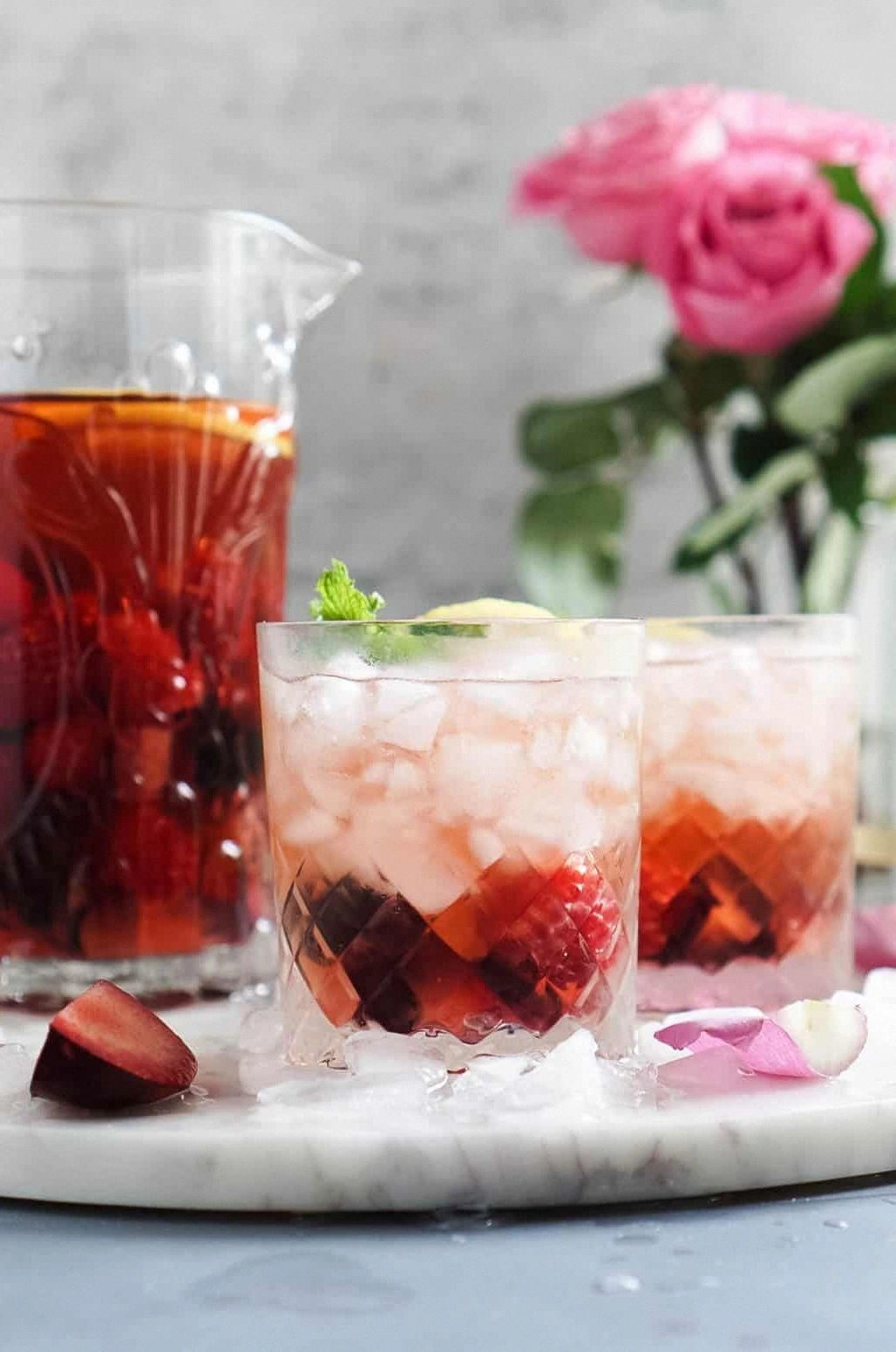
The Method — Step by Step
- Step 1: Prepare the Fruit. In a large pitcher, place the two sliced plums, a handful of raspberries, and a handful of blackberries. Gently muddle them with a wooden spoon just enough to release their juices, but not so much that they become mushy. This step is crucial; it allows the fruit to infuse the wine and gives the sangria its vibrant color.
- Step 2: Add the Rosé. Pour the entire bottle of dry rosé over the fruit. The wine will soak through the fruit, absorbing their juices and flavors. Stir gently to combine, ensuring that every piece of fruit is coated in the wine.
- Step 3: Sweeten the Mix. Add the quarter cup of pomegranate juice to the pitcher. The sweet, tart flavor will mingle with the wine, creating a balanced base. If you prefer a sweeter sangria, feel free to add a teaspoon of honey or simple syrup, but keep it light to preserve the dryness of the rosé.
- Step 4: Citrus Burst. Pour in the three tablespoons of freshly squeezed lemon juice. The acidity will brighten the sangria and cut through the sweetness. Give the mixture a good stir to ensure the lemon juice is fully incorporated.
- Step 5: Herbal Touch. Add the two tablespoons of white vermouth. The vermouth’s herbal notes will add depth and complexity. If you’re avoiding alcohol, a splash of dry sherry can substitute, though the flavor will differ slightly.
- Step 6: Chill. Cover the pitcher with a lid or plastic wrap and place it in the refrigerator for at least 2 hours, preferably overnight. This allows the flavors to marry and the fruit to infuse the wine fully. The longer you let it sit, the richer the sangria will taste.
- Step 7: Garnish. Just before serving, add fresh mint sprigs and lemon slices to the pitcher. The mint will release its aromatic oils, while the lemon slices will add a subtle citrus aroma. If you’re serving in individual glasses, place a mint sprig in each one for a pop of color.
- Step 8: Serve. Fill glasses with ice if desired, then pour the sangria over the ice. The ice will keep the sangria chilled and dilute it slightly, which is perfect for a warm evening. If you prefer a sweeter, more concentrated drink, skip the ice.
That’s it — you did it. But hold on, I’ve got a few more tricks that will take this to another level…
Insider Tricks for Flawless Results
The Temperature Rule Nobody Follows
Many people serve sangria straight from the fridge, but the flavor profile is actually best at a slightly chilled temperature, around 45°F. Keep the sangria in a cooler with ice packs if you’re serving at a party. The cooler temperature prevents the wine from becoming too sweet and preserves its crispness.
Why Your Nose Knows Best
Before pouring, give the sangria a quick sniff. If you notice a faint, sweet aroma from the pomegranate juice, you’re on the right track. If the aroma feels flat, add a splash more lemon juice or a pinch of salt to bring the flavors back to life.
The 5-Minute Rest That Changes Everything
After adding the mint and lemon slices, let the sangria sit for exactly five minutes before serving. This brief rest allows the mint’s oils to fully release, giving each glass a fresh, aromatic kick. It’s a small detail that makes a big difference.
Use Quality Fruit, Not Generic
Fresh, ripe fruit is essential. Avoid fruit that’s overripe or has been stored for too long, as it can release too much juice and make the sangria watery. Look for plums that are firm but give slightly under pressure, and berries that are bright and free of mold.
Serve in the Right Glass
Use wine glasses or tulip-shaped glasses to allow the aromas to concentrate. The shape of the glass will enhance the drinking experience and make the sangria feel more refined. If you’re serving in a mason jar, make sure it’s clean and free of any old wine residue.
Keep It Cool, Not Cold
While ice is great for a warm day, too much ice can dilute the sangria quickly. If you’re serving outdoors, use a cooler with ice packs instead of adding ice directly to the glasses. This keeps the sangria at a consistent, enjoyable temperature.
Creative Twists and Variations
This recipe is a playground. Here are some of my favorite ways to switch things up:
Summer Citrus Splash
Replace the pomegranate juice with a splash of blood orange juice and add a handful of sliced strawberries. The citrus will give the sangria a bright, summery vibe that pairs well with grilled seafood.
Tropical Escape
Swap the plums for sliced mango and add a splash of coconut water. The tropical flavors will transport you to a beach, and the coconut water adds a subtle sweetness without overpowering the wine.
Herbal Garden
Add a few sprigs of fresh rosemary and a teaspoon of dried lavender to the mix. The herbal notes will deepen the complexity, making it a perfect drink for an evening garden party.
Spiced Winter Sangria
Incorporate a pinch of ground cinnamon and a few cloves into the mixture. Add dried cranberries instead of blackberries for a seasonal twist that feels like a cozy holiday treat.
Berry Explosion
Use a mix of blueberries, strawberries, and blackberries, and add a splash of elderflower cordial. The elderflower will give the sangria a floral sweetness that pairs beautifully with the berries.
Low‑Calorie Version
Reduce the pomegranate juice to half a cup and add a splash of sparkling water. This keeps the sangria refreshing and lower in calories while still delivering the fruit burst.
Storing and Bringing It Back to Life
Fridge Storage
Store the sangria in an airtight container in the refrigerator for up to 48 hours. Keep the fruit separate if you prefer a clearer drink, and add the fruit just before serving to maintain freshness.
Freezer Friendly
For longer storage, pour the sangria into a freezer‑safe container and freeze for up to 3 months. Thaw overnight in the refrigerator before serving. Add a splash of fresh lemon juice when you thaw to revive the brightness.
Best Reheating Method
Since sangria is a chilled drink, you don’t need to reheat it. If you’ve frozen it, simply let it thaw at room temperature for about an hour before serving. Add a tiny splash of water to the mixture to restore its original volume and keep it from becoming too concentrated.