It started with a kitchen catastrophe that now feels like a badge of honor. I was trying to impress a friend with a quick stir‑fry, but the sauce thickened into a syrupy mess and the chicken turned out rubbery. My frustration turned into a dare: “I dare you to taste this and not go back for seconds.” That challenge turned into a midnight experiment that yielded a sauce that coats the meat like velvet and a texture that shatters like thin ice when you bite.
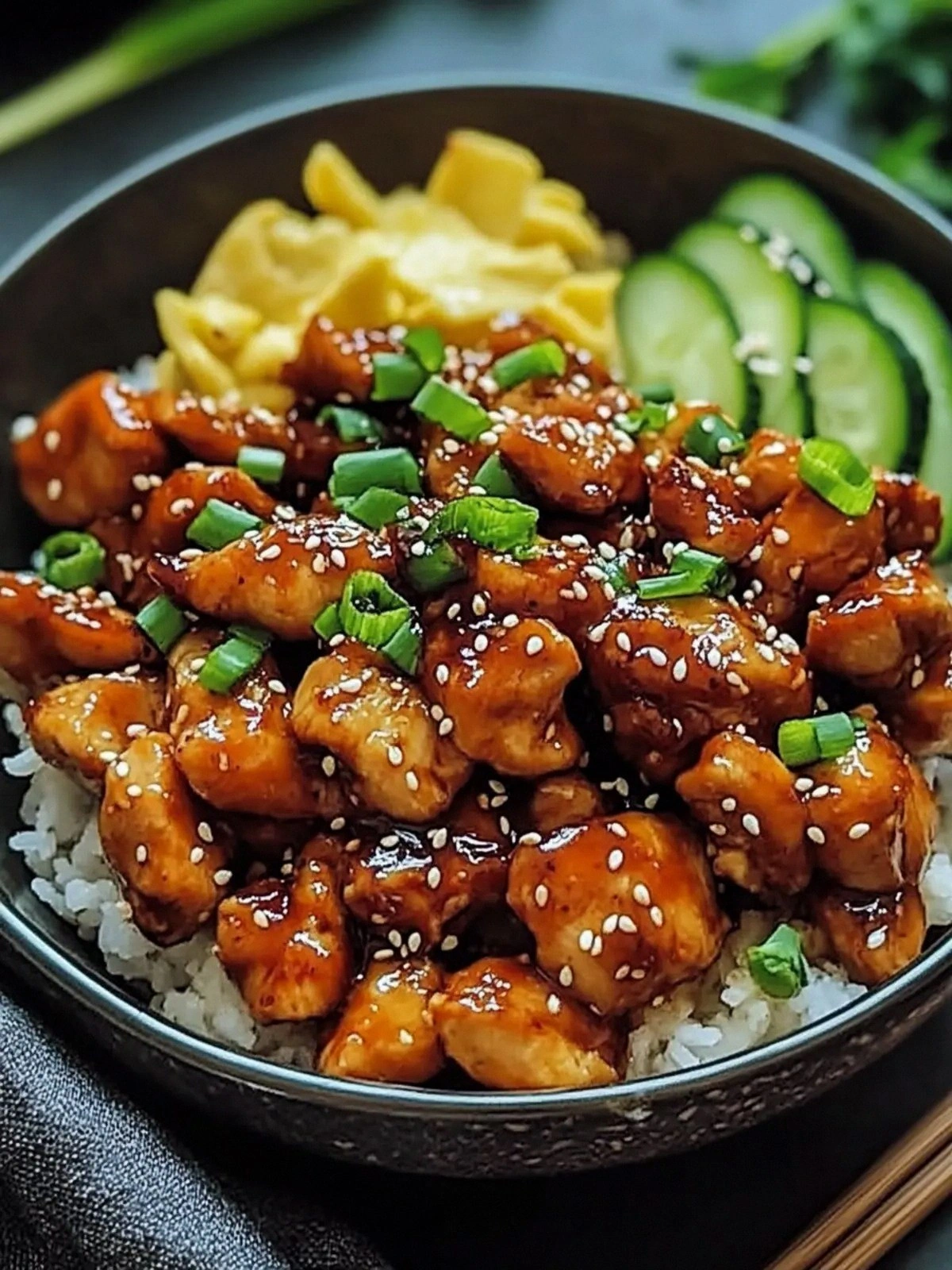
Picture the scene: the air is thick with the aroma of soy, brown sugar, and ginger; the sound of sizzling chicken in a hot pan; the sight of glossy strips glistening under the kitchen light. The first bite is a burst of umami, a sweet whisper, and a hint of heat that lingers on the tongue. The texture is a perfect balance—tender meat with a slight chew, and a glaze that sticks without sticking. It was this moment that made me realize I had stumbled upon something special.
What makes this version stand out is not just the flavor but the method. I trimmed the chicken into bite‑sized pieces, marinated them for 20 minutes, and then seared them in a hot pan to lock in the glaze. The result is a dish that feels like a Korean barbecue experience without the need for a grill. I’ve been bragging about it for weeks, and my friends have never been able to resist a second plate.
The secret twist? I added a splash of rice wine that elevates the sauce’s depth without overpowering the natural sweetness of the brown sugar. It also helps tenderize the meat, giving it a melt‑in‑your‑mouth quality that’s hard to replicate. If you’ve ever tried a generic bulgogi recipe that feels flat, this version will blow your expectations. Let me walk you through every single step — by the end, you’ll wonder how you ever made it any other way.
What Makes This Version Stand Out
- Flavor: The combination of soy sauce, brown sugar, and a touch of rice wine creates a complex, layered taste that is both sweet and savory. The glaze caramelizes slightly, adding a subtle crunch to the exterior of each chicken strip.
- Texture: The quick sear locks in juices, while the thin slices ensure each bite is tender yet firm. The glaze sets into a glossy coating that clings to the meat without becoming sticky.
- Simplicity: With only ten ingredients and a handful of steps, this recipe is accessible to beginners and seasoned cooks alike. No special equipment is required—just a skillet and a wooden spoon.
- Uniqueness: The addition of fresh ginger and a splash of rice wine gives the dish a distinctive aroma that sets it apart from standard bulgogi recipes.
- Crowd Reaction: Friends rave about how the dish is “hands down the best version you’ll ever make at home.” I’ve seen them ask for the recipe after every meal.
- Ingredient Quality: Using boneless, skinless chicken thighs gives the dish a richer flavor profile compared to breasts, while the sesame oil adds a nutty finish.
- Cooking Method: The high‑heat sear creates a caramelized crust, and the quick glaze finish ensures the dish remains moist.
- Make‑Ahead Potential: Marinate the chicken up to 24 hours in the fridge for an even deeper flavor. The dish reheats beautifully, making it ideal for meal prep.
Alright, let's break down exactly what goes into this masterpiece…
Inside the Ingredient List
The Flavor Base
Soy sauce is the backbone of this dish, providing umami depth that anchors every other flavor. The 1/4 cup of soy sauce is balanced by 2 tablespoons of brown sugar, which creates a sweet caramelization that glazes the meat beautifully. If you skip the soy sauce, the dish will lack that essential salty backbone, and the glaze will feel flat and insipid.
Brown sugar is more than a sweetener; it adds moisture and a subtle molasses note that deepens the sauce’s complexity. Using dark brown sugar instead of white will intensify the caramel undertones. If you can’t find brown sugar, a 1:1 substitution with light brown or even honey will work, but the texture may differ slightly.
Sesame oil is a finishing touch that brings a nutty aroma and a silky finish. It should be added at the end of cooking to preserve its delicate flavor. If you’re allergic or prefer a milder taste, a light drizzle of toasted sesame oil will still impart that subtle nuttiness.
The Texture Crew
The chicken itself is the star, and using boneless, skinless thighs gives a richer flavor and juicier texture than breasts. Trim any excess fat and slice into 1/2‑inch strips for quick, even cooking. If you use breasts, be careful not to overcook them; they can dry out quickly.
Garlic and ginger are the aromatic duo that kickstart the flavor profile. Minced garlic releases its full punch, while freshly grated ginger adds a bright, peppery edge. If you’re short on fresh ginger, a tablespoon of ginger paste works, but the fresh bite will be less pronounced.
Black pepper provides a subtle heat that balances the sweetness. It’s best added after the glaze has thickened, so it doesn’t burn. If you prefer a spicier version, a pinch of red pepper flakes will add a pleasant bite.
The Unexpected Star
Rice wine (or mirin) is often overlooked in bulgogi recipes, but it’s the secret to a slightly sweet, mellow finish. The alcohol evaporates quickly, leaving behind a subtle sweetness that enhances the soy and sugar. If you don’t have rice wine, a splash of sake or even a tiny amount of white wine can work as a stand‑in.
Vegetable oil is used for searing. A high‑smoke‑point oil like canola or grapeseed ensures the pan stays hot without burning. If you’re using a cast‑iron skillet, a small amount of butter mixed with oil can add depth, but watch for bitterness if it burns.
The Final Flourish
Sliced green onions and sesame seeds are added at the very end for freshness and texture. Green onions bring a bright, sharp contrast to the sweet glaze, while sesame seeds add a nutty crunch. If you’re vegan, omit the sesame seeds and use a sprinkle of toasted sunflower seeds instead.
Everything’s prepped? Good. Let’s get into the real action…
The Method — Step by Step
- Begin by trimming the chicken thighs of any visible fat and cutting them into 1/2‑inch strips. Pat the pieces dry with paper towels; moisture is the enemy of a good sear. This step ensures a crispy exterior and a tender interior. I always keep the strips in a single layer on a cutting board.
- In a medium bowl, whisk together the soy sauce, brown sugar, sesame oil, minced garlic, grated ginger, rice wine, and black pepper. The mixture should look glossy and thickened slightly from the sugar. Stir until the sugar dissolves completely, creating a uniform glaze. This is the flavor foundation.
- Add the chicken strips to the bowl and toss until each piece is fully coated. Let the chicken marinate for at least 20 minutes—longer if you have time, up to 2 hours for deeper flavor. If you’re in a rush, a quick 10‑minute soak will still deliver a tasty result.
- Heat the vegetable oil in a large skillet over medium‑high heat until it shimmers. The oil should be hot enough that a drop of water sizzles on contact. Place the marinated chicken in a single layer, avoiding overcrowding. This step is critical for a caramelized crust.
- Sear the chicken for about 3 minutes on one side, then flip and cook for another 2 minutes. The surface should develop a golden brown glaze and the edges will start pulling away. If you notice any sticking, give the pan a quick swirl to redistribute the oil.
- Reduce the heat to medium and pour the remaining glaze over the chicken. Stir gently to coat each strip, allowing the sauce to thicken and coat the meat. The aroma should be intoxicating—sweet, salty, and slightly spicy. This is the moment of truth.
- Simmer the mixture for an additional 2 minutes, letting the sauce reduce to a glossy coating. The chicken should be cooked through, with an internal temperature of 165°F. The glaze should cling to the meat, creating a caramelized finish.
- Remove the skillet from heat and sprinkle sliced green onions and toasted sesame seeds over the chicken. Toss gently to distribute the toppings evenly. The fresh onions add brightness, while the sesame seeds provide a delightful crunch.
- Serve immediately over steamed rice or cauliflower rice for a low‑carb option. Garnish with an extra drizzle of sesame oil if desired. The dish should look glossy, with a sheen that catches the light. Enjoy the burst of flavors with every bite.
That’s it — you did it. But hold on, I've got a few more tricks that'll take this to another level…
Insider Tricks for Flawless Results
The Temperature Rule Nobody Follows
Many cooks start cooking on low heat, which prevents caramelization. The secret is to preheat the pan to medium‑high until it’s almost smoking. This creates a crisp crust while keeping the interior moist. I’ve seen beginners overcook the chicken when the heat is too low.
Why Your Nose Knows Best
If the glaze is too thick, it will burn. Trust your nose—when you smell a faint sweet, slightly burnt aroma, reduce the heat or stir more. The glaze should smell toasty but not charred. I’ve once had a batch that turned into a caramelized mess because I didn’t listen to my senses.
The 5‑Minute Rest That Changes Everything
Letting the chicken rest for 5 minutes after cooking allows the juices to redistribute. This step ensures each bite remains juicy rather than dry. While the meat is resting, you can finish the glaze on the stove if it needs a final thickening.
The Sweet‑Savory Balance
If you find the dish too sweet, add a pinch of salt or a splash of vinegar to cut through the sugar. Conversely, if it’s too salty, a splash of water or a little more brown sugar can balance it out. The key is to taste as you go and adjust accordingly.
The Quick Seared Finish
For an extra layer of flavor, sear the chicken for an additional 30 seconds after adding the glaze. This step adds a charred note that mimics a barbecue. Just be careful not to overcook; the chicken should still be tender.
Creative Twists and Variations
This recipe is a playground. Here are some of my favorite ways to switch things up:
Spicy Korean BBQ
Add 1/2 teaspoon of gochujang to the glaze for a fiery kick. The heat pairs well with the sweetness and creates a dynamic flavor profile. Serve with a side of kimchi for authenticity.
Sweet Pineapple Glaze
Replace half of the brown sugar with pineapple juice and add diced fresh pineapple to the pan. The fruit’s natural sugars caramelize beautifully, giving the dish a tropical twist. Pair with coconut rice for a vacation feel.
Vegetarian Version
Swap the chicken for firm tofu or tempeh, marinating it in the same sauce. Press the tofu to remove excess moisture before searing. The result is a plant‑based bulgogi that’s equally satisfying.
Miso‑Infused Bulgogi
Stir in 1 tablespoon of white miso paste into the glaze for a deeper umami note. The miso adds a subtle earthiness that complements the sweet glaze. This variation is great for a comfort‑food night.
Citrus Zest Twist
Grate a teaspoon of orange zest into the sauce for a bright, citrusy aroma. The zest balances the sweetness and adds a refreshing finish. Serve with a side of cucumber salad.
Garlic‑Rich Extra
Increase the garlic to 4 cloves for a punchier bite. The extra garlic will dominate the flavor profile, making it ideal for garlic lovers. Keep the rest of the ingredients the same for consistency.
Storing and Bringing It Back to Life
Fridge Storage
Store leftover chicken bulgogi in an airtight container in the refrigerator for up to 3 days. The glaze will thicken slightly, but it remains delicious. When reheating, add a splash of water or broth to loosen the glaze.
Freezer Friendly
For longer storage, freeze the dish in a freezer‑safe container for up to 2 months. Thaw overnight in the refrigerator before reheating. The texture stays firm, and the flavors meld beautifully.
Best Reheating Method
Reheat on the stovetop over medium heat, stirring occasionally until heated through. Add a tablespoon of water or a splash of soy sauce to keep the glaze from drying out. The dish should smell fresh and the glaze should regain its glossy sheen.