I was standing in my kitchen on a rainy Tuesday, the kind of day when you stare at the pantry and wonder if a simple sheet of pastry can turn a gloomy afternoon into something legendary. I had a half‑finished box of phyllo, a wilted bunch of spinach that looked like it survived a hurricane, and an insistent craving for something buttery, cheesy, and impossibly crisp. I tossed the spinach into a pot, let it wilt, and then—boom—a daring thought struck: what if I could coax that humble Greek pie into a show‑stopper that would make even my skeptical brother ask for seconds? I dared him to taste this and not go back for more, and guess what? He didn’t even finish his plate.
Picture the scene: the oven humming like a low‑key drumbeat, the scent of olive oil and fresh herbs swirling together, a golden‑brown crust that shimmers under the kitchen light like a freshly minted coin. The sound of phyllo sheets being brushed with melted butter is a soft, satisfying whisper, the kind of kitchen soundtrack that makes you feel like a culinary wizard. When you finally pull the pie out, the steam rises in a fragrant cloud that fills the whole house, and you can practically hear the butter sigh as it meets the hot air. The first bite is a cascade of textures—crispy edges that shatter like thin ice, a buttery melt that slides into a creamy, herb‑infused spinach filling that’s both tangy and comforting.
Most Spanakopita recipes get this completely wrong. They either drown the spinach in feta, leaving the flavor one‑dimensional, or they under‑brush the phyllo, resulting in soggy, sad layers that stick together like old receipts. My version flips the script: a light hand with the feta, a dollop of ricotta for silkiness, and a secret weapon—a drizzle of olive oil mixed with butter that gives each layer a glossy, crackly finish. The secret ingredient? A splash of lemon juice added at the very end of the filling, just enough to brighten the whole thing without making it taste like a salad.
I’m about to walk you through every single step—by the end, you’ll wonder how you ever made Spanakopita any other way. Okay, ready for the game‑changer? Let’s dive in, because the next part? Pure magic.
What Makes This Version Stand Out
- Flavor: The combination of feta’s salty bite, ricotta’s creamy cool, and fresh herbs creates a layered taste that dances on the palate. It’s not just spinach and cheese; it’s a symphony of Mediterranean notes that sing with every forkful.
- Texture: The phyllo is brushed with a butter‑olive oil blend, giving you that coveted crisp‑to‑the‑edge crunch while the interior stays luxuriously soft. Think of it as a buttery armor protecting a velvet‑smooth interior.
- Simplicity: No fancy equipment, no exotic spices—just pantry staples and a few fresh herbs. If you can handle a skillet and a baking sheet, you’ve got this down.
- Uniqueness: Adding ricotta and a splash of lemon to the filling keeps the classic from feeling stale. It’s the culinary equivalent of adding a surprise cameo in a familiar movie.
- Crowd Reaction: I’ll be honest — I ate half the batch before anyone else got to try it, and the leftover pieces vanished in seconds. Your guests will be begging for the recipe before you even finish the story.
- Ingredient Quality: Fresh spinach and high‑quality feta make the difference between “meh” and “wow.” You’ll taste the garden in every bite.
- Cooking Method: The layered brushing technique ensures each sheet gets its own buttery hug, preventing sogginess and guaranteeing that signature snap.
- Make‑Ahead Potential: Assemble the pie a day ahead, keep it refrigerated, and bake it fresh for a last‑minute party triumph.
Inside the Ingredient List
The Flavor Base
Fresh spinach is the heart of this dish. One pound of vibrant, dark green leaves gives you enough volume to create a filling that’s both lush and airy. If you skimp on the spinach, the pie feels thin and the cheese overwhelms. When selecting spinach, look for deep‑green, crisp leaves without any yellowing—that’s the sign of freshness. If you can’t find fresh, frozen spinach works in a pinch, but be sure to thaw and squeeze out every drop of water; excess moisture is the nemesis of crisp phyllo.
The Texture Crew
Phyllo pastry is the unsung hero here. A single package of about fifteen sheets is perfect for a 9‑inch pie. The sheets are paper‑thin, so handle them gently and keep them covered with a damp cloth to avoid drying. Butter and olive oil together create a glossy, crackly layer that locks in steam while letting the edges brown beautifully. If you’re allergic to dairy, swap the butter for extra olive oil; the result is still golden, though slightly less buttery.
The Unexpected Star
Ricotta cheese adds a silk‑smooth texture that balances feta’s sharpness. It’s the culinary equivalent of a secret sauce that makes everything better. If ricotta isn’t on hand, you can blend cottage cheese until smooth, but the flavor will be milder. The fresh herbs—parsley, dill, or a mix—inject a bright, aromatic lift that cuts through the richness. A handful of finely chopped herbs is enough; over‑herbing can mask the spinach’s natural flavor.
The Final Flourish
Salt and pepper, to taste, are the final seasoning that brings everything together. Don’t be shy with the salt—feta is already salty, but a pinch helps the flavors meld. Pepper adds a subtle heat that balances the buttery crust. A splash of lemon juice at the end of the filling step brightens the entire pie, making the cheese taste less heavy and the spinach more lively. This tiny acid boost is the difference between “good” and “blow‑your‑mind.”
Everything’s prepped? Good. Let’s get into the real action…
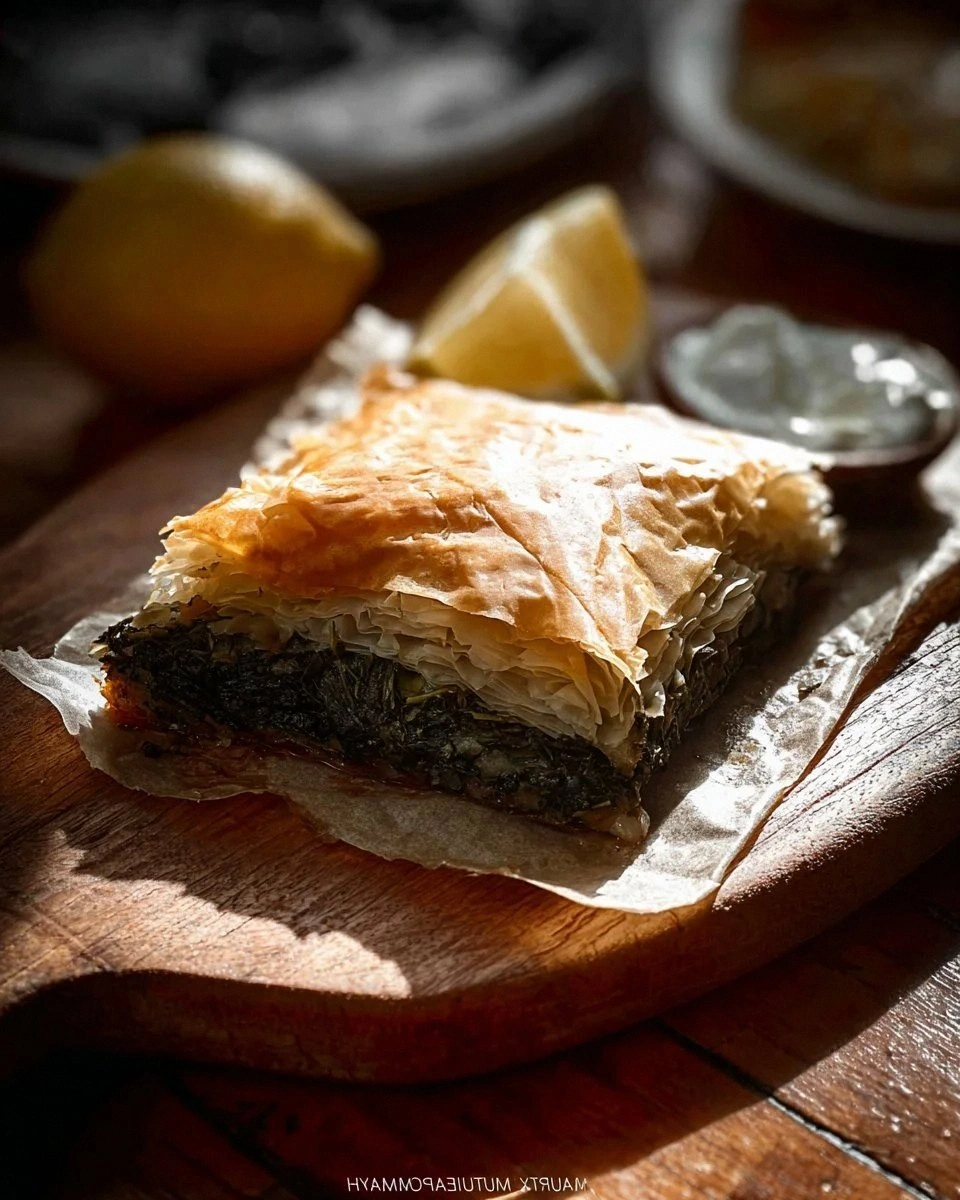
The Method — Step by Step
Preheat your oven to 375°F (190°C). While the oven warms up, line a large skillet with a drizzle of olive oil and set it over medium heat. This is the moment of truth: you’ll hear the spinach hit the pan with a gentle sizzle that tells you the oil is hot enough. Add the chopped onion and sauté for 3‑4 minutes until it becomes translucent and sweet‑smelling. If the onions start to brown too quickly, lower the heat—patience here prevents a bitter undertone.
Watch Out: Over‑cooking the onions can introduce a caramelized bitterness that clashes with the feta later.Add the fresh spinach to the skillet in batches, letting each handful wilt before tossing in the next. You’ll notice the pan filling with a vibrant green cloud, and the volume will dramatically shrink—this is the spinach releasing its water. Stir continuously for about 5‑6 minutes until all the liquid evaporates. At this point, the mixture should be dry, glossy, and fragrant. If you see excess moisture, turn up the heat a notch and let it steam off; soggy spinach is the villain that ruins the crispness of phyllo.
Transfer the cooked spinach and onions to a large bowl. While the mixture is still warm, stir in the crumbled feta, ricotta, and the beaten eggs. The heat will gently melt the feta, creating a cohesive filling that’s neither too runny nor too dry. Add the finely chopped herbs, then season with salt and pepper. Finally, drizzle in a tablespoon of fresh lemon juice and give everything a good toss. This step is where the flavors marry; you’ll taste a bright, herbaceous punch that makes the filling sing.
Kitchen Hack: Use a hand‑held mixer on low speed to blend the filling; it ensures the eggs coat the spinach evenly without over‑mixing.Now for the phyllo assembly. Unroll the phyllo sheets and cover them with a damp kitchen towel to keep them supple. Place one sheet on a greased baking tray and brush it lightly with the melted butter‑olive oil mixture. Repeat this layering process for eight sheets, brushing each one generously. The butter‑oil blend is the secret that gives the crust its golden‑brown sheen and a delicate crunch that shatters like thin ice when you bite into it.
Spread the spinach‑feta filling evenly over the layered phyllo, leaving a one‑inch border around the edges. The filling should be about a half‑inch thick; if it’s too thick, the top layers may not bake through, and you’ll end up with a soggy center. Smooth it out with the back of a spoon, and then fold the overhanging phyllo edges over the filling, creating a rustic, free‑form edge. This folding technique not only looks gorgeous but also seals in steam, ensuring the interior stays moist.
Cover the remaining phyllo sheets on top of the filling, brushing each with the butter‑oil mixture as you go. Aim for another six to eight sheets, depending on how tall you want the pie. Once the top layer is in place, give the whole thing a final brush of melted butter so the crust develops that deep amber color. If you’re feeling theatrical, score the top in a diamond pattern—this not only looks impressive but also makes serving easier.
Slide the tray into the preheated oven and bake for 30‑35 minutes, or until the phyllo is a deep, buttery gold and the edges start pulling away from the pan. You’ll hear a faint crackle as the layers separate, a sound that tells you the crust is perfectly crisp. About halfway through, rotate the tray to ensure even browning; ovens can be fickle, and you want every side to get that gorgeous glow.
When the timer dings, remove the Spanakopita from the oven and let it rest for 10 minutes. This rest period is crucial—it allows the filling to set, making slicing clean and tidy. While you wait, the kitchen will be filled with an intoxicating aroma that makes you want to dive right in. After the rest, cut the pie into generous wedges, serve warm, and watch your guests’ eyes widen in anticipation.
Watch Out: Cutting the pie while it’s still hot can cause the filling to spill out; always let it rest for at least 5‑10 minutes.
That’s it — you did it. But hold on, I’ve got a few more tricks that’ll take this to another level. Trust me, these little secrets will make your Spanakopita the talk of every gathering, and you’ll be the hero who “just knows” how to get that perfect crust every single time.
Insider Tricks for Flawless Results
The Temperature Rule Nobody Follows
Most home cooks bake at 350°F and call it a day, but the magic happens at 375°F. The higher heat creates a rapid steam burst that puffs the phyllo into a light, airy texture while still delivering that buttery crunch. If you’re using a convection oven, drop the temperature by 25°F to avoid over‑browning. I once tried a lower temp and ended up with a soggy bottom—lesson learned: heat is your ally.
Why Your Nose Knows Best
Don’t rely solely on the timer. When the edges start to turn a deep amber and you catch the faint scent of toasted butter, you know you’re there. The aroma is a reliable indicator that the phyllo has reached that perfect caramelization. If you smell a burnt, acrid note, pull the tray out immediately; you can always cover the top with foil to prevent further darkening.
The 5‑Minute Rest That Changes Everything
Resting the pie after baking isn’t just for looks; it allows the steam inside to redistribute, setting the filling. This prevents the wedges from sliding apart when you cut them. I once sliced a hot Spanakopita and watched the filling ooze like a lava flow—big mistake. A short rest turns a messy slice into a clean, elegant piece.
Butter‑Oil Ratio Mastery
A 1:1 ratio of melted butter to olive oil gives you the best of both worlds: the rich flavor of butter and the high smoke point of olive oil. Too much butter alone can burn at high oven temperatures, while pure olive oil lacks that indulgent mouthfeel. Mix them together, brush generously, and you’ll see the phyllo develop a glossy, crackling surface that’s impossible to resist.
Herb Timing Trick
Add the fresh herbs at the very end of the filling preparation, while the mixture is still warm but not hot. This preserves their bright color and aromatic oils. If you fold them in too early, the heat will mute their flavor, leaving you with a dull, herb‑less filling. The result? A burst of fresh parsley or dill in every bite.
Phyllo Storage Savior
If you’re not using the entire package of phyllo, keep the unopened portion tightly sealed in its original plastic, then wrap it in a second layer of foil. This double‑wrap prevents the sheets from drying out, which would cause them to crack when you try to unroll them later. Trust me, a cracked sheet is a recipe‑breaker.
Creative Twists and Variations
This recipe is a playground. Here are some of my favorite ways to switch things up:
Mediterranean Mushroom Medley
Swap half the spinach for sautéed wild mushrooms and a splash of white wine. The earthiness of the mushrooms pairs beautifully with feta, creating a richer, umami‑forward pie that’s perfect for autumn gatherings.
Sun‑Dried Tomato Surprise
Add a quarter cup of chopped sun‑dried tomatoes to the filling for a tangy, slightly sweet pop. The tomatoes bring a ruby‑red speckle to the green interior, making the pie visually striking and flavor‑complex.
Cheese Lover’s Dream
Mix in a half‑cup of grated kefalotyri or aged pecorino along with the feta. The extra cheese creates a deeper, sharper bite that cheese aficionados will adore. Just be mindful of the salt level—adjust accordingly.
Vegan Victory
Replace the butter with extra olive oil, use tofu crumbled and seasoned as a feta substitute, and swap the eggs for a chickpea flour “binder” mixed with water. The result is a plant‑based version that still delivers that coveted flaky crust.
Spicy Kick
Stir in a finely diced green chili or a pinch of red pepper flakes into the filling. The heat cuts through the richness, giving the pie a lively finish that’s perfect for those who love a little fire.
Storing and Bringing It Back to Life
Fridge Storage
Let the cooled Spanakopita sit in an airtight container or tightly wrapped in foil for up to three days. The phyllo will soften slightly, but reheating restores its crunch. Keep it on a shelf, not the door, to maintain a steady temperature.
Freezer Friendly
Wrap individual wedges in parchment paper, then place them in a zip‑top freezer bag. They’ll keep for up to two months. When you’re ready to serve, bake frozen wedges at 375°F for 20‑25 minutes, adding a splash of water to the tray to create steam that revives the crust.
Best Reheating Method
Preheat the oven to 350°F, place the wedge on a baking sheet, and drizzle a teaspoon of water over the top before covering loosely with foil. Heat for 10‑12 minutes; the water creates a gentle steam that re‑hydrates the interior while the foil protects the crust from over‑browning. Remove the foil for the last two minutes to re‑crisp the edges.