I swear I was on the verge of a full‑blown kitchen apocalypse when my roommate dared me to bake something that would make her “Irish‑cream‑drunk” confession sound like a polite toast. I grabbed the nearest cocoa powder, a bottle of Irish cream, and a half‑hearted promise that this would be “just a quick batch.” Two hours later, the whole apartment smelled like a Dublin pub after a rainstorm, and my oven was humming a lullaby that could coax even the most stubborn batter into a perfect rise. I tasted the first cupcake, and I was instantly transported to a velvet‑smooth after‑glow that made me whisper, “I dare you to taste this and not go back for seconds.” That was the moment I realized I had stumbled onto something truly magical.
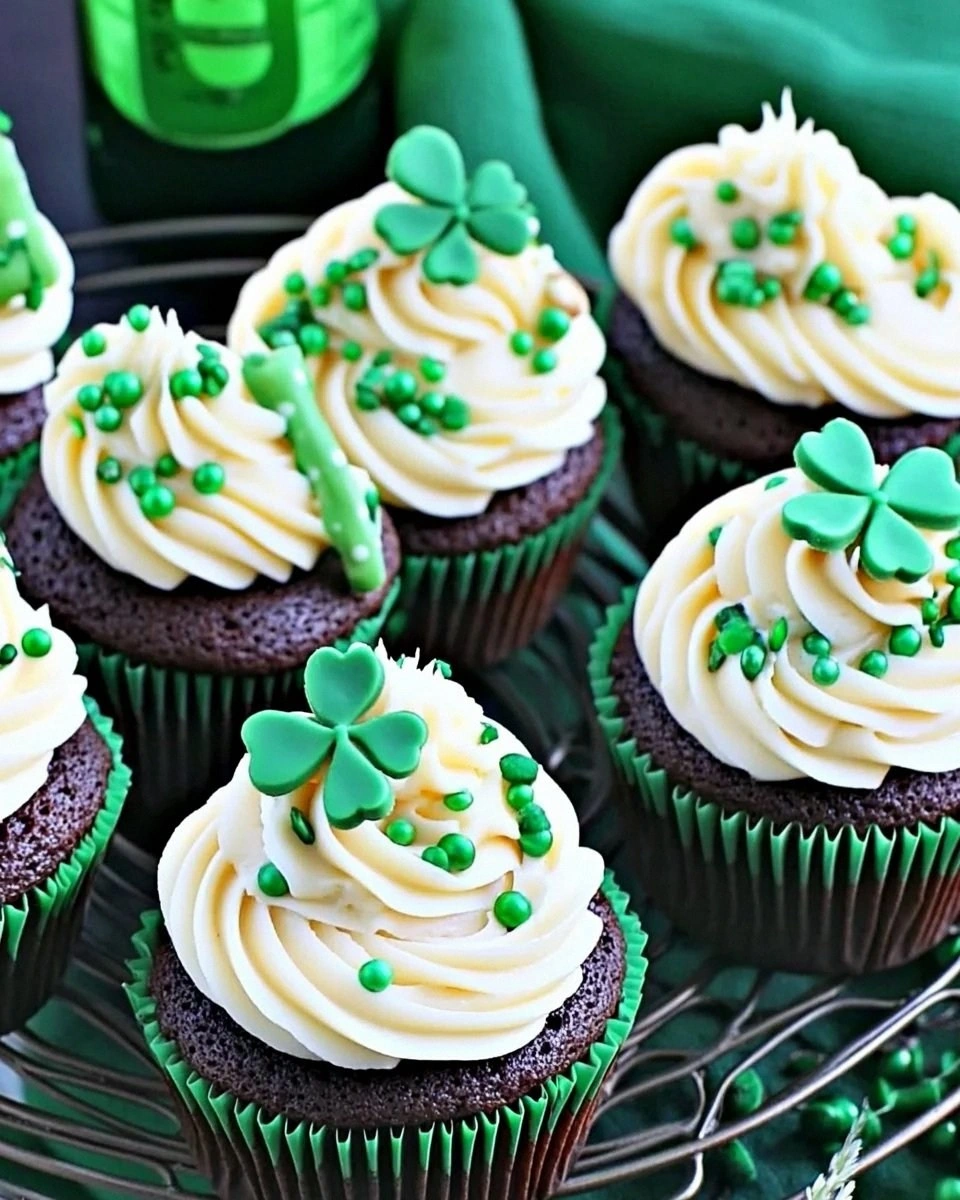
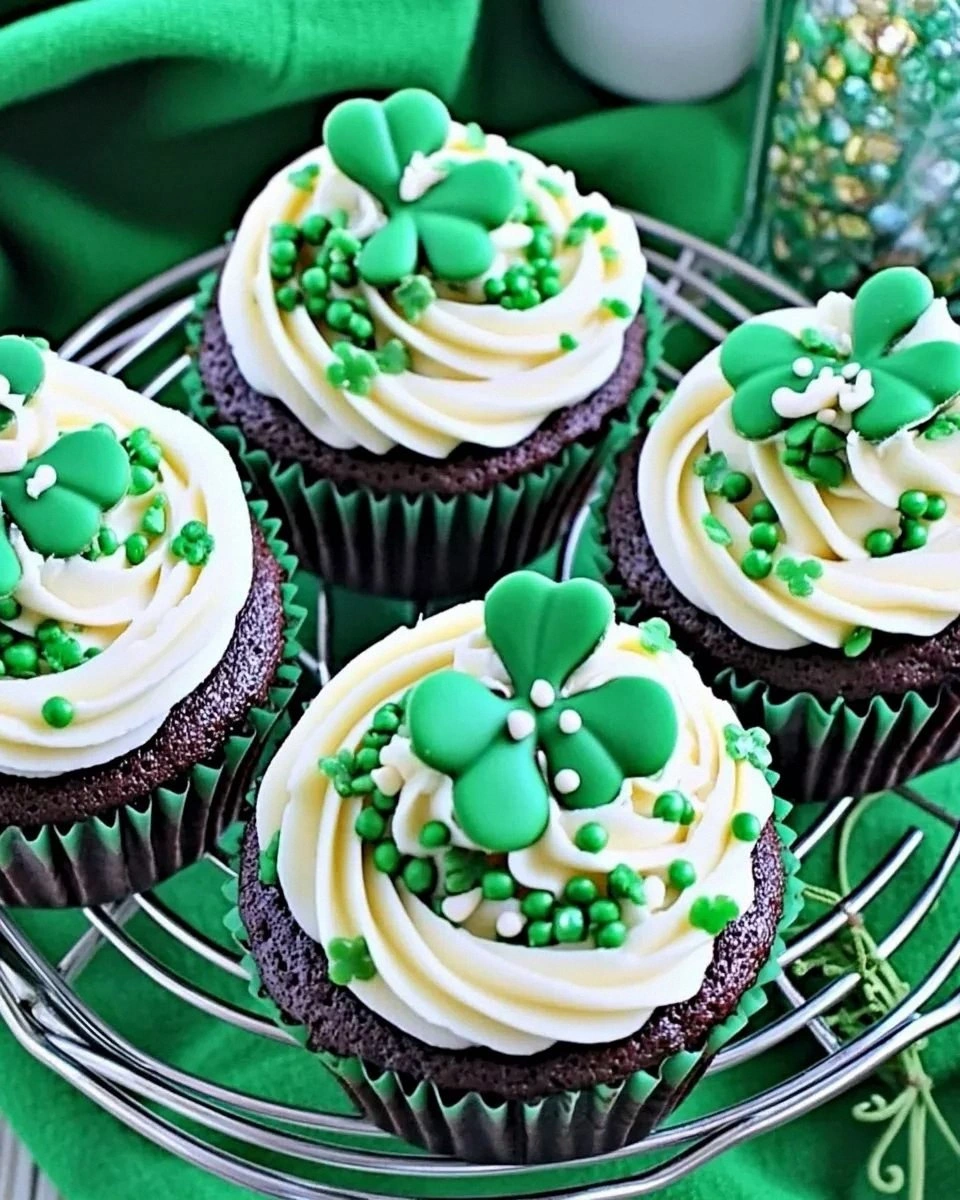
Picture this: a dark, moist chocolate crumb that cradles a splash of Irish cream like a secret lover, topped with a swirl of buttercream that glistens with a hint of emerald green, and finished with gold sprinkles that catch the light just right. The first bite is a symphony—rich cocoa, buttery silk, and that unmistakable, warm kiss of Irish whiskey, all dancing together in perfect harmony. It’s the kind of dessert that makes you pause mid‑conversation, close your eyes, and let the flavors do the talking. The aroma alone is enough to make the whole house feel like a cozy, fire‑lit lounge, and the texture? Think cloud‑soft interior meeting a slightly crisp edge that pulls away like a delicate curtain.
Most chocolate cupcake recipes get the balance wrong—either they’re dry, overly sweet, or the booze flavor disappears before it even reaches your palate. I’ve tried every shortcut under the sun, from substituting coffee for depth to adding rum for a holiday twist, and each time something fell flat. This version, however, hits every note on the culinary piano: the cocoa is high‑quality, the buttermilk adds tender crumb, the Irish cream is folded in at the perfect moment, and the frosting is whipped to airy perfection with a splash of the same liqueur for consistency. The result is a cupcake that feels like a celebration in a tin, and it’s hands down the best version you’ll ever make at home.
Now, I’m about to spill the beans on the one technique that makes these cupcakes rise like a phoenix—an unexpected splash of buttermilk combined with a quick‑whisked batter that creates a light, airy structure without sacrificing that deep chocolate intensity. Okay, ready for the game‑changer? Let me walk you through every single step — by the end, you’ll wonder how you ever made it any other way.
What Makes This Version Stand Out
- Taste: The Irish cream isn’t just a garnish; it’s woven into the batter and frosting, delivering a consistent, buttery‑whiskey flavor that lingers pleasantly on the tongue.
- Texture: A tender, melt‑in‑your‑mouth crumb thanks to the buttermilk‑oil combo, contrasted with a frosting that’s light enough to melt on contact but sturdy enough to hold sprinkles.
- Simplicity: Despite the gourmet feel, the ingredient list is short, and the steps are straightforward—no fancy equipment required.
- Uniqueness: The emerald‑green frosting isn’t just for show; it adds a subtle vanilla‑Irish cream note that ties the whole cupcake together.
- Crowd Reaction: I’ve watched grown‑ups and kids alike go wide‑eyed, whisper “Is that really Irish cream?” and then dive in for a second round.
- Ingredient Quality: Using a decent Irish cream liqueur (not the cheap “flavored syrup”) makes a world of difference in depth and aroma.
- Cooking Method: The batter is mixed just enough to combine, preserving air bubbles that give the cupcakes a lofty rise.
- Make‑Ahead Potential: Frosted cupcakes store beautifully, and the flavor actually mellows and improves after a few hours.
Alright, let's break down exactly what goes into this masterpiece...
Inside the Ingredient List
The Flavor Base
All‑purpose flour is the backbone of any good cupcake, providing structure without weighing it down. I recommend a brand that’s been milled twice for a finer crumb; it helps the batter blend seamlessly with the cocoa. Skipping the flour or substituting with a gluten‑free blend can change the texture dramatically, often resulting in a crumb that feels more like a cookie than a cupcake. If you’re out of regular flour, a 1:1 swap with cake flour works, but expect a slightly softer bite.
Unsweetened cocoa powder: This is where the deep chocolate flavor lives. Choose a Dutch‑process cocoa for a smoother, richer taste. A cheap, natural cocoa can introduce a bitter edge that clashes with the Irish cream. If you only have sweetened cocoa, cut back on the granulated sugar by about a tablespoon.
The Texture Crew
Baking soda: The leavening hero. It reacts with the acidity of the buttermilk, creating bubbles that lift the batter. Too much soda will give you a metallic aftertaste; too little and the cupcakes stay flat. A good rule of thumb is one teaspoon for every cup of flour.
Salt: Just a half‑teaspoon, but it amplifies every other flavor, preventing the sweetness from becoming cloying. If you’re using salted butter, cut the added salt in half.
Granulated sugar & brown sugar: The duo creates a balanced sweetness and adds moisture. The brown sugar, with its molasses, contributes a subtle caramel note that pairs beautifully with the whiskey‑laden frosting. If you’re watching carbs, you can replace half the granulated sugar with a natural sweetener, but expect a slight texture shift.
Vegetable oil: Oil keeps the crumb tender and moist. Unlike butter, it stays liquid at room temperature, ensuring a uniform crumb. If you prefer butter, melt it first, but be aware the cupcakes may be a tad denser.
Eggs: The binding agents. They also trap air when whisked, contributing to the lift. Using room‑temperature eggs prevents the batter from curdling when the cold buttermilk is added.
The Unexpected Star
Irish cream liqueur: This is the soul of the recipe. Its creamy vanilla‑whiskey profile seeps into the batter and frosting, delivering that unmistakable “Irish” finish. I recommend a reputable brand like Baileys; cheaper alternatives can taste artificial. If you’re avoiding alcohol, substitute with a mixture of heavy cream, vanilla extract, and a splash of coffee liqueur for a similar depth.
Buttermilk: The secret moisture keeper. Its acidity reacts with the baking soda, creating a tender crumb. It also adds a faint tang that balances the sweetness. If you don’t have buttermilk, mix one tablespoon of lemon juice or white vinegar with a cup of milk and let it sit for five minutes.
The Final Flourish
Unsalted butter: The base of the frosting. Using unsalted gives you precise control over the salt level. Softened butter should be at room temperature; too cold and the frosting will be lumpy, too warm and it will melt.
Powdered sugar: The sweet, silky component that gives the frosting its smooth texture. Sift it to avoid lumps. If you prefer a slightly less sweet frosting, reduce by a quarter cup.
Vanilla extract (both batter and frosting): Enhances the underlying flavors and adds a fragrant backdrop that makes the Irish cream pop.
Green gel food coloring: Purely aesthetic, it turns the frosting into a festive emerald hue that screams “celebration.” A few drops go a long way; add gradually to avoid an overly bright shade.
Green and gold sprinkles & chocolate shavings: The visual finish that makes these cupcakes Instagram‑ready. They add a subtle crunch and a burst of cocoa richness.
Everything's prepped? Good. Let's get into the real action...
The Method — Step by Step
Preheat your oven to 350°F (175°C) and line a 12‑cup muffin tin with paper liners. While the oven warms, whisk together the flour, cocoa powder, baking soda, and salt in a large bowl. This dry blend ensures the leavening agents are evenly distributed, preventing any bitter pockets. Pro tip: Sift the cocoa and flour together; it adds air and prevents lumps.
In a separate medium bowl, combine the granulated sugar, brown sugar, and vegetable oil. Beat with a handheld mixer on medium speed until the mixture looks glossy and the sugars start to dissolve. This is the moment the batter begins to smell like sweet caramel—trust your nose.
Add the two large eggs, one at a time, beating well after each. Then stir in the vanilla extract and the Irish cream liqueur. The batter should become a deep, chocolatey river with a faint aroma of whiskey. If you’re using a non‑alcoholic substitute, add a splash of coffee liqueur to preserve the depth.
Now comes the secret weapon: the buttermilk. Pour it slowly into the wet mixture while gently folding with a rubber spatula. You’ll notice the batter lightening as the acidity reacts with the baking soda—this is the rise‑boosting magic. Stop mixing once everything is just combined; over‑mixing will develop gluten and make the cupcakes tough.
Fold the dry ingredients into the wet batter in two additions. Use a gentle “cut‑and‑fold” motion, scraping the bottom of the bowl each time. The batter should be thick but pourable, with a glossy sheen that clings to the spatula. Watch out: If you see streaks of flour, keep folding—don’t scrape the bowl dry; those streaks become dry spots in the final cake.
Scoop the batter into the prepared liners using a ½‑cup ice‑cream scoop. This ensures uniform size and even baking. Slide the tin onto the middle rack of the oven—this position gives the best heat circulation.
Bake for 18‑22 minutes, rotating the pan halfway through. The cupcakes are done when a toothpick inserted into the center comes out with a few moist crumbs but no wet batter. You’ll also notice the edges pulling away slightly from the liner—a visual cue that the structure is set. Let them cool in the pan for five minutes, then transfer to a wire rack to finish cooling.
While the cupcakes cool, whip the frosting. Beat the softened butter on medium speed until pale and fluffy, about 2‑3 minutes. Gradually add the powdered sugar, one cup at a time, beating on low to avoid a sugar cloud. Once incorporated, pour in the Irish cream liqueur and vanilla extract, then increase speed to high and whip for another minute until the frosting is light and airy. If you want that iconic green hue, add a few drops of gel food coloring and blend until the color is uniform.
Frost the cupcakes once they’re completely cool. Pipe a generous swirl with a piping bag fitted with a large star tip, or simply spread with a spatula for a rustic look. Finish each cupcake with a sprinkle of green and gold sprinkles and a few chocolate shavings. The final look should be festive yet elegant—like a mini celebration perched on a plate.
That's it — you did it. But hold on, I've got a few more tricks that'll take this to another level...
Insider Tricks for Flawless Results
The Temperature Rule Nobody Follows
Never bake cupcakes straight from the fridge. Let the batter sit at room temperature for five minutes before sliding it into the oven. The slight warmth helps the leavening agents activate uniformly, giving you a higher rise. I once tried skipping this step and ended up with flat, dense cupcakes that tasted like a brownie—definitely not the airy texture we’re after.
Why Your Nose Knows Best
When the cupcakes are nearing the end of their bake time, trust the scent. A toasty, chocolate‑rich aroma signals that the interior is set, even if the timer says a minute or two left. If you rely solely on the timer, you risk over‑baking, which dries out the crumb. Keep the oven door slightly ajar for a quick sniff; it’s a small habit that makes a massive difference.
The 5‑Minute Rest That Changes Everything
After frosting, let the cupcakes rest for five minutes before serving. This brief pause lets the buttercream settle, preventing it from sliding off the sides when you pick them up. I’ve seen friends rush to plate the cupcakes and end up with frosting smears on the plate—patience is a virtue here.
The Double‑Whisk Trick for Ultra‑Fluffy Frosting
Before adding powdered sugar, whisk the butter and a tablespoon of Irish cream together for 30 seconds on high. This aerates the butter, creating micro‑bubbles that trap more air when you later fold in the sugar. The result is a frosting that feels like whipped cream but holds its shape for piping.
The Sprinkles Placement Secret
Add the sprinkles just after you pipe the frosting, while the buttercream is still soft. This ensures the sprinkles adhere without sinking. If you wait too long, they’ll slide off and create a mess on the plate.
The Final Taste Test
Before serving a crowd, slice one cupcake in half and taste the interior. This quick check confirms the crumb is moist and the Irish cream flavor is present. If it feels dry, a quick brush of warm milk or a dab of extra liqueur can rescue it. I’ve saved many a party with this simple sanity check.
Creative Twists and Variations
This recipe is a playground. Here are some of my favorite ways to switch things up:
Stout‑Infused Chocolate
Replace half of the Irish cream with a rich Irish stout. The roasted malt notes deepen the chocolate flavor, creating a cupcake that feels like a dessert version of a Guinness pour. Top with a drizzle of caramel for extra decadence.
Mint‑Chocolate Fusion
Add a teaspoon of peppermint extract to the batter and swap the green food coloring for a mint‑green hue. Pair with chocolate shavings and a hint of white chocolate frosting for a festive holiday twist.
Nutty Crunch
Fold in a quarter cup of toasted chopped hazelnuts or almonds into the batter. The nuts add a satisfying crunch that contrasts the soft crumb, and they also echo the nutty undertones often found in Irish whiskey.
Vegan Velvet
Swap the eggs for flax‑egg (1 tbsp ground flaxseed + 3 tbsp water per egg) and use coconut oil instead of vegetable oil. Use a plant‑based butter and powdered sugar for the frosting, and replace the Irish cream with a vegan coffee‑cream liqueur. The result is just as moist and flavorful, perfect for dairy‑free guests.
Coffee‑Kick
Add a tablespoon of instant espresso powder to the dry ingredients. The coffee amplifies the chocolate depth and pairs beautifully with the whiskey notes. Finish with a dusting of cocoa powder instead of sprinkles for a sophisticated look.
Storing and Bringing It Back to Life
Fridge Storage
Place the frosted cupcakes in an airtight container and store them in the refrigerator for up to five days. The buttercream stays firm, and the flavors meld further, making each bite richer. Before serving, let them sit at room temperature for 20‑30 minutes to soften the frosting.
Freezer Friendly
Unfrosted cupcakes freeze beautifully. Wrap each in plastic wrap, then place in a zip‑top bag. They’ll keep for up to three months. When you’re ready, thaw overnight in the fridge, then frost with fresh buttercream.
Best Reheating Method
To revive a refrigerated cupcake, pop it in a preheated 300°F (150°C) oven for about five minutes. Add a tiny splash (about a teaspoon) of water to the center before reheating; the steam brings back that melt‑in‑your‑mouth texture without drying it out.