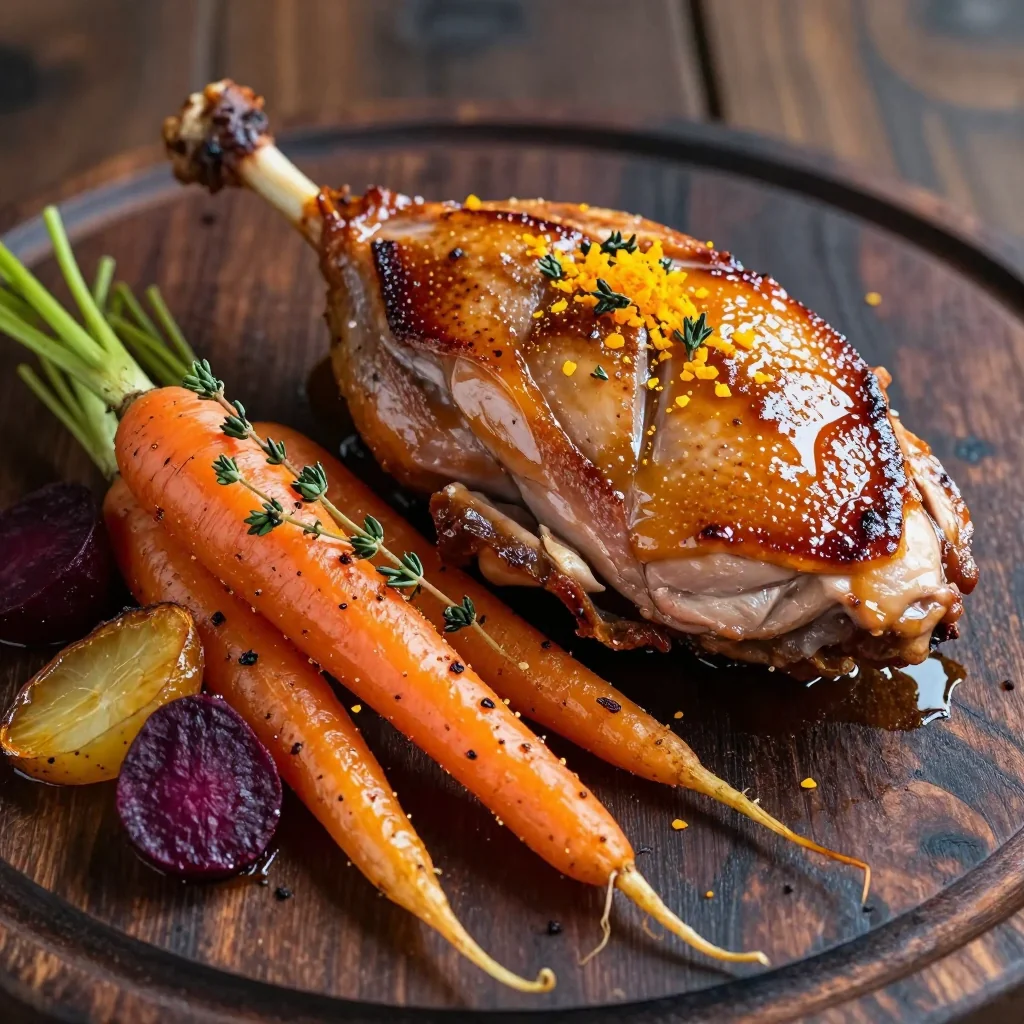
Love this? Pin it for later! 📌
Warm Citrus-Glazed Roasted Duck with Roasted Root Vegetables
Elevate your dinner table with this show-stopping roasted duck recipe that combines the rich, succulent flavors of perfectly roasted duck with a bright, tangy citrus glaze. Paired with caramelized root vegetables, this restaurant-quality dish is surprisingly approachable for home cooks.
Ingredients You'll Need
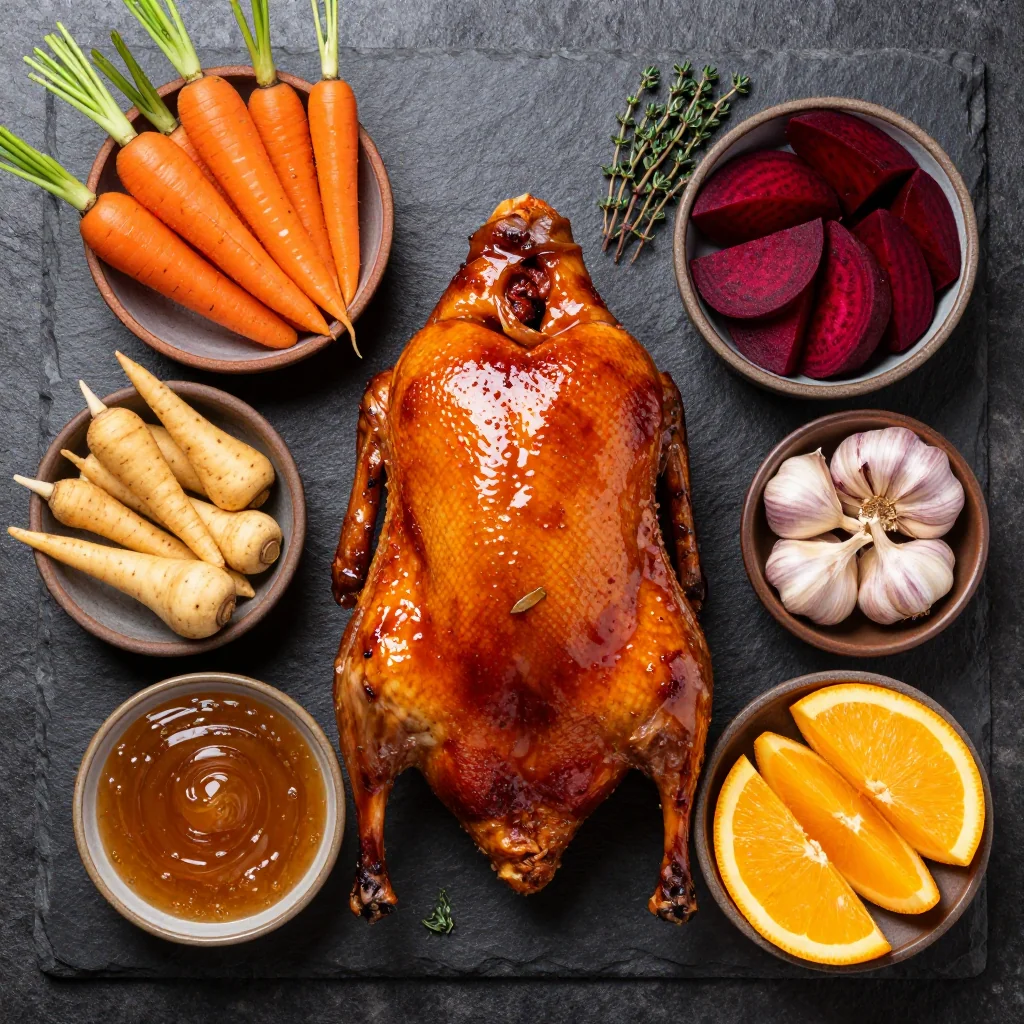
For this impressive yet approachable recipe, you'll need a whole duck (4-5 pounds), fresh citrus fruits, and an array of root vegetables. The duck should be fresh, not frozen, with plump breasts and intact skin. Look for ducks that have a good layer of fat under the skin – this will render down during roasting, creating incredibly crispy skin and keeping the meat moist.
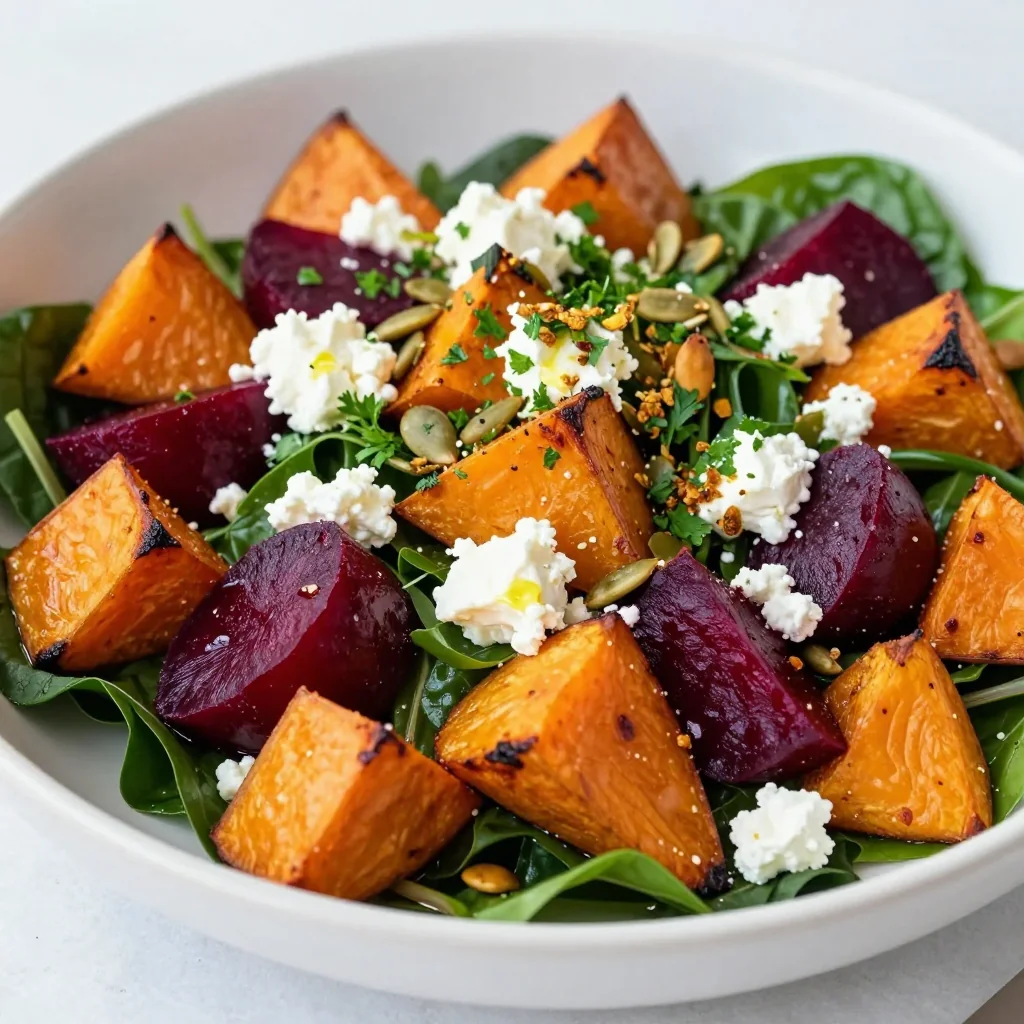
The citrus glaze combines fresh orange juice, lemon juice, and honey, creating a perfect balance of sweet and tangy. Fresh thyme and rosemary add aromatic depth, while garlic and shallots provide savory notes. For the root vegetables, I recommend a mix of parsnips, carrots, turnips, and beets, which roast beautifully alongside the duck, absorbing the rendered duck fat for incredible flavor.
Why This Recipe Works
- Crispy Skin Technique: Scoring the duck skin allows fat to render properly, creating incredibly crispy skin while keeping the meat juicy.
- Two-Stage Cooking: Starting at high heat crisps the skin, then reducing temperature ensures perfectly cooked meat.
- Citrus Glaze Balance: The sweet-tart glaze complements the rich duck without overpowering it.
- One-Pan Vegetables: Root vegetables roast in the same pan, absorbing delicious duck fat for extra flavor.
- Make-Ahead Friendly: Most prep can be done in advance, perfect for dinner parties.
- Impressive Presentation: The whole roasted duck makes a stunning centerpiece for special occasions.
How to Make Warm Citrus-Glazed Roasted Duck with Roasted Root Vegetables
Prepare the Duck
Remove the duck from refrigerator 1 hour before cooking. Pat completely dry with paper towels, inside and out. Using a sharp knife, score the skin in a crosshatch pattern, cutting through the skin but not into the meat. Make about 20-25 cuts on each breast. Season generously inside and out with salt and pepper. Let stand at room temperature while preparing other ingredients.
Prepare the Vegetables
Preheat oven to 425°F (220°C). Peel and cut root vegetables into 1-inch pieces. In a large bowl, toss vegetables with olive oil, salt, pepper, and fresh thyme. Line a large roasting pan with vegetables, creating a bed for the duck. Reserve any extra vegetables for later addition.
Make the Citrus Glaze
In a small saucepan, combine orange juice, lemon juice, honey, minced garlic, chopped rosemary, and a pinch of salt. Bring to a simmer over medium heat and reduce by half, about 10-12 minutes. The glaze should coat the back of a spoon. Remove from heat and set aside.
Initial Roasting
Place duck breast-side up on the bed of vegetables. Roast for 20 minutes at 425°F. The high heat will start rendering the fat and crisping the skin. After 20 minutes, remove from oven and carefully pour off excess fat from the pan (reserve for cooking vegetables later).
Continue Roasting
Reduce oven temperature to 350°F (175°C). Return duck to oven and roast for another 45 minutes. After 30 minutes, brush the duck with half of the citrus glaze. Continue roasting, basting occasionally with pan juices.
Check Doneness
After 65 minutes total cooking time, check internal temperature by inserting a meat thermometer into the thickest part of the thigh without touching bone. Duck is done when it reaches 165°F (74°C). If not yet done, continue roasting and checking every 10 minutes.
Final Glazing
During the last 10 minutes of cooking, brush duck with remaining citrus glaze. Increase oven temperature to 400°F (200°C) to caramelize the glaze. Watch carefully to prevent burning. The glaze should become sticky and glossy.
Rest and Serve
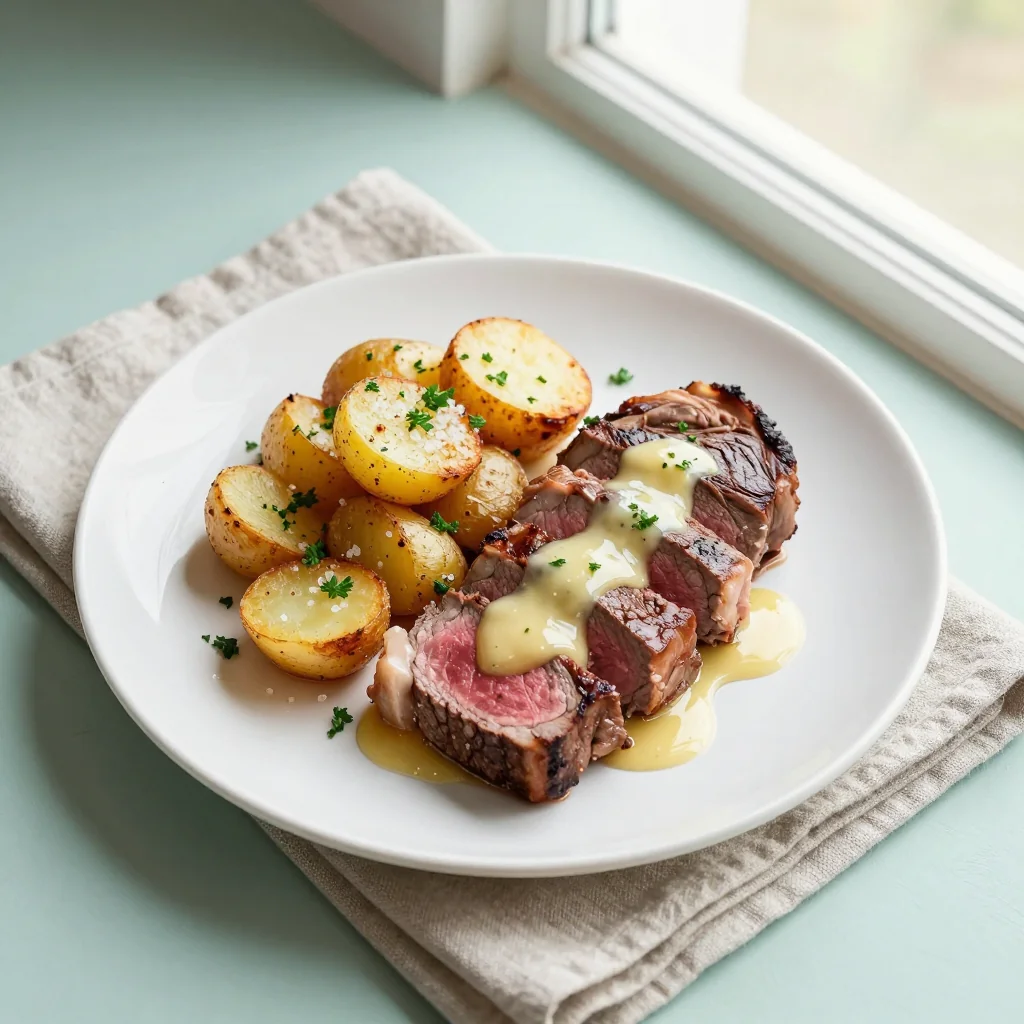
Remove duck from oven and transfer to a cutting board. Tent loosely with foil and let rest for 15-20 minutes. This allows juices to redistribute, ensuring moist meat. Meanwhile, return vegetables to oven if they need more cooking time. Carve duck and serve with roasted vegetables, spooning pan juices over the top.
Expert Tips
Dry the Skin Thoroughly
Use paper towels to pat the duck completely dry. Moisture is the enemy of crispy skin. For extra-crispy results, leave the duck uncovered in the refrigerator overnight.
Save the Duck Fat
Pour off rendered duck fat during cooking and save it. This liquid gold is perfect for roasting potatoes or cooking vegetables, adding incredible flavor.
Don't Overcook
Duck is best served medium-rare to medium. Overcooking makes it tough and dry. Use a meat thermometer for accuracy.
Score Properly
Cut through the skin and fat but not into the meat. Deep cuts into the meat will cause juices to escape during cooking.
Variations to Try
Asian-Inspired
Replace citrus glaze with a mixture of soy sauce, honey, rice vinegar, and five-spice powder. Add ginger and scallions.
Berry Glaze
Substitute orange juice with pomegranate or cherry juice for a deeper, fruitier glaze.
Different Vegetables
Try sweet potatoes, butternut squash, or Brussels sprouts instead of traditional root vegetables.
Storage Tips
Leftover Duck
Store leftover duck meat in an airtight container in the refrigerator for up to 3 days. Remove meat from bones for easier storage. Reheat gently in a low oven (300°F) covered with foil to prevent drying out. Leftover duck is excellent in salads, sandwiches, or pasta dishes.
Duck Fat
Strain rendered duck fat through cheesecloth and store in an airtight container in the refrigerator for up to 3 months, or freeze for up to 6 months. Use for roasting potatoes, cooking vegetables, or making confit.
Vegetables
Store roasted vegetables separately in airtight containers. Reheat in a hot oven or skillet to restore crispness. Avoid microwaving as it makes them soggy.
Frequently Asked Questions
Yes, but it must be completely thawed first. Thaw in the refrigerator for 2-3 days. Once thawed, pat very dry and proceed with the recipe. Fresh duck will have better texture and flavor.
The skin must be completely dry before cooking. Moisture prevents crisping. Also, ensure your oven is fully preheated and don't overcrowd the pan. Scoring the skin properly helps fat render out.
Yes! You can prep everything up to 24 hours ahead. Score the duck, prepare the glaze, and cut vegetables. Store separately in the refrigerator. Bring duck to room temperature before roasting for best results.
A medium-bodied red wine like Pinot Noir or a white Burgundy pairs beautifully. The citrus glaze also works well with off-dry Riesling or Gewürztraminer. For a special occasion, try Champagne or sparkling wine.
Use a meat thermometer inserted into the thickest part of the thigh (not touching bone). It should read 165°F (74°C). The juices should run clear when pierced, and the leg should move easily when wiggled.
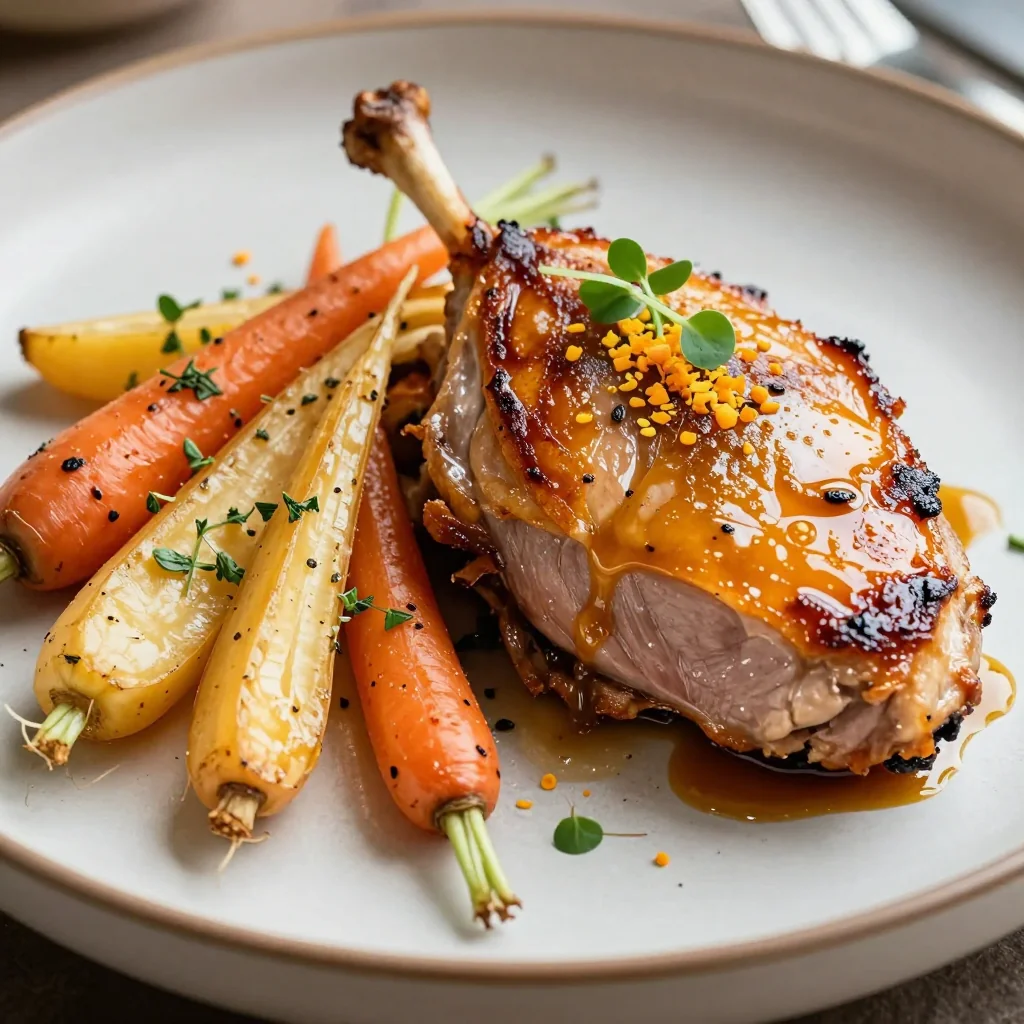
Warm Citrus-Glazed Roasted Duck with Roasted Root Vegetables
Ingredients
Instructions
- Prepare the duck: Remove duck from refrigerator 1 hour before cooking. Pat completely dry and score skin in crosshatch pattern. Season with salt and pepper.
- Make the glaze: Simmer orange juice, lemon juice, honey, garlic, and rosemary until reduced by half, about 10-12 minutes.
- Prepare vegetables: Toss cut vegetables with olive oil, salt, pepper, and thyme. Arrange in roasting pan.
- Initial roast: Place duck on vegetables, breast-side up. Roast at 425°F for 20 minutes.
- Continue cooking: Reduce temperature to 350°F and roast 45 minutes more, basting with half the glaze.
- Finish and rest: Brush with remaining glaze, increase heat to 400°F for final 10 minutes. Rest 15-20 minutes before carving.
Recipe Notes
For extra crispy skin, let the duck air-dry uncovered in the refrigerator overnight. Save the rendered duck fat - it's liquid gold for roasting potatoes!